
Antique Glass Dishes
Antique glass dishes combine utility and decorative grace, bringing period craftsmanship and light into modern rooms through items ranging from small trinket boxes to large centrepieces.
Antique Glass Dishes
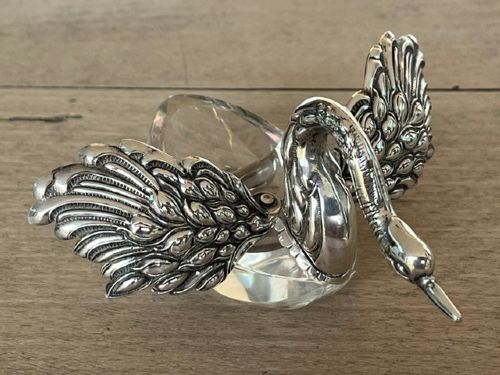
When searching for antique glass dishes, buyers encounter a broad spectrum of domestic and decorative items spanning the eighteenth, nineteenth, and early twentieth centuries. These encompass functional pieces such as salt cellars, sugar baskets, butter dishes, and pickle dishes alongside ornamental bowls and tazze.
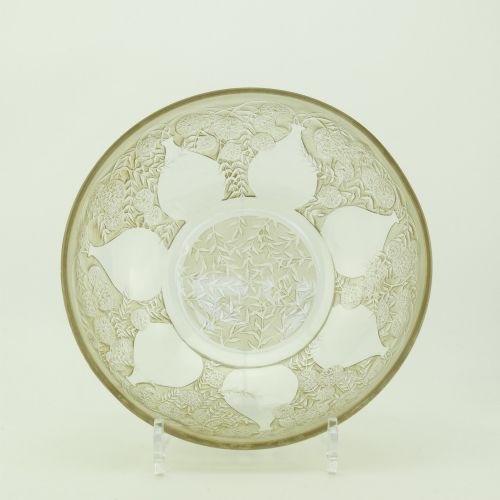
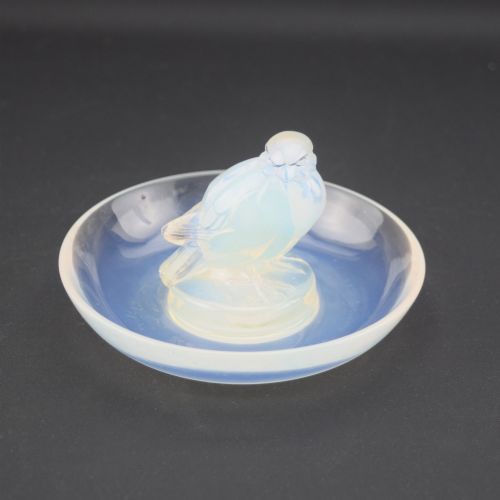
Continental and English workshops dominate the offerings, spanning simple pressed or cut crystal forms to opalescent moulded plates and covered trinket boxes. Buyers frequently meet items designed for specific dining or dressing table uses which now function as decorative accents.
Materials and production methods
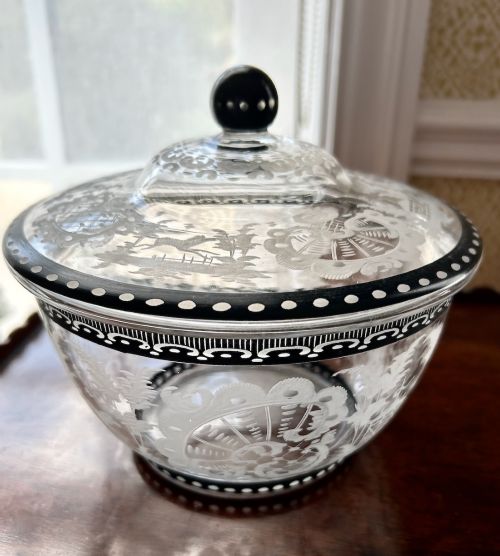
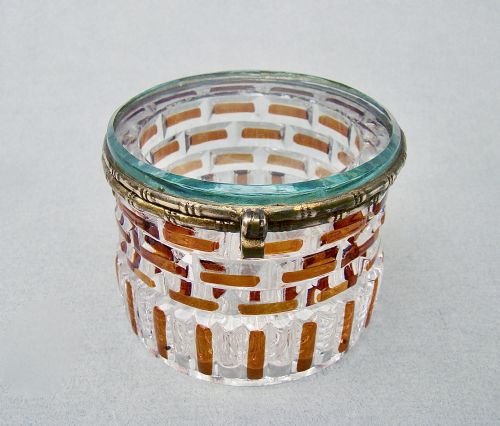
Makers utilised clear crystal, lead crystal, and coloured glass alongside metal mounts of sterling silver, silver plate, brass, and ormolu. Glass bodies were shaped through blowing, moulding, or cutting, sometimes incorporating surface engraving, enamelling, or acid-etching.
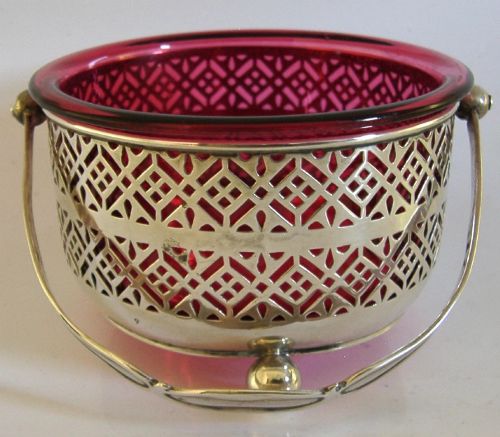
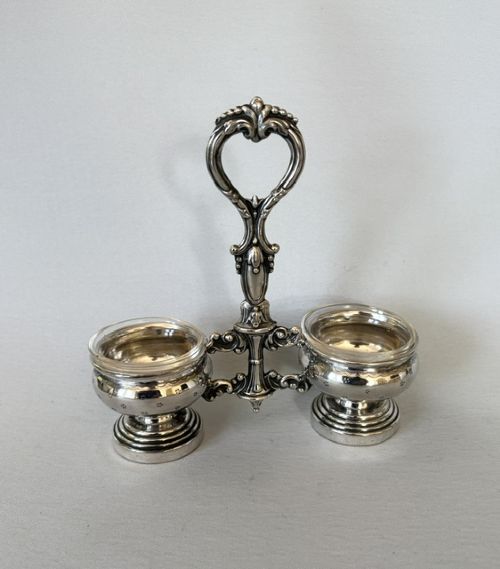
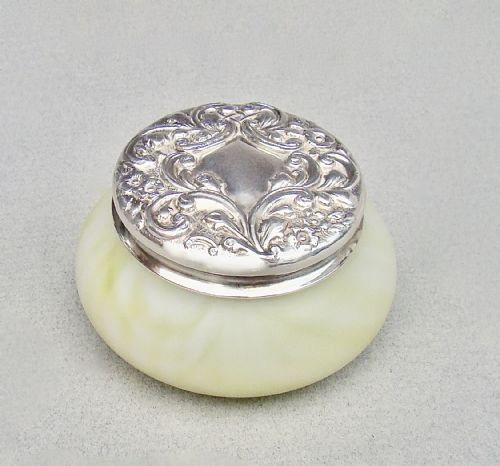
Mounts and hardware involved casting, piercing, and gilding metals to secure or frame the glass inserts. Silver components often bear hallmarks indicating assay offices in cities such as Birmingham and London alongside maker marks.
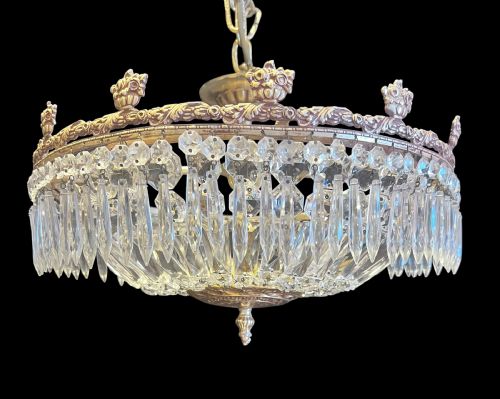
The selection includes ceiling lights, trinket boxes, and condiment stands alongside traditional bowls and baskets.
Distinctions in quality
Quality rests upon the crispness of the glass cutting, the depth and clarity of the metal chasing, and the harmony between the glass insert and its frame. Superior examples display precise facet work, weighty lead crystal, and robust silver or gilt bronze mounts without distortion.
Design complexity and maker reputation separate standard production pieces from exceptional works. Fine craftsmanship is evident in delicate enamelling, undamaged opalescent mouldings, and secure original fittings that align precisely with the glass.
A. J. Pepper & Co·A. Bromet & Co·Rene Lalique·Tiffany & Co·William Comyns·Barker and Ellis
The Antique Glass Dishes Glossary
- Tazza
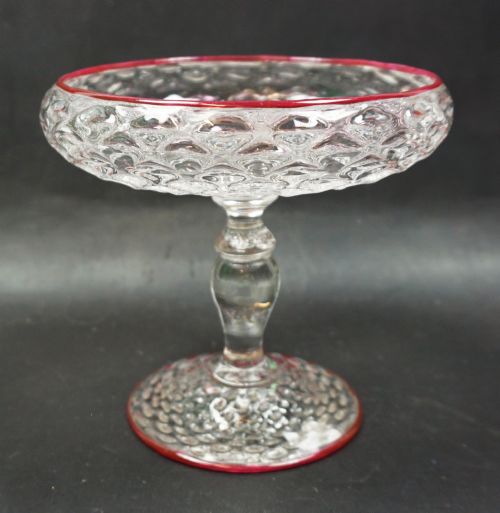
- A shallow bowl or plate mounted on a stem and foot, traditionally used for serving fruit or confections.
- Plafonnier
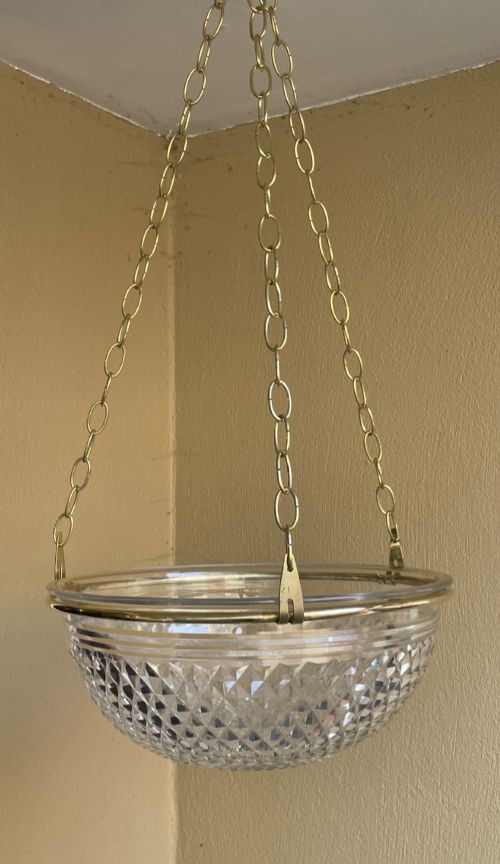
- A ceiling-mounted bowl light fixture made of glass or crystal, often held by metal or bronze hardware.
- Ormolu
- Gilt bronze or brass furnishings applied to decorative items, popular in French and revivalist domestic objects.
- Uranium glass
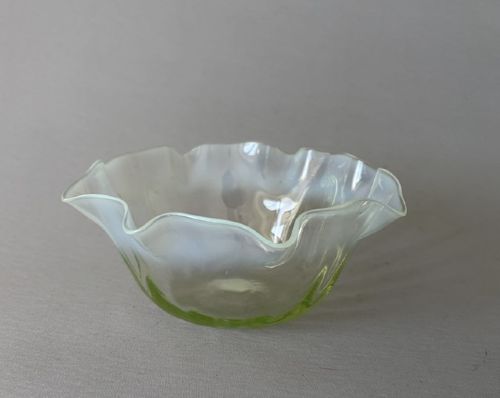
- Glass containing trace amounts of uranium oxide, which glows green under ultraviolet light and dates chiefly to the nineteenth century.
- Cranberry glass
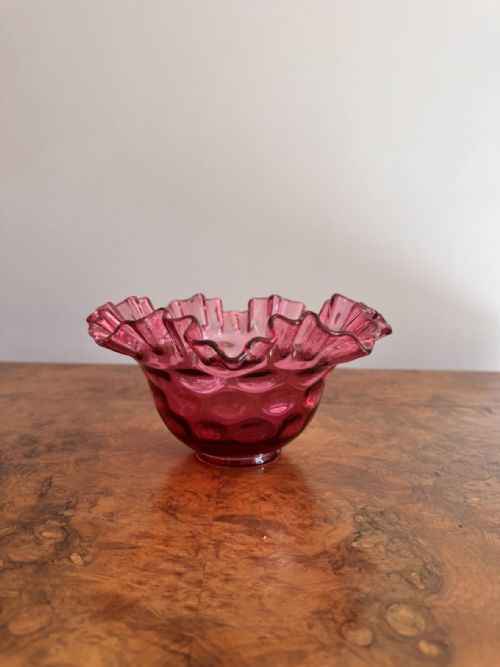
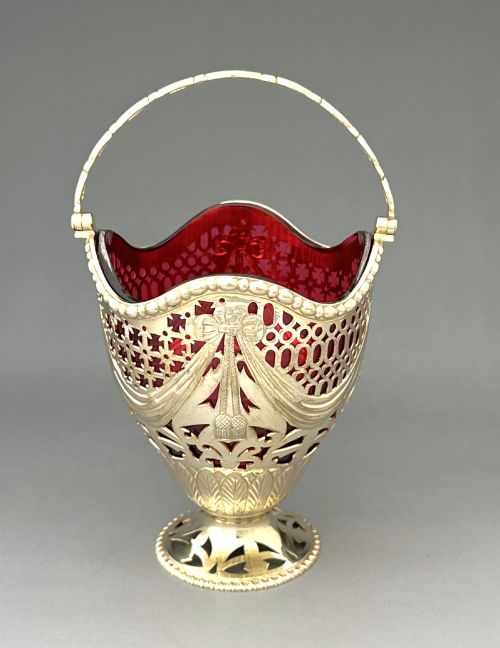
- A rich red-pink transparent glass created by adding gold chloride to the molten batch, widely utilised in Victorian tableware.
Antique Glass Dishes: Frequently Asked Questions
How were antique glass dishes used?
These items served functional roles on dining and dressing tables, holding condiments, butter, sugar, or small personal items. Many were paired with silver spoons, forks, or hinged lids to protect their contents.
Over time, their roles shifted from daily dining accessories to decorative display objects. Their ability to catch and reflect light made them focal points in period interiors.
How do I identify Victorian glass dishes?
Victorian pieces often feature heavy cut crystal, vibrant cranberry or cobalt liners, and elaborate sterling silver or plated mounts. Hallmarks stamped into the metal mounts provide exact dates and assay locations.
Stylistic cues also help, as mid and late nineteenth-century items frequently draw on Gothic, Rococo, or classical revival motifs. The weight and depth of the hand-cutting distinguish these older vessels from later pressed glass.
Can I use antique glass dishes daily?
Many sturdy pieces remain robust enough for gentle everyday use, provided they receive careful hand washing. Avoiding extreme temperature changes prevents thermal shock in older glass.
Fragile items with delicate enamelling, opalescence, or precious metal gilding require more caution. Collectors often reserve these finer examples for display rather than active service.
What is Kralik glass?
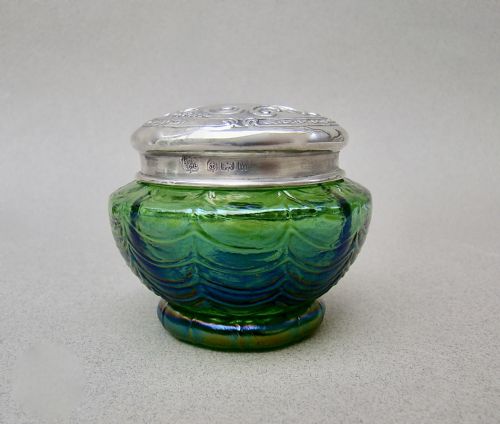
Kralik glass originates from the Bohemian glassworks founded by Wilhelm Kralik Sohn, known for innovative art glass production around the turn of the twentieth century. These works often utilised striking colour combinations and iridescent finishes.
Pieces paired with silver lids or mounts demonstrate the international trade in Bohemian glass blanks fitted by British silversmiths. Their distinct aesthetic marks a departure from traditional cut crystal.