


Antique Glass Decanter Flask
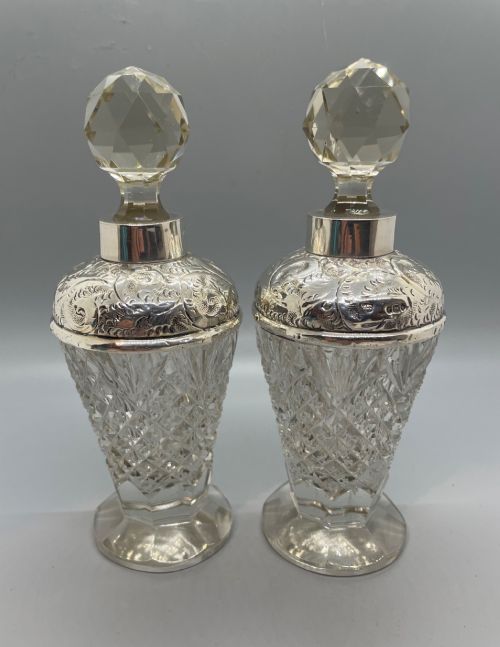
An antique glass decanter flask brings heavy cut crystal and silver mounts to the table, offering a tactile way to pour spirits from a bygone century.
Antique Glass Decanter Flask
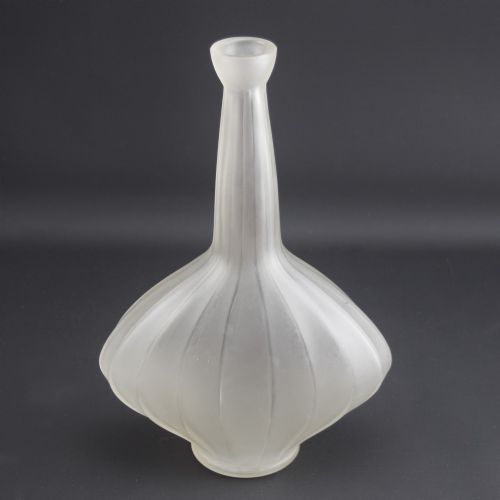
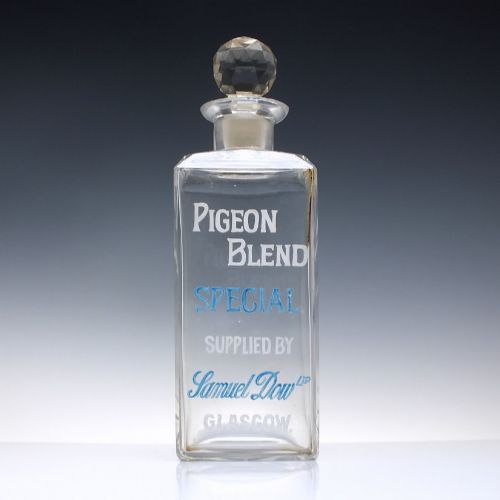
When you search for an antique glass decanter flask, you encounter vessels designed to hold spirits, wine, and scent across the eighteenth, nineteenth, and early twentieth centuries. The selection ranges from Georgian serving bottles and Victorian spirit flasks to Edwardian campaign decanters and Bohemian export pieces.
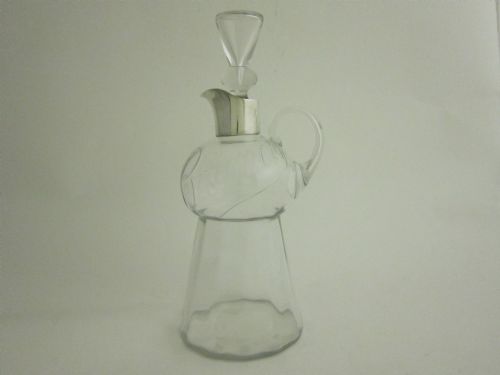
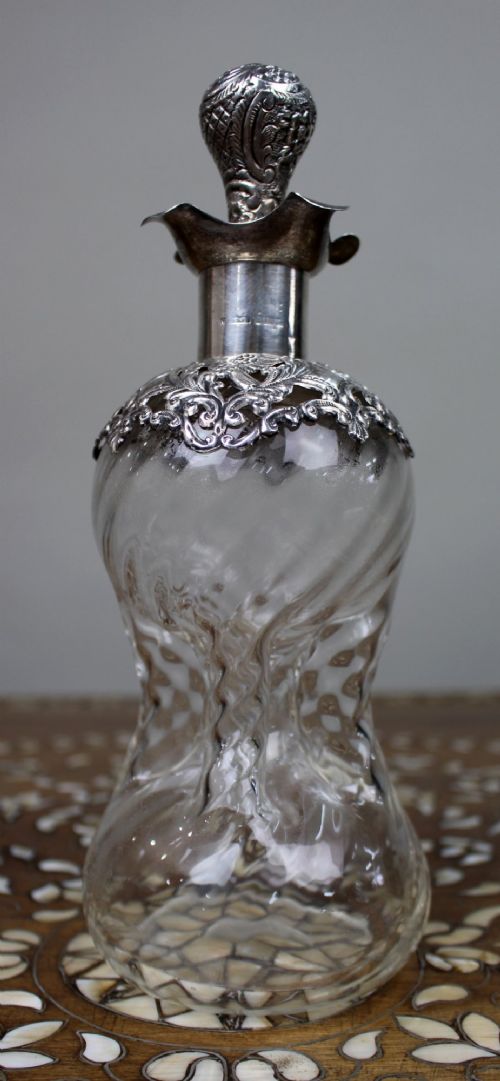
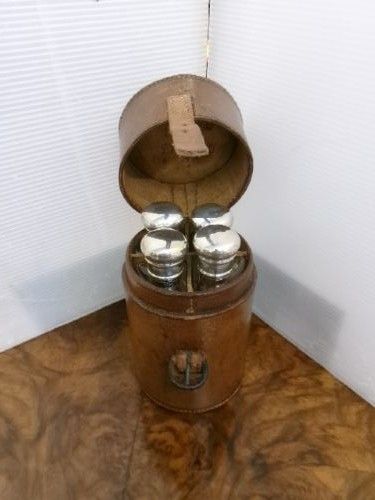
The pieces on this page appear in various forms, including pocket hip flasks, table decanters with silver collars, leather-cased sets, and enameled glass bottles. Victorian and Edwardian examples dominate the offerings, frequently paired with sterling silver hardware or cut glass bodies.
Materials and construction
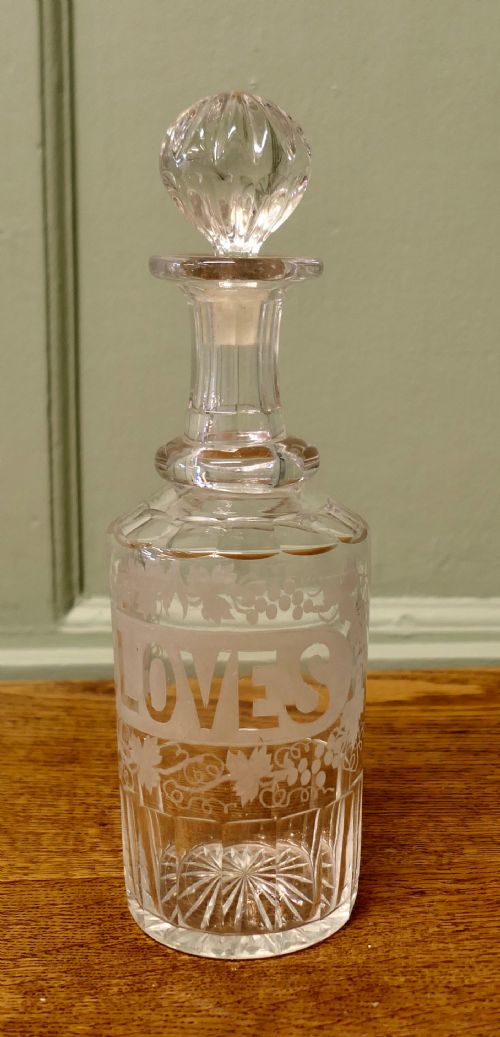
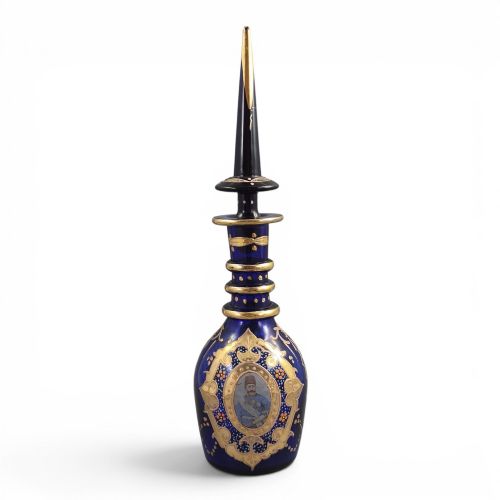
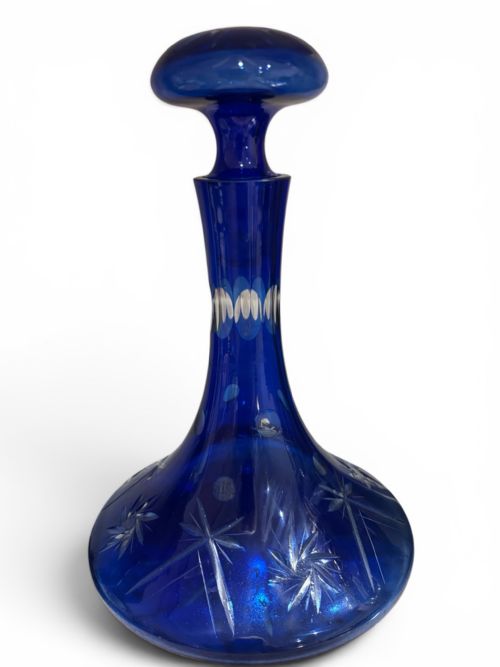
Makers formed these vessels from clear, cut, and coloured glass, often housing them in leather cases or mounting them with sterling silver, silver plate, pewter, and bronze. Artisans applied wheel-cutting, etching, and polychrome enamel painting directly onto the glass bodies.
Several Victorian bottles take physical animal forms, including a glass decanter shaped precisely like a dog.
Quality differences
The distinction between standard utility vessels and superior examples rests on the depth of the glass cutting and the weight of the metal mounts. Heavy-gauge sterling silver caps and crisp, deep wheel-cut facets indicate higher workshop standards.
Artistic execution also separates the items, seen in the hand-painted detail of enameled floral or figural work and the precise fit of hallmarked silver collars. Original matching stoppers and intact leather travel cases elevate the integrity of a piece.
Gorham·Barnsley and Co·Elkington
The Antique Glass Decanter Flask Glossary
- Decanter
- A glass vessel used for holding and serving wine or spirits. These pieces usually feature a stopper and a reinforced neck for pouring.
- Flask
- A portable container for drinks or scent, often designed to fit inside a leather travel case or a pocket. Many historical examples include metal cups or screw caps.
- Sterling silver mount
- A collar, cap, or base made from standard sterling metal fitted to the glass body. These mounts frequently carry hallmarks indicating the assay office and year of production.
- Overlay
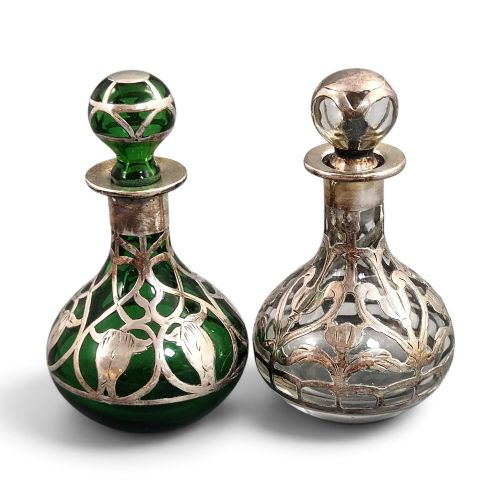
- A decorative technique where metal, such as silver, covers part of the glass surface in an openwork design. This method was favored by Art Nouveau makers.
- Mary Gregory glass
- Glass decorated with white or tinted enamel silhouettes depicting children in pastoral settings. This style appears on Victorian green and cranberry glass pieces.
Antique Glass Decanter Flask: Frequently Asked Questions
How do I date an antique glass decanter flask?
Dating relies on hallmarks stamped on the silver mounts, which indicate the assay office and year of manufacture. Stylistic markers such as cut glass patterns and enamel work also point to specific decades.
Unmarked pieces require analysis of the glass tint, pontil marks on the base, and the overall manufacturing technique to determine whether they belong to the Georgian, Victorian, or Edwardian era.
Were these flasks meant for travel?
Many examples, particularly those housed in leather cases or fitted with secure screw caps, were designed for travel on campaigns or carriages. Pocket-sized hip flasks fit this portable function.
Larger table decanters and serving bottles remained in the dining room or sideboard, intended for static home use rather than transport.
How should I clean antique glass and silver?
Wash the glass interior with warm water and mild detergent, avoiding harsh abrasives that might scratch the surface. Use a soft cloth for the glass and gentle care around any enamel decoration.
Polish the silver mounts with a specialised cloth while keeping cleaning agents away from the glass and enamel to prevent chemical damage.
What is a noggin?
A noggin is a small serving bottle or measure for spirits, typically holding a single drink. These miniature vessels often feature silver caps and handles.
They appeared frequently in Edwardian settings as personal serving portions for whiskey or brandy.