


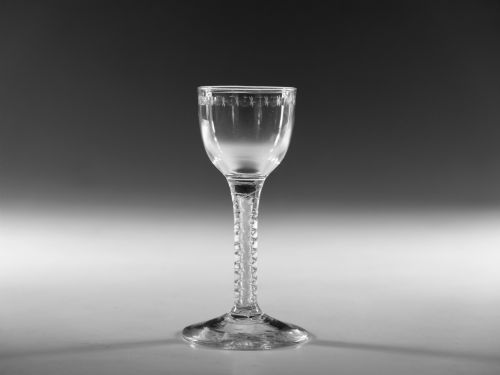


Antique Glass Cordial Stemware
These antique glass cordial stemware pieces are small drinking vessels from past centuries shaped to hold concentrated spirits.
Antique Glass Cordial Stemware
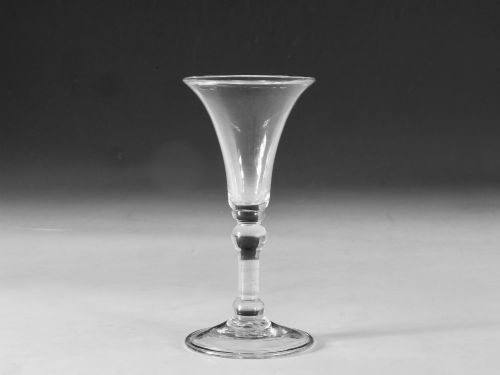
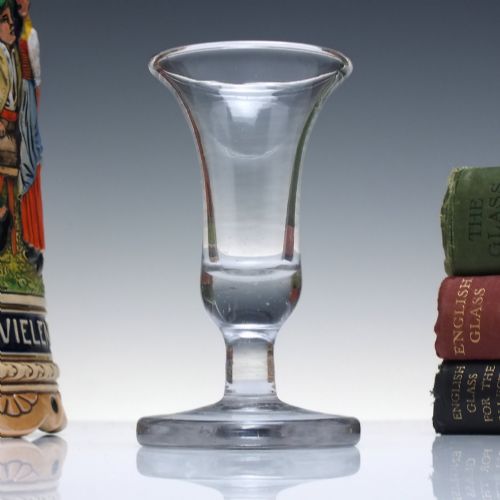
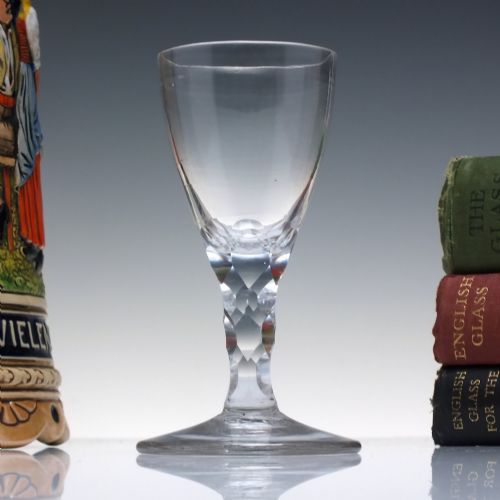
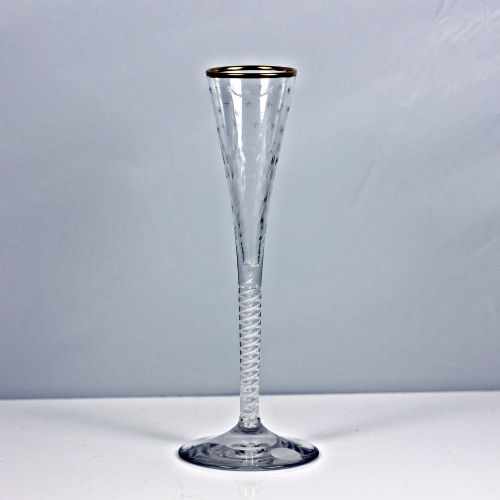
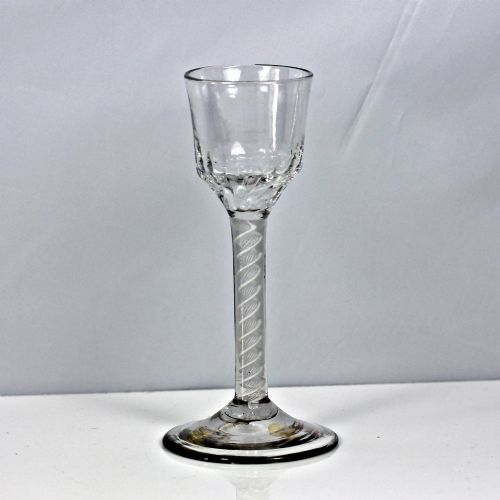
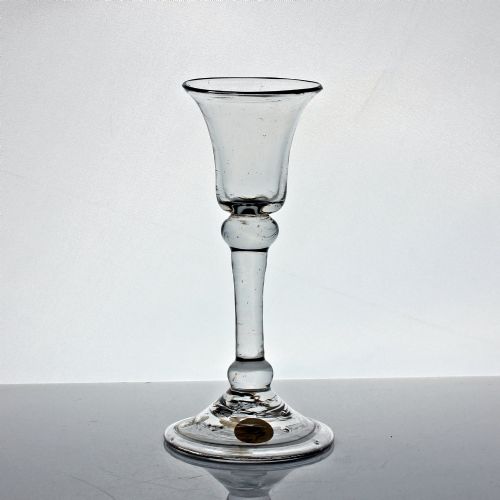
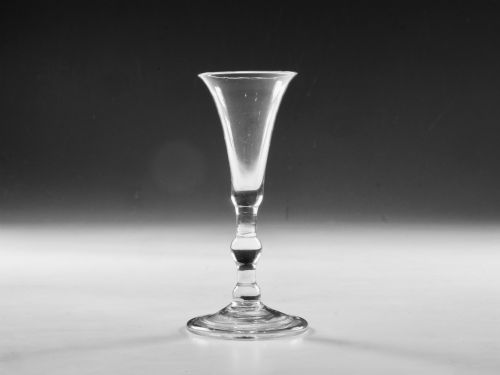
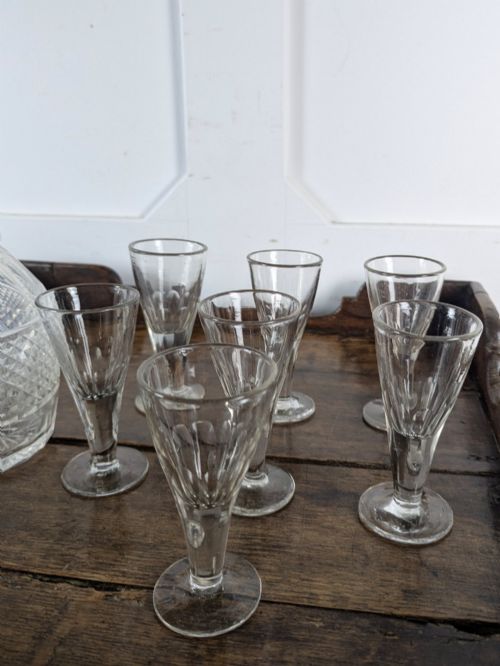
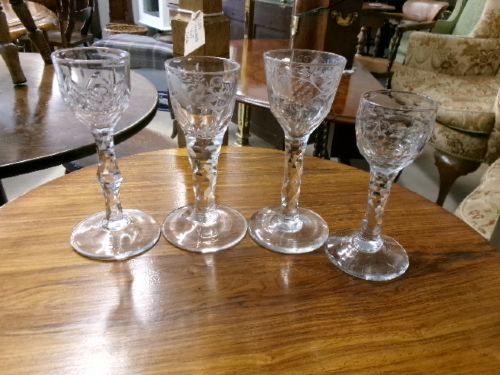
Forms range from early baluster and balustroid dram glasses to opaque twists, air twists, and facet-stemmed glasses. You also find sherry flutes, liqueur glasses, and toastmaster glasses among the items.
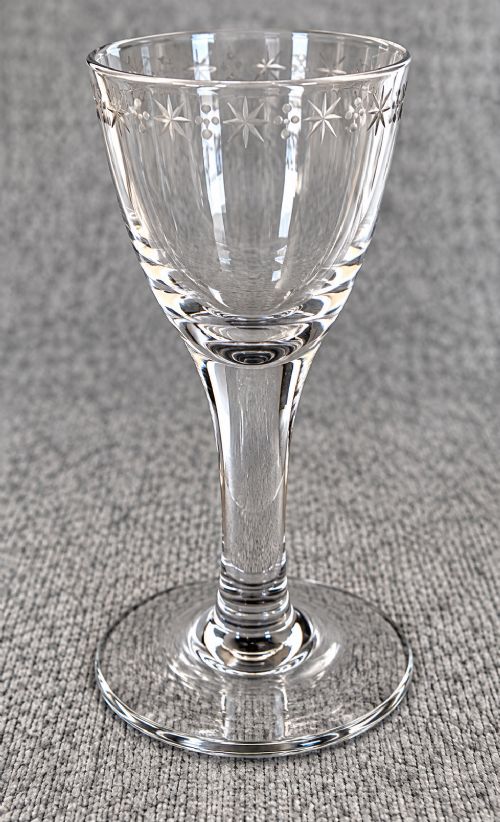
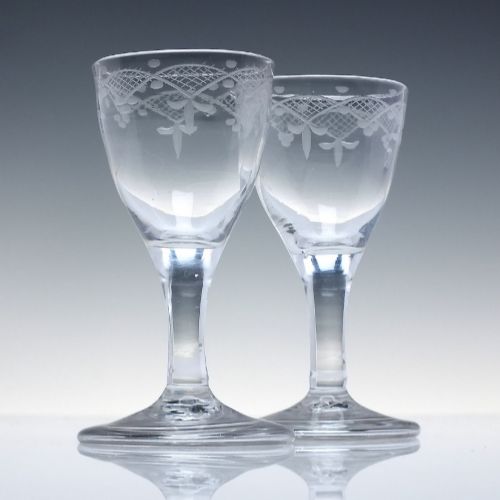
Most pieces hail from the Georgian period, often displaying folded feet, basal bubbles, and engraved or enamelled decoration on clear lead glass.
How they were made
Maker operations utilised lead glass, clear glass, and flint glass, shaped through hand blowing and rib moulding. Molten metal was manipulated to form sturdy stems and wide foot bases.
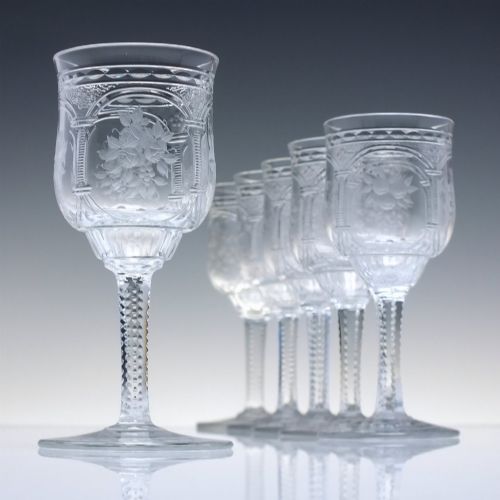
Intricate stem designs required specialist skill, incorporating air twists, mercury twists, and opaque white enamel threads spun inside the glass. Surface detail was added through wheel engraving, etching, and hand enamelling.
Antique Glass Cordial Stemware Retail Price Guide 2026
Typical asking prices for glass cordial stemware among the pieces listed under this phrase on Sellingantiques today, from the lower quarter to the upper quarter. They describe what is for sale here now, not the wider market.
The selection spans from the early 18th century through the Georgian and Victorian eras into the 1920s, employing lead crystal, enamel, and clear glass.
What varies in quality
Quality rests in the precision of the stem formation and the clarity of the metal. Fine air twists and double series opaque twists display an exactness and regularity that lesser examples lack.
Theresienthal
The Antique Glass Cordial Stemware Glossary
- Baluster
- A heavy, thick stem style popular in early glass, often featuring knops and swelling shapes.
- Air twist
- A stem containing spiral channels of trapped air created during manufacture.
- Opaque twist
- A stem featuring white or coloured enamel threads twisted within the clear glass.
- Folded foot
- A base with the outer rim doubled under to add weight and strength to the glass.
- Ratafia glass
- A tall, narrow glass designed for drinking sweet fruit cordials and liqueurs.
Antique Glass Cordial Stemware: Frequently Asked Questions
What were cordial glasses used for?
These small glasses were utilised for serving strong spirits, cordials, and liqueurs after dining. Their modest capacity matched the potent nature of the drinks served.
Because spirits were expensive and potent, the small bowl size encouraged slow sipping rather than large draughts.
How do I date an 18th-century glass?
Dating relies on observing form, stem construction, and foot characteristics. Early pieces often feature heavy baluster stems and folded feet.
Later decades introduced air twists, opaque twists, and finally cut or facet stems towards the end of the century.
What is an air twist stem?
An air twist is a stem formation where elongated air bubbles are drawn into a spiral thread inside the glass. Makers achieved this by piercing hot metal and twisting the glass rod as it was pulled.
This technique produced delicate internal patterns that caught the light without relying on surface cutting.
How should I clean antique stemware?
Wash antique glass gently by hand in warm water using a mild detergent. Avoid sudden temperature changes to prevent cracking the old metal.
Dry and polish the glass with a soft lint-free cloth to maintain clarity.