


Antique Giltwood Light Fixture
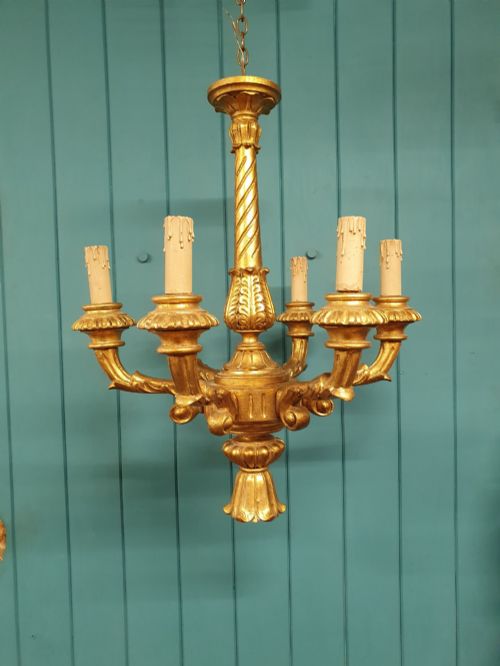
An antique giltwood light fixture brings the warmth of carved gold leaf and gesso into a room, spanning styles from Florentine Baroque to Edwardian elegance.
Antique Giltwood Light Fixture
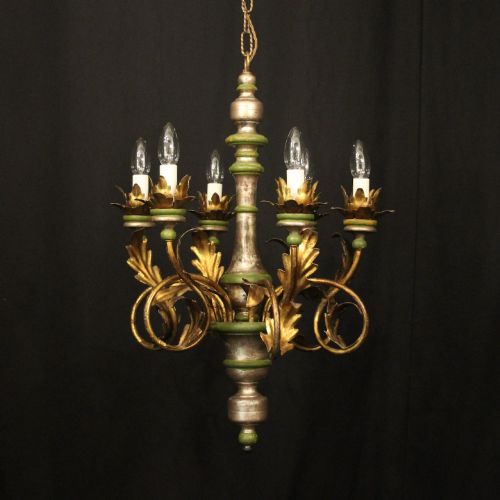
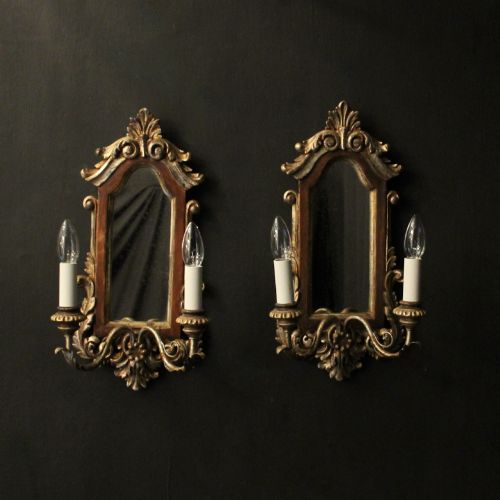
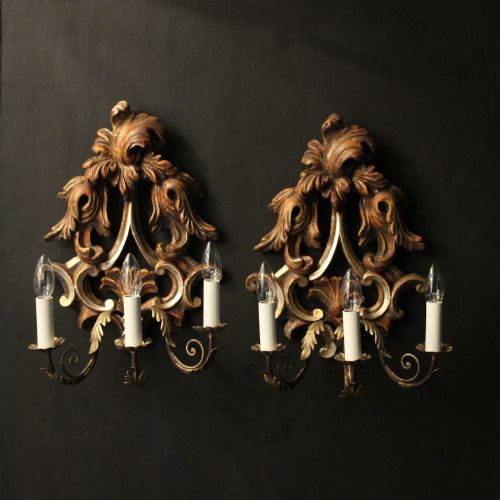
When you search for an antique giltwood light fixture, you encounter a selection of chandeliers, wall lights, wall sconces, girandoles, and hanging lanterns. The pieces on this page draw heavily from Italian workshops, particularly Florentine designs alongside French chateau and Victorian interpretations.
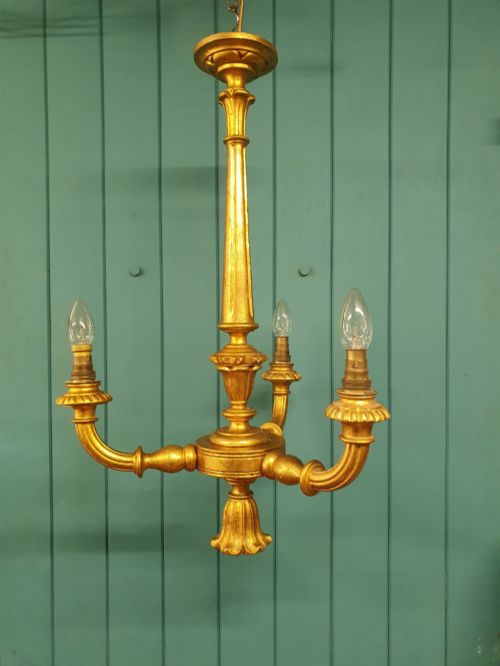
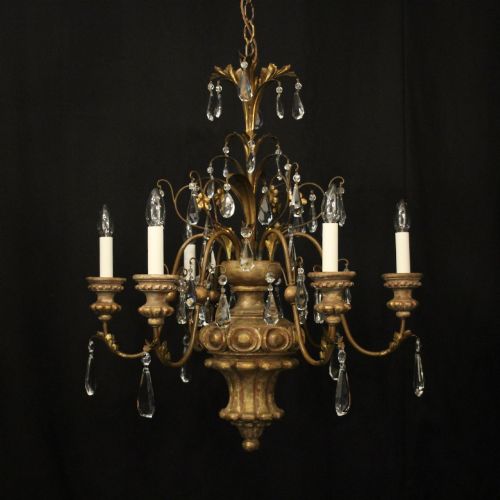
You are most likely to meet multi-armed chandeliers and matched pairs of wall lights dating from the early twentieth century, such as nineteen-thirty and nineteen-twenty, alongside nineteenth-century and eighteenth-century examples. These fixtures range from simple three-arm arrangements up to six-light configurations designed for prominent spaces.
The aesthetic vocabulary leans toward Florentine Baroque and Rococo curves, Italian neoclassical revival balance, and occasional ebonised contrasts. Whether taking the form of a hanging lantern or a twin-arm girandole, each item uses gilded surfaces to catch and multiply ambient illumination.
How they were made
Carved wood provides the foundational structure for these light fixtures, often shaped into intricate acanthus scrolls, arms, and backplates. Over this wooden core, artisans applied layers of gesso to create a smooth, responsive ground for subsequent decoration.
Gold leaf and paint complete the surface treatment, imparting the characteristic metallic glow associated with giltwood. Metal components, glass elements, and fabric details occasionally integrate with the carved wooden body to support the lighting mechanics.
The listings show periods ranging from the eighteenth century through to nineteen-thirty, with materials spanning carved wood, gesso, gold leaf, metal, and glass.
What varies in quality
The depth and crispness of the hand-carved ornamentation separate standard decorative pieces from exceptional works. Finer carvings exhibit sharp undercut details in the wood and gesso, whereas lesser examples rely on softer, shallower moulding.
The application and retention of the gold leaf also distinguish the range. Superior surfaces display a rich, nuanced patina developed over centuries, while simpler variations show more uniform or later repainting.
The Antique Giltwood Light Fixture Glossary
- Giltwood
- Wood that has been coated with thin sheets of gold leaf over a prepared gesso ground. This technique creates a luminous surface that reflects candle or electric light.
- Gesso
- A plaster-like mixture applied to wood to form a smooth base for gilding and carving. It allows artisans to sculpt fine details before applying gold leaf.
- Girandole
- An ornamental wall-mounted light fixture featuring a mirror or reflective backplate. The reflective surface multiplies the illumination of the attached candle arms.
- Toleware
- Painted sheet metal objects that sometimes accompany or form parts of light fixtures. They add contrasting colour and texture alongside wooden elements.
Antique Giltwood Light Fixture: Frequently Asked Questions
How do I clean an antique giltwood light fixture?
Dust the carved surfaces very gently using a soft, dry brush or feather duster.
Avoid using water, chemical cleaners, or abrasive cloths, as moisture and harsh rubbing can damage fragile gold leaf and gesso layers.
Can these fixtures be used with modern electric bulbs?
Many pieces have been adapted over time to house electrical wiring rather than candles.
An electrician can inspect the internal fittings to ensure they meet current safety standards while preserving the historic exterior.
What rooms suit a giltwood chandelier best?
Multi-armed chandeliers suit principal reception rooms, dining areas, or high-ceilinged entrance halls where they serve as a focal point.
Their reflective gilded surfaces help brighten darker spaces by bouncing available light around the room.
How do I tell an 18th-century piece from a 20th-century revival?
Eighteenth-century items typically show deeper tool marks, heavier wood shrinkage, and a denser accumulation of historic patination.
Twentieth-century revivals, including Florentine pieces from nineteen-thirty, often display more uniform construction methods and lighter timber cores.