


Gold Carved Pendant Light
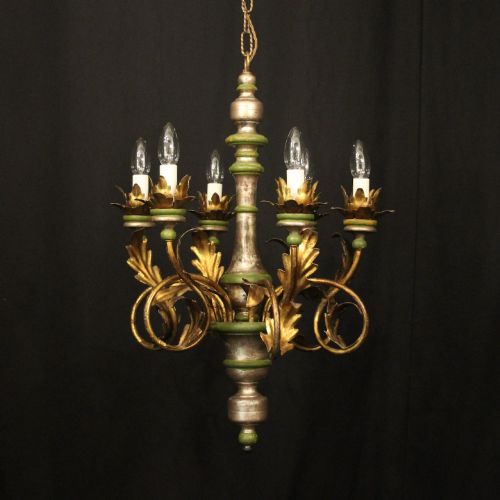
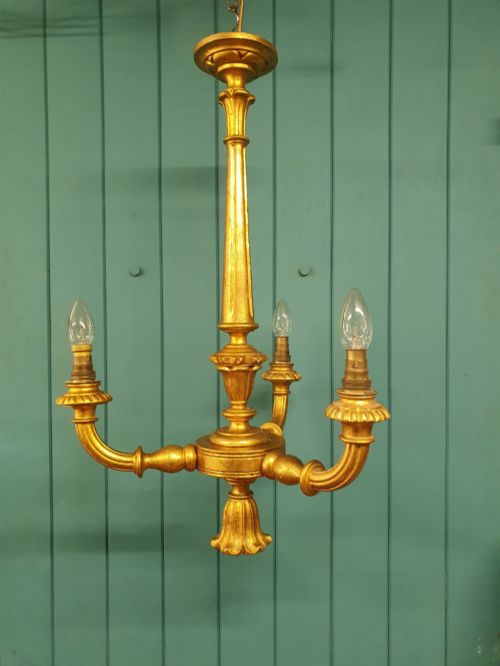
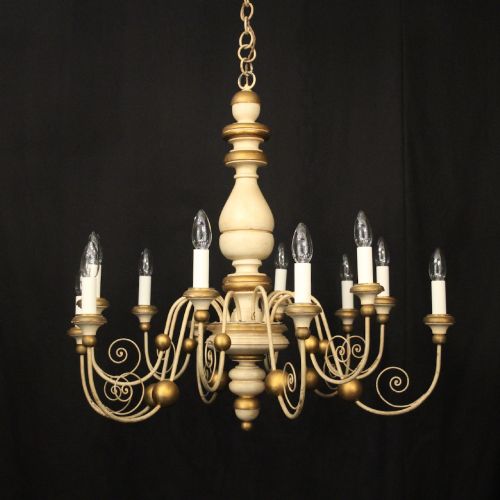
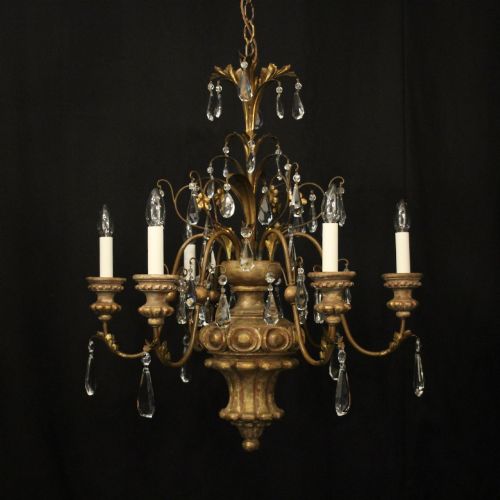
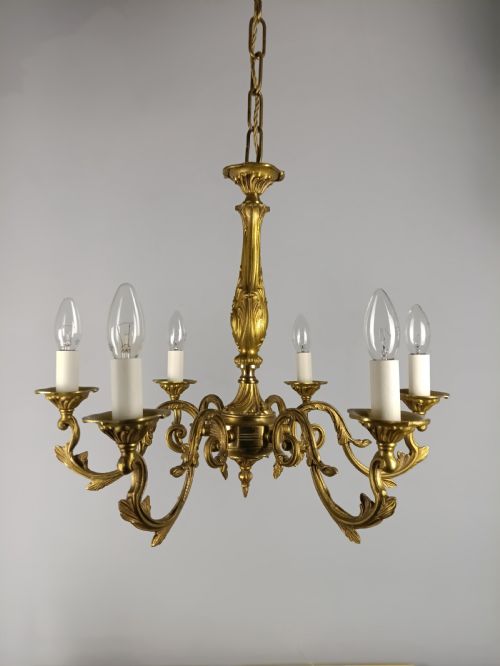
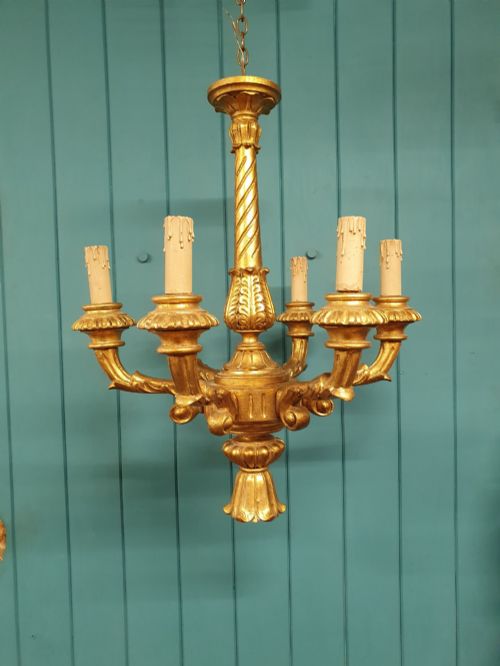
These gold carved pendant light options bring together giltwood, carved timber, and gilded metal to illuminate a room with classic warmth.
Gold Carved Pendant Light
The Florentine and Venetian Baroque styles dominate the selection, featuring intricate carved wooden frameworks covered in gold leaf or polychrome paint. You will also find French chateau designs and Edwardian brass iterations that bring a different visual weight to interior spaces.
How they were made
Artisans built the wooden structures of these fixtures from timber before applying layers of gesso to create smooth surfaces for carving. Gilders then laid gold leaf over the prepared ground, often burnishing specific areas to create contrast against matte sections.
Metal variations involve pierced brass work and wrought iron frames, sometimes paired with toleware components. Paint and polychrome finishes appear alongside the gold leaf to accentuate the depth of the carved foliage and scrollwork.
Several chandeliers come with enough lights to make a small Tuscan palazzo look modest.
What varies in quality
The depth and crispness of the wood carving separate standard fixtures from exceptional examples, as skilled carvers achieved naturalistic movement in acanthus leaves and scrolls. The preservation of the original gold leaf and gesso layer dictates the surface integrity of older pieces.
Construction methods also differ in how securely the arms and wiring channels integrate into the main carved body. Heavier multi-light chandeliers required robust internal iron bracing to support the weight of the timber and metal components.
The Gold Carved Pendant Light Glossary
- Giltwood
- Wood that has been coated with gold leaf or gold paint. This technique creates a luminous surface finish characteristic of antique lighting fixtures.
- Gesso
- A plaster mixture applied to wood surfaces as a base for carving and gilding. It provides a smooth ground that holds fine detail.
- Toleware
- Enamelled or lacquered metalware used in decorative arts. It frequently appears in coloured accents on Italian and French lanterns.
- Polychrome
- The practice of decorating surfaces in multiple colours. Artisans used this alongside gilding to highlight specific floral and architectural motifs.
- Wrought iron
- Iron beaten into shape by hand with tools. It provides structural strength for heavier hanging lanterns and chandeliers.
Gold Carved Pendant Light: Frequently Asked Questions
How do I hang a heavy carved chandelier?
These fixtures require secure ceiling joist fixings or dedicated steel anchor points due to the substantial weight of the timber and metal components.
Consult a qualified electrician to ensure the ceiling wiring and suspension chains can safely support the specific weight of your chosen piece.
How do I clean antique giltwood?
Dust the carved surfaces gently with a soft dry brush to prevent accumulation in the recesses of the gesso and gold leaf.
Avoid using water, chemical sprays, or abrasive cloths, as these substances will damage the delicate gilded surface over time.
What rooms suit a giltwood pendant light?
These ornate fixtures suit high-ceilinged reception rooms, dining areas, and entrance halls where their scale and reflective gold surfaces can command the space.
They also provide a warm focal point in traditional studies or bedrooms when balanced with complementary antique furnishings.
How do I identify a Florentine chandelier?
Florentine pieces typically feature dense carved wooden scrollwork, acanthus leaf motifs, and extensive giltwood finishes built around multiple light arms.
Many examples incorporate polychrome details or dark contrasting grounds that emphasise the ornate Italian Baroque styling.