
Antique Gilt Wall Art
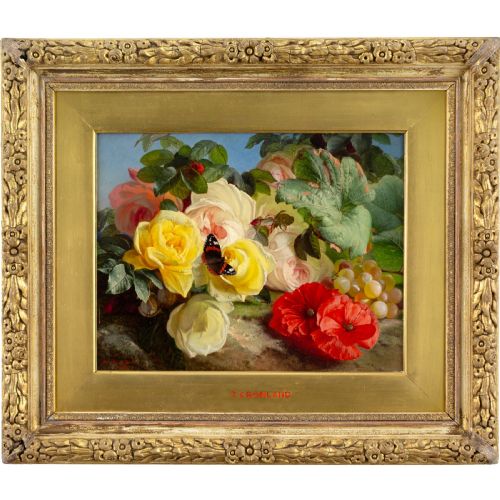
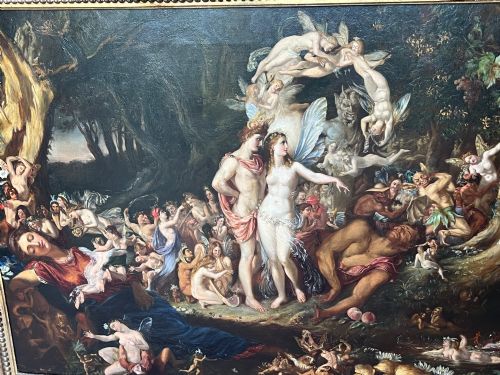
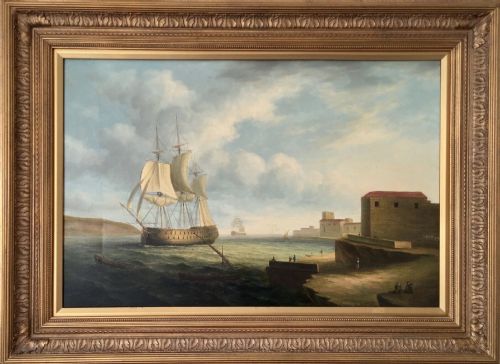
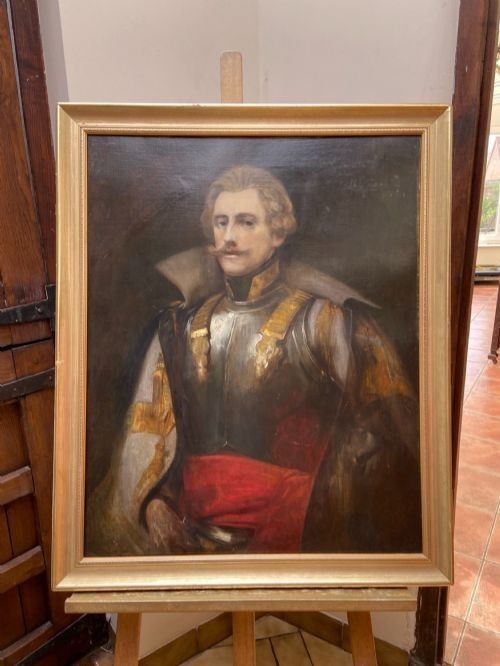
Antique gilt wall art encompasses centuries of framed paintings, prints and decorative objects united by reflective metallic surrounds and historic provenance.
Antique Gilt Wall Art
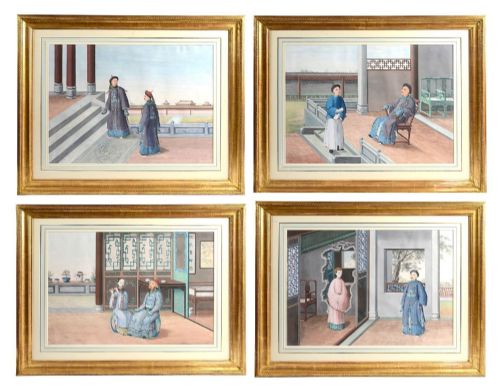
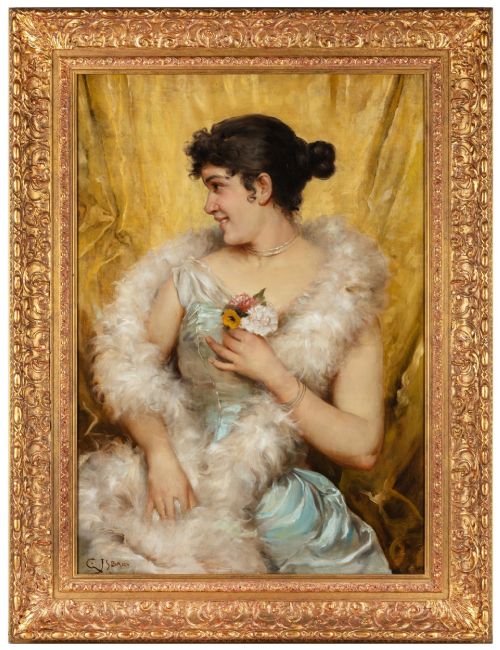
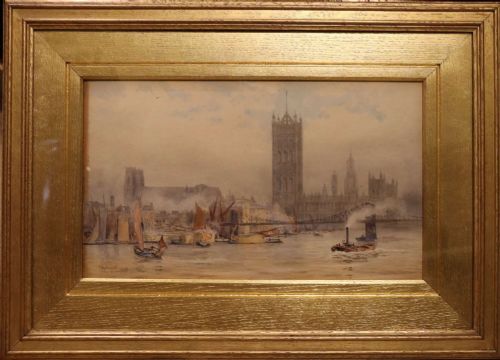
Antique gilt wall art spans diverse media, including oil paintings on canvas, delicate watercolours, pastels, engravings and gilt bronze clock cases or mirrors designed for interior display.
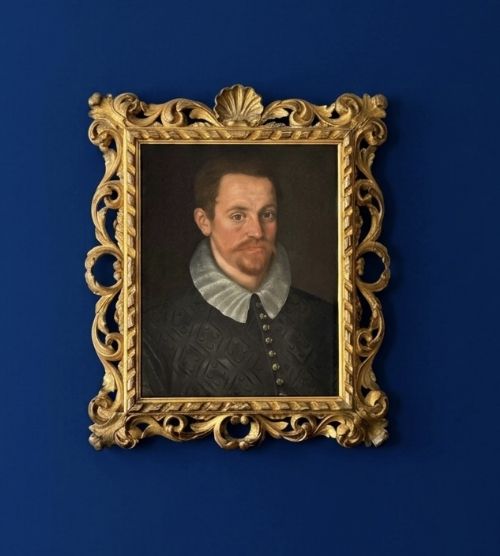
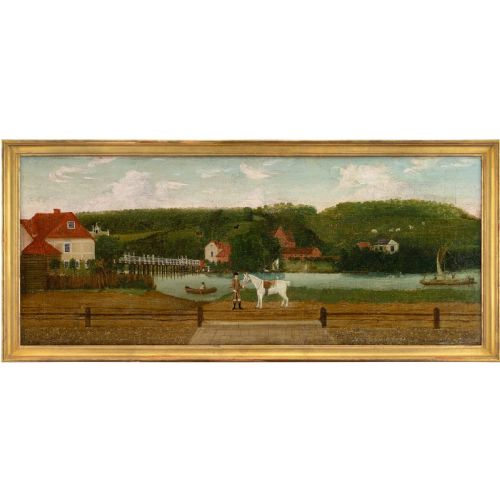
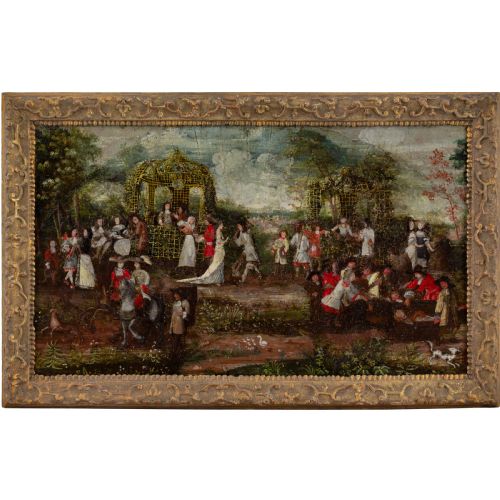
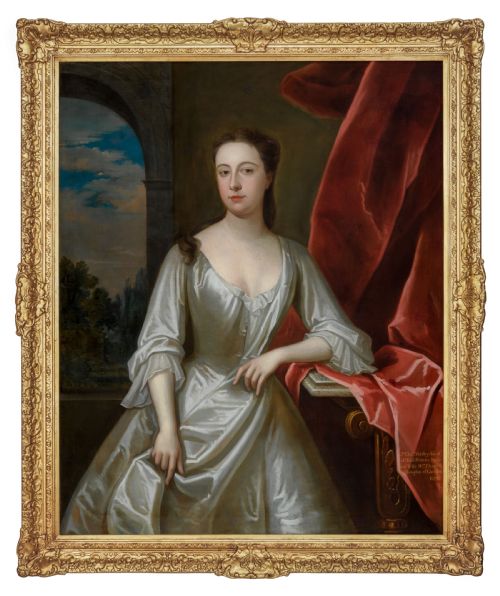
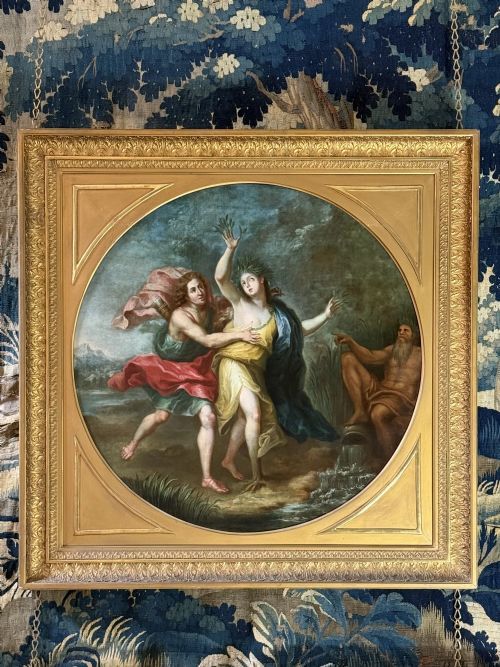
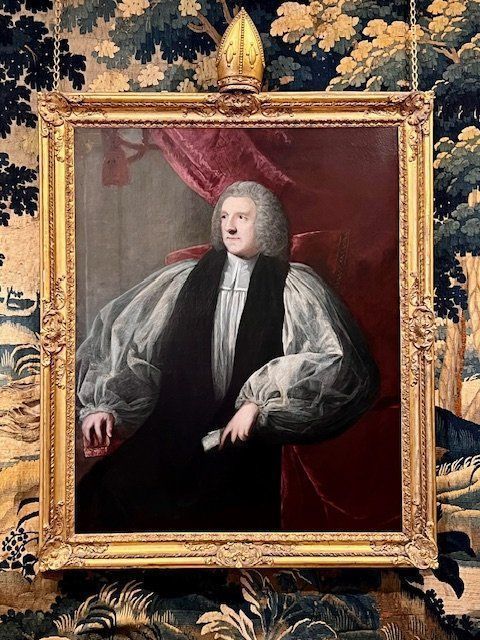
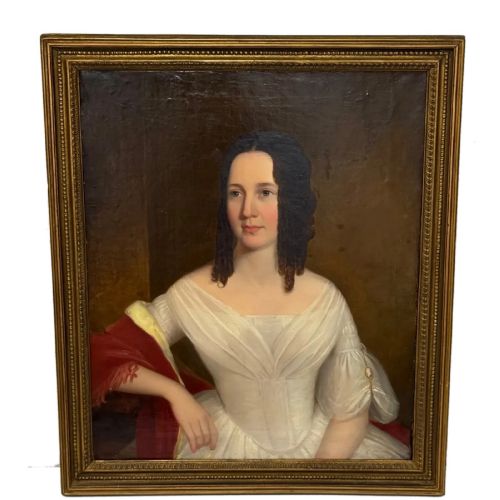
The selection ranges from seventeenth-century portraits of noblewomen and classical oil scenes to nineteenth-century landscapes, Edwardian watercolours and mid-century life drawings.
Materials and construction methods
Makers utilised wood, canvas, paper and glass as foundational supports for oils, watercolours, mezzotints and stipple engravings.
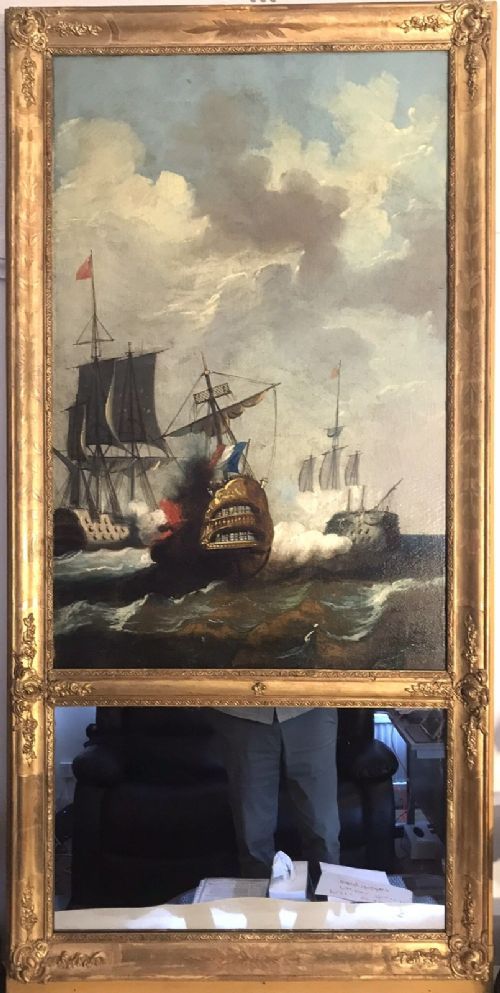
Frames and decorative mounts incorporated gilt wood, gold leaf and gilt bronze, applying thin metallic layers over wooden substrates or cast metal foundations.
Artisans employed traditional techniques such as hand colouring, oil painting, engraving and bronze casting across seventeenth, eighteenth and nineteenth-century workshops.
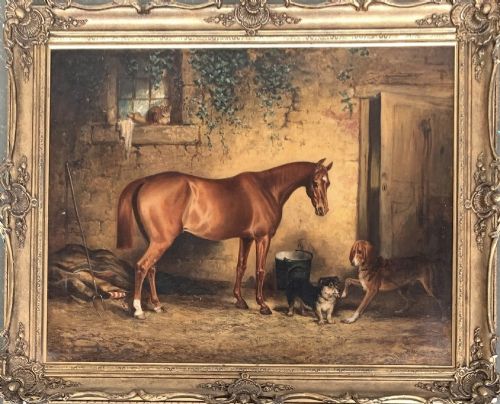
Canines make an appearance alongside nobility, proving that historical portraiture also reserved space for a favoured dog on board.
Assessing quality in historical pieces
Quality rests upon the execution of the primary artwork, distinguishing skilled academic portraits and detailed landscape studies from simpler decorative prints.
The integrity and application of the original gilding on the surrounding frame or bronze mount heavily influence the visual impact and historical preservation.
Provenance and attribution to documented artists or established schools elevate individual pieces above anonymous works from the same period.
Sir Godfrey Kneller·Charles-Antoine Coypel·Sir Joshua Reynolds·Richard Sebastian Bond·Francesco Bartolozzi·Japy Freres·Samuel Marti
The Antique Gilt Wall Art Glossary
- Giltwood
- Wood that has been treated with gold leaf or metallic powder to create a reflective golden surface. This finish defines the aesthetic of many period frames.
- Mezzotint
- A printmaking process of the intaglio family where the plate is roughened to achieve rich tonal gradations. It was frequently used for reproducing portraits.
- Stipple engraving
- A technique using dots to create tonal shadows and forms rather than continuous lines. It appears in eighteenth-century reproductive prints.
- Intaglio
- A design incised into a hard material such as stone or metal. Classical examples appear in nineteenth-century Grand Tour collections.
- Cartel clock
- A wall-mounted clock housed in an ornate, symmetrical or asymmetrical metal case. These decorative timepieces often feature gilt bronze.
Antique Gilt Wall Art: Frequently Asked Questions
What periods do these pieces represent?
The inventory spans from the seventeenth century through the Georgian, Regency and Victorian eras into the twentieth century. Examples include works from the seventeen-hundreds alongside later pieces up to nineteen-sixty.
Each era brings distinct stylistic attributes, from seventeenth-century oil portraits to nineteenth-century landscapes and mid-century drawings.
How should I care for antique frames?
Keep gilded items away from direct sunlight and fluctuating humidity to protect the delicate gold leaf and wooden substrates. Dust gently with a soft, dry brush without applying liquid cleaners.
Proper environmental control prevents the metal leaf from tarnishing or flaking away from the underlying wood over time.
Are the frames original to the art?
Many pieces retain their period frames, such as antique giltwood surrounds or cast bronze housings matching the era of the artwork. Others have been paired with complementary historic frames over the course of their history.
Checking the mounting details helps determine whether the frame and artwork share a contemporaneous origin.
How do I distinguish an engraving from a painting?
Paintings utilise applied pigments such as oil or watercolour on canvas, panel or paper, showing visible brushwork and texture. Engravings are printed impressions on paper transferred from an etched or engraved metal plate.
Examining the surface closely under magnification reveals either pigment layers or inked printed lines.