



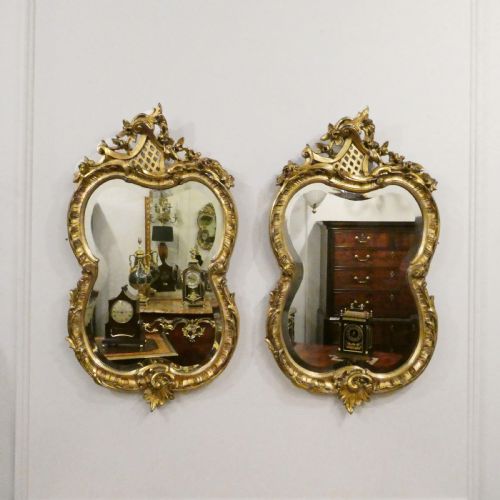
Antique Gilt Wall Accent
An antique gilt wall accent brings warmth and reflective depth to a room through carved timber, gesso, and gold leaf.
Antique Gilt Wall Accent
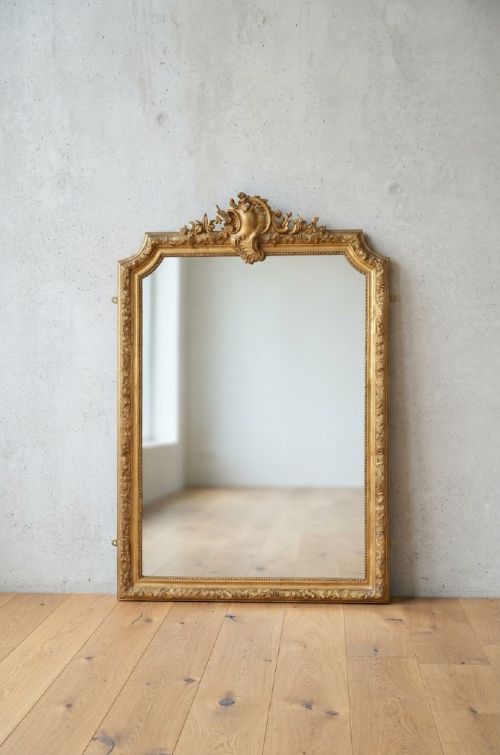
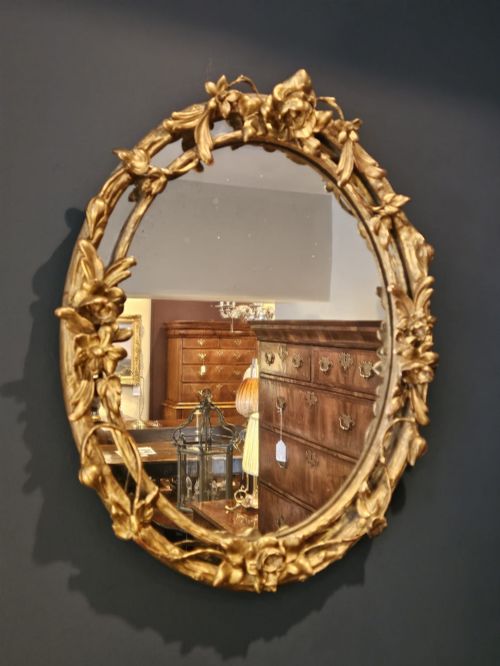
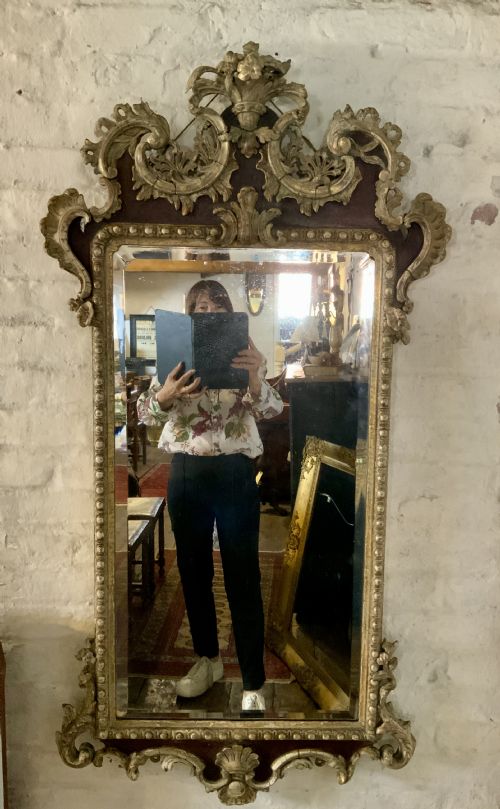
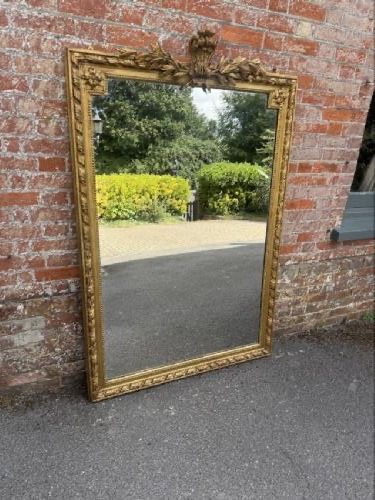
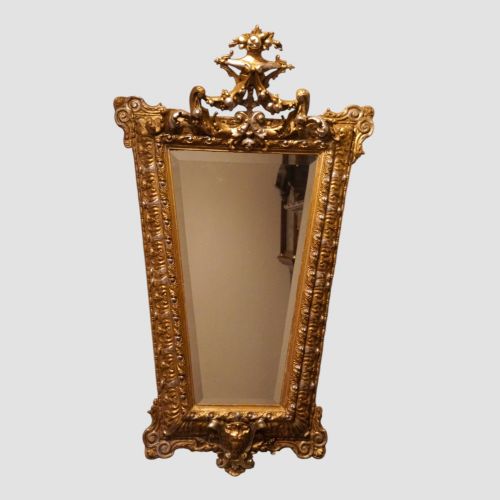
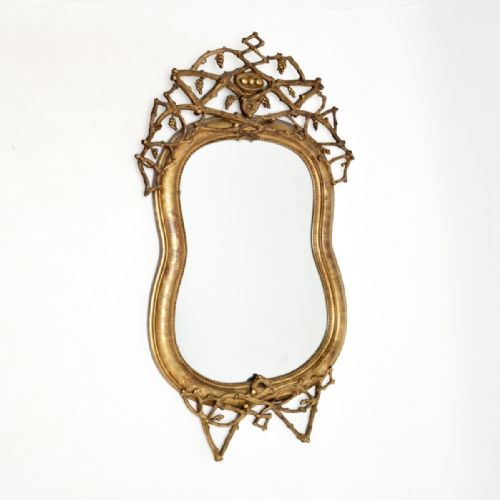
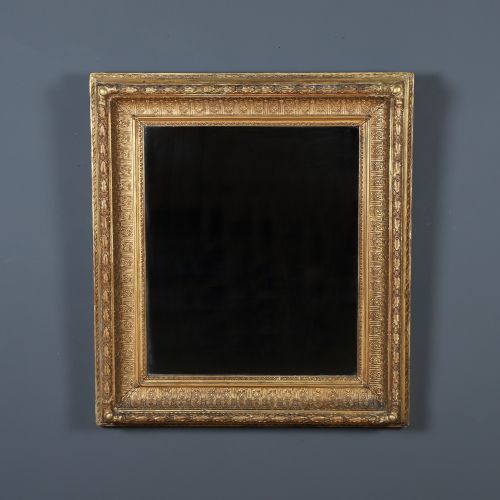
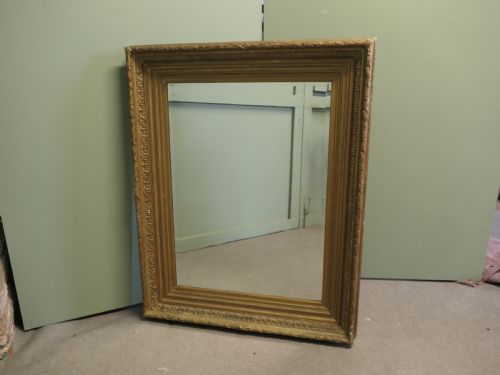
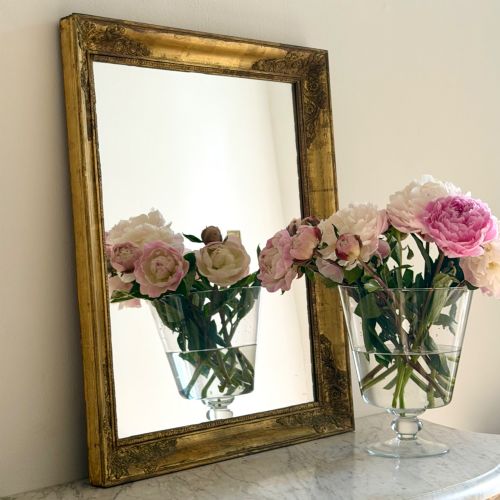
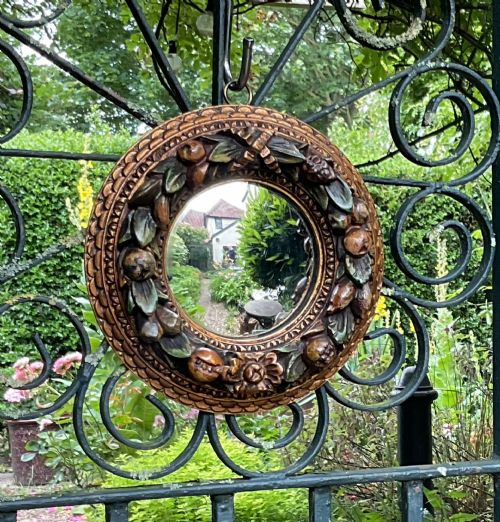
An antique gilt wall accent primarily takes the form of mirrors, including overmantels, pier mirrors, and convex frames designed to catch the light. These pieces span periods from the eighteenth century through the Victorian era and into the early twentieth century.
The selection encompasses diverse regional interpretations, from Italian Florentine carvings to French Rococo revival designs and English Georgian styles. Alongside wall mirrors, the category occasionally includes related giltwood side tables designed to complement a scheme.
How They Were Made
Carved wood provides the structural foundation for many frames, utilising timber such as mahogany, walnut, oak, or softer woods shaped by hand. Gesso is frequently applied over the carved wooden base to build up intricate relief details before gilding.
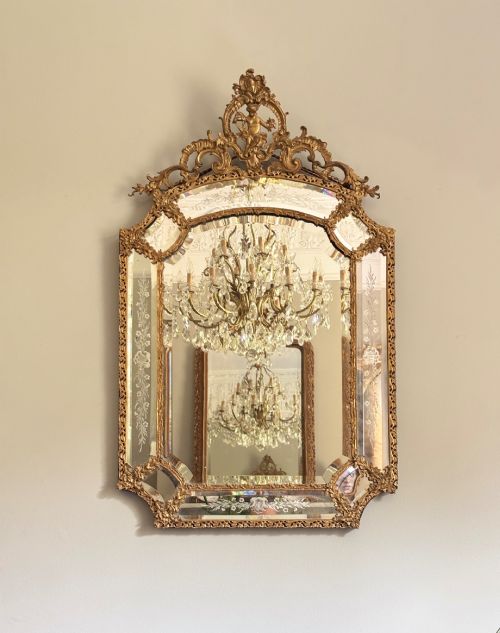
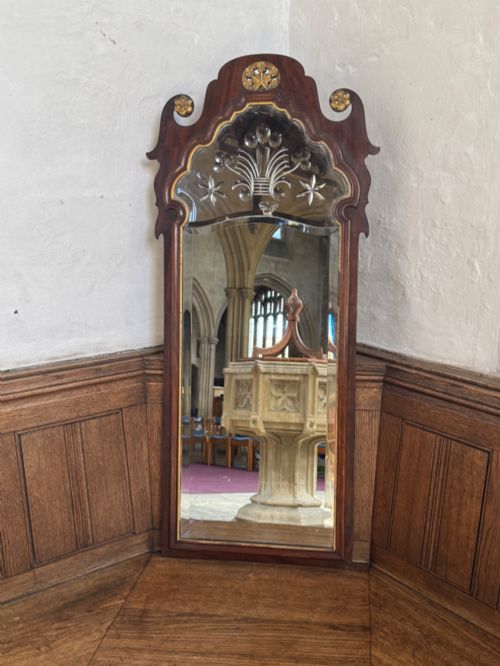
Gold leaf or silver-gilt is meticulously laid onto the prepared surface, sometimes complemented by reverse cut or engraved mirror plates that reflect the craftsmanship of the period.
Listings feature items spanning from the eighteenth century to the mid-twentieth century, predominantly utilising giltwood, gesso, and carved wood.
What Varies in Quality
The depth and crispness of the hand-carving dictate much of the visual impact, separating sharply defined foliage and scrolls from softer, shallower moulding. The quality of the original gilding and the preservation of the gesso layer beneath determine how light catches the surface.
The integrity of the glass plate itself, whether featuring original silvering, bevelising, or engraving, influences the character and authenticity of the piece.
John Belchier
The Antique Gilt Wall Accent Glossary
- Giltwood
- Timber that has been coated with gold leaf or a gold-coloured finish. This material forms the primary visual element for many ornate antique frames.
- Gesso
- A plaster-like mixture applied to wood frames to create a smooth surface for carving intricate details. It accepts the application of gold leaf effectively.
- Overmantel Mirror
- A large mirror traditionally hung above a fireplace mantel. These pieces often feature arched or rectangular formats suited to domestic interiors.
- Convex Mirror
- A round mirror with a curved glass plate that provides a wide-angle reflection of the room. They frequently appear in smaller proportions with detailed frames.
- Pier Mirror
- A tall, narrow mirror designed to hang on the wall space between windows. They often coordinate with side tables placed beneath them.
Antique Gilt Wall Accent: Frequently Asked Questions
How do I hang a heavy antique gilt mirror safely?
Heavy carved wood and gesso frames require secure wall fixings distributed evenly to support the weight safely. Using professional mirror brackets attached directly to wall studs ensures stability.
Take care to assess the wall material, whether lath and plaster or solid brick, before mounting any large overmantel or pier mirror.
Can I clean the original gold leaf surface?
Dusting gently with a dry, soft brush is the safest method for maintaining delicate gilt surfaces without causing abrasion. Avoid liquid cleaners and modern chemicals which can strip the gold leaf or damage the underlying gesso.
Professional restoration is recommended if the gilding begins to flake or separate from the wooden frame.
What rooms suit an antique gilt wall accent?
Living rooms and hallways benefit from the reflective quality of gilt mirrors, which help to amplify natural light and create a sense of space. Dining rooms also accommodate large overmantel or pier mirrors effectively.
Matching the scale of the piece to the wall proportions ensures the accent complements the surrounding interior scheme.
How do I identify a Victorian piece from a Georgian one?
Georgian pieces often display restrained symmetry and precise carving associated with classical and Chippendale designs. Victorian examples frequently feature heavier proportions and more exuberant Rococo or Baroque revival ornamentation.
Examining the backboards, fixings, and construction techniques helps confirm the period of manufacture alongside stylistic cues.