




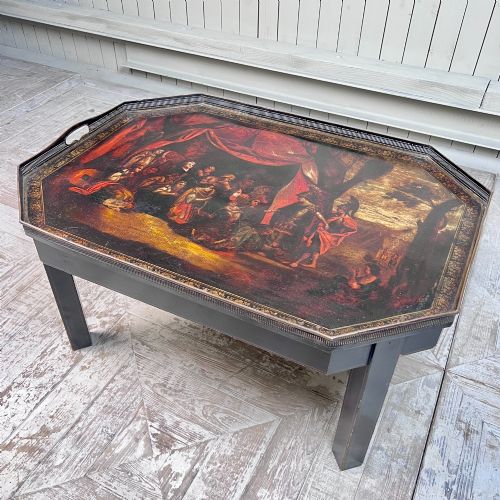
Antique Gilt Tray
An antique gilt tray brings metallic warmth and polished decorative surface to a room, serving as both a functional piece and a display focal point.
Antique Gilt Tray
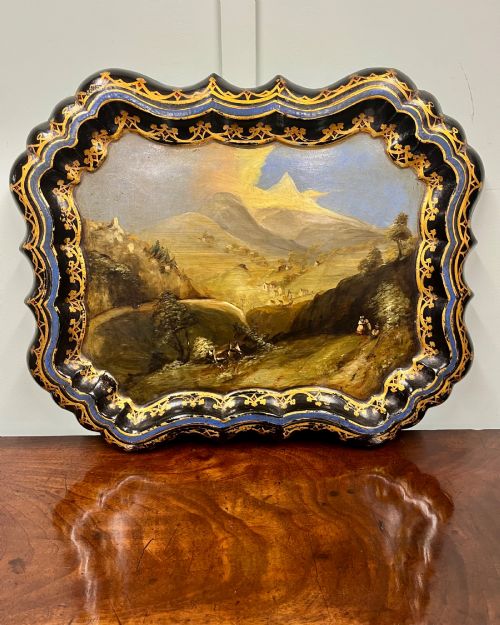
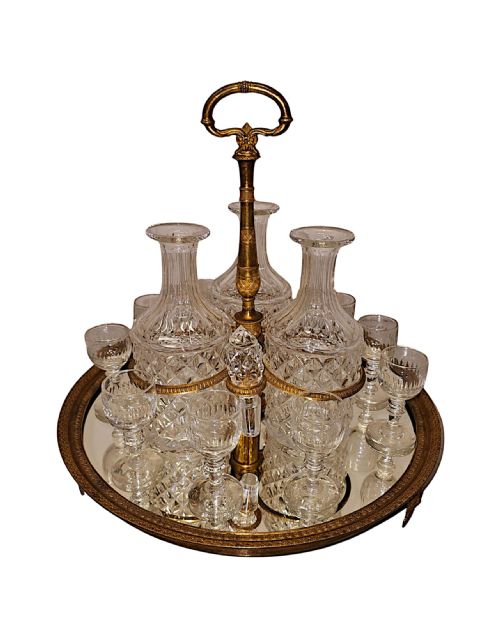
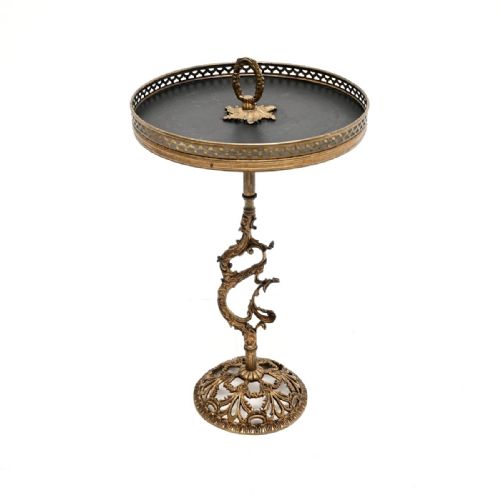
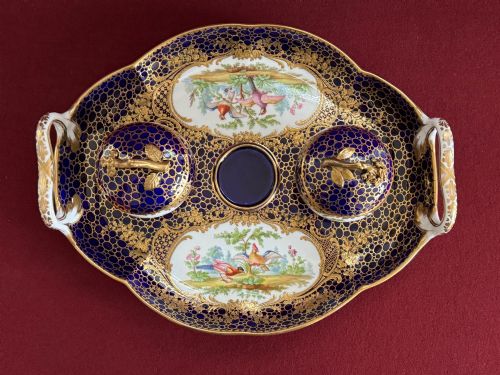
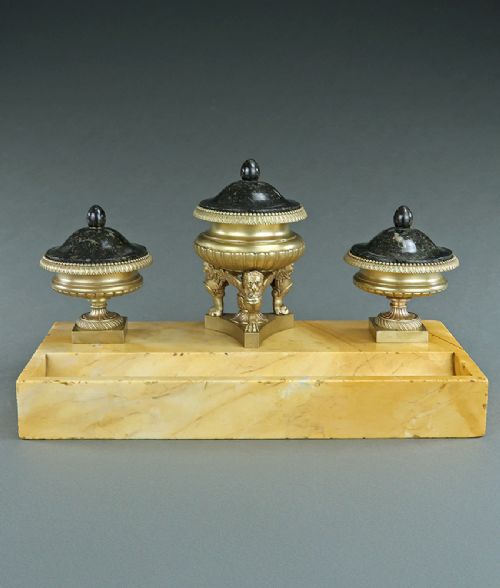
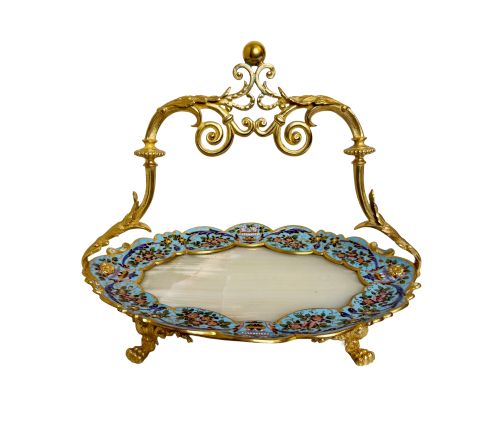
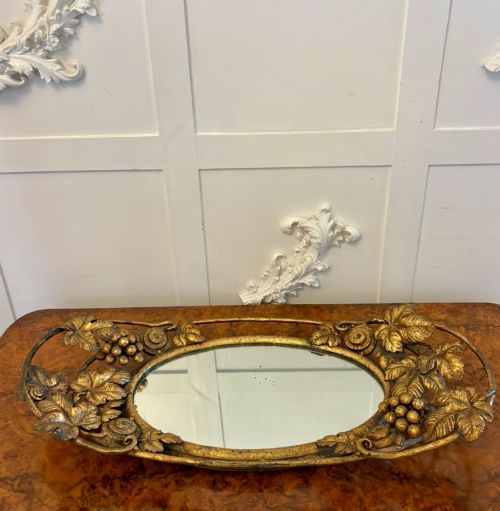
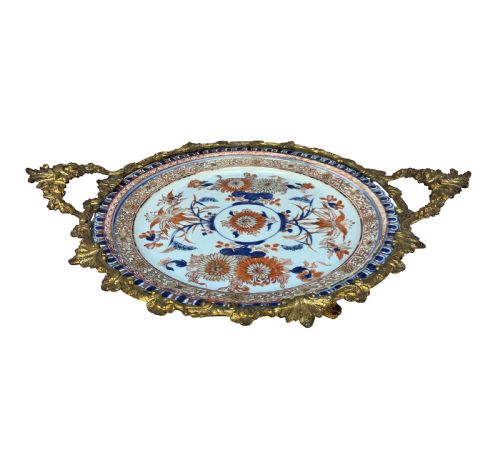
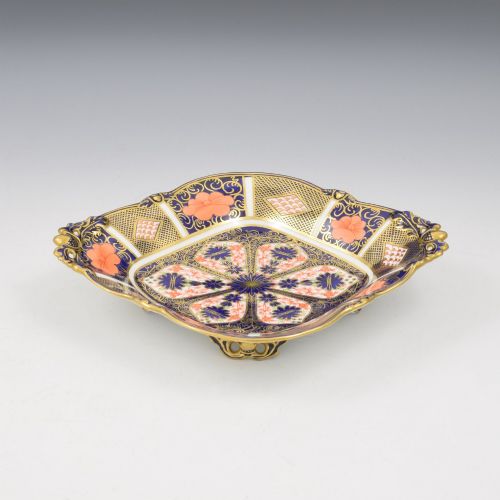
When you search for an antique gilt tray, you encounter items designed for serving drinks or displaying decorative objects, spanning periods from the Georgian era through to the Edwardian period. The materials commonly observed include papier-mâché, porcelain, toleware, and wood, often enhanced with gold leaf, gilt bronze, or ormolu mounts.
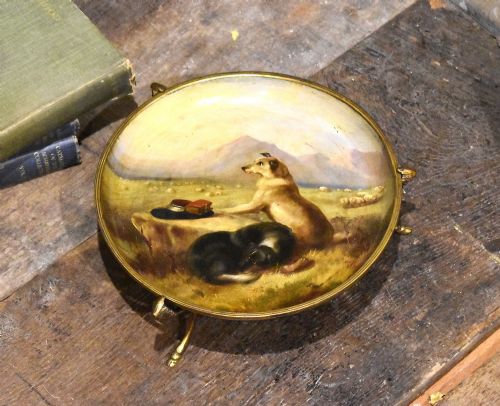
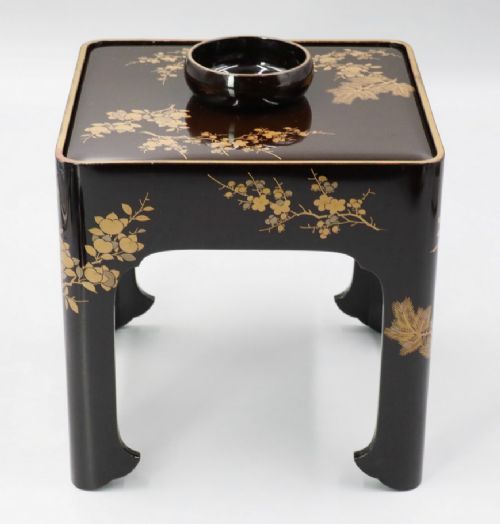
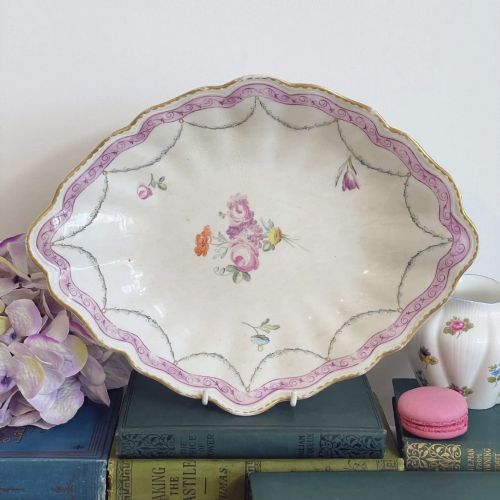
The versions most frequently met on this page include papier-mâché trays decorated with chinoiserie or floral motifs, sometimes adapted into coffee tables or occasional tables on stands. You also find porcelain dishes and serving trays featuring painted scenes and gilt highlights, alongside lacquered and enamelled pieces from various international traditions.
How they were made
Makers utilised papier-mâché built up from layers of paper and paste, which was then lacquered, japanned, and hand-painted before receiving gilding or ormolu mounts. This technique provided a lightweight yet durable base capable of holding intricate floral or figural designs.
Metal items relied on casting in bronze or brass, followed by mercury gilding or gold leaf application to create reflective surfaces, while ceramic trays combined porcelain bodies with hand-painted polychrome enamels and applied gilt edges.
Antique Gilt Tray Retail Price Guide 2026
Typical asking prices for gilt tray among the pieces listed under this phrase on Sellingantiques today, from the lower quarter to the upper quarter. They describe what is for sale here now, not the wider market.
Listings incorporate items spanning the Georgian, Victorian, and Edwardian periods, utilising materials such as porcelain, ormolu, and papier-mâché.
What varies in quality
The standard of a piece depends heavily on the precision of the hand-painted decoration and the crispness of the cast mounts, such as ormolu or champlevé enamel. Superior examples exhibit fine brushwork in motifs like birds or botanical scenes rather than stencilled repetitions.
The structural integrity of the base material also dictates value, where papier-mâché remains stable without warping, and gilt surfaces retain their original burnishing and depth of tone rather than flat modern paints.
Minton·Royal Crown Derby·Meissen·Royal Worcester·Royal Doulton
The Antique Gilt Tray Glossary
- Ormolu
- A gilded bronze or brass mount applied to decorative objects and furniture. It provides a bright metallic accent popular in French and English luxury goods.
- Papier-mâché
- A composite material made from paper pulp or reinforced paper sheets mixed with glue and oil, then pressed and dried. It forms a smooth, rigid surface suitable for lacquering and japanning.
- Toleware
- Enamelled or japanned sheet metal objects produced from the eighteenth century onwards. These items often feature hand-painted floral or classical scenes.
- Chinoiserie
- A European decorative style that reflects Chinese artistic influences. It incorporates motifs like pagodas, exotic birds, and figures into trays and furniture.
- Japanned
- A European imitation of East Asian lacquerwork achieved through successive coats of varnish and heat-curing. It creates a dark, glossy finish often decorated in gilt.
Antique Gilt Tray: Frequently Asked Questions
What is an antique gilt tray used for?
These pieces originally served beverages, carried glassware, or organised dressing table items. Today, many collectors use them to display glassware or mount them onto stands as low coffee tables.
Their decorative surfaces bring reflective light and colour to interior spaces without occupying significant floor space.
How do I clean an antique gilt surface?
Dust surfaces gently with a soft, dry ostrich feather duster or microfiber cloth. Avoid commercial liquid cleaners, abrasive pads, or water, which can lift fragile gold leaf or damage historic lacquer.
If deeper cleaning is required, consult a professional conservator to preserve the original gilding and underlying material.
How do I identify a papier-mâché tray?
Papier-mâché feels surprisingly light yet rigid, unlike wood or heavy cast metals. Examining the reverse or underside often reveals the dark japanned base or built-up layered construction characteristic of nineteenth-century production.
These surfaces frequently display fine craquelure in the lacquer layer due to age.
Can I use an antique tray daily?
Using these items for daily service requires caution to prevent moisture damage, scratching, or heat marks. Platters and trays finished with delicate gold leaf or hand-painted porcelain are best reserved for display.
Sturdier metal or lacquered versions handle occasional use if protected from direct contact with liquids.