
Antique Gilt Shelves
Antique gilt shelves bring a warm metallic sheen and practical display space to a room, drawing the eye with rich nineteenth-century craftsmanship.
Antique Gilt Shelves
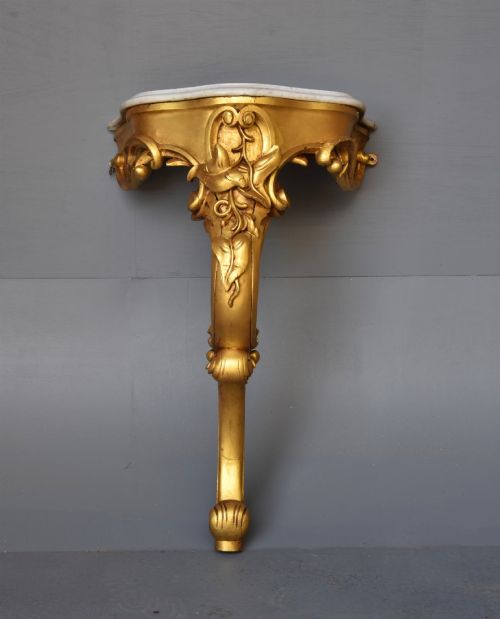
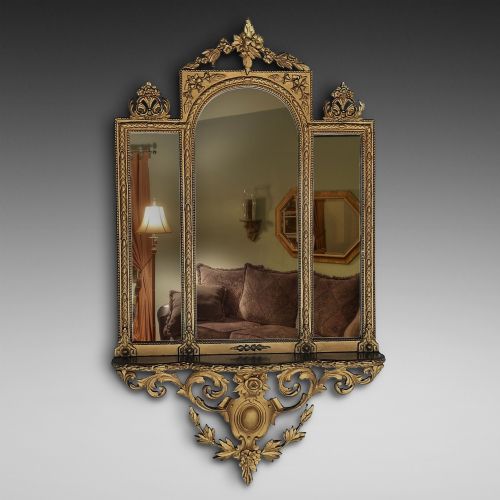
Antique gilt shelves encompass wall brackets, étagères, and corner shelves originating primarily from the nineteenth century, including Victorian and French Rococo Revival designs.
Buyers seeking antique gilt shelves encounter various forms designed for display, from carved wooden wall brackets to ebonised and parcel-gilded étagères.
How they were made
Makers utilised carved gesso and giltwood alongside ebonised timber to create structural support adorned with brilliant metallic finishes.
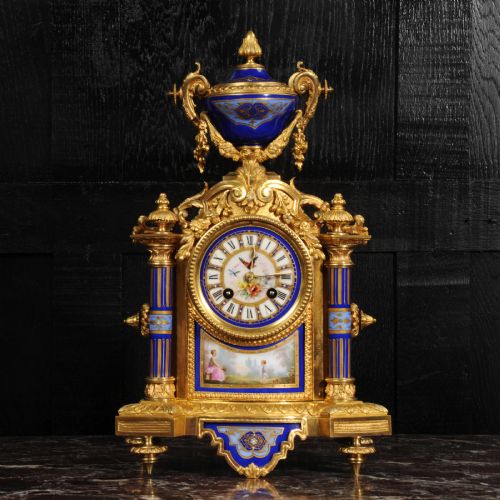
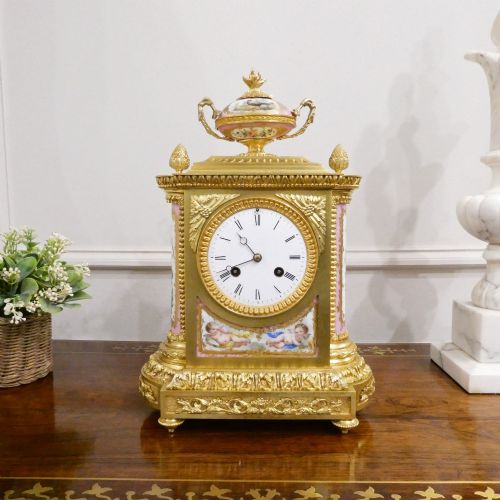
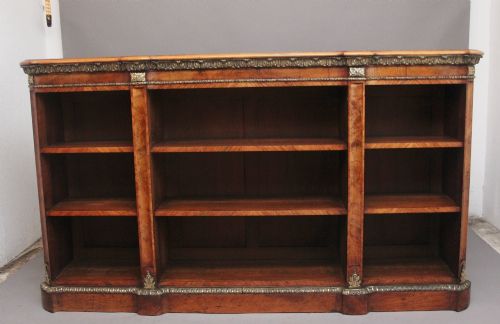
Ormolu and gilt bronze mounts provided decorative accents on furniture pieces, while brass and glass integrated into mirrors and shelving units.
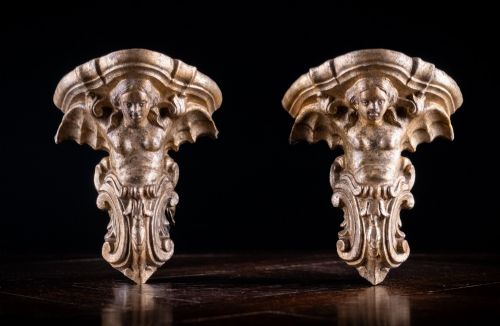
Some winged siren wall brackets demand attention with mythical charm, holding up shelves while seemingly poised for flight.
What varies in quality
The standard of carving and gilding sets exceptional pieces apart, distinguishing deeply sculpted gesso and crisp giltwood from flat or heavily repaired surfaces.
Finely executed mounts and well-preserved parcel-gilding indicate superior workshops, whereas lack of detail points to lower-tier production.
Johnstone And Jeanes·Achille Brocot·Henry Marc·Charles à Orléans·Samuel Marti·Howell And James·Gillows·Etienne Lenoir·Delettrez
The Antique Gilt Shelves Glossary
- Giltwood
- Wood that has been coated with gold leaf or a gold-coloured substance. This finish defines many decorative wall brackets and mirror frames.
- Ormolu
- Finely ground high-carat gold applied to a bronze base using mercury. This technique creates a rich golden glow on nineteenth-century mounts.
- Étagère
- A piece of furniture consisting of open shelves for displaying small objects. These tiered stands often feature ebonised and parcel-gilded surfaces.
- Gesso
- A plaster mix applied to wood as a base for gilding. Detailed moulding relies on the quality of this foundational layer.
Antique Gilt Shelves: Frequently Asked Questions
What are antique gilt shelves used for?
These pieces provide elevated display surfaces for small decorative objects, porcelain, or clocks. Their reflective metallic finishes add brightness to dark corners.
Historically, they served both functional storage and ornamental roles in nineteenth-century drawing rooms and parlours.
How do I date Victorian gilt shelves?
Dating relies on identifying stylistic markers such as French Rococo Revival curves or Aesthetic movement ebonised finishes. Construction methods and timber types further narrow down the decade.
Most examples date between eighteen-fifty and nineteen-hundred, corresponding to the Victorian and Napoleon III periods.
How should I clean giltwood shelves?
Dusting requires a very soft, dry brush to avoid disturbing the fragile gold leaf or gesso layers. Moisture and chemical cleaners must be avoided entirely.
Professional restoration is recommended for any flaking or damaged metallic surfaces.
Are wall brackets sturdy enough for heavy items?
These shelves are primarily designed for light decorative objects, figurines, or small clocks rather than heavy books. Wall fixings must be secured into solid masonry or studs.
Checking the structural integrity of the timber and joints ensures safe daily use.