

Antique Gilt Saucer
An antique gilt saucer brings gilded Regency elegance and Eighteenth-Century porcelain craftsmanship directly to the table.
Antique Gilt Saucer
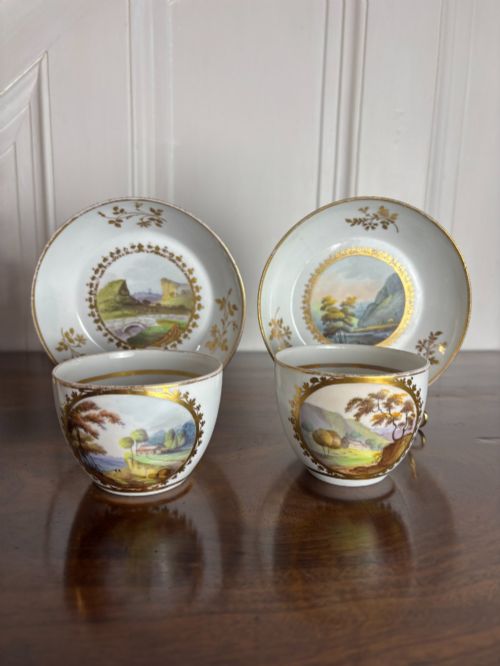
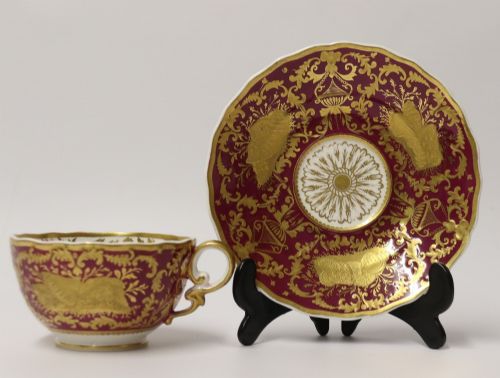
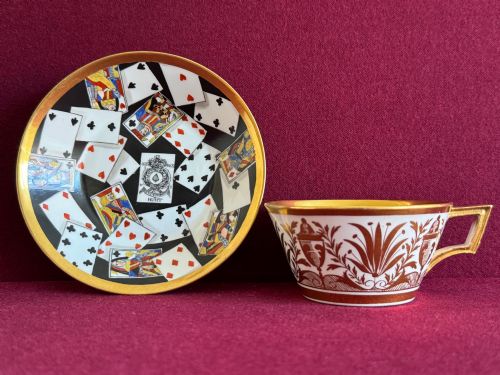
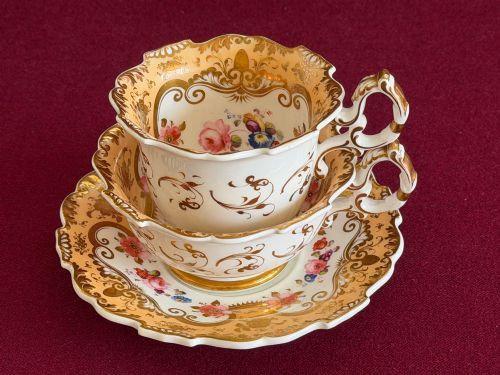
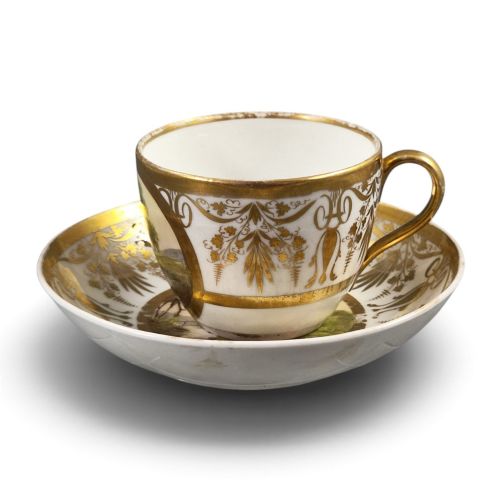
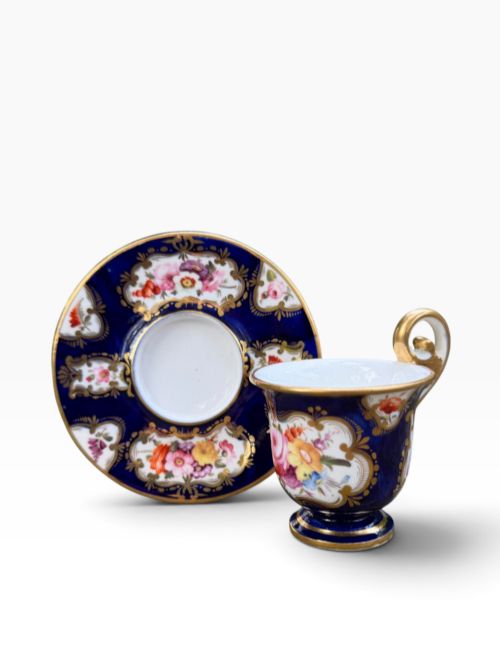
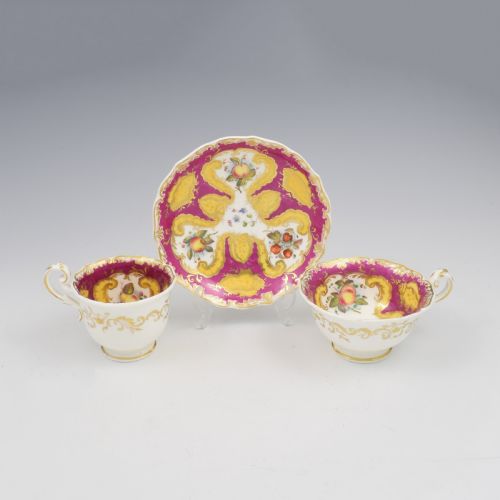
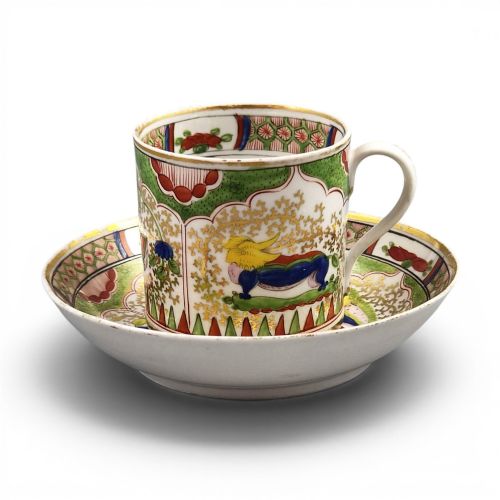
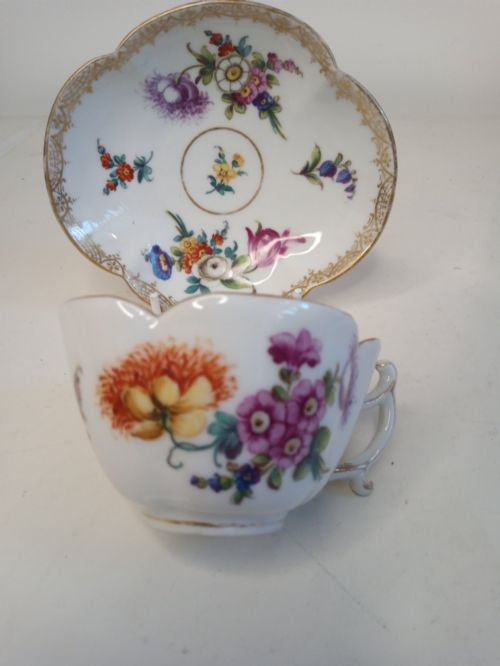
When searching for an antique gilt saucer, collectors encounter pieces originating primarily from Georgian, Regency, and Nineteenth-Century periods, often found alongside matching cups or as part of larger tea services.
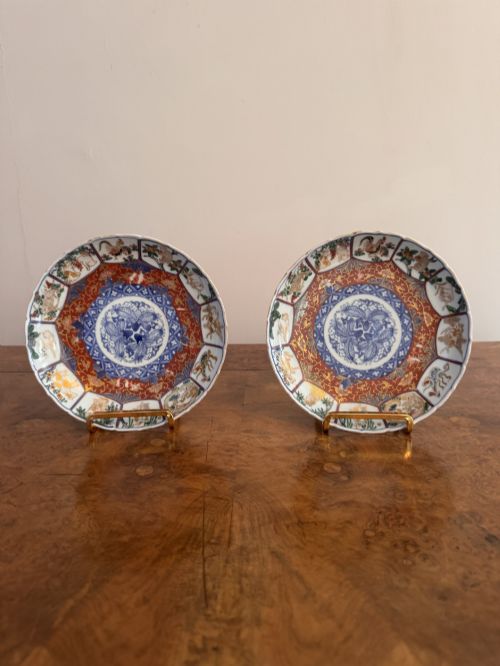
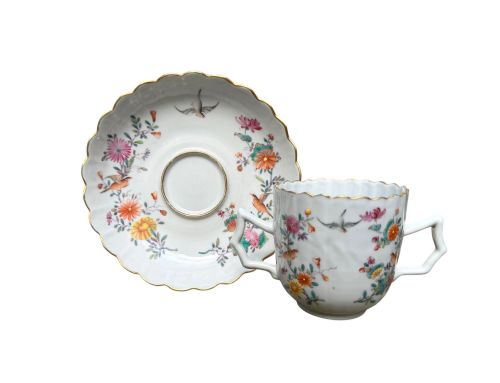
The most common versions met on this page include English factory porcelain from Worcester, Coalport, and Spode, alongside continental European and Chinese Export wares decorated with gold leaf or gilding.
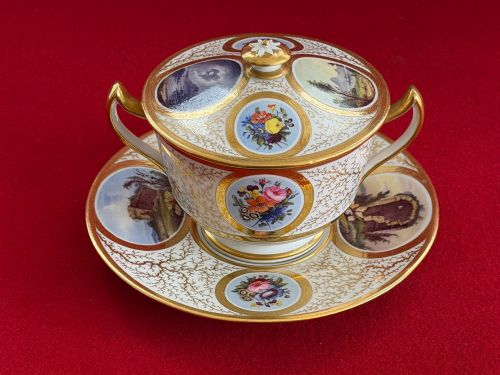
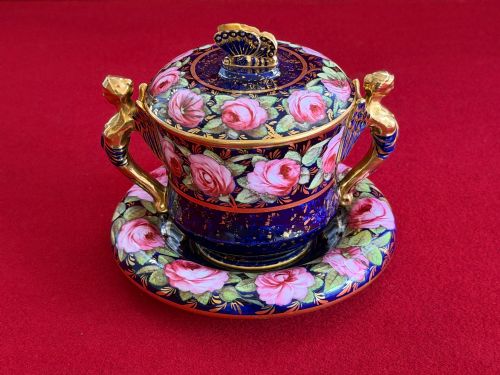
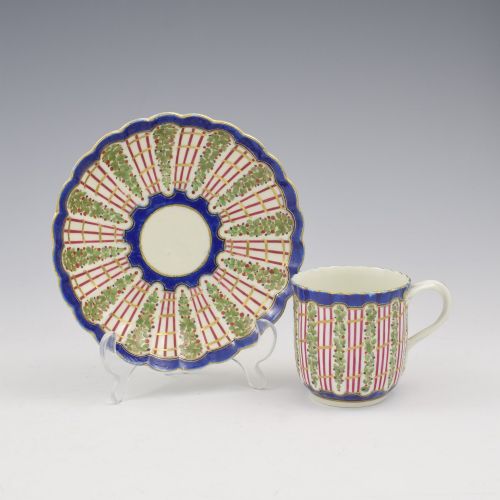
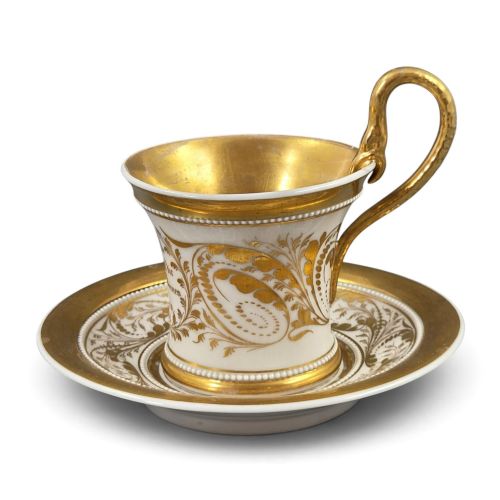
These items span diverse forms such as cabinet cups and saucers, chocolate cups, coffee cans, and tea duos, reflecting the changing social rituals of dining and tea-drinking across different centuries.
Materials and Techniques
The material foundation rests upon porcelain, soft-paste porcelain, and bone china, which provided a smooth white surface suited to elaborate decoration.
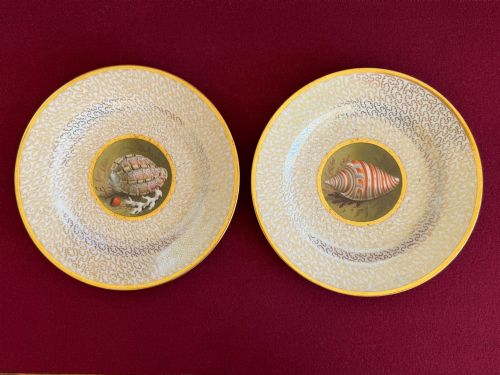
Artisans applied gold leaf, gold gilt, and hand-painted enamel to create intricate borders, floral motifs, and landscapes that define the visual character of each piece.
Antique Gilt Saucer Retail Price Guide 2026
Typical asking prices for gilt saucer among the pieces listed under this phrase on Sellingantiques today, from the lower quarter to the upper quarter. They describe what is for sale here now, not the wider market.
Some saucers were designed as trembleuses with raised wells to stop trembling aristocratic hands from spilling morning chocolate.
Evaluating Quality and Execution
Quality separates through the precision of hand-painted details and the depth of the gilding, where meticulous brushwork on porcelain indicates higher workshop standards.
The clarity of the porcelain body and the preservation of the gold leaf across the contours of the saucer influence the overall integrity of the piece.
Flight, Barr and Barr·H and R Daniel·KPM Berlin·Royal Worcester·Spode·Meissen·Coalport
The Antique Gilt Saucer Glossary
- Soft-Paste Porcelain
- An artificial porcelain compound fired at lower temperatures, common in Eighteenth-Century European factories. It produces a warm texture and allows vibrant glaze interactions.
- Gilding
- The application of gold leaf or gold paint to ceramic surfaces. This technique highlights rims, handles, and painted reserves.
- Cabinet Cup
- A decorative cup and saucer intended for display rather than everyday use. These pieces often feature elaborate painted landscapes or portraits.
- Chinese Export
- Porcelain manufactured in China specifically for the European market during the Qing Dynasty. It combines traditional Eastern ceramic forms with Western decorative preferences.
- Demistasse
- A small cup used for serving strong coffee, frequently paired with a matching saucer. They often date to the Nineteenth Century and showcase detailed enamel work.
Antique Gilt Saucer: Frequently Asked Questions
How were antique gilt saucers used?
These saucers served a practical function during formal tea and coffee drinking, holding cups while protecting table linens. Wealthy households also displayed them in cabinets as symbols of status.
Over time, the social ritual of tea shifted, transforming many surviving saucers into cabinet pieces collected for their artistic merit rather than daily dining.
How can I tell periods apart?
Eighteenth-century pieces often feature soft-paste bodies with hand-painted underglaze blue or famille rose enamel. Georgian and Regency examples frequently introduce heavier gold gilding and refined neoclassical shapes.
Later Victorian and Edwardian items typically display denser ornamentation, transfer-printed foundations, or factory marks associated with the late Nineteenth Century.
Are cups always paired with saucers?
Many listings present complete duos or trios where the cup and saucer remain together from their original production. Separate saucers also survive independently due to breakage or shifting collections over the centuries.
Collectors often search for matching stands or covers, such as those made for chocolate cups and trembleuses, to complete a historical set.