

Antique Gilt Plaque
An antique gilt plaque brings decorative depth and historic craftsmanship to a room, offering finely painted porcelain, enamel, or bronze mounted in rich frames.
Antique Gilt Plaque
An antique gilt plaque is a decorative wall piece or mounted panel incorporating gilded bronze, wood, or metal frames around hand-painted porcelain, enamel, or glass. These items emerge from the eighteenth, nineteenth, and early twentieth centuries, reflecting periods such as the Victorian era, the Georgian period, and French revival styles.
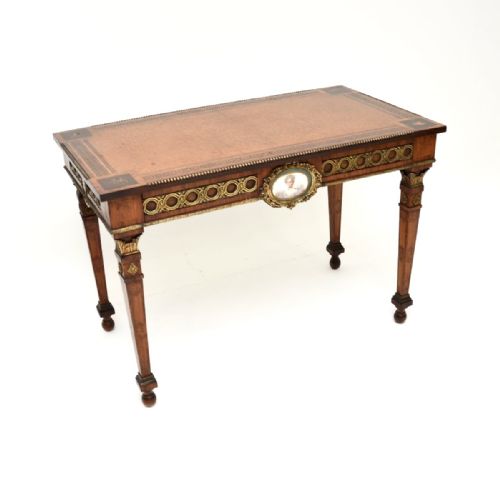
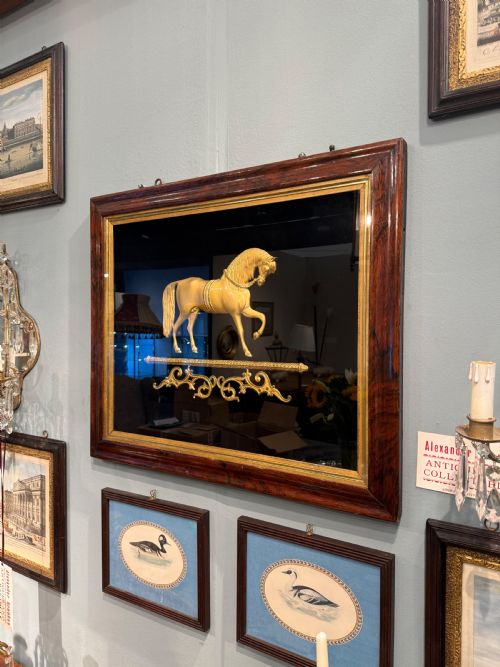
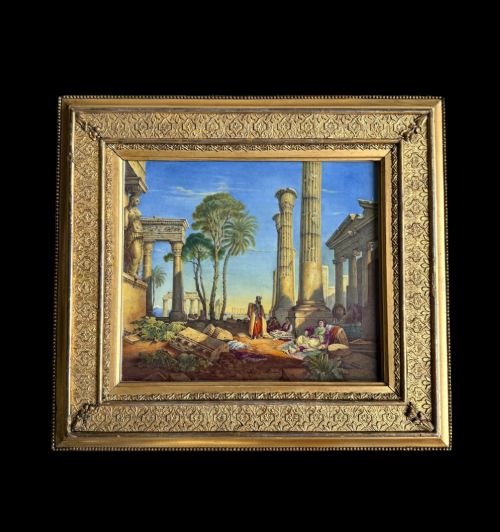
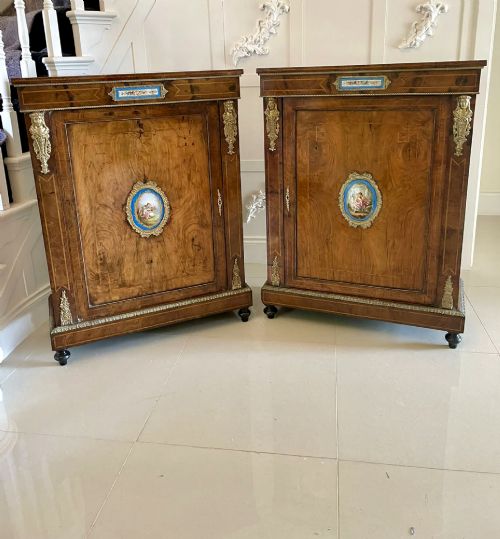
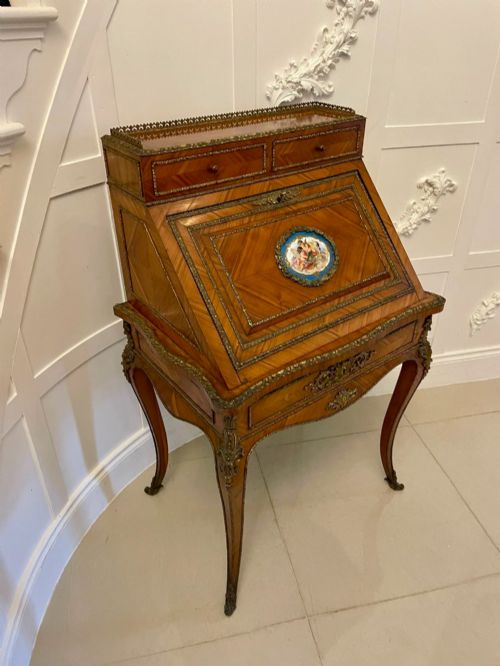
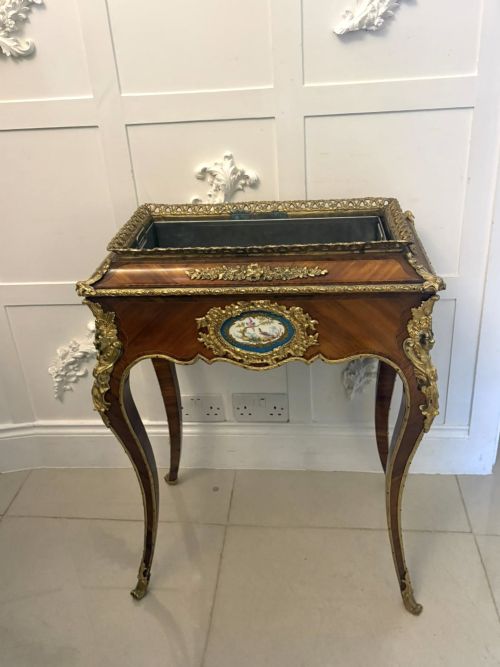
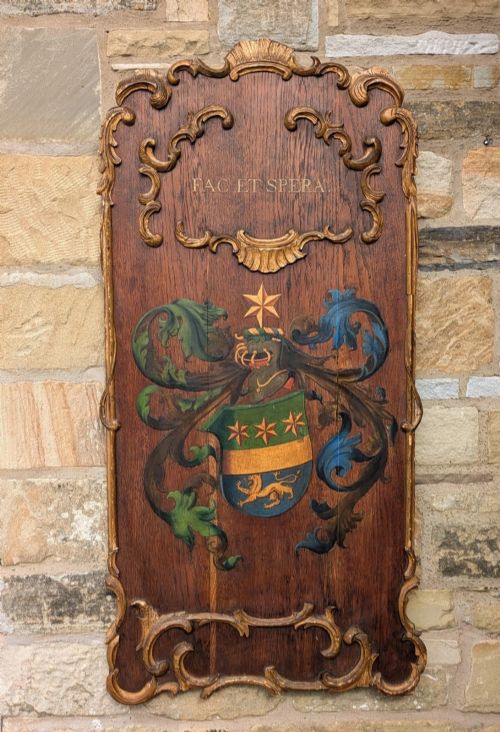
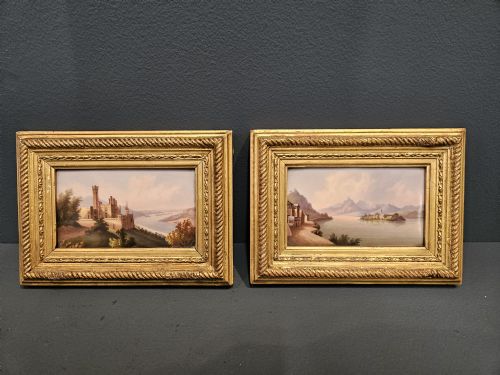
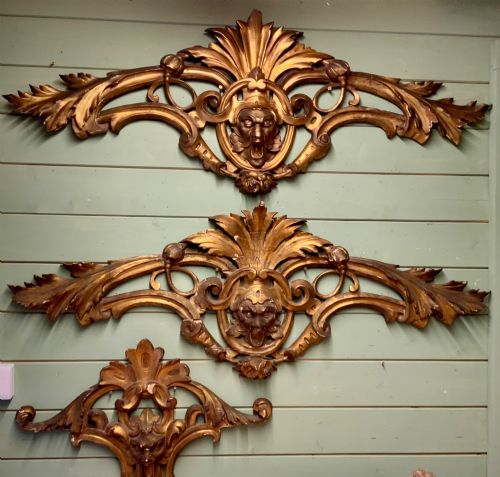
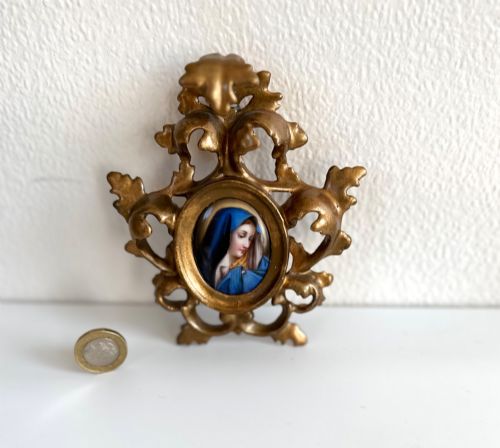
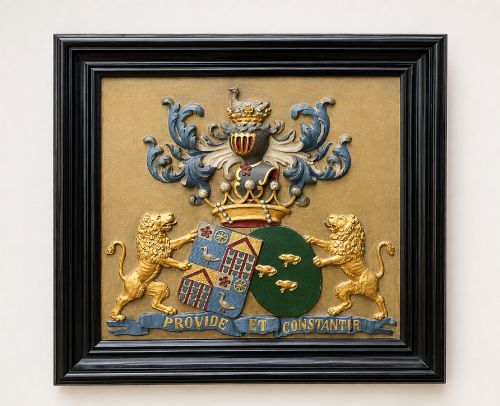
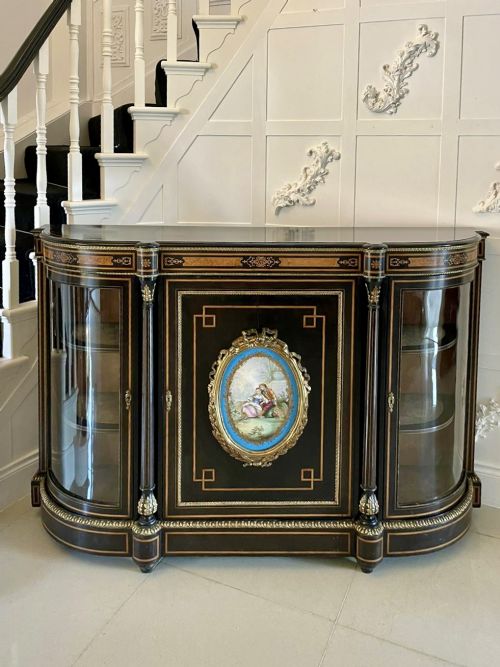
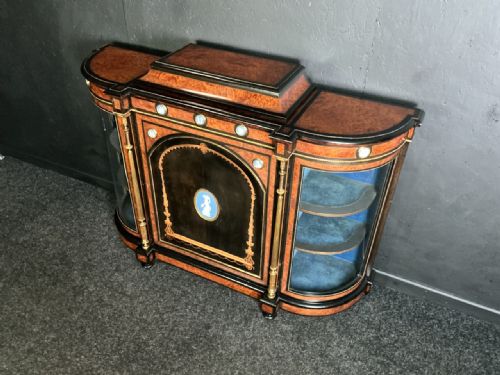
The pieces on this page span several distinct forms, including portrait miniatures, armorial shields, hand-painted porcelain panels after master artists, and architectural wall carvings. Many originate from English, French, German, and Dutch makers, often created to be hung independently or mounted into larger cabinetry such as pier cabinets, credenzas, and bureau plat desks.
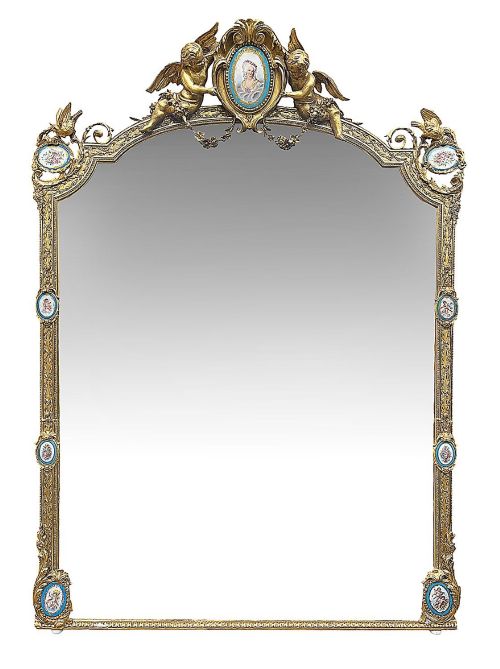
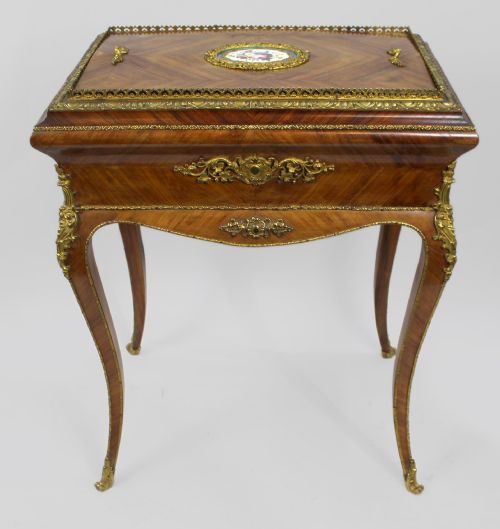
Visitors searching for an antique gilt plaque will encounter items ranging from small South Staffordshire enamel box lids to large KPM Berlin porcelain plaques and framed bronze reliefs. The material mix relies heavily on gilt bronze or ormolu mounts paired with hardwoods like kingwood, walnut, and rosewood.
How they were made
Porcelain and enamel plaques rely on intricate hand-painting techniques executed by skilled artists, often signed by the painter or produced in renowned factories like KPM, Sevres, and Royal Worcester. These painted surfaces undergo multiple firings in kilns to fix the mineral pigments and glaze before receiving their final polish.
Metal components utilise casting and fire-gilding processes, particularly ormolu and gilt bronze, which provide a durable golden surface layer applied to base metals. Wood frames and mounts combine joinery with hand-carved giltwood or applied bronze hardware, securing the central plaque within rosewood, burr walnut, or kingwood surrounds.
Antique Gilt Plaque Retail Price Guide 2026
Typical asking prices for gilt plaque among the pieces listed under this phrase on Sellingantiques today, from the lower quarter to the upper quarter. They describe what is for sale here now, not the wider market.
Several plaques preserve historical marriages and poetic dreams, capturing nineteenth-century romance in fired pigments and gold leaf.
What varies in quality
The standard of painting on the porcelain or enamel surface dictates much of the visual value, separating hurried factory output from detailed works by signed artists. Finer pieces demonstrate precision in brushwork, subtle colour shading, and depth in portraiture or narrative scenes.
The execution of the gilt mounts and the quality of the timber frame establish the physical integrity of the piece. Crisp casting in the ormolu or gilt bronze, combined with well-preserved fire-gilding and choice veneers such as kingwood or amboyna, marks the upper tier of production.
KPM Berlin·Royal Worcester·Sevres
The Antique Gilt Plaque Glossary
- Ormolu
- A gilded bronze technique involving the application of a finely ground mercury and gold amalgam to a bronze object, which is then fired to drive off the mercury. This method leaves a durable, rich golden finish characteristic of nineteenth-century French mounts.
- KPM
- An abbreviation for Königliche Porzellan-Manufaktur Berlin, a prominent German porcelain factory known for producing large, finely painted porcelain plaques during the nineteenth century. These items frequently depict classical scenes or portraits after master painters.
- Sevres
- A famous French porcelain manufactory that supplied decorative plaques and vessels for high-end furniture and wall displays throughout the eighteenth and nineteenth centuries. Sevres pieces often feature deep coloured grounds and hand-painted subjects.
- South Staffordshire
- An English region famous for producing eighteenth-century enamels, including small plaques, snuff box lids, and trinkets. These items typically feature copper bases coated in white enamel and hand-painted with landscapes or figures.
- Micromosaic
- A detailed decorative technique formed by assembling thousands of tiny coloured glass tesserae to create a picture. Mid-nineteenth-century examples often depict architectural landmarks or classical subjects within ebonised frames.
Antique Gilt Plaque: Frequently Asked Questions
What is an antique gilt plaque?
An antique gilt plaque is a decorative panel made from porcelain, enamel, glass, or bronze, surrounded by a gilded or ormolu frame. They were produced primarily during the eighteenth and nineteenth centuries as standalone wall art or integrated into luxury furniture.
These pieces showcase hand-painted scenes, portraits, or armorial designs, reflecting the artistic styles of periods like the Victorian era and French revival movements.
How were these plaques originally displayed?
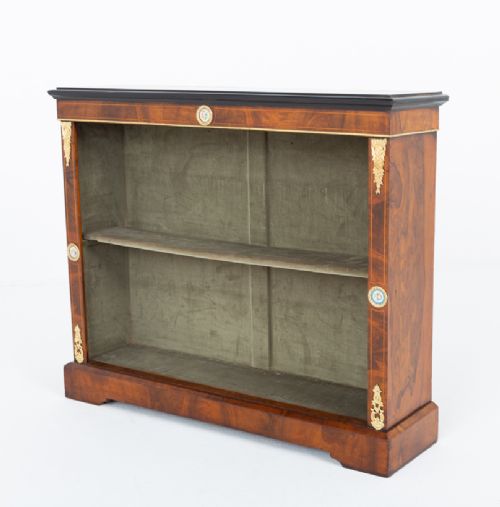
Many plaques were manufactured specifically to be hung on walls as independent artworks, often secured within rosewood, ebonised, or giltwood frames. Others were created as decorative inserts for fine furniture, mounted directly onto the doors of pier cabinets, credenzas, and secvataires.
Smaller examples, such as South Staffordshire enamels, served as box lids or pocket items, while larger porcelain panels functioned as centrepieces for formal rooms.
How do I identify the period of a plaque?
Dating relies on examining the materials, framing styles, and factory marks or artist signatures present on the reverse or front of the plaque. Nineteenth-century pieces frequently feature characteristic porcelain bodies, registration marks, or specific maker stamps from factories like KPM or Royal Worcester.
The surrounding wood frames and mounting techniques, such as ormolu casting styles, also provide clear indicators of whether an item originates from the Georgian, Victorian, or later periods.
Who made these decorated panels?
These panels were produced by major European porcelain and enamel manufactories, including state-run and private factories in England, France, and Germany. Prominent names include KPM in Berlin, Sevres in France, and Royal Worcester in England.
Individual artists often painted the porcelain panels by hand, sometimes signing their work directly onto the surface or recording their subjects after master painters like Raphael.