
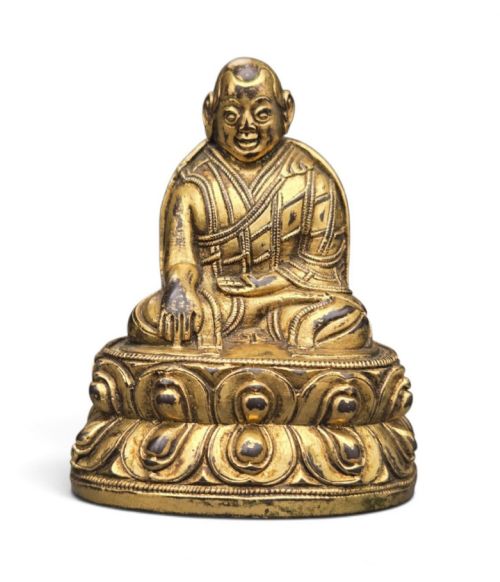
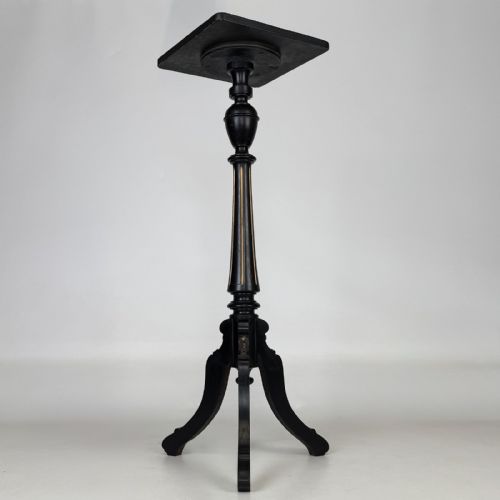
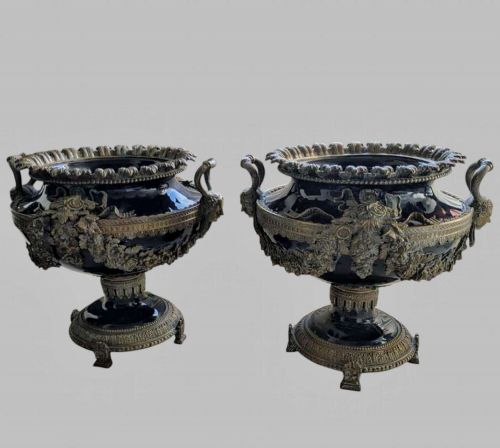
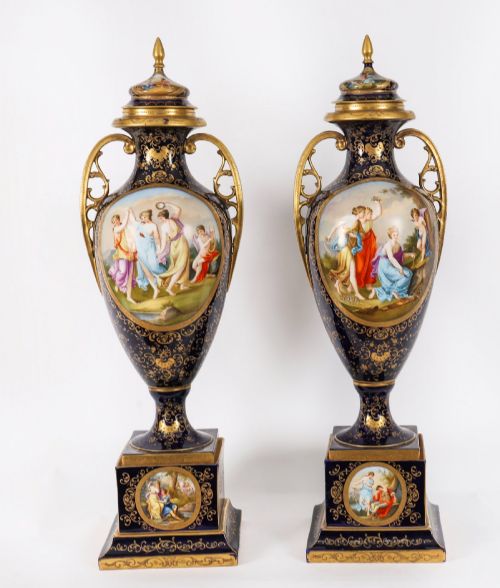

Antique Gilt Pedestal
An antique gilt pedestal brings structural elevation and gilded warmth to a room, uniting classical form with nineteenth-century decorative arts.
Antique Gilt Pedestal
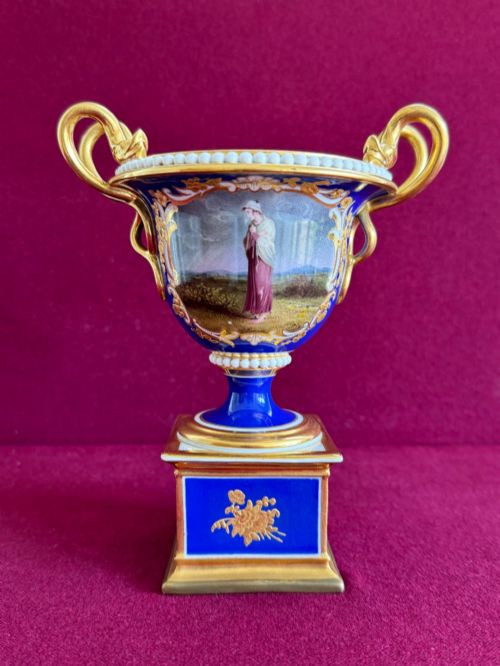
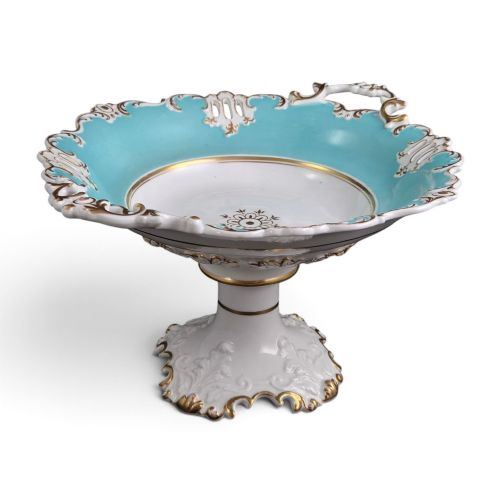
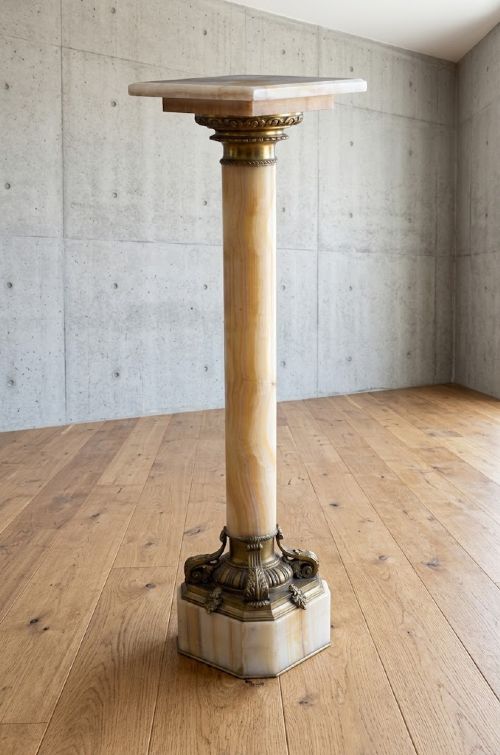
An antique gilt pedestal comprises vertical display columns, columnar stands, and tiered supports designed to elevate sculpture, urns, and decorative objects. These pieces appear primarily across nineteenth-century Victorian, Regency, and Georgian periods, alongside French Empire and Rococo Revival styles.
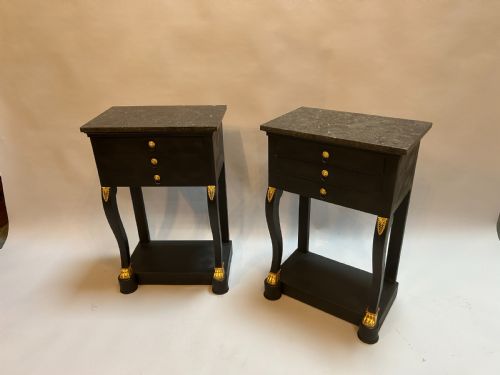
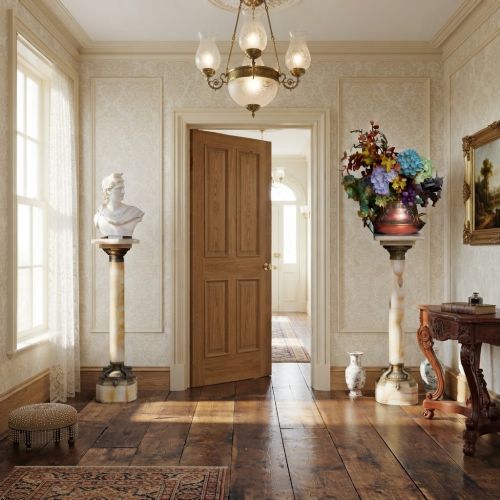
The physical forms on this page range from solid marble and onyx columns fitted with ormolu collars to carved giltwood tripods and ebonised torcheres. Buyers frequently encounter tall stone shafts designed to support heavy bronze or porcelain display items.
Makers utilised rich materials including gilded brass, gold leaf, and Ormolu to catch interior candlelight and daylight. Such structures serve both practical display functions and sculptural presence within a grand interior.
What varies in quality
Quality rests upon the crispness of the bronze chasing and the depth of the original gilding rather than sheer scale. Superior columns display seamless joins between stone shafts and cast ormolu collars, showing precision in the metalworker's craft.
Carved wooden examples depend on the sharpness of the hand-carved ornament beneath the gold leaf. Pieces retaining their original gilding without heavy overpainting command greater appreciation among collectors.
Cherubs and dolphins frequently peer out from bronze mounts, reminding us that nineteenth-century artisans loved a touch of theatrical charm.
Wylie and Lochead·George Bullock·Helena Wolfsohn·Coalport·Spode·Meissen
The Antique Gilt Pedestal Glossary
- Ormolu
- Gilded bronze, where a mercury amalgam technique or electroplating applied gold to a cast bronze base. This finish provided a durable, bright golden surface popular on French furniture mounts.
- Giltwood
- Timber, often lime or pine, coated in gesso and covered with thin sheets of gold leaf. It formed the decorative foundation for many mirrors, tables, and stands.
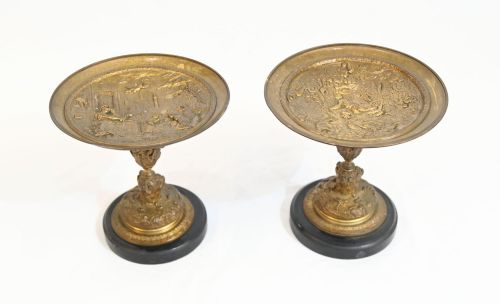
- Tazza
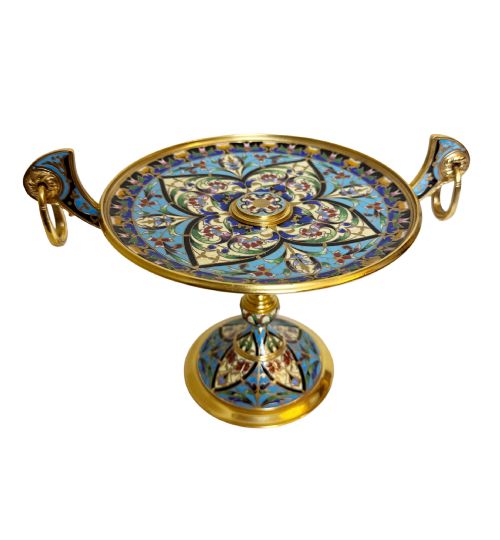
- A shallow saucer-like ornamental vessel mounted on a stem and foot. They appear in porcelain, glass, and metal for display use.
- Gueridon
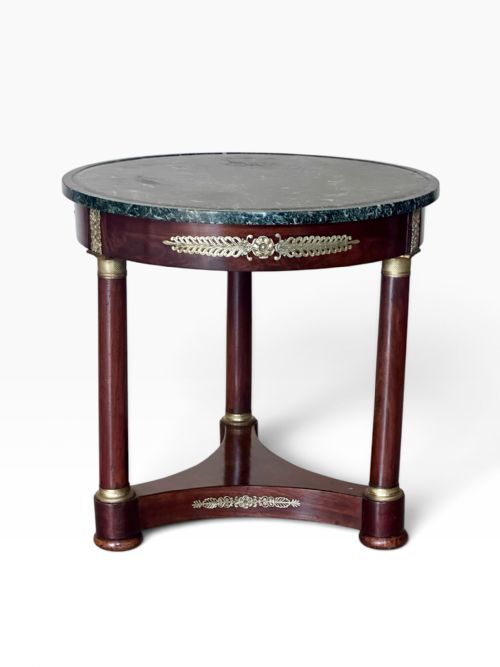
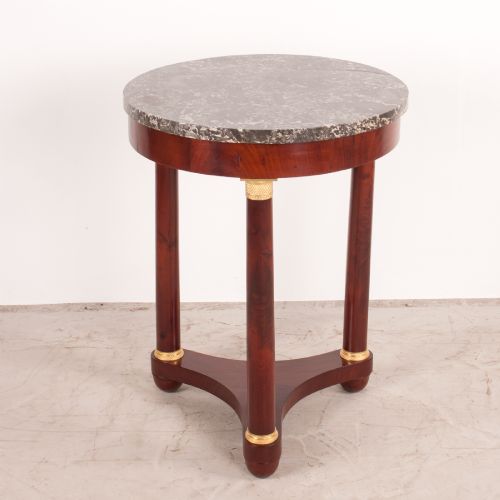
- A small French occasional table or stand supported by one or more central columns. The form originated in the seventeenth century and remained popular through the Regency and Victorian eras.
- Champlevé
- An enamelling technique where troughs or cells are carved into a metal surface and filled with vitreous enamel powder before firing. It frequently decorates nineteenth-century bronze desk accessories and vessels.
Antique Gilt Pedestal: Frequently Asked Questions
What holds up an antique gilt pedestal?
These supports rely on heavy core materials like solid marble, onyx, or dense hardwoods to provide stability. Metal collars and bronze mounts add structural weight and visual structure.
Heavier stone columns require flat, level flooring to remain steady under displayed art objects.
Where do you place an antique pedestal?
These stands suit corners, entrance halls, or focal points against panelled walls where a sculptural display piece can be viewed from multiple angles.
Keep them away from direct heat sources to protect underlying wooden cores and delicate gilt surfaces.
How do you clean gilt surfaces?
Dust these items gently using a soft, dry ostrich feather duster or a clean microfibre cloth. Avoid harsh rubbing, water, and commercial chemical polishes that strip gold leaf.
Professional conservation is recommended for deep cleaning or repairing worn metal mounts.
How do you date nineteenth-century columns?
Dating relies on identifying the material combinations, cast metal techniques, and stylistic markers such as neoclassical motifs or Victorian proportions. Tool marks left by period lathes and hand-chasing offer further clues.
Comparing structural joinery with documented examples from makers helps narrow down the decade of manufacture.