
Antique Gilt Floor Mirror
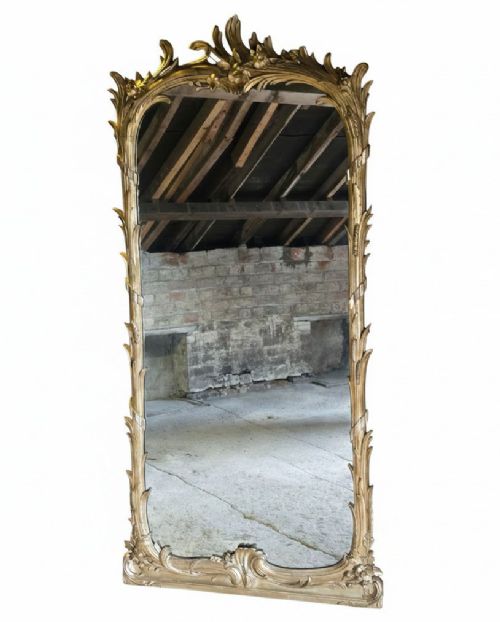
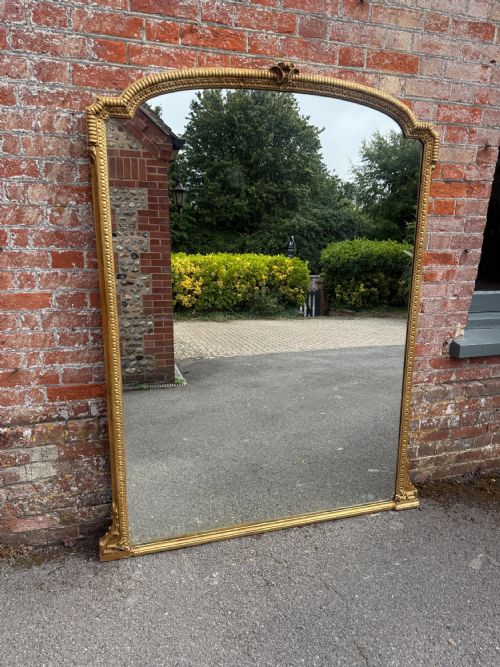
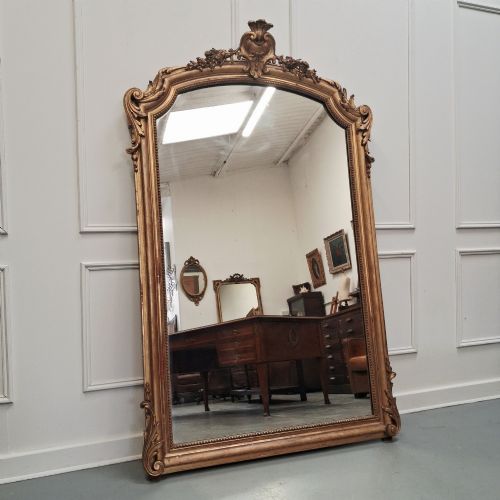
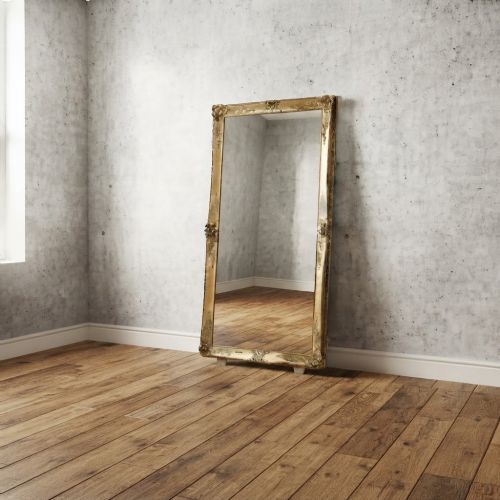
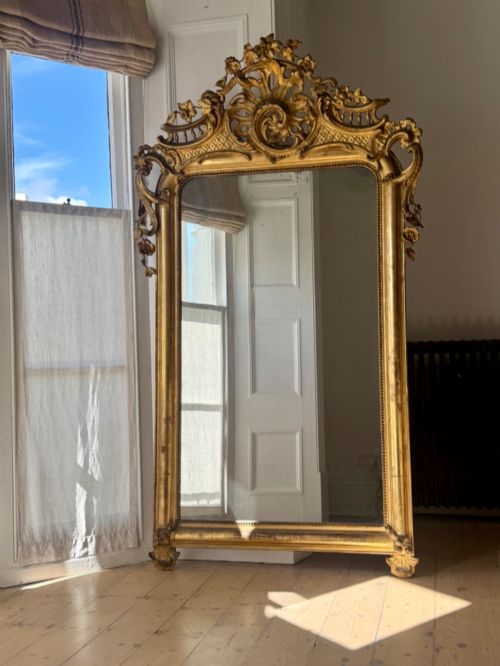
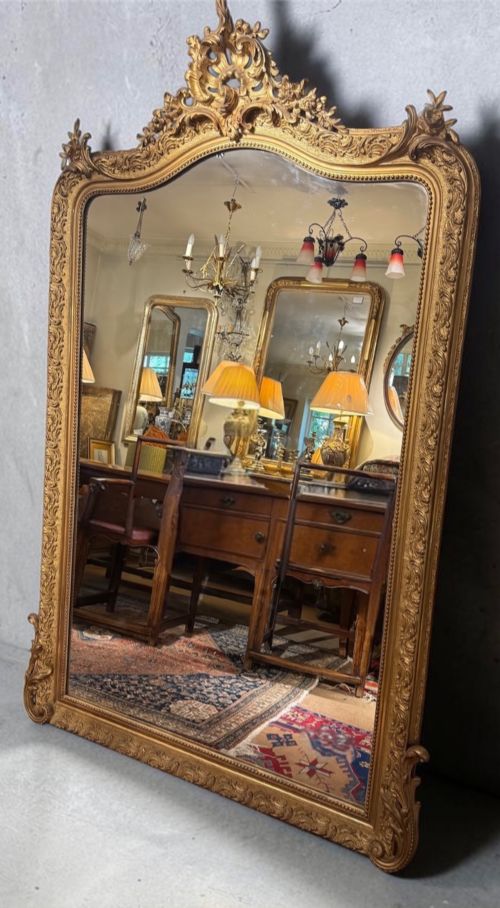
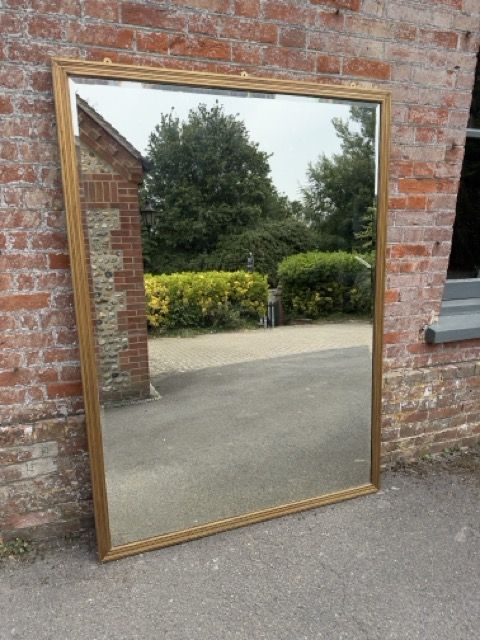
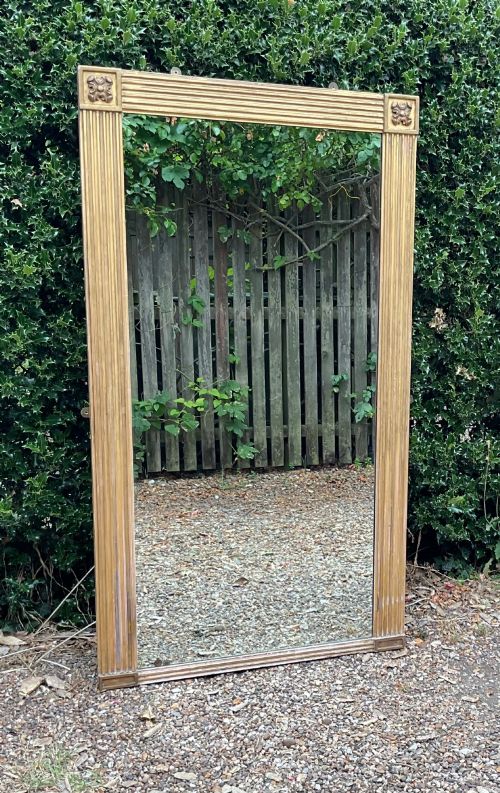
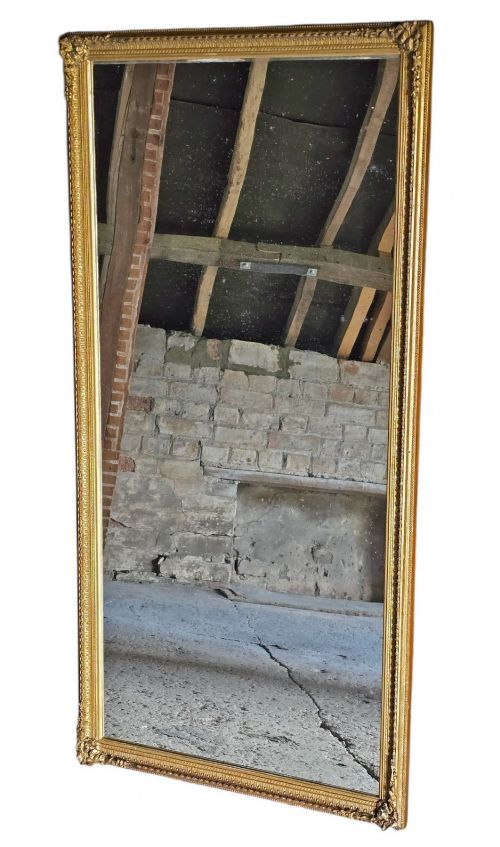
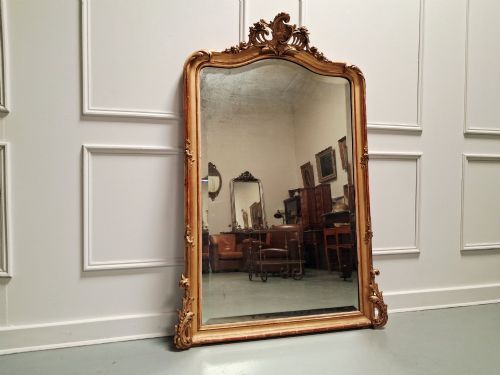
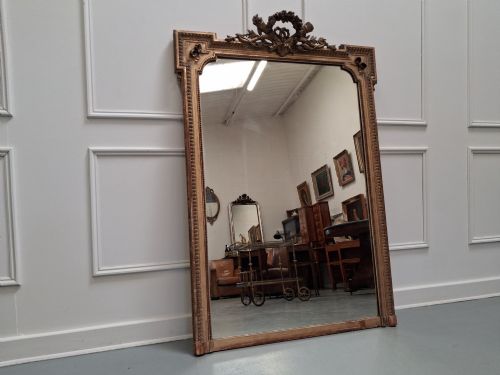
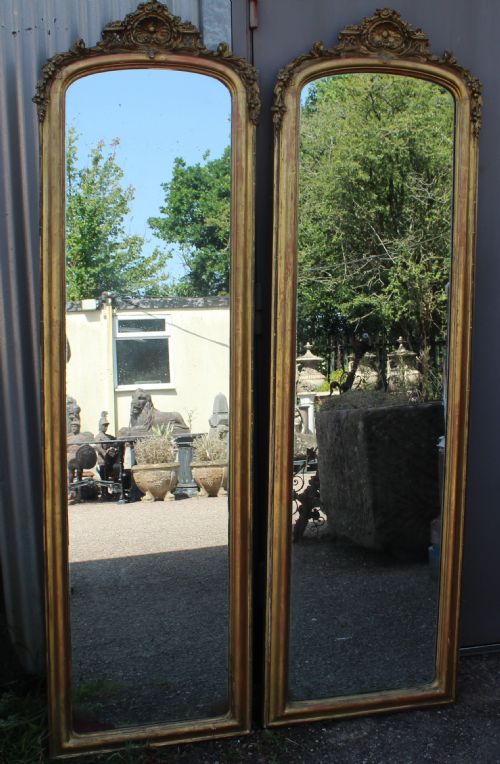
When you search for an antique gilt floor mirror, you find tall reflective surfaces framed in gold leaf, gesso, and carved wood designed to lean against a wall or stand freely to alter the light and proportion of a room.
Antique Gilt Floor Mirror
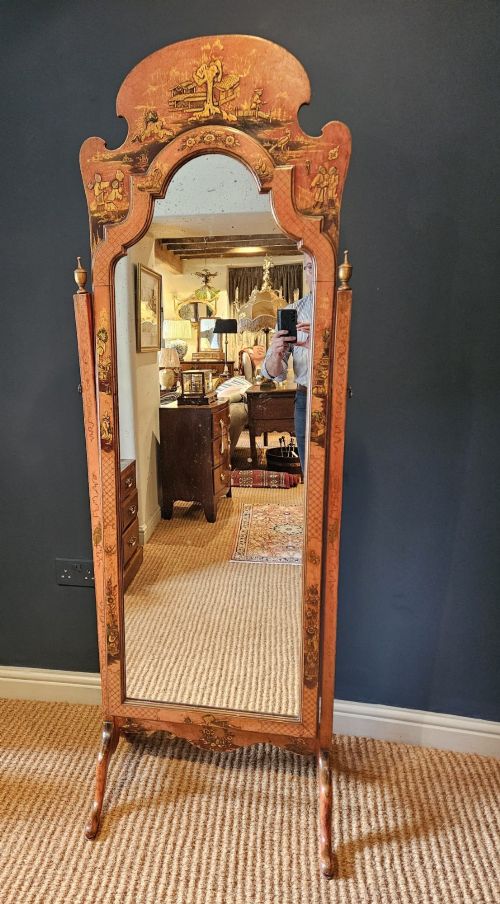
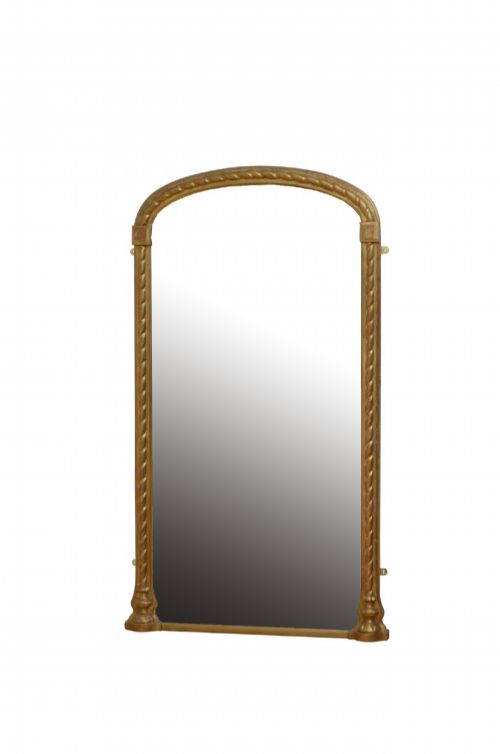
An antique gilt floor mirror stands as a commanding vertical presence, encompassing full-length leaner formats, cheval mirrors, and tall pier or wall mirrors designed to elongate interior spaces.
The pieces appearing here span the eighteenth, nineteenth, and early twentieth centuries, drawing heavily on French chateau, Louis Philippe, Neoclassical, and Rococo Revival styles alongside English and Italian craftsmanship.
Makers and workshops of the nineteenth century produced grand proportions utilising heavy wood and gesso frames, creating statement furnishings that function equally well floor-standing or mounted above mantelpieces.
How they were made
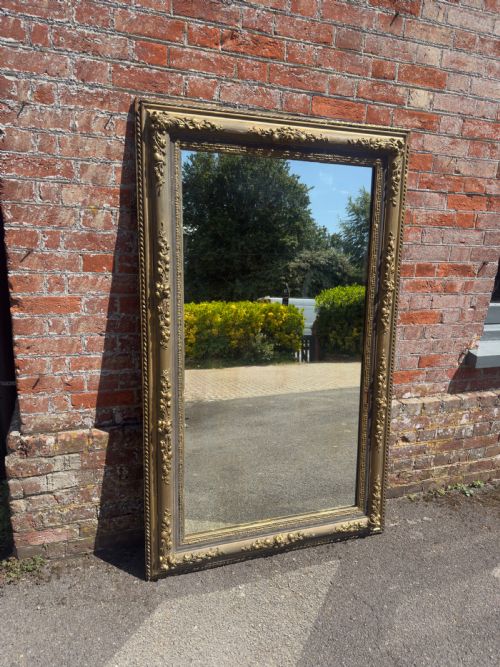
Craftsmen built the underlying carcass from carved wood, applying layers of gesso to create smooth surfaces or intricate relief ornamentation before finishing the frames in gold leaf, silver leaf, or paint.
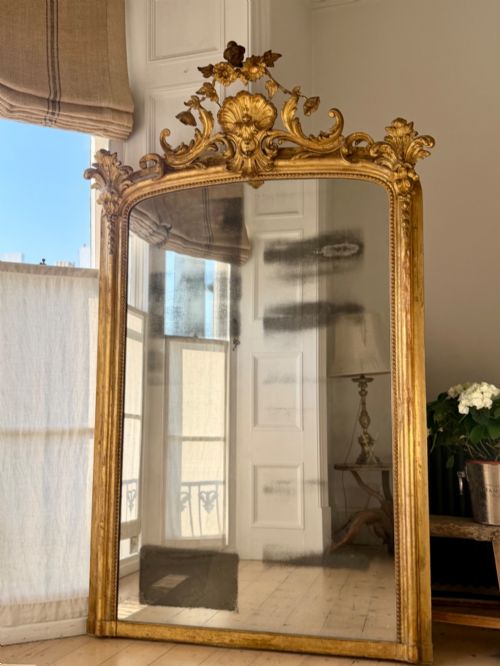
Early examples frequently incorporate mercury glass with foxed patination, while later Victorian and Edwardian pieces utilise standard mirror glass set within rope-twist, ribbed, or arched timber mouldings.
What varies in quality
The depth and crispness of the hand-carved wooden relief work separate standard frames from exceptional ones, particularly where gesso enrichment holds sharp botanical or scroll motifs without softening.
The application of gold leaf or silver leaf determines the richness of the surface light, ranging from bright gilded finishes to softly patinated silver gilt and parcel-gilded details.
Charles Nosotti
The Antique Gilt Floor Mirror Glossary
- Giltwood
- Wood that has been coated with gold leaf over a prepared gesso ground. This method gives antique frames their distinct warm metallic lustre.
- Gesso
- A plaster-like mixture applied to wooden frame bases and carved into decorative details. It provides the smooth substrate required for gilding.
- Cheval mirror
- A full-length looking glass hung in a frame on a vertical pivot so it can be tilted. These typically stand freely on four feet.
- Mercury glass
- A double-walled glass blown with a silvering mixture inside. It creates a cloudy, mottled reflection characteristic of older mirrors.
- Pier glass
- A tall mirror designed specifically to hang on the wall between two windows. They often sit above low pier tables.
- Trumeau
- A decorative wall mirror incorporating a painted panel or oil painting above the glass plate. These French pieces frequently feature carved wooden mouldings.
Antique Gilt Floor Mirror: Frequently Asked Questions
How do I secure an antique floor mirror?
Large leaner mirrors require secure anchoring to the wall behind them to prevent tipping. Heavy frames use steel brackets attached to the wall studs.
Freestanding cheval mirrors rely on their weighted legs and pivot screws to remain stable during adjustment.
What is mercury glass?
Mercury glass is an early form of silvered glass created by pouring a liquid silvering mixture between double-walled blown glass. This trapped mixture oxidises over time.
The resulting dark spots and cloudy areas form a foxed appearance unique to eighteenth and nineteenth-century looking glasses.
Can these mirrors stand on the floor?
Full-length leaner mirrors and cheval frames are specifically designed for floor placement. Leaner models rest directly against the wall at a slight angle.
Many tall wall mirrors and pier mirrors in the collection also function effectively when placed at floor level.
How do I date a gilt mirror?
Dating relies on stylistic clues such as the sweeping curves of French Rococo Revival, the restrained lines of Louis Philippe, or the heavy proportions of Victorian pieces. Construction methods and glass type also provide clear chronological markers.
Hand-carved gesso details and original backboards help confirm whether a piece originates from the eighteenth, nineteenth, or early twentieth century.