



Antique Gilt Finial
An antique gilt finial tops clocks, mirrors and caskets with golden brilliance.
Antique Gilt Finial
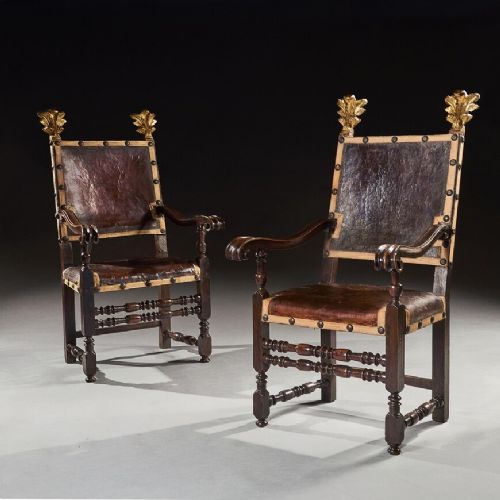
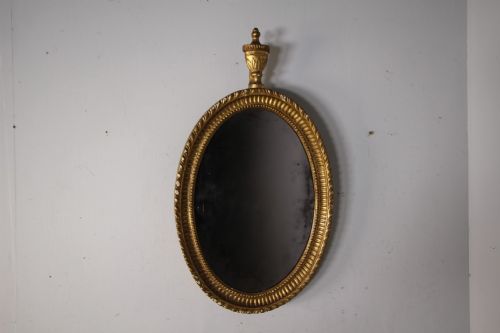
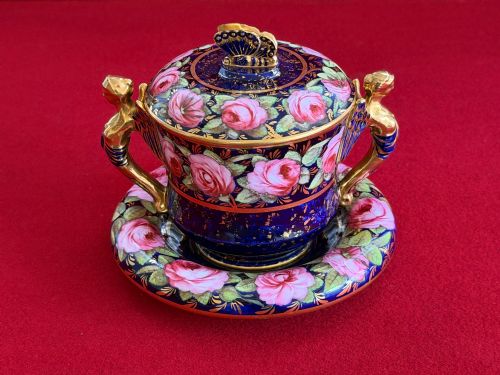
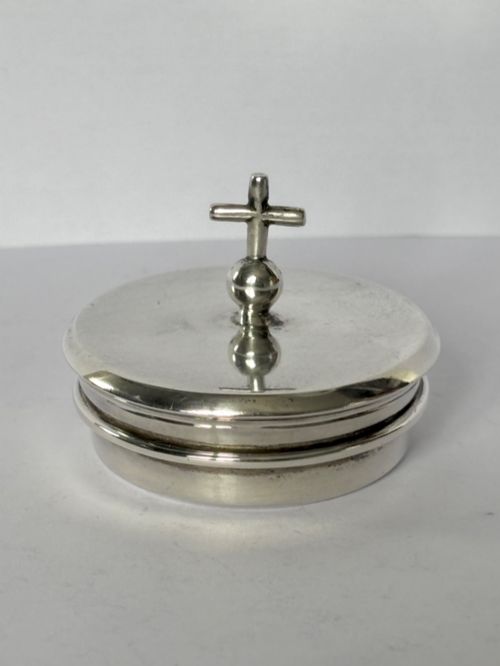
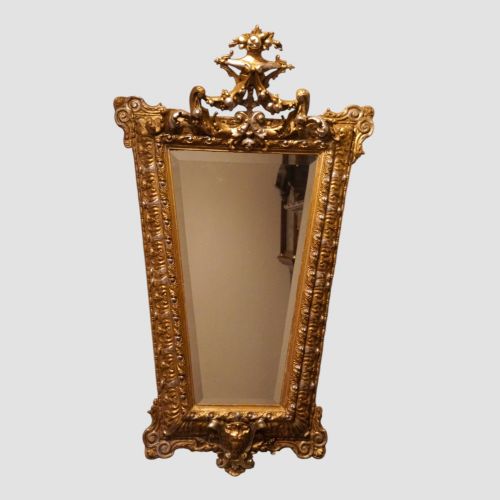
When you search for an antique gilt finial, you encounter decorative accents that crown mirrors, clock cases and lidded vessels. These small ornamental mountings lift the eye to the apex of an object.
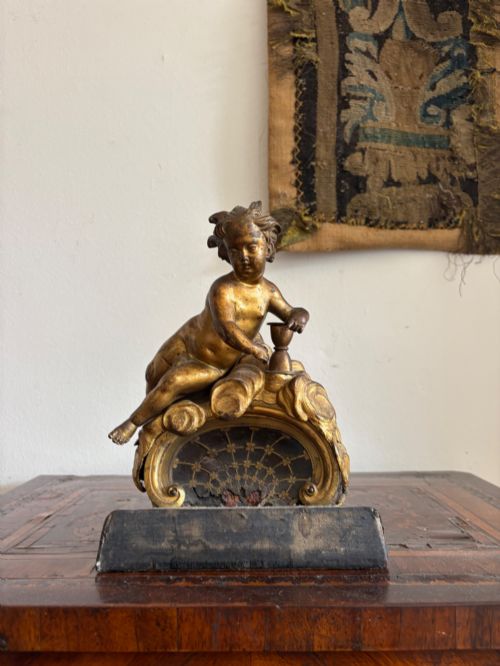
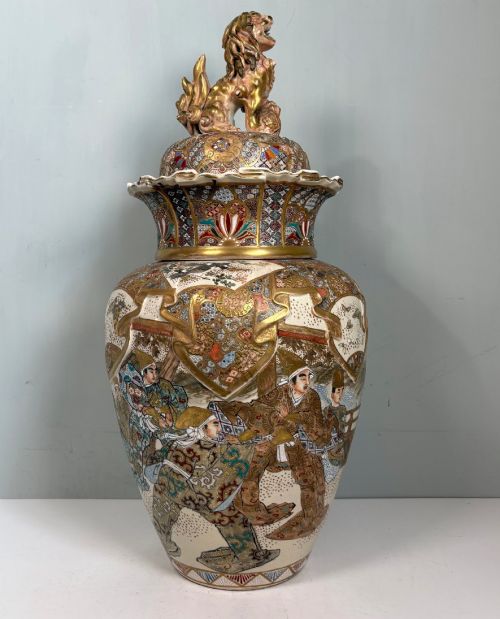
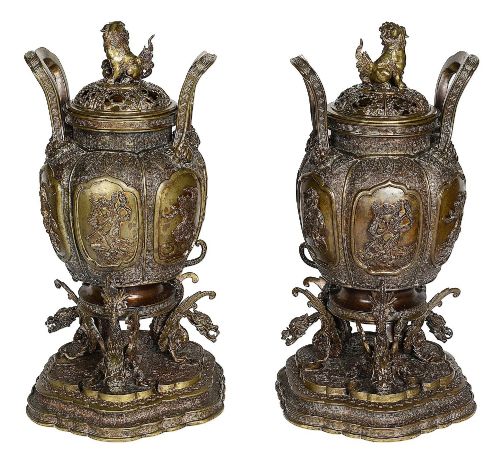
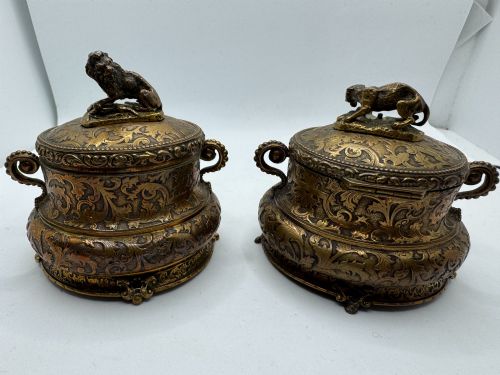
The versions appearing here span centuries of European and Asian decorative arts, taking the shape of figural ornaments like putti and dogs, or architectural termination points. They bring sculptural detail to the tops of furnishings and horology.
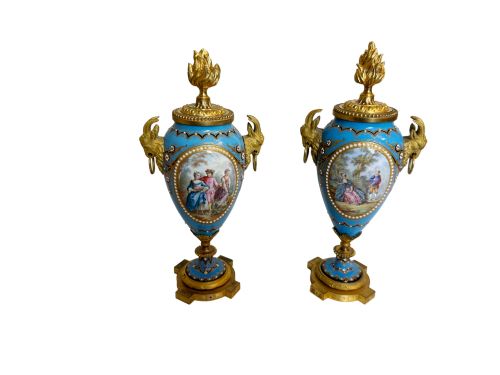
Makers integrated these gilt elements into French Empire, Rococo and Neoclassical designs. They complete the silhouette of mantel clocks and pier mirrors.
Materials and construction methods
Craftsmen produced these elements in ormolu, gilt bronze, brass and carved giltwood. Metal components often involved casting and subsequent gold application.
Gilded wooden examples rely on carved walnut or softwood treated with gold leaf. Artisans combined metal casting with hand chasing to achieve crisp definition in figural mounts.
Dogs and cherubs frequently keep watch from the tops of nineteenth-century caskets and clocks.
Distinctions in execution and material
The standard of an antique gilt finial depends upon the crispness of the chasing in metalwork and the depth of the gold application. Hand-carved wooden versions display sharper undercut details than moulded substitutes.
Durability of the original gilding surface differentiates standard examples from finer outputs. Superior pieces retain rich tonal variation across high points and recessed areas.
F. Osbourne & Co London·Samuel Marti
The Antique Gilt Finial Glossary
- Finial
- An ornamental crowning detail placed at the apex of a mirror, clock, or furniture piece. It serves as a visual termination point for the design.
- Ormolu
- Finely ground high-carat gold applied to a bronze base using a mercury amalgamation technique. This historic process yields a durable and luminous golden surface.
- Giltwood
- Timber, commonly softwood or walnut, that has been coated in gold leaf or gold paint. It appears frequently on frames and architectural ornaments.
- Putto
- A figure of a small infant, frequently depicted as a cherub in continental decorative arts. These motifs often appear as sculptural ornaments on clocks and mounts.
- Cassolette
- A decorative vessel designed to serve as a perfume burner or vase, often fitted with a removable lid. They feature prominently in French interior ornaments.
Antique Gilt Finial: Frequently Asked Questions
What is an antique gilt finial?
An antique gilt finial is a decorative crowning element made of metal or wood with a gold surface. It sits atop mirrors, clocks and lidded urns.
These pieces terminate the vertical lines of furniture and decorative objects. They add a reflective golden accent to the top of a piece.
How do I identify the period?
Period identification relies on stylistic cues such as Neoclassical symmetry or Rococo asymmetry. Materials like ormolu and carved giltwood help anchor pieces within specific centuries.
Examining construction marks and mounting techniques assists in dating. Comparative analysis with clock and mirror styles clarifies the era.
Where were finials placed?
Makers placed them on the top apex of wooden mirrors and mantel clock pediments. They also topped lidded vessels and decorative caskets.
These small ornaments drew the eye upward. They completed the formal silhouette of large decorative items.
How do I care for gilt surfaces?
Gilt surfaces require gentle dusting with a soft, dry brush to prevent abrasion. Moisture and chemical cleaners damage fragile gold leaf and ormolu.
Stable indoor humidity preserves both wooden and metal substrates. Careful handling prevents loss of the thin gold layer.