

Antique Gilt Applique
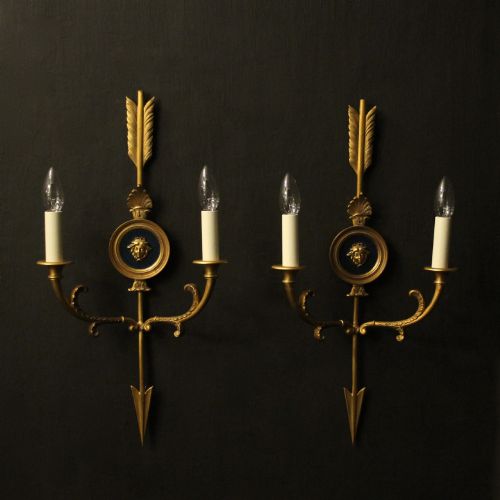
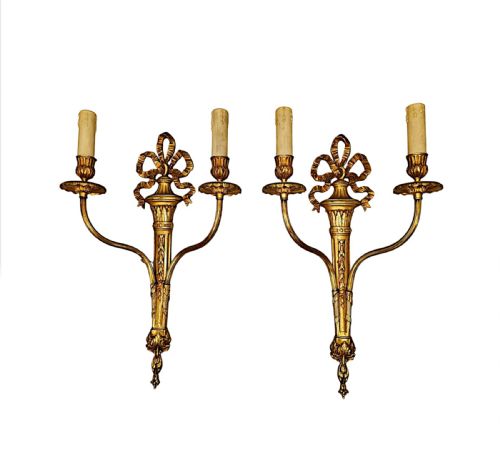
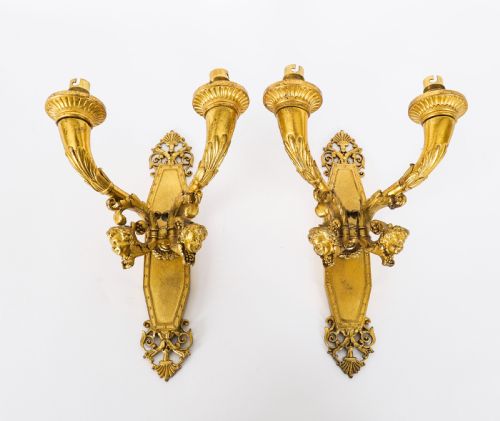
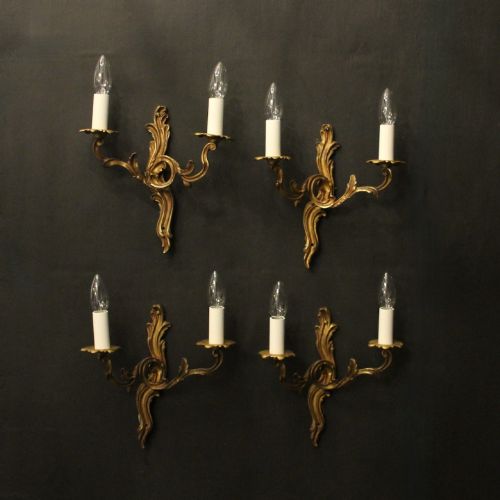
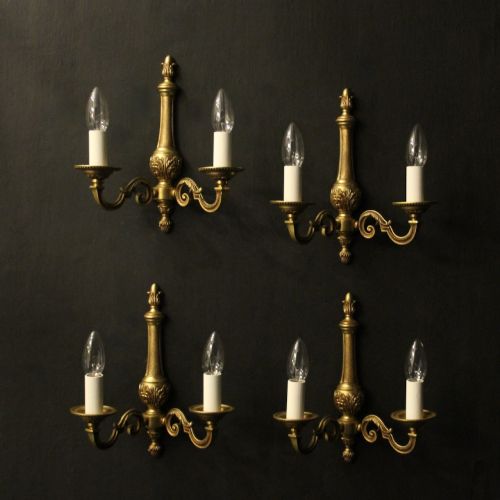
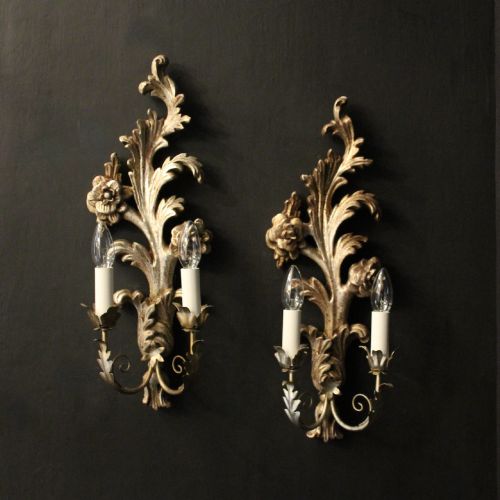
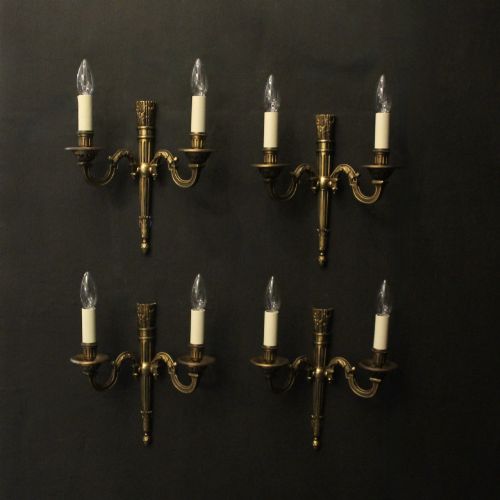
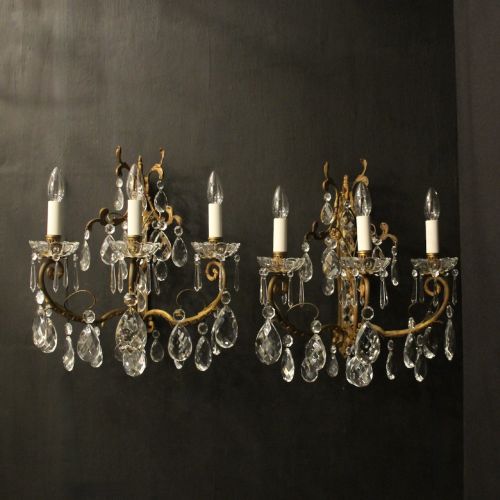
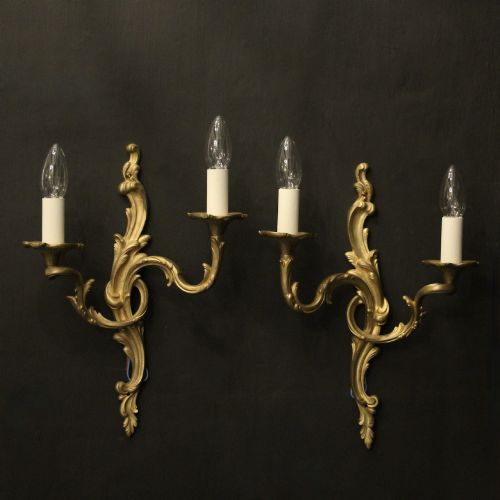
Antique gilt applique pieces comprise decorative metallic mounts and wall lights shaped by French and Italian hands across the eighteenth, nineteenth, and twentieth centuries.
Antique Gilt Applique
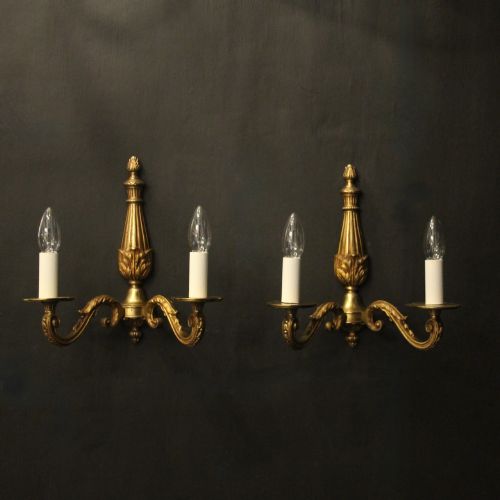
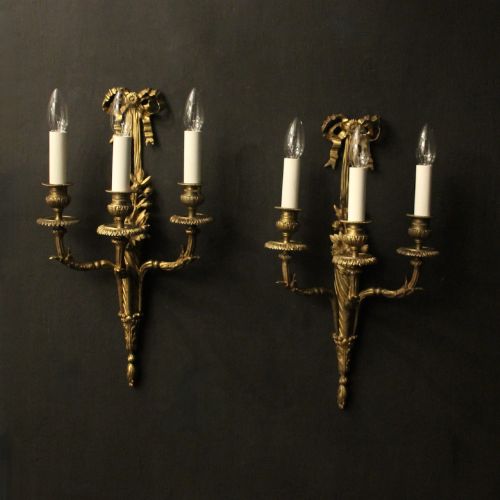
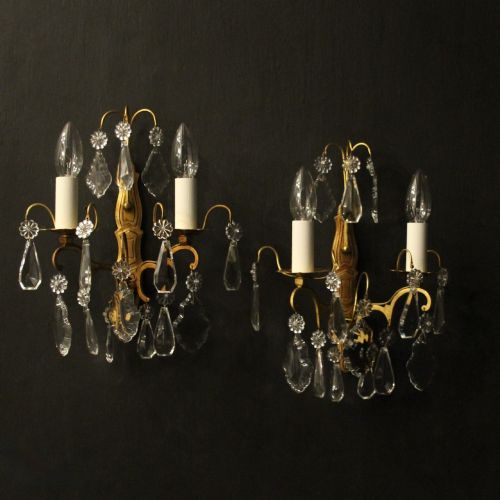
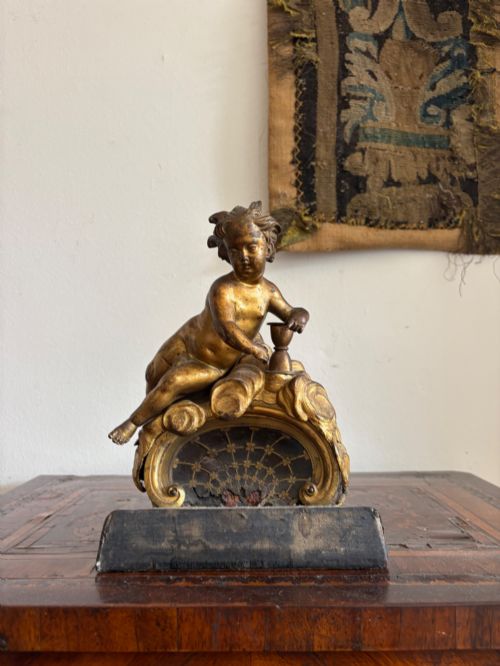
When you search for antique gilt applique, you encounter decorative elements designed to adorn interiors and furnishings alike. The listings here contain a heavy concentration of wall lights and sconces alongside furniture mounts and finials.
Most examples you meet on this page originate from France and Italy, spanning periods from the late eighteenth century through the nineteen-thirties. You will find twin-arm and triple-arm wall lights appearing with regularity.
The aesthetic vocabulary draws heavily from French Rococo, Louis XVI, and Empire styles, translating historical grandeur into domestic lighting and ornamentation. These pieces bring metallic sheen and sculptural depth to wall spaces and cabinetry.
Materials and construction methods
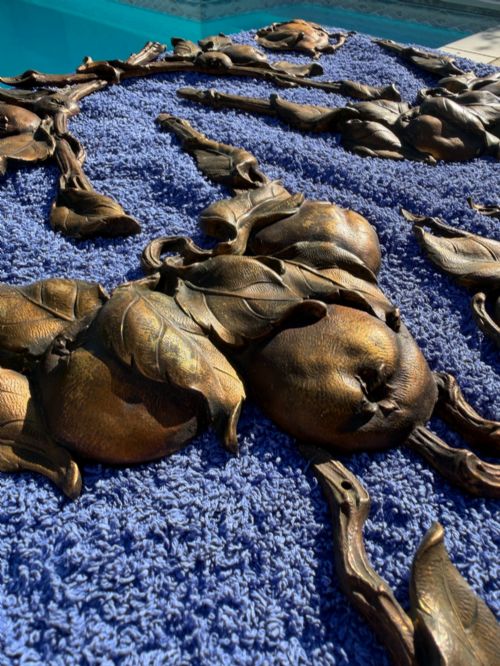
The primary metals utilised across these pieces include bronze, brass, and ormolu, often treated with surface gilding to catch the light. Workshops also employed giltwood and gesso for carved wooden sconces and wall fittings.
Casting and hand-carving form the core techniques behind the mounts and armatures visible in the inventory. Bronze and brass components undergo precise casting before receiving gilt finishes, while wooden fixtures show evidence of hand-carving.
The listings here feature pieces from seven distinct decades and centuries, spanning the late eighteenth century through nineteen-thirty.
Distinctions in craftsmanship
The separation between standard production and exceptional work rests in the crispness of the chased detail upon the bronze and ormolu surfaces. Finer items exhibit sharp, deeply defined foliage, scrolls, and figural motifs that retain their intended relief.
Weight and solidity distinguish the manufacturing standard, as substantial cast metal parts outlast lighter pressed brass alternatives. The integrity of the underlying material and the durability of the applied gilding dictate the overall standing of an object.
Poix Blin·Maison Baguès
The Antique Gilt Applique Glossary
- Ormolu
- Gilded bronze produced by applying a mercury and gold amalgam to a bronze base and firing it to drive off the mercury. This technique creates a rich, matte gold surface characteristic of fine French decorative objects.
- Applique
- An ornamental bracket or fixture fastened to a wall to hold candles or electric lamps. In a broader sense, it also denotes decorative mounts applied to furniture surfaces.
- Giltwood
- Timber, typically lime or pine, that has been carved and coated with gold leaf or gilt paint. It appears frequently in Italian and English wall lights from the eighteenth and nineteenth centuries.
- Finial
- A relatively small decorative ornament that terminates the top of a piece of furniture, clock, or lighting fixture. They often take the form of urns, flames, or figural motifs like putti.
- Chasing
- The manual technique of refining a cast metal object by hammering and tooling the surface from the front. Skilled chasing brings out fine textures and sharp contours on bronze mounts.
Antique Gilt Applique: Frequently Asked Questions
What is an antique gilt applique?
An antique gilt applique is a decorative metal fixture or mount coated in gold leaf or gilt, designed to be fixed to walls or furniture.
These pieces typically function as wall lights, sconces, or ornamental mounts that enhance interior spaces with metallic brilliance.
How do I distinguish French styles?
French styles range from the asymmetrical curves and naturalistic foliage of Rococo to the restrained geometric symmetry of Louis XVI and Neoclassical designs.
Empire pieces introduce heavier, classical military motifs inspired by antiquity, featuring laurel wreaths, urns, and eagles.
Are these pieces made of solid bronze?
Many wall lights and mounts consist of cast bronze or brass, which provides the necessary structural rigidity for arms and brackets.
Some items utilise ormolu, which is gilded bronze, while others employ solid brass or carved giltwood depending on the regional workshop.
How do I care for gilt surfaces?
Gilt surfaces require gentle dusting with a soft, dry brush to prevent the accumulation of dirt without disturbing the fragile gold leaf or ormolu.
Harsh chemical cleaners and abrasive cloths must be avoided entirely, as they strip away the historic gilding.