




Antique Gilded Wall Carvings
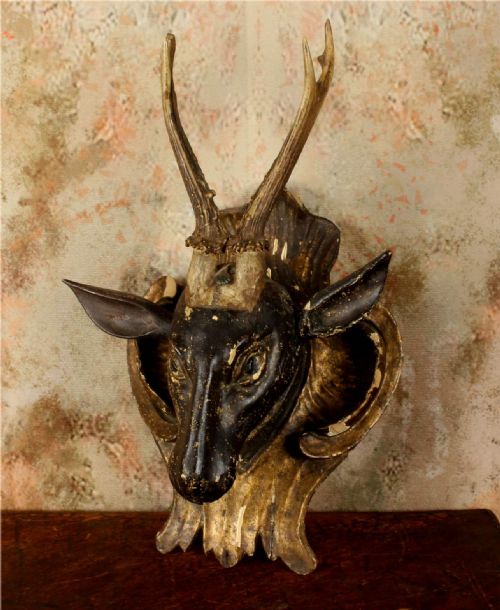
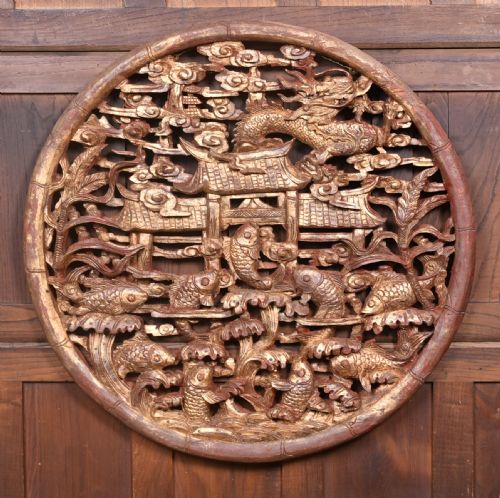
These antique gilded wall carvings bring centuries of craftsmanship to your interior, spanning French rococo putti, Italian baroque angels and Chinese temple panels.
Antique Gilded Wall Carvings
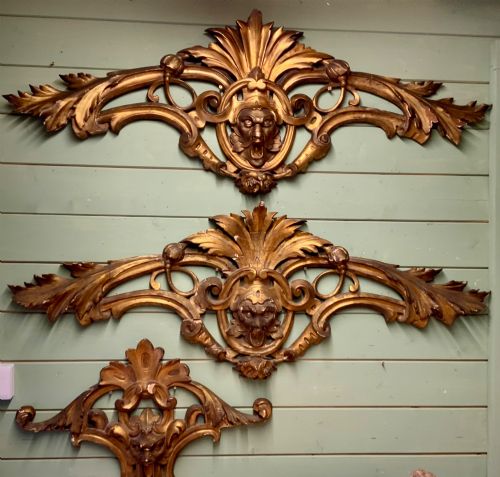
When you search for antique gilded wall carvings, you encounter architectural fragments, church salvages, mirrors and decorative panels designed to punctuate a room. The selections here span the seventeenth, eighteenth and nineteenth centuries, taking forms such as wall sconces, heraldic plaques, pediments and figural groups.
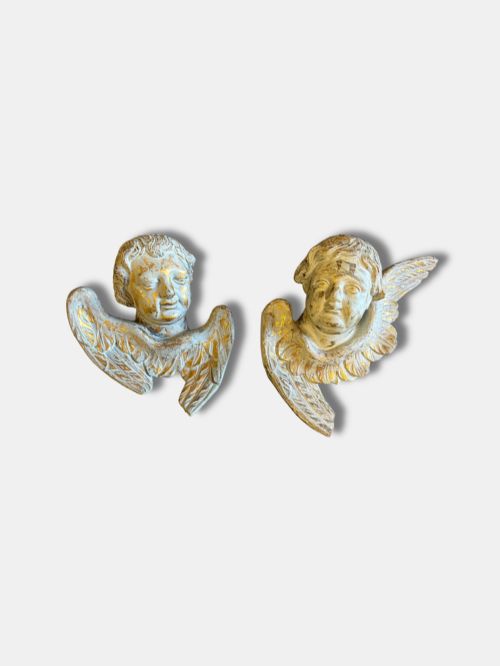
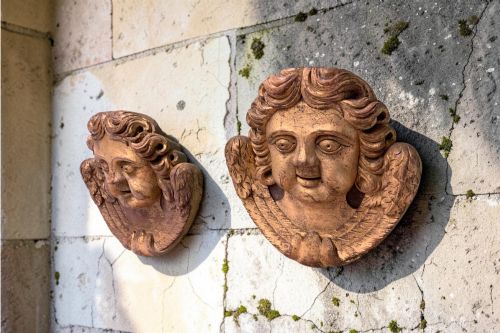
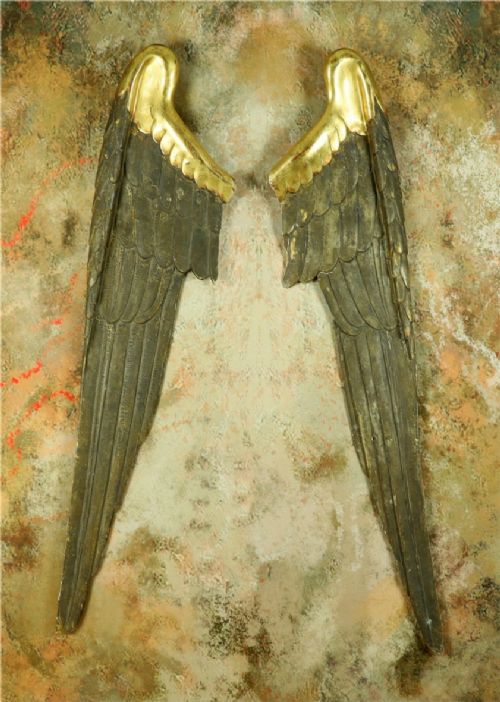
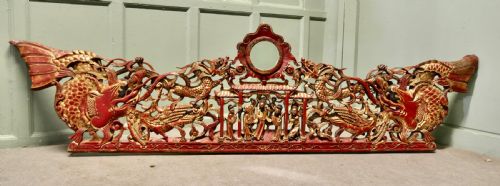
European examples lean heavily towards French and Italian ecclesiastical or baroque revivals, often depicting cherubs, putti or angel wings. Alongside these sit Chinese carved wooden plaques and temple panels featuring lacquer and gilt work from oriental workshops.
The materials and origins dictate the visual weight of each piece, whether it is a restrained Georgian Chippendale style mirror or a robust Black Forest bracket. These objects function as focal points, carrying the patina of age directly onto the wall.
Materials and construction methods
Carved wood forms the structural foundation of these pieces, utilising timber, mahogany or softer woods shaped by hand before receiving surface decoration. Artisans applied layers of gesso to smooth the grain and create a crisp bed for subsequent embellishment.
Gold leaf or giltwood finishes provide the characteristic metallic sheen, applied over the prepared gesso and occasionally combined with polychrome paint or lacquer. This traditional layering technique allows the gold to catch the light while revealing subtle traces of the red or white ground beneath as it wears.
Antique Gilded Wall Carvings Retail Price Guide 2026
Typical asking prices for gilded wall carvings among the pieces listed under this phrase on Sellingantiques today, from the lower quarter to the upper quarter. They describe what is for sale here now, not the wider market.
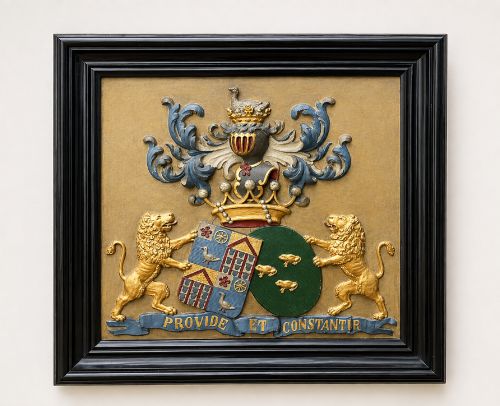
A nineteenth century Dutch marriage plaque records a union between the Van Rijckevorsel and Verheijen families in wood.
Evaluating workmanship and finish
The depth and clarity of the hand carving separate finer pieces from simpler decorative items, particularly in the rendering of facial expressions on putti and angels. Crisp undercut details and naturalistic proportions reveal the confidence of the original carver.
The integrity of the surface preparation determines long term quality, as traditional gesso and gold leaf age with a softer warmth than modern metallic paints. Well preserved gilding shows an even distribution of wear that respects the contours of the timber underneath.
The Antique Gilded Wall Carvings Glossary
- Giltwood
- Timber that has been coated with gold leaf over a prepared gesso ground. It provides a durable and luminous metallic surface that develops a soft patina over centuries.
- Gesso
- A plaster mixture applied to carved wood to create a smooth surface for gilding. It holds crisp detail and allows for intricate relief work.
- Putto
- A plump naked child figure, frequently winged, seen across Italian and French baroque carvings. These motifs originated in classical art and symbolise divine presence.
- Pediment
- The triangular or arched crown above a architectural feature or temple panel. It serves as a focal point for elaborate decorative carving.
- Pier mirror
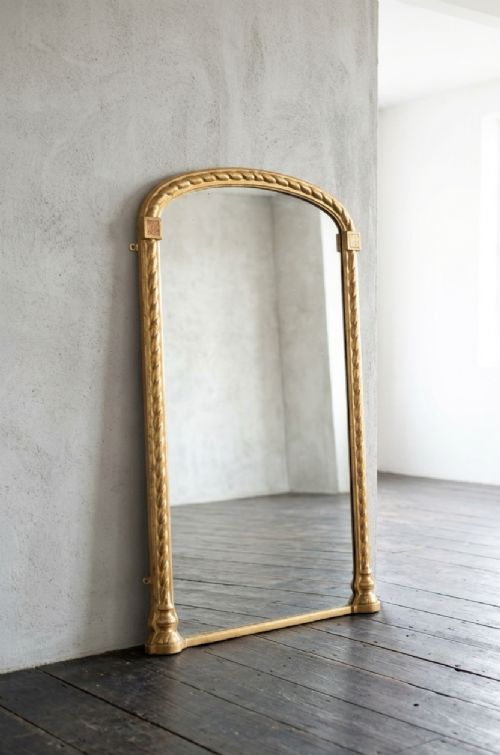
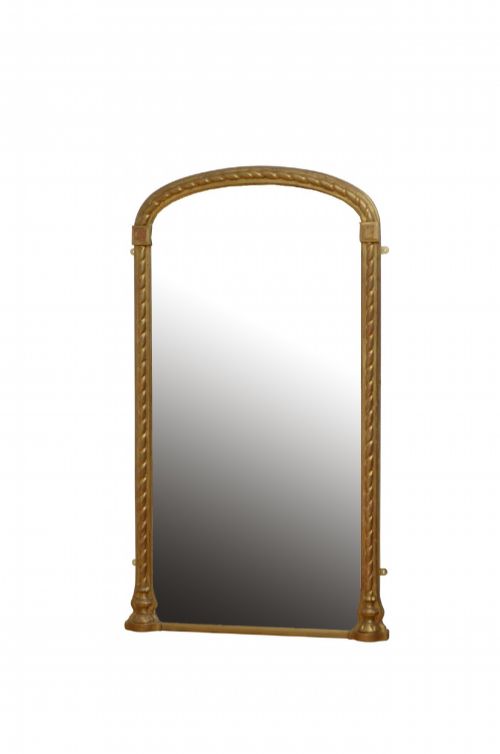
- A tall vertical glass designed to hang on the wall between windows. These often incorporate carved and gilded frames with rope motifs.
Antique Gilded Wall Carvings: Frequently Asked Questions
How do I hang heavy wall carvings?
Most substantial carved wooden pieces require sturdy wall fixings screwed directly into masonry or internal studs rather than relying on standard plasterboard hooks. Secure brackets or reinforced rear hanging points ensure the weight is safely distributed.
Because these objects often combine dense timber with heavy gesso layers, consulting a professional installer prevents damage to both the wall and the antique.
What is the difference between giltwood and gold leaf?
Gold leaf refers to extremely thin sheets of hammered gold metal applied to a prepared surface. Giltwood describes the finished object itself, where timber has been entirely covered in this gold leaf.
Understanding this distinction helps identify authentic period pieces, as older works rely on genuine leaf laid over traditional gesso grounds.
Where should I place a wall plaque?
These plaques suit prominent wall spaces where their relief work can catch natural daylight, such as above a fireplace mantel or along a hallway. Pairing them with neutral wall colours allows the gilded surfaces to stand out clearly.
Keeping them away from direct heat sources prevents the timber from drying out and protects the fragile gesso and gold leaf layers.