



Antique Gilded Glass
Antique gilded glass brings together reflective brilliance and metallic surface work, spanning from tabletop decanters and scent bottles to grand wall mirrors.
Antique Gilded Glass
When searching for antique gilded glass, buyers encounter a diverse selection of items ranging from tableware and decorative vessels to large architectural mirrors. The domestic objects take the form of decanters, pitchers, scent bottles, and wine glasses, often originating from nineteenth-century English and continental workshops.
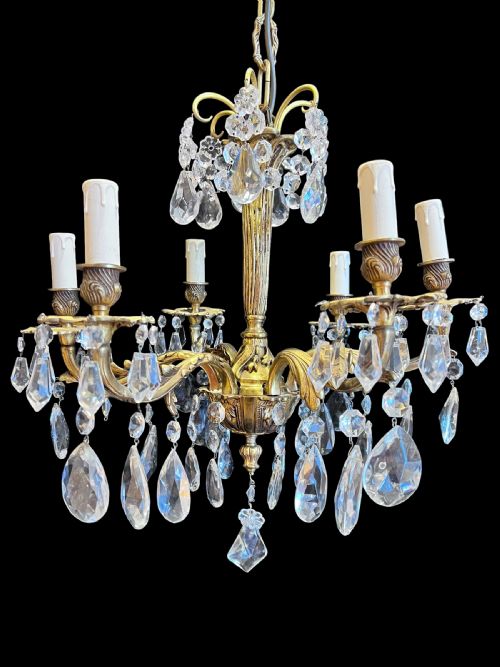
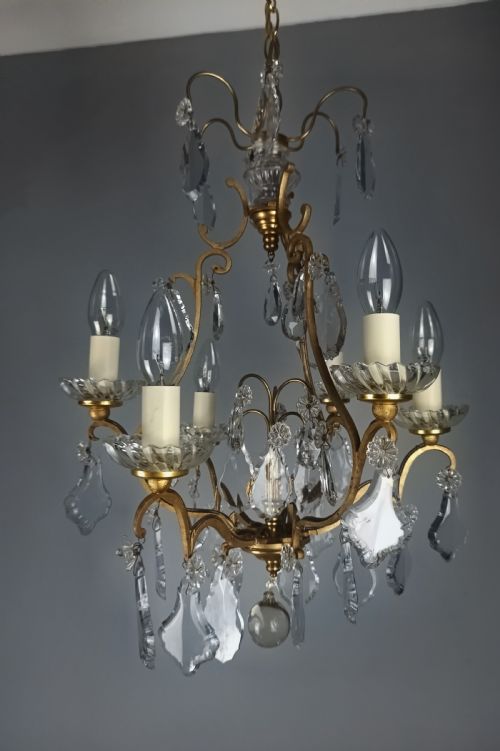
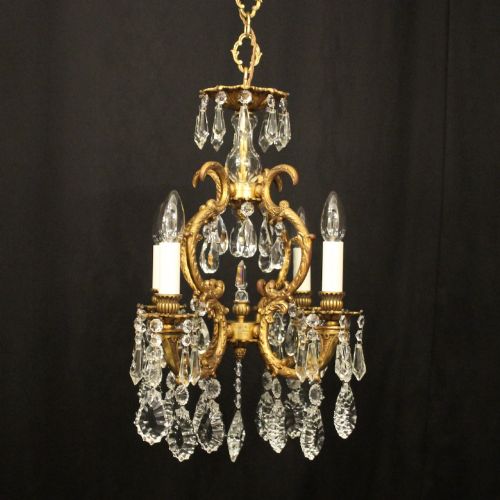
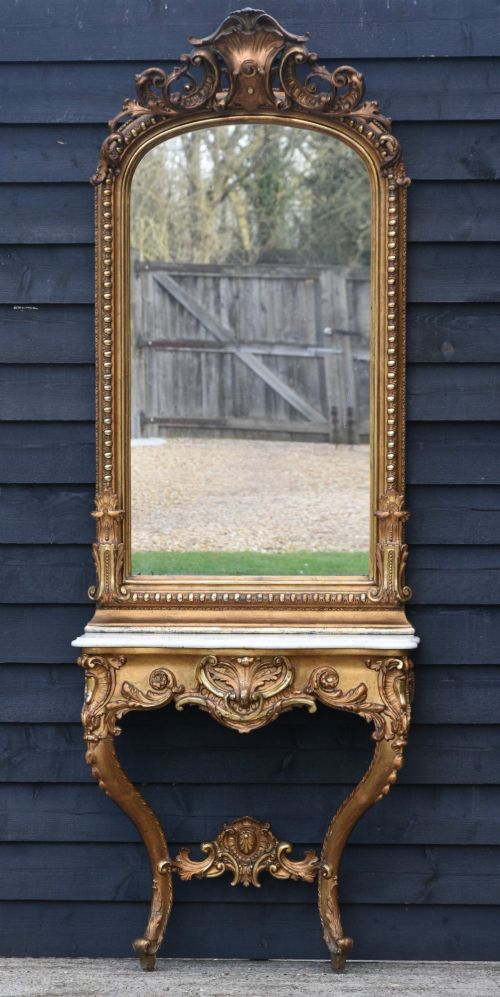
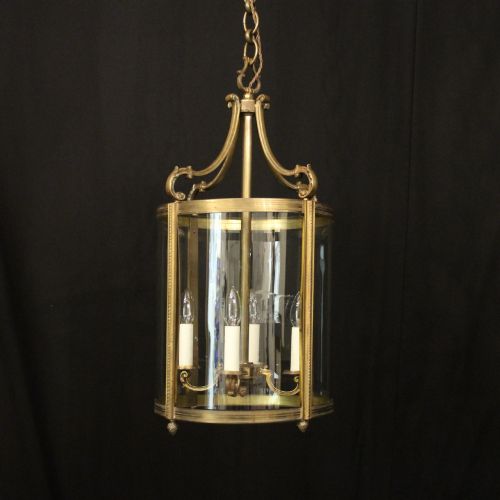
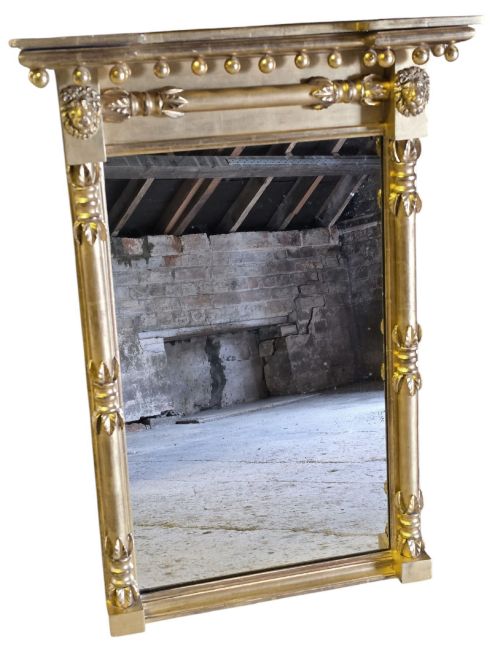
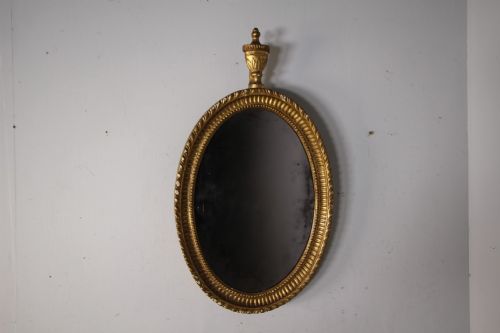
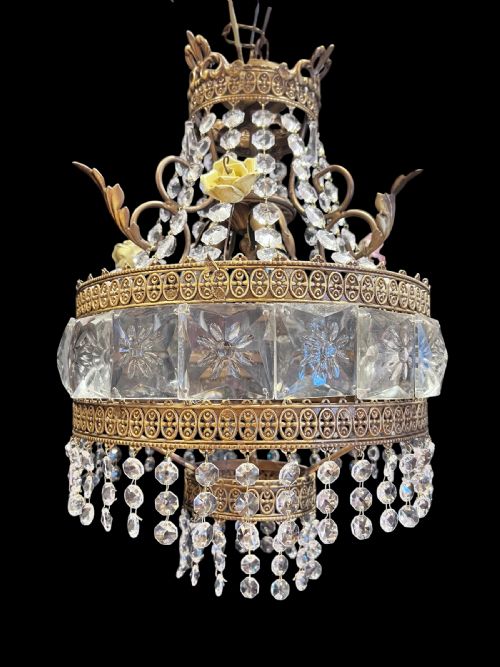
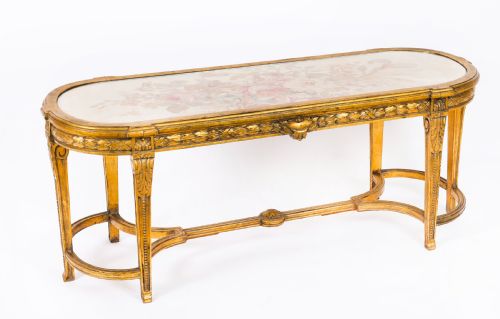
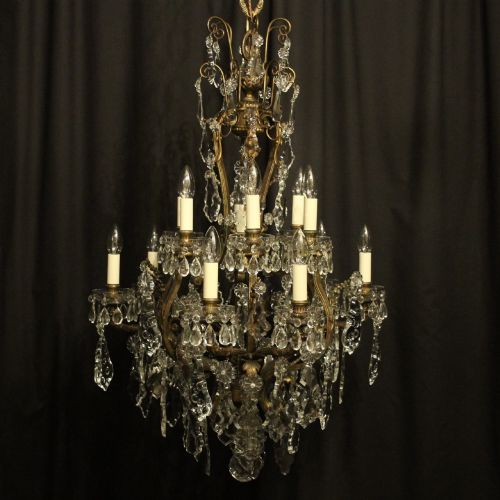
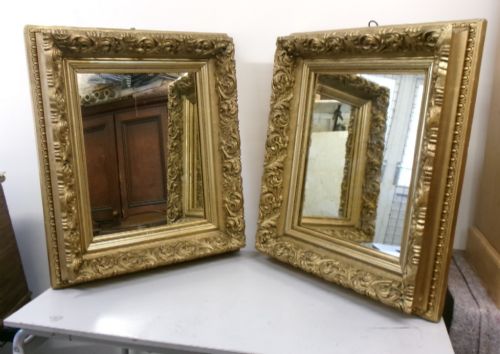
Beyond vessels, the category encompasses lighting fixtures and mirrors framed in gilded wood, gesso, and bronze. Wall mirrors, overmantel mirrors, and chandeliers utilise gilding to catch and amplify interior light across various historical periods.
The material surface bridges transparent or coloured glass with applied gold leaf, leaf paint, or gilt bronze mounts. Pieces vary from small tablewares adorned with delicate gilt accents to monumental eighteenth and nineteenth-century frames housing mirror glass.
How makers worked glass and gold
Glass bodies were formed through blowing, moulding, or cutting, utilising clear metals alongside ruby, cranberry, and overshot varieties. Artisans applied gold leaf or liquid gold paint by hand onto the cooled surface, frequently firing the pieces to bond the metallic decoration.
For larger decorative objects, wood carvers and gessoworkers constructed elaborate frames using gesso, composition, and giltwood. Gilded bronze and brass components were cast and chased separately before assembly with glass drops, crystals, or mirror plates.
Materials span from delicate cranberry glass and crystal drops to heavy gesso, giltwood, and gilded bronze.
What determines quality in these pieces
Quality rests in the crispness of the carving on wooden frames and the precision of the hand-applied gilding on glass vessels. Superior items display harmonious proportions where the metallic enrichment enhances the underlying form rather than concealing it.
The preservation of the original surface finish, whether mercury glass plates in mirrors or intact gold leaf on delicate glassware, dictates the standing of a piece. Finer examples maintain their structural joinery and original glass components without extensive modern intervention.
James Giles·Fritz Heckert·Richardsons·Josephinenhutte
The Antique Gilded Glass Glossary
- Giltwood
- Timber coated with a thin layer of gold leaf over a prepared gesso ground. This technique creates a luminous surface common on nineteenth-century mirror frames.
- Gesso
- A plaster-like mixture applied to carved wooden frames to provide a smooth base for gilding. It allows for intricate relief ornamentation.
- Overshot glass
- Glassware featuring fine trailing threads applied to the exterior body. This texture provides a contrasting ground for gilded rims.
- Mercury glass
- Double-walled blown glass coated with a silvering mixture inside the cavity. It produces a reflective, mirror-like appearance distinct from standard glass.
- Pier glass
- A tall, narrow mirror designed to hang on the wall between windows. These pieces often coordinate with console tables placed below them.
Antique Gilded Glass: Frequently Asked Questions
How do I clean antique gilded glass?
Dust surfaces gently with a soft, dry cloth to protect fragile gold leaf and painted details. Avoid liquid cleaners and harsh chemicals that lift applied metallic decoration from glass or wood.
For mirror plates and glass bodies, apply a small amount of distilled water to a microfiber cloth rather than spraying directly onto the frame. Keep moisture away from unsealed wooden backs and historic gesso grounds.
What is foxing on antique mirrors?
Foxing refers to the small dark spots and degradation that develop behind the glass plate over decades. Moisture and chemical reactions between the silvering and the backing cause this natural ageing process.
Many collectors value original foxed mercury glass for the authentic historic character it provides. It confirms the antiquity of the mirror plate rather than indicating a structural defect.
How can I date a gilded glass decanter?
Examine the pontil mark on the base of the vessel where it was snapped from the blowpipe during manufacture. Polished pontils generally point towards later production methods, while rougher marks suggest earlier periods.
Consider the style of the gilding and the tint of the glass itself alongside the pontil evidence. Comparing the decorative motifs to documented workshop patterns helps narrow down the decade of production.
Where should I place an overmantel mirror?
Position overmantel mirrors centrally above a fireplace mantelpiece to reflect light and anchor the room's proportions. Ensure the wall fixings are robust enough to support the substantial weight of carved wood and gesso frames.
Keep these large wall pieces away from direct sources of excessive heat or dampness. Stable room conditions prevent the timber frame from warping and protect the fragile gilt surface.