

Antique Geometric Wool Textile
An antique geometric wool textile brings nomadic craftsmanship and bold tribal patterns directly into modern interiors.
Antique Geometric Wool Textile
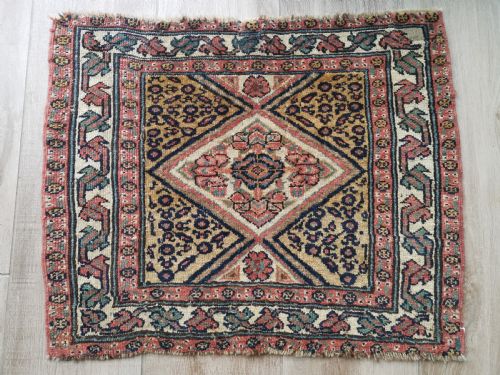
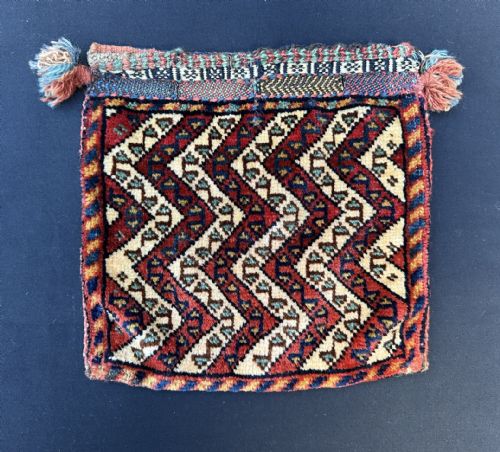
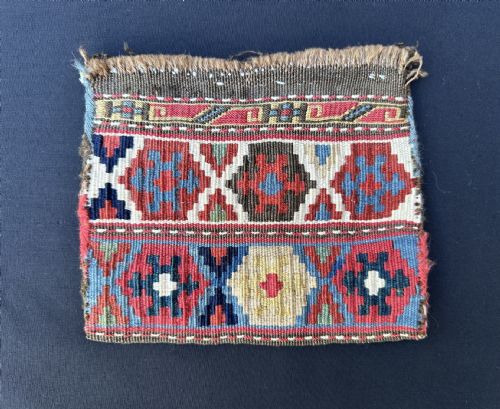
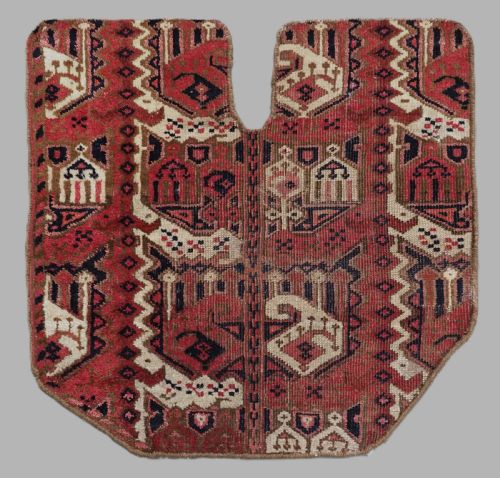
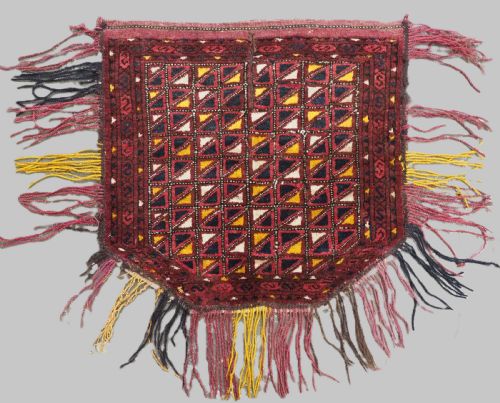
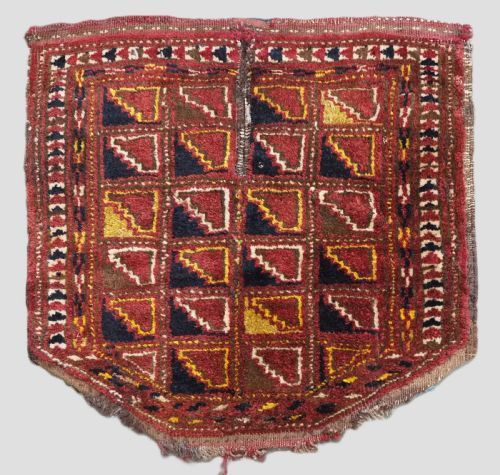
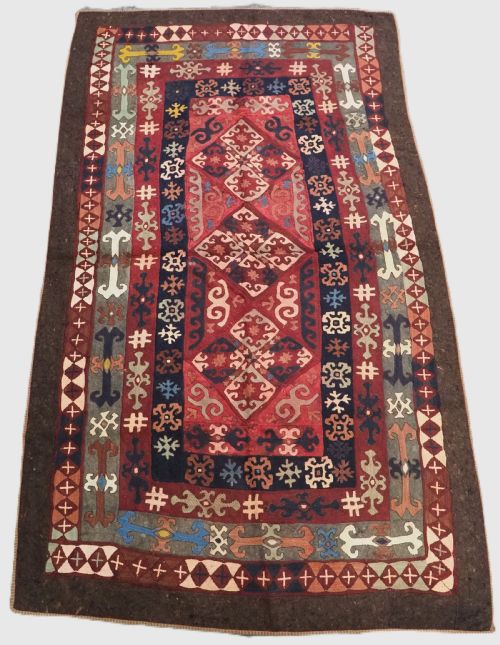
When you search for an antique geometric wool textile, you encounter woven objects created by tribal and nomadic groups across Persia, the Caucasus, and Central Asia. These items range from utility sacks and animal trappings to flat-woven covers and small rugs dating from the nineteenth and early twentieth centuries.
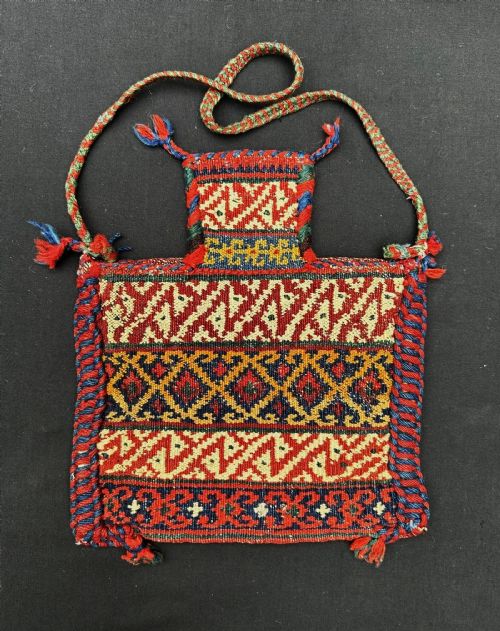
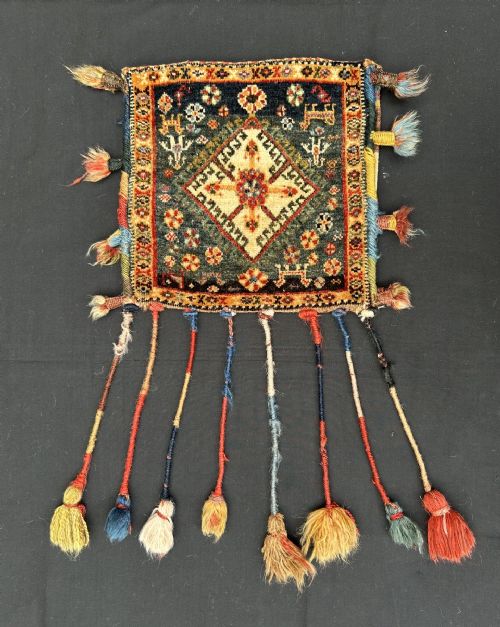
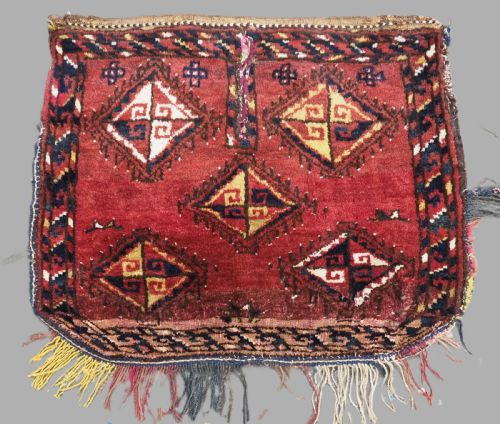
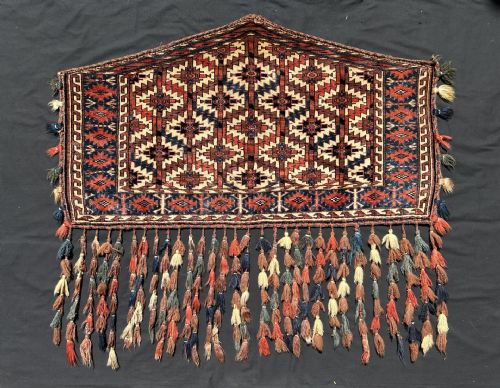
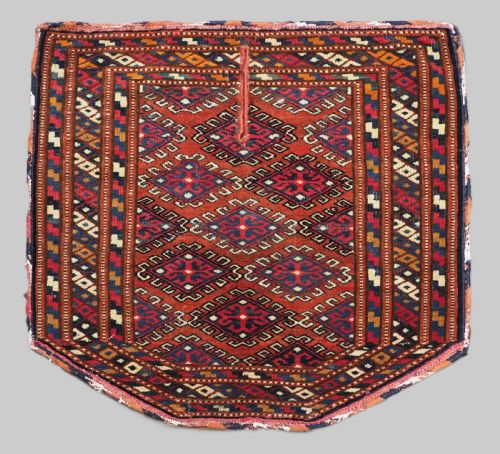
The most common formats on this page are bag faces, saddle covers, and utility bags produced by tribal confederations such as the Yomut, Ersari, Afshar, and Shahsevan. Each piece reflects the specific utilitarian needs of pastoral communities, translated through traditional rectilinear motifs.
Materials and Techniques
The makers relied primarily on hand-spun wool, sometimes paired with cotton or linen foundations, dyed using natural colour sources. These materials were worked into pile carpets, embroidered felts, and flat-woven structures like sumac.
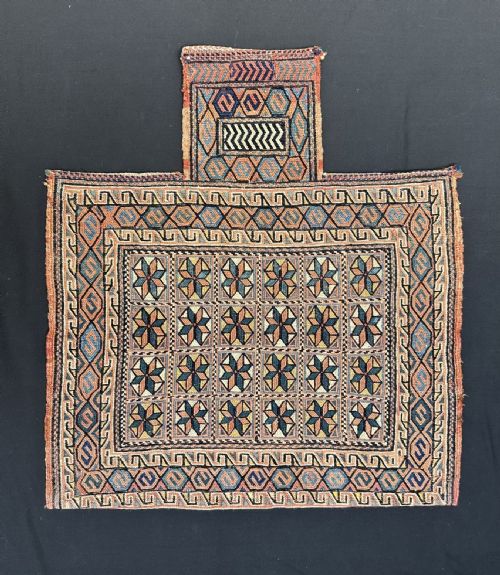
Weavers constructed structural backs and decorative faces for functional items such as salt bags, grain pouches, and dining spread cloths. The reliance on natural dyes ensures the wool ages with muted tones and distinct character.
Factors of Quality
Quality depends heavily on the fineness of the spin, the integrity of the weave, and the vibrancy or depth of the natural dyes. Tighter knotting and precise geometric execution elevate certain utilitarian bags into fine examples of weaving.
Condition also plays a part, particularly the retention of original finishes, tassels, and plain-weave backs. Pieces that maintain their structural completeness demonstrate superior survival through generations of nomadic use.
The Antique Geometric Wool Textile Glossary
- Torba
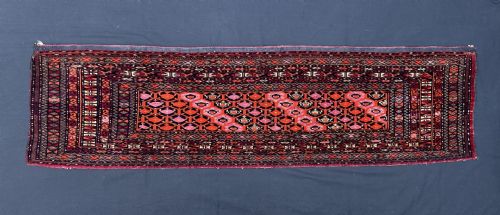
- A small Turkmen storage bag, typically wider than it is tall, used for household possessions inside a yurt. These often feature distinctive guls and geometric border designs.
- Sofreh
- A flat-woven spread used for dining, kneading dough, or ritual meals. They display minimalist tribal layouts without pile.
- Khorjin
- A pair of saddlebags linked by a central web, designed to be loaded over horses or camels. Collectors frequently encounter them separated into individual bag faces.
- Sumac
- A warp-wrapping technique that produces a durable, textured flat-weave surface without pile. Shahsevan weavers utilised this method extensively for animal trappings.
- Asmalyk
- A large, pentagonal trapping hung on the flanks of a camel during Turkmen wedding processions. They represent some of the most intricate weaving from the Trans-Caspian steppes.
Antique Geometric Wool Textile: Frequently Asked Questions
What are antique tribal bags used for?
Nomadic communities used these woven bags to store salt, grain, tobacco, and personal belongings inside tents and during migrations. They served practical daily functions as portable containers.
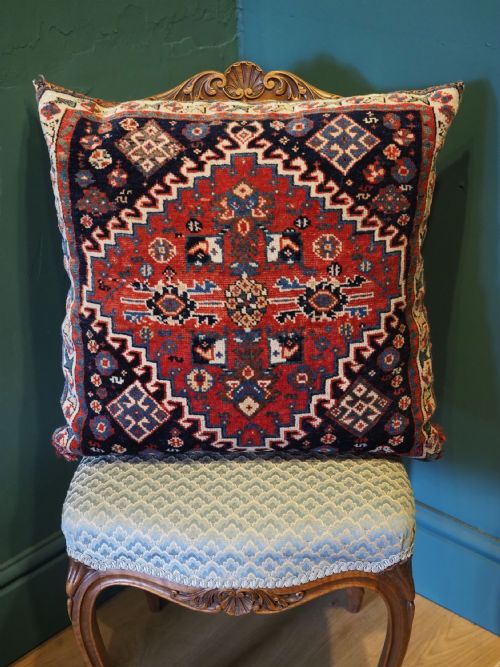
Today, collectors repurpose these sturdy utility pieces as decorative wall hangings, small floor rugs, or cushion covers in contemporary homes.
How do I identify a Turkmen rug?
Turkmen pieces generally feature deep madder-red grounds paired with repetitive octagonal or diamond-shaped motifs known as guls. They often incorporate precise geometric borders and ivory highlights.
Examining the weave structure and wool quality helps distinguish pieces made by tribes such as the Yomut, Ersari, and Tekke in Central Asia.
How do I care for an antique wool textile?
Protect antique wool textiles from direct sunlight to prevent natural dyes from fading over time. Gentle vacuuming without a beater bar removes trapped dust.
For thorough cleaning, consult a specialist experienced in handling antique vegetable-dyed carpets rather than attempting domestic washing.