

Antique Geometric Commode
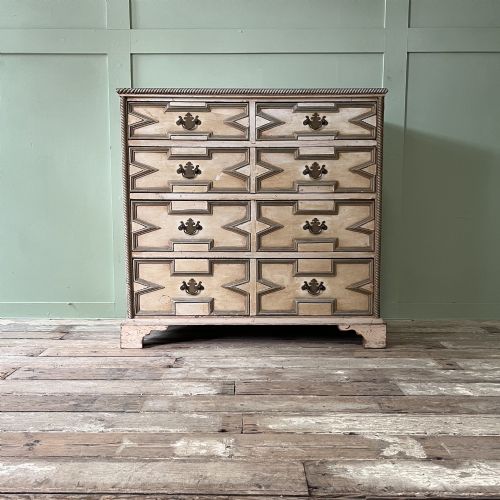
An antique geometric commode or chest of drawers brings architectural depth and seventeenth-century craftsmanship straight into a modern interior.
Antique Geometric Commode
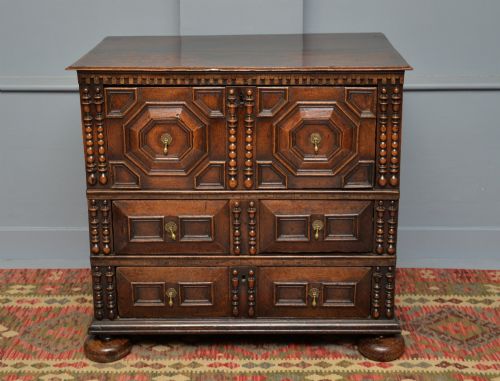
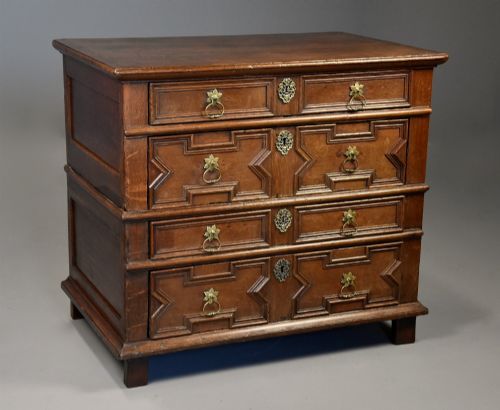
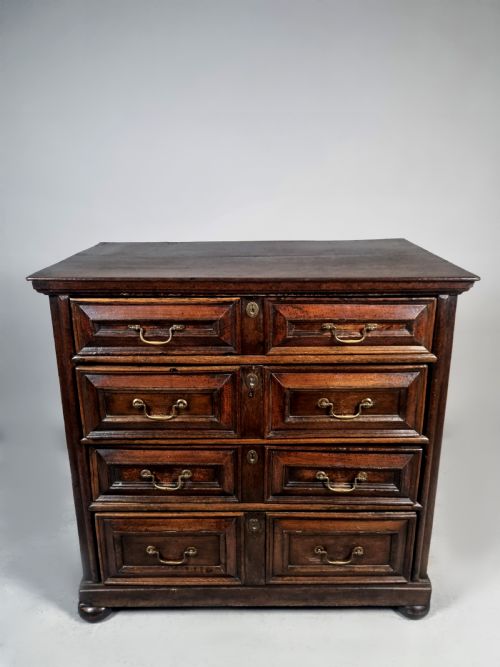
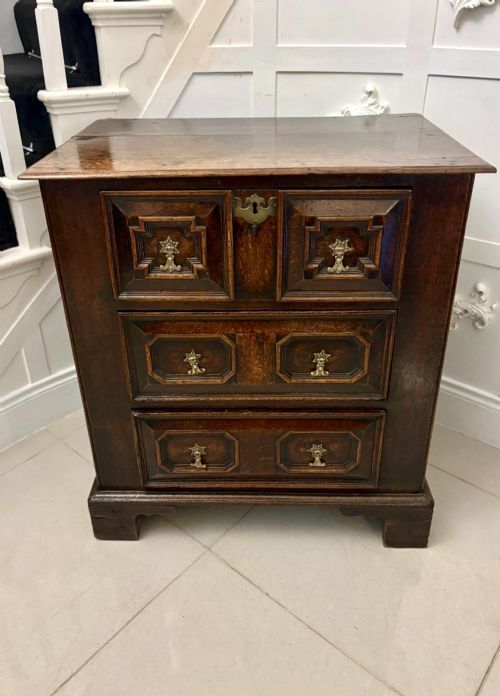
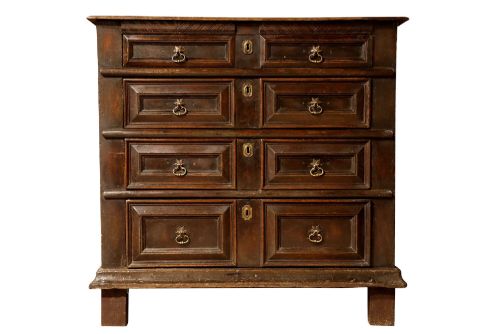
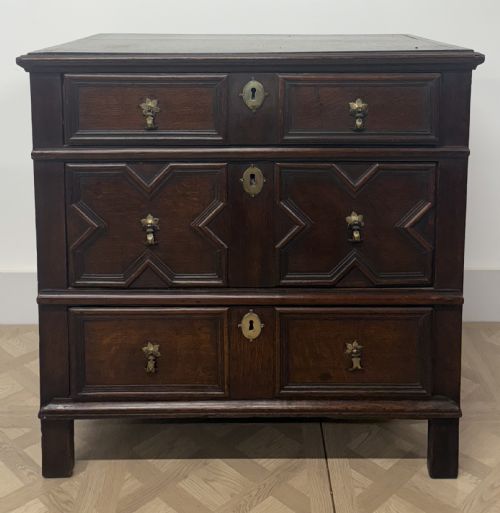
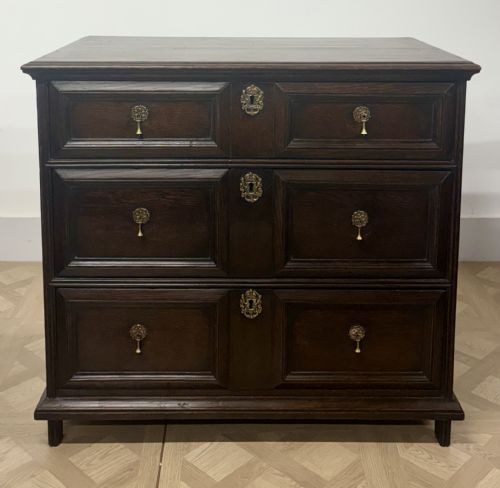
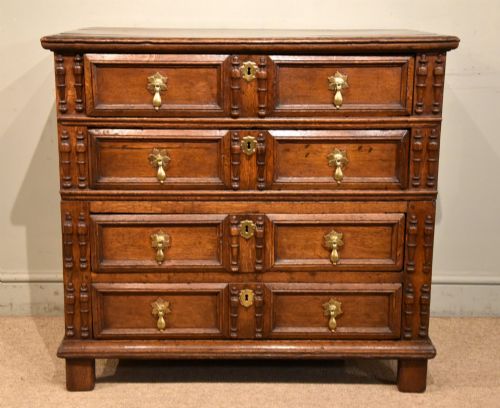
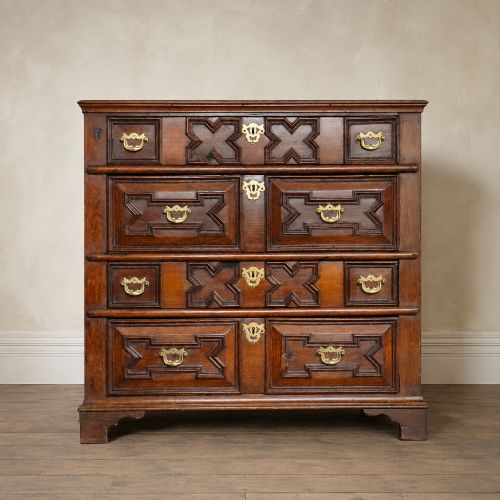
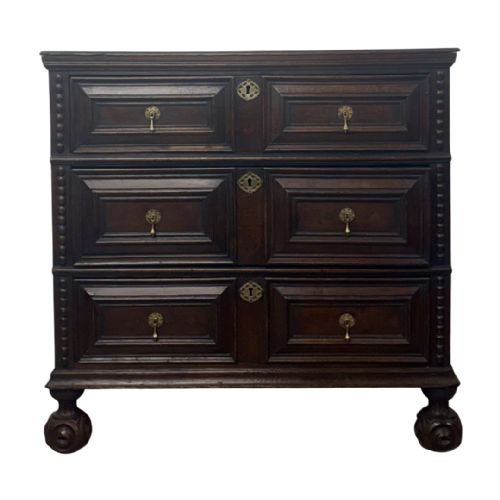
An antique geometric commode typically manifests as a sturdy chest of drawers originating from the seventeenth or eighteenth century. These items serve as functional storage while displaying striking surface patterns created by applied mouldings.
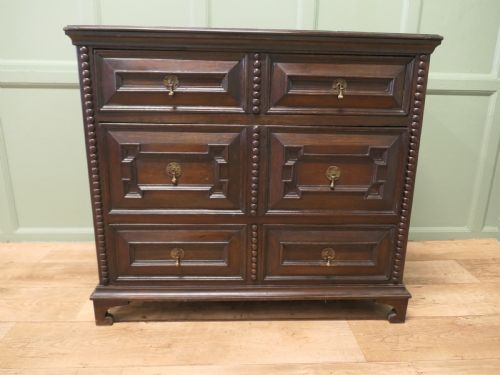
The versions most commonly encountered on this page date from the seventeenth century and showcase the heavy influence of the Charles II, Jacobean, and Carolean periods. Makers predominantly constructed them using solid timber, frequently incorporating oak and walnut into the carcass and drawer fronts.
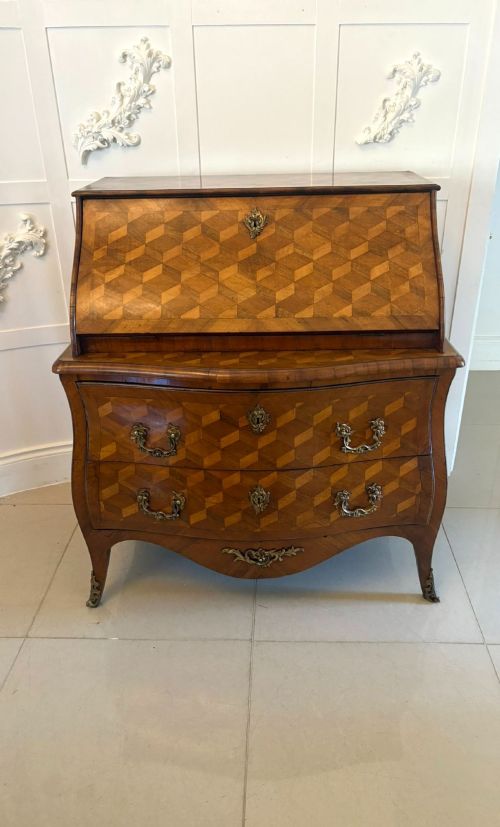
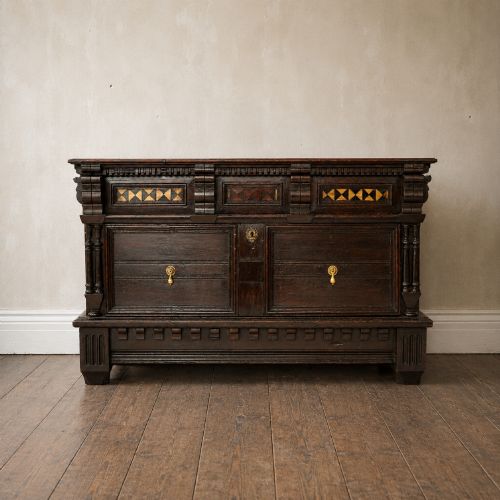
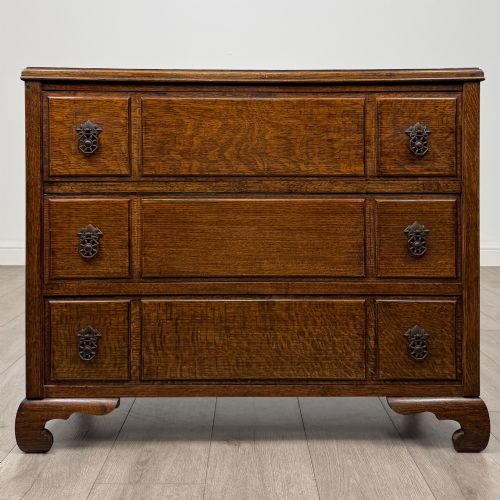
Beyond standard chests, the selection includes related forms such as desks, bombe shaped bureaux, and Italian commodes from the seventeen-fifties. These variations demonstrate how cabinetmakers adapted geometric principles across different European regions and later eras like the Edwardian period.
How they were made
Cabinetmakers constructed these pieces primarily from native hardwoods, relying heavily on oak, walnut, and fruitwood alongside secondary elements like paint. Artisans shaped timber using hand tools to build robust two-part or single-carcass chests designed to endure decades of daily use.
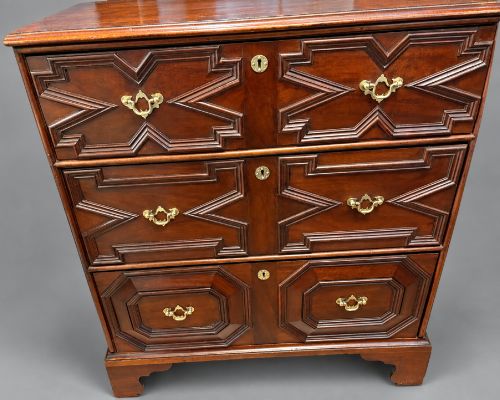
The signature geometric aesthetic relies on applied mouldings fixed to the drawer fronts in repeating strapwork, panel, and octagonal designs. Workshops also utilised decorative techniques such as oyster veneering and parquetry inlay to produce intricate surface patterns across walnut and fruitwood panels.
Metal hardware played a crucial functional and decorative role, with makers attaching brass handles and escutcheons to secure the drawers. Ormolu mounts and iron components occasionally appear on continental pieces, adding contrast to the timber surfaces.
Antique Geometric Commode Retail Price Guide 2026
Typical asking prices for geometric commode among the pieces listed under this phrase on Sellingantiques today, from the lower quarter to the upper quarter. They describe what is for sale here now, not the wider market.
Listings for this phrase feature oak, walnut, and fruitwood timbers predominantly across seventeenth and eighteenth-century forms.
What varies in quality
The standard of an antique geometric commode depends heavily on the crispness and complexity of the applied mouldings on the drawer fronts. Pieces with deeply cut, precisely fitted geometric patterns demand greater joinery skill than simpler, flatter designs.
The choice and figuring of the timber significantly influence the overall character of the chest. Cabinets utilising well-matched oyster veneers or finely grained walnut and fruitwood generally demonstrate a higher tier of workshop production than plain oak examples.
The survival of original surface finishes and mounting hardware elevates the desirability of a piece. Retaining period brasses and untouched timber patination preserves the integrity of the original maker's design.
Sir Clough Williams-Ellis
The Antique Geometric Commode Glossary
- Commode
- A low chest of drawers or cabinet designed for domestic storage. The term often describes continental European pieces alongside traditional British examples.
- Geometric commode
- A storage chest featuring decorative applied mouldings arranged in repeating patterns across the drawer fronts. This style is particularly associated with seventeenth-century English cabinetmaking.
- Oyster veneering
- A technique where small branches or twigs are cut transversely to produce circular or oval veneers resembling oyster shells. Artisans arranged these slices closely together to create intricate, repeating surface patterns on furniture.
- Parquetry
- A geometric mosaic of wood pieces used for decorative surfaces on furniture. Craftsmen laid contrasting timbers into tabletops and drawer fronts to form angled patterns.
- Bombe
- A swelling, bulging contour found on furniture fronts and sides, popular in eighteenth-century continental design. This curved silhouette requires advanced woodworking techniques to shape the timber accurately.
- Escutcheon
- A flat plate of brass or iron surrounding a keyhole. It protects the surrounding wood from wear and adds a decorative accent to the drawer front.
Antique Geometric Commode: Frequently Asked Questions
What is a geometric chest of drawers?
A geometric chest of drawers is a storage piece defined by raised wooden mouldings arranged in patterns on the front. These designs originated largely in the seventeenth century during the Charles II and Jacobean periods.
Cabinetmakers built these items primarily from solid oak and walnut, creating tactile, architectural surfaces. They remain practical storage units that also function as striking historical focal points in a room.
How do I date a seventeenth-century oak chest?
Dating these chests relies on examining construction methods, timber choice, and the style of the applied mouldings. Seventeenth-century examples frequently feature hand-split oak panels, pegged joints, and distinctive geometric drawer framing.
Later pieces may incorporate secondary woods or different veneering techniques that reflect the transition into the eighteenth century. Comparing the hardware holes and interior timber sides helps confirm the period of manufacture.
Where were these commodes used originally?
These pieces served as essential bedroom and parlour storage furniture in large homes and merchant houses. Their deep drawers held clothing, linens, and personal valuables securely.
In contemporary spaces, they adapt easily to living rooms, hallways, or studies as statement storage surfaces. Their flat tops provide convenient display space for lamps, books, or decorative objects.
How do I care for an antique oak chest?
Maintaining an antique timber chest involves keeping it away from direct heat sources and sudden humidity changes. Extreme environmental shifts cause solid woods like oak and walnut to warp or split.
Applying a gentle beeswax polish occasionally helps nourish the historic timber surface and preserve its natural patination. Avoid modern liquid cleaners that can strip the aged finish.