
Antique Gentlemen Cane
An antique gentlemen cane combines practical support with concealed craftsmanship, offering a glimpse into the personal accessories of past centuries.
Antique Gentlemen Cane
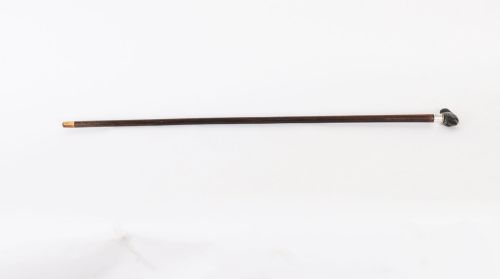
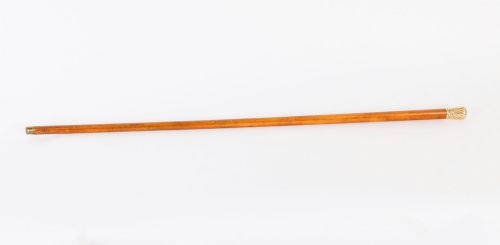
An antique gentlemen cane serves as a traditional walking support, often housing hidden blades or decorative pommels for the user. These pieces appear frequently in Victorian and Edwardian periods, reflecting the daily attire and social standing of the era.
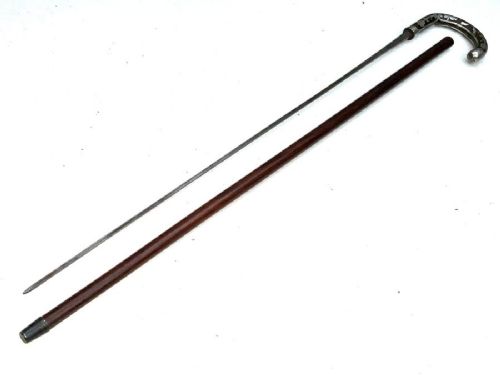
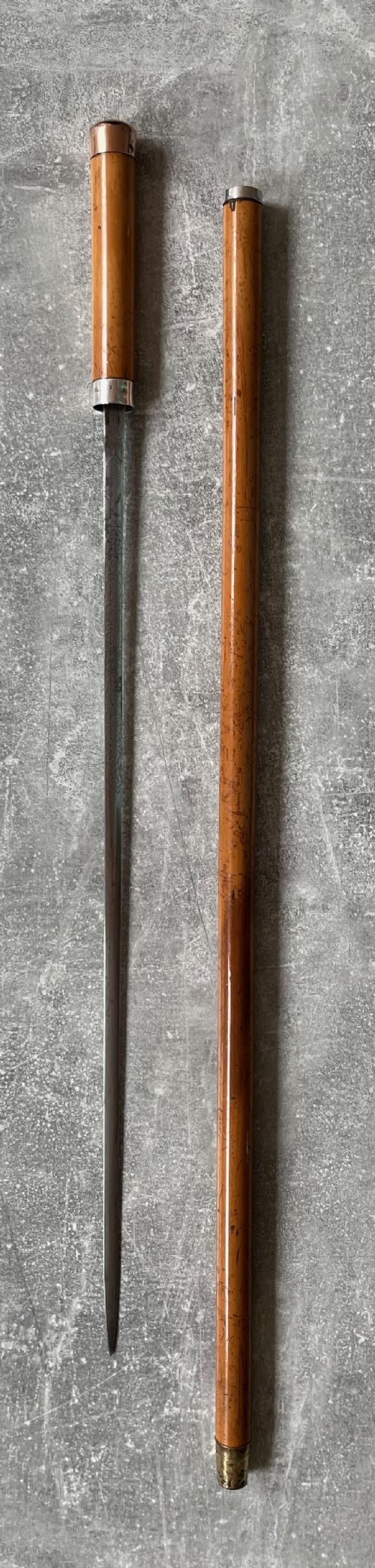
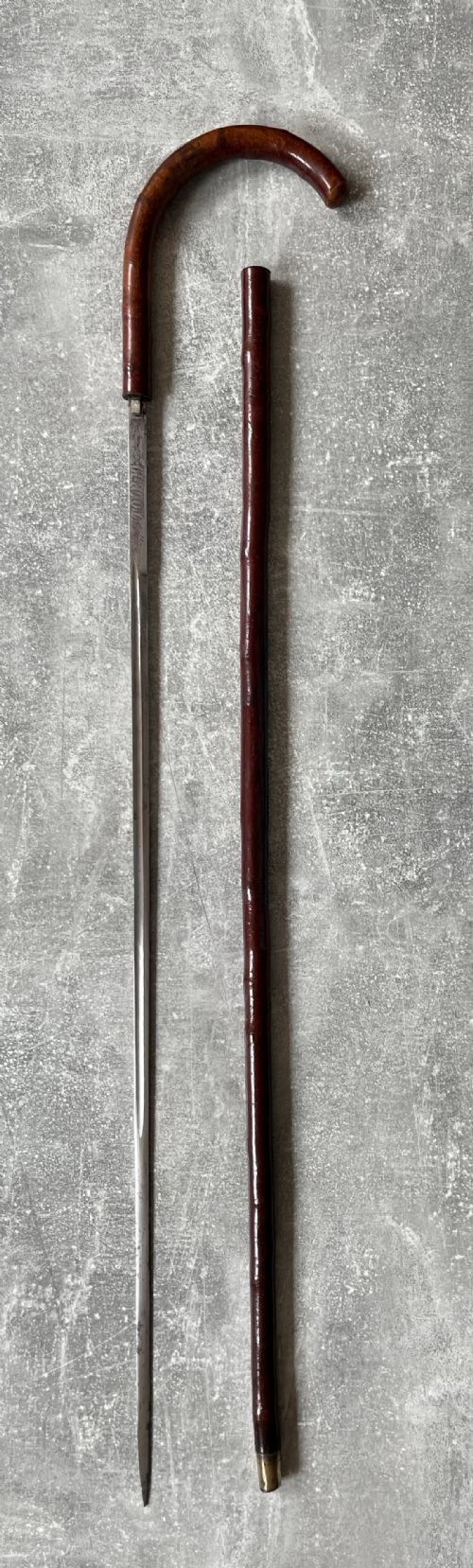
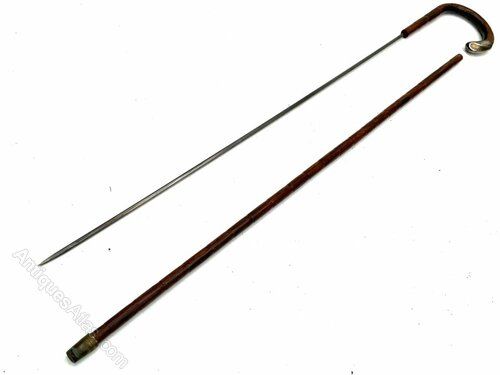
The selections span standard walking sticks to complex sword sticks featuring concealed Toledo blades. Makers utilise traditional timbers like malacca, partridge wood, cherrywood, and rosewood for the shafts.
Origin points range from British workshops to French studios and Imperial German military makers. Collectors encounter diverse regional styles, including traditional Irish blackthorn and Masonic commemorative items.
How they were made
Craftsmen shape natural hardwoods and bamboo into straight, durable shafts, frequently pairing them with metal collars and fitted tips. Smiths forge steel blades, such as Toledo steel, to fit precisely within the hollow interior of sword sticks.
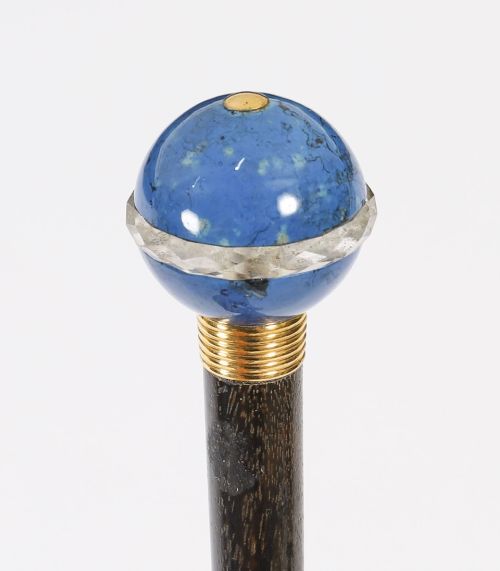
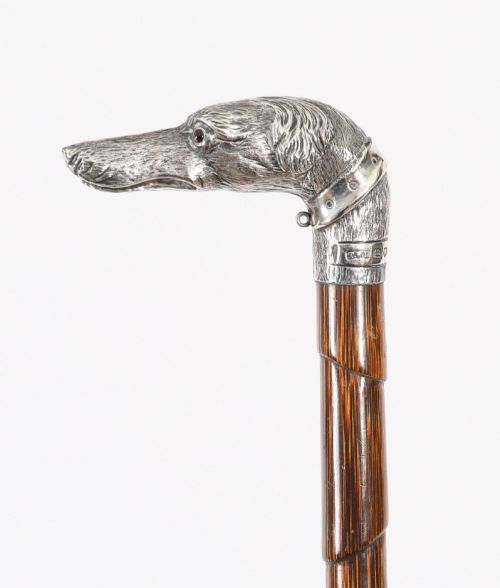
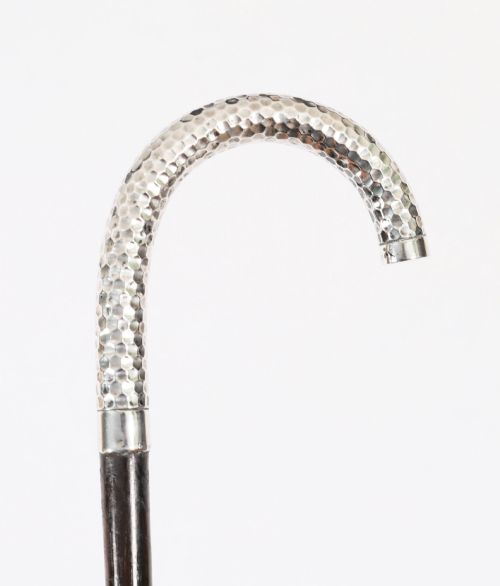
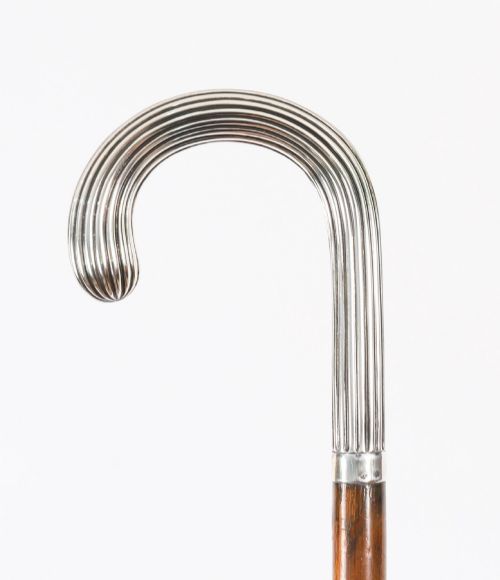
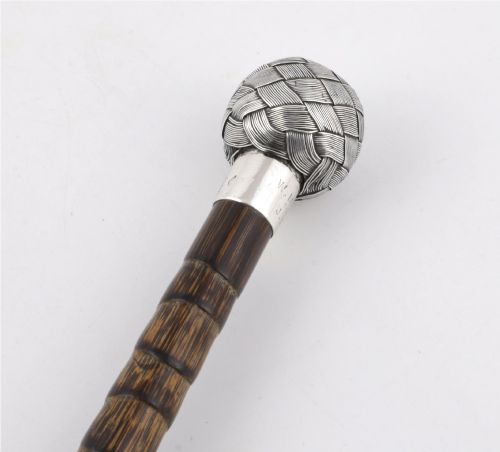
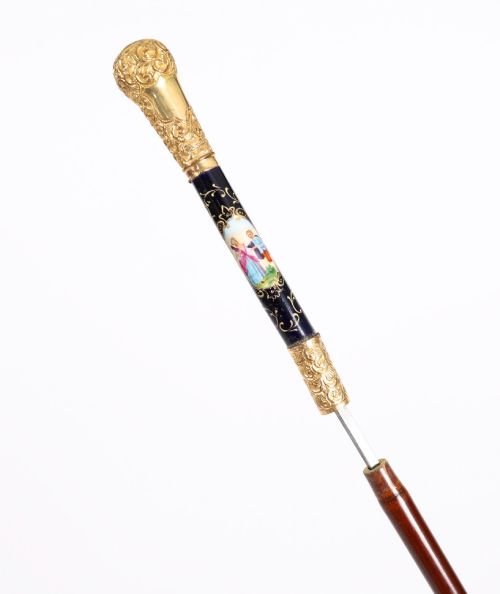
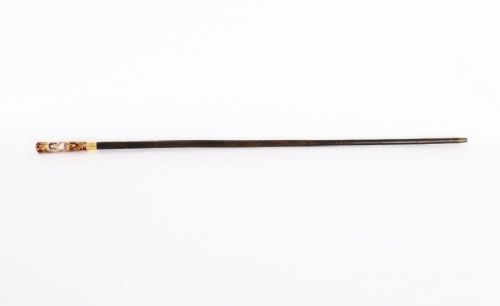
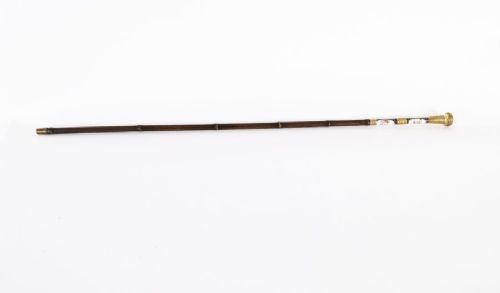
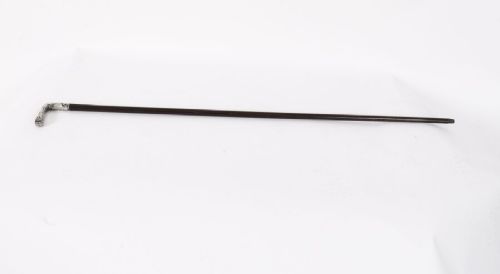
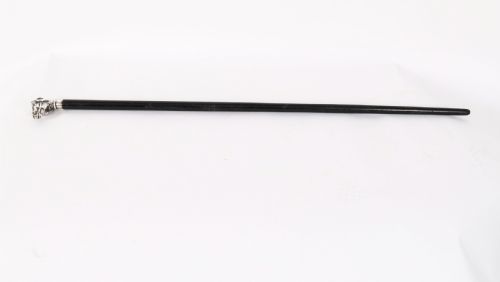
Handles incorporate cast silver, gold plate, horn, antler, and Sevres porcelain, attached securely to the main shaft. Artisans apply detailed carving, silver wire wrapping, or decorative motifs like animal heads to the pommels.
Listings feature 19th Century, Victorian, and Edwardian periods alongside materials including silver, gold, brass, horn, and various hardwoods.
What varies in quality
The distinction between standard examples and superior work lies in the refinement of the handle and the origin of the blade. Master smiths sign high-grade blades, while lesser pieces rely on unmarked steel.
Materials dictate the upper tier of production, where precious metals, lapis lazuli, or hand-painted porcelain replace simple wood or horn. The precision of the button release mechanism for concealed blades also marks the standard of construction.
Briggs·Wilkinson·Henry Borlase Stevens
The Antique Gentlemen Cane Glossary
- Pommel
- The decorative handle at the top of a walking stick. It provides a comfortable grip and displays the primary ornamentation.
- Sword stick
- A walking cane containing a concealed blade within the shaft. A button or screw mechanism secures the blade until release.
- Malacca
- A type of rattan cane prized for its strength and mottled brown skin. It serves as a traditional material for walking sticks.
- Toledo blade
- A steel blade produced in Toledo, Spain, known for flexibility and durability. Makers frequently integrate these into nineteenth-century sword sticks.
- Sevres porcelain
- Fine ceramic material produced near Paris, utilised for decorative handles on French walking canes.
Antique Gentlemen Cane: Frequently Asked Questions
What is an antique gentlemen cane?
An antique gentlemen cane is a historical walking aid produced primarily during the nineteenth and early twentieth centuries. Many incorporate functional elements, such as hidden blades or specialised compartments.
These accessories reflect the fashion and utility demanded by gentlemen of the period. Materials range from simple hardwoods to decorated silver and porcelain pommels.
What materials are used for handles?
Handles incorporate cast silver, gold plate, 18 carat gold, and carved horn or antler. Some feature luxury materials like lapis lazuli or Sevres porcelain.
Figural carvings representing animal heads, such as greyhounds or boars, appear frequently on nineteenth-century examples.
How do I care for my cane?
Store wooden shafts away from direct sunlight and extreme humidity to prevent warping. Treat metal mounts and silver collars with appropriate soft cloths to maintain the finish.
Avoid applying harsh chemical cleaners to porcelain or painted surfaces on the handle.