
Antique Genre Scene Painting
An antique genre scene painting captures everyday life with quiet observation, offering a window into domestic interiors and human moments from past centuries.
What these pieces are
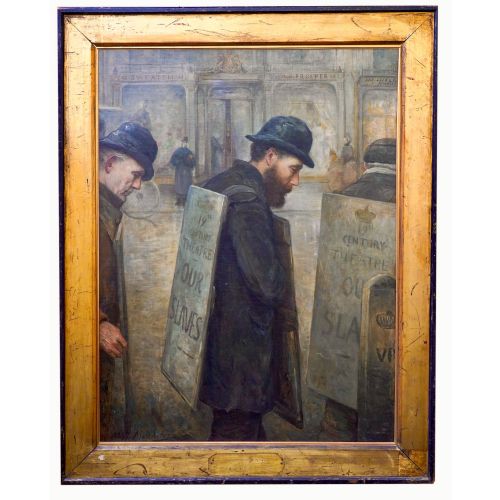
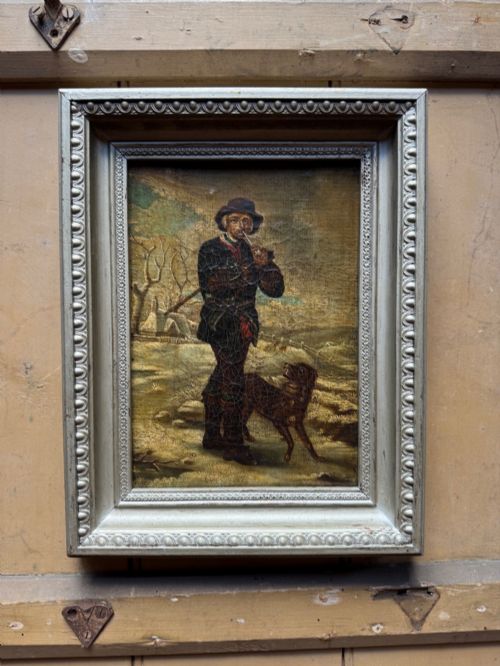
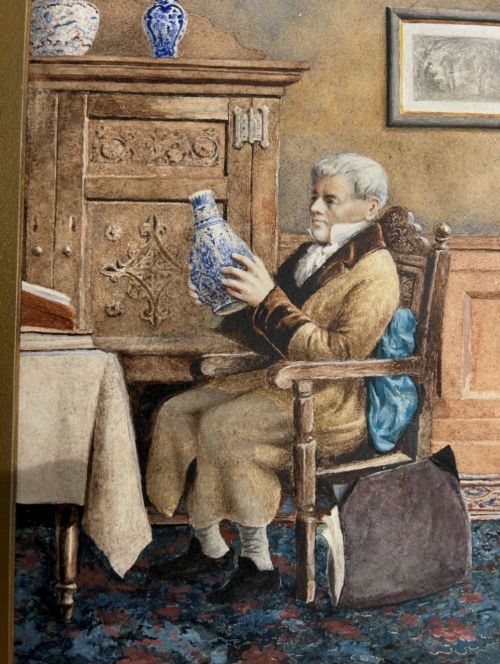
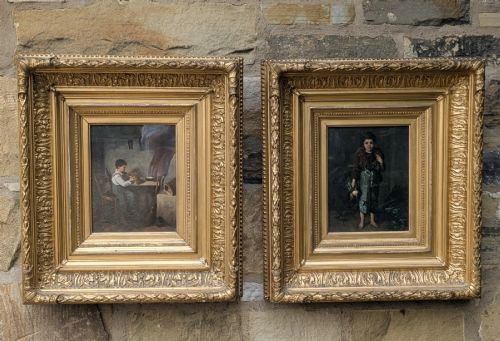
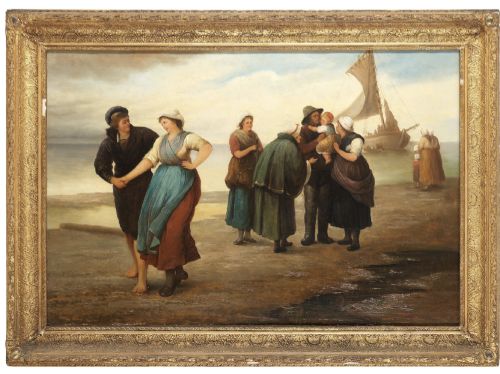
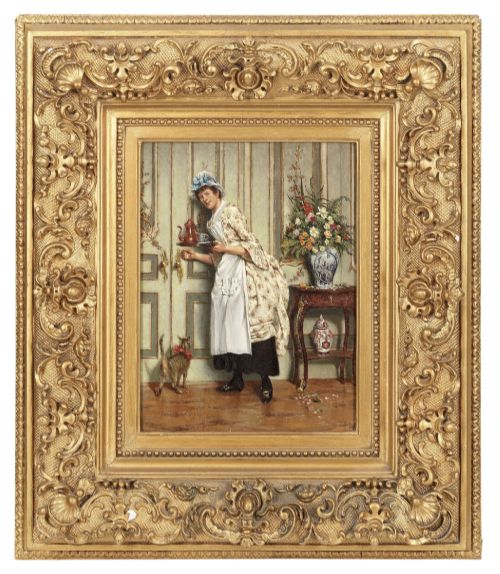
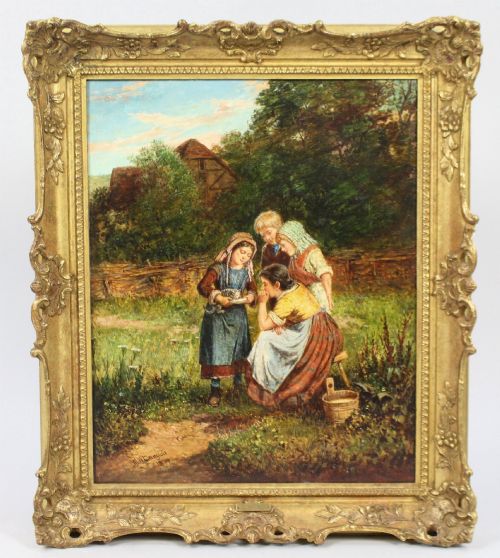
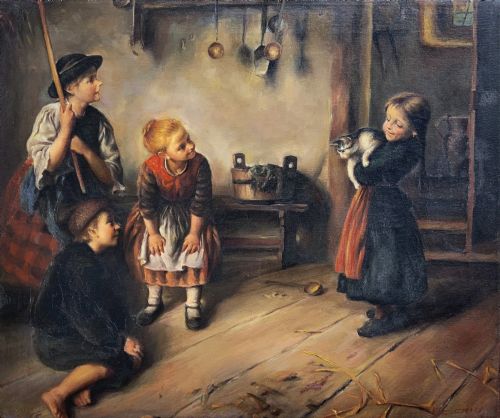
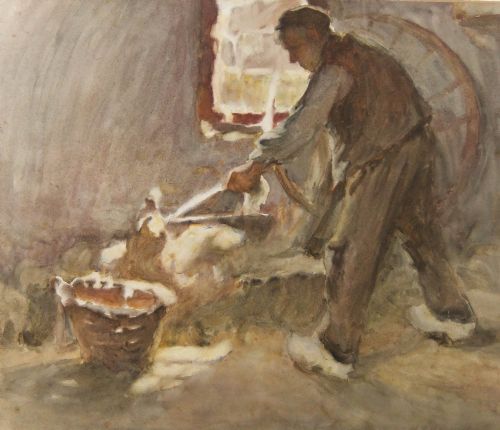
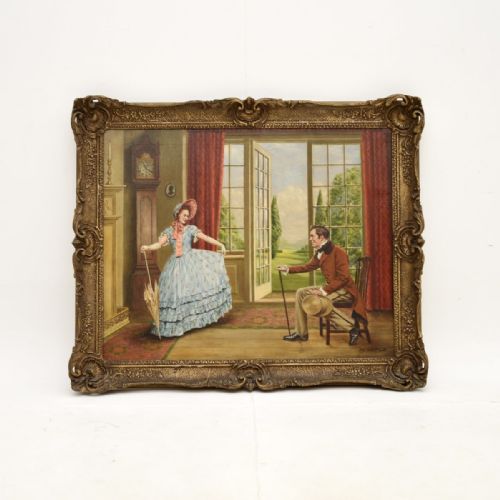
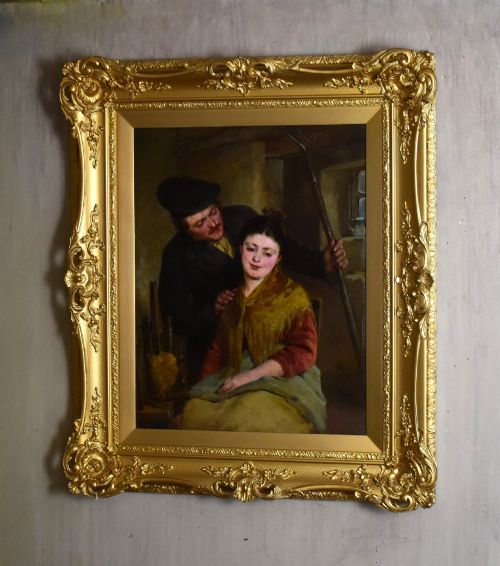
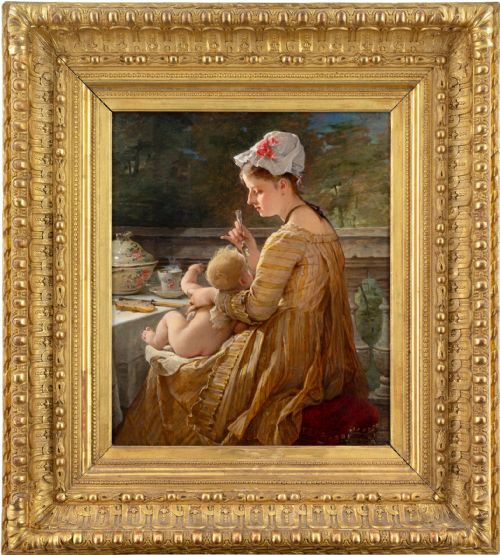
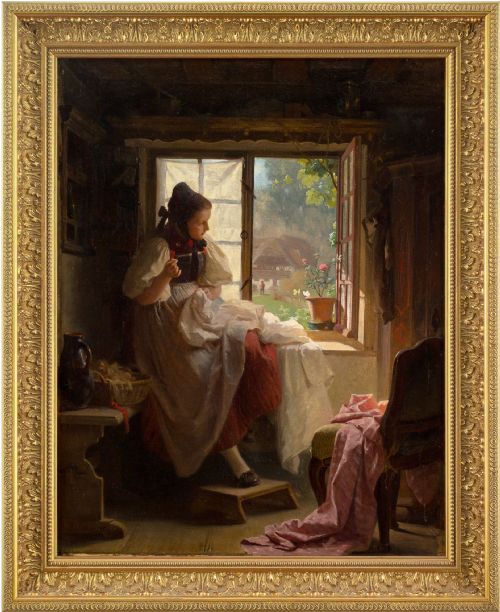
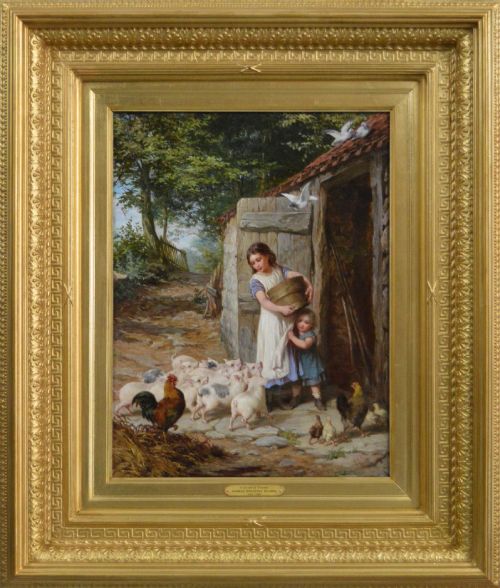
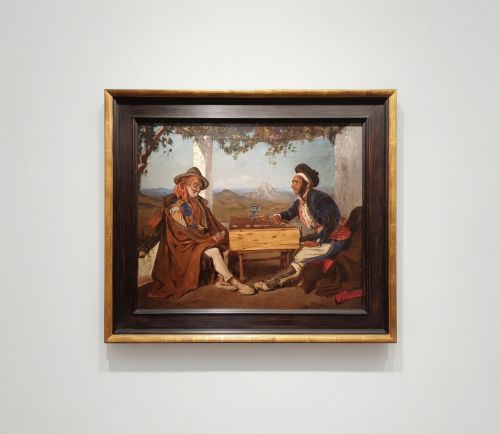
An antique genre scene painting portrays ordinary people engaged in daily activities, meals, or leisure rather than grand historical or mythological moments. These works range from intimate domestic interiors to outdoor gatherings by a lake or camp fire.
The pieces on this page draw from the nineteenth century, eighteen-hundred, and the Dutch School tradition. Buyers often encounter Victorian examples, academic compositions, and realist interpretations of everyday existence.
Common subjects include family meals, quiet rests, and social gatherings in the manner of earlier Dutch masters. Such paintings bring warmth and narrative depth to a room through their focus on human stories.
How they were made
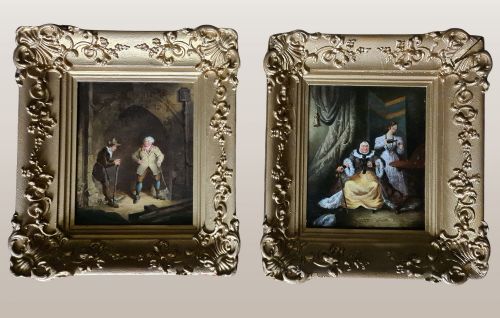
These works employ oil paint applied to canvas or wood panel supports. The combination of oil medium and prepared wooden panels allows for fine brushwork suited to detailed interior lighting.
Many examples are housed in original or period frames featuring giltwood and dark wooden surrounds. The framing complements the warm tones and narrative focus of the oil paintings.
Retail Price Guide 2026
Typical UK retail prices for genre scene painting, calculated from the Sellingantiques database of over a million retail prices indexed since 2003. This retail price guide relies exclusively on Sellingantiques data; no external sources or auction records are used, so the figures do not describe the wider market.
Listings feature oil paintings on canvas and wood panel from the eighteenth and nineteenth centuries, including Victorian and Dutch School styles.
What varies in quality
The distinction between standard and superior pieces rests on the handling of light and the expression of human interaction within the scene. Masterful brushwork gives texture to fabrics and depth to domestic interiors.
Provenance and attribution to recognised artists or well-documented artistic circles elevate certain works. The quality of the supporting wood panel and the preservation of the original oil surface also shape the standing of a piece.
Adelaïde Salles Wagner·Alexander Rosell·Quirijn Van Brekelenkamp·Wilhelm Alexander Meyerheim·Jan Steen·Hugo Mieth·Hutton Mitchell
The Antique Genre Scene Painting Glossary
- Oil on canvas
- A traditional painting technique utilising pigments suspended in drying oils applied to a stretched cloth support. This method allows for rich colour blending and large-scale compositions.
- Wood panel
- A rigid support base made from timber used for painting before canvas became dominant. Panels provide a smooth surface that preserves fine detail over centuries.
- Giltwood
- Wood carved and covered with a thin layer of gold leaf or gold paint. This material enhances the presentation of antique frames.
- Dutch School
- A historical designation for artists working in the Netherlands, known for meticulous attention to domestic lighting and everyday realism. This style heavily influenced later nineteenth-century interpretations of genre subjects.
- Genre scene
- An artistic representation of subjects from everyday life, such as market scenes, domestic interiors, and social gatherings. These works focus on ordinary people rather than nobility or deities.
Frequently Asked Questions
What is an antique genre scene painting?
An antique genre scene painting depicts everyday life, such as domestic meals, quiet rests, or social gatherings. These works focus on ordinary people rather than historical events.
They offer insight into the social habits and domestic spaces of past centuries through the medium of oil paint on canvas or panel.
How were these paintings housed?
Many of these works are presented in period surrounds made of dark wood or giltwood. These frames provide structural support and complement the aesthetic of the nineteenth-century interior.
Original frames often show signs of age that match the canvas or panel they enclose.
How do I distinguish different periods?
Periods are often identified through clothing styles, interior furnishings, and painting techniques. Nineteenth-century academic and realist works tend to feature different handling of light compared to pieces inspired by the Dutch Golden Age.
Examining the wood panel or canvas preparation also helps determine the era of execution.
Where should I hang these paintings?
These works suit traditional living spaces, studies, or dining rooms where their narrative qualities can be appreciated up close. Their intimate domestic subjects harmonize well with classic interior decor.
Care should be taken to place oil paintings away from direct sunlight and excessive moisture.