
Antique Gemstone Drop Pendant
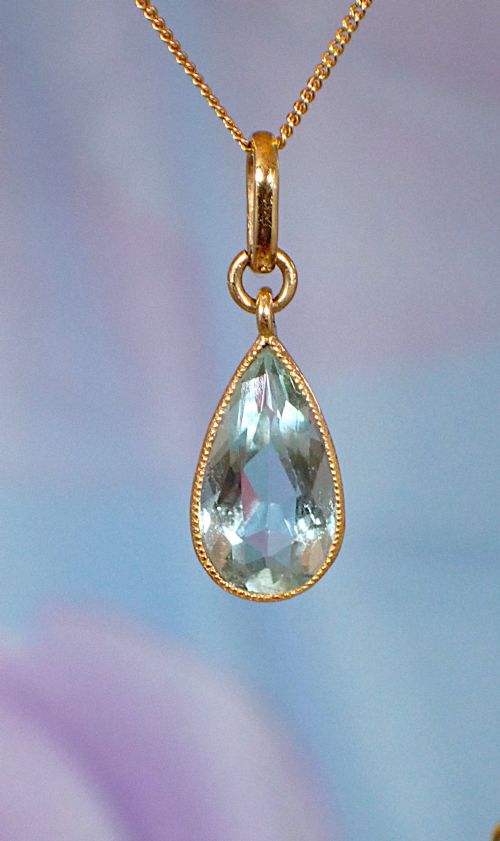
An antique gemstone drop pendant suspends a carefully cut stone from a fine chain, offering the distinctive grace of Edwardian, Victorian, and Art Deco jewellery.
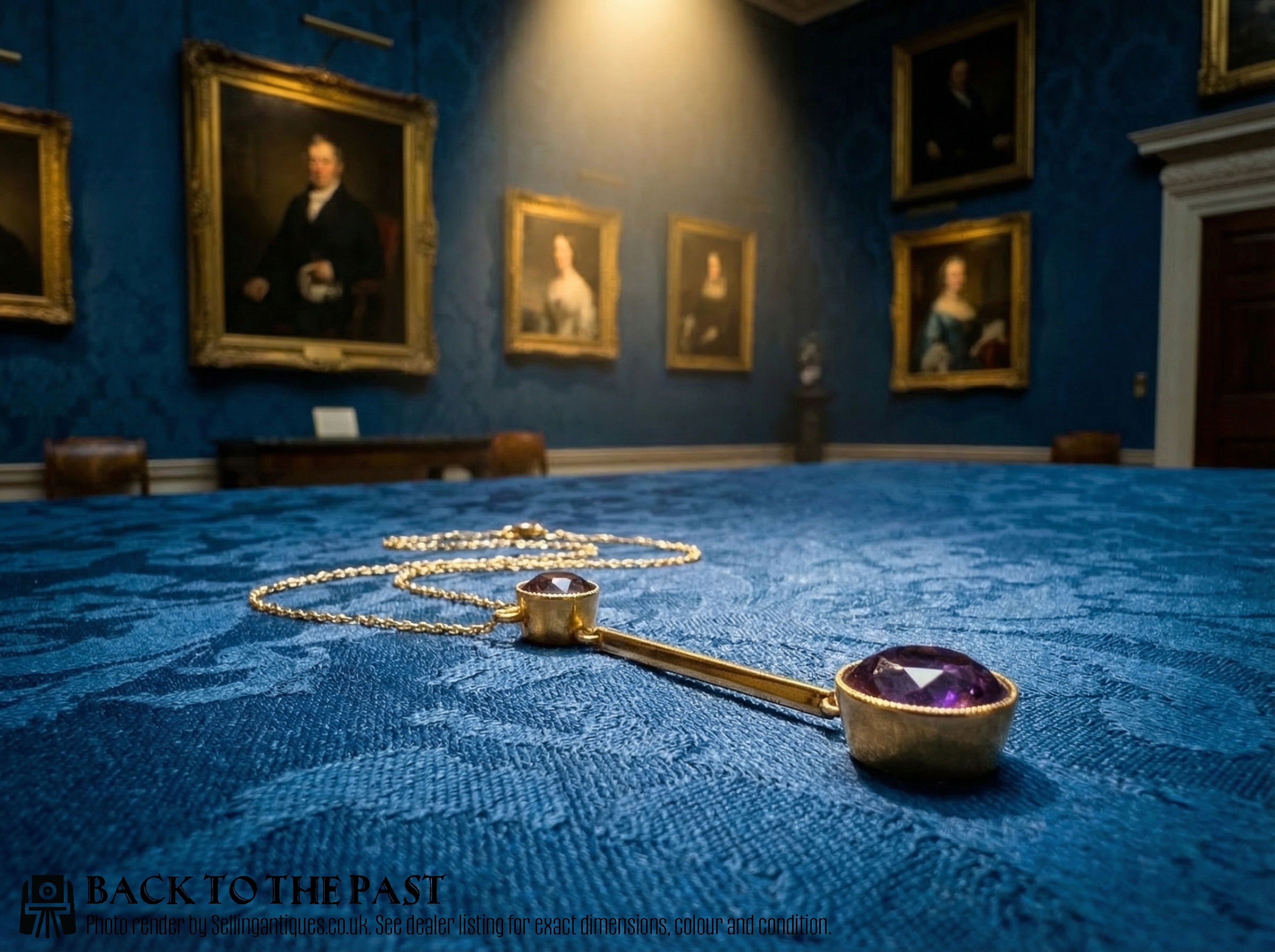
Antique Gemstone Drop Pendant
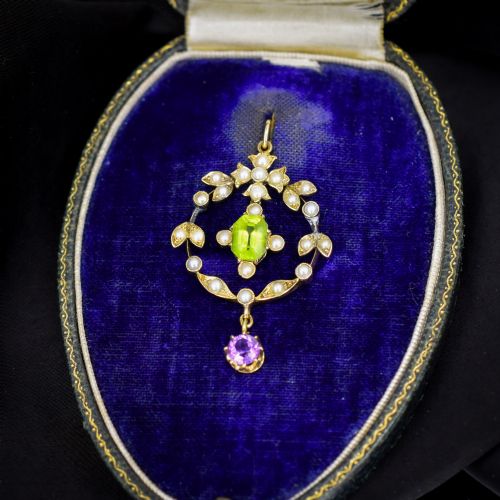
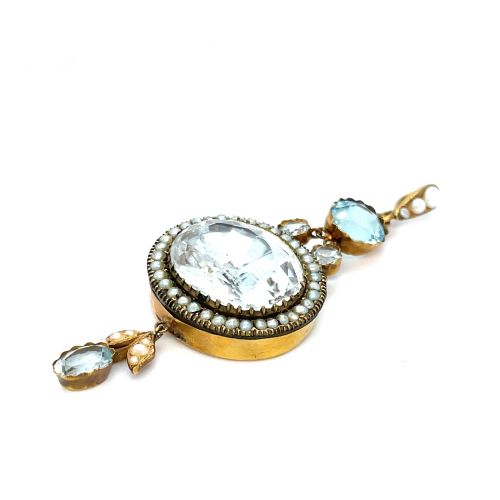
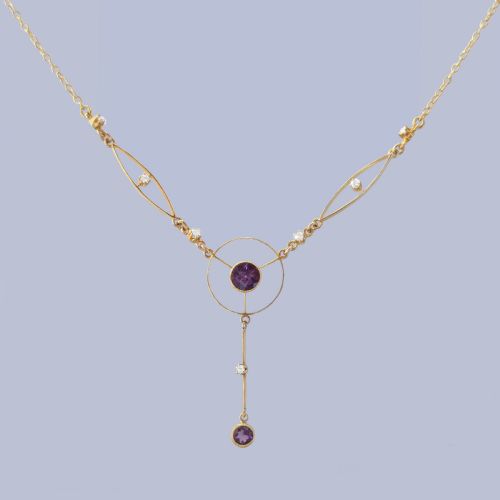
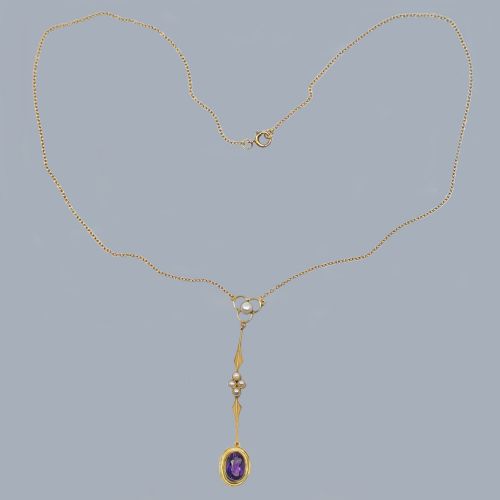
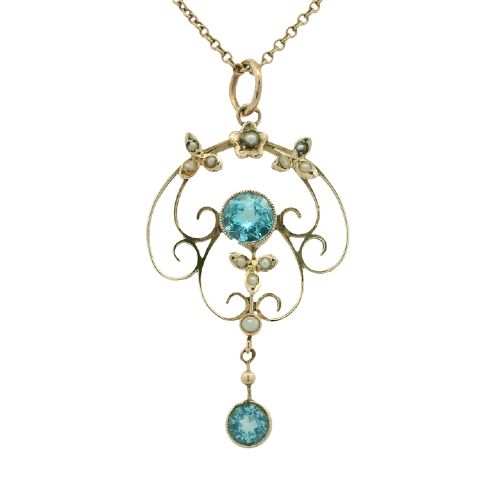
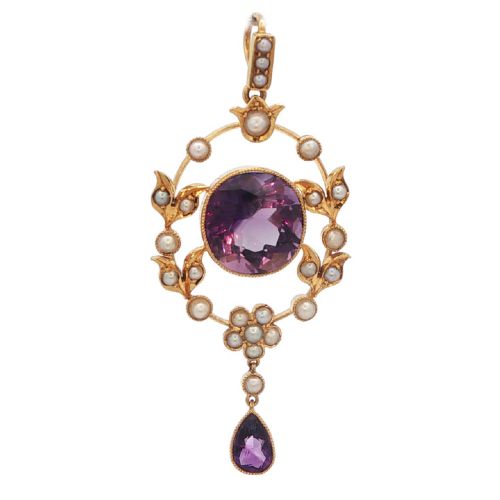
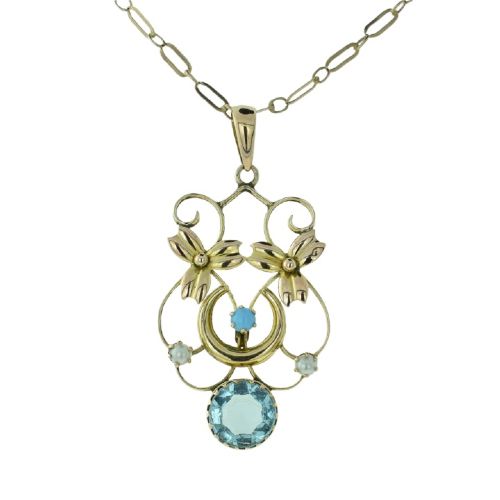
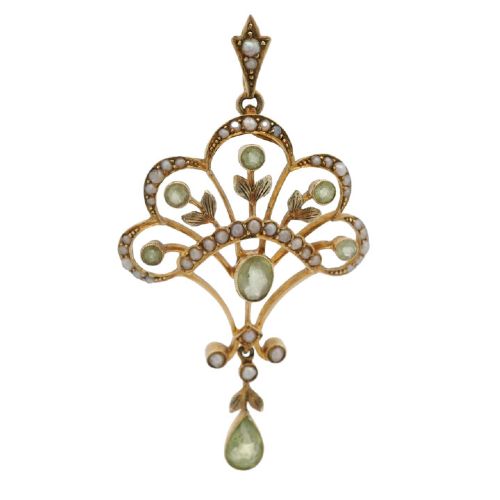
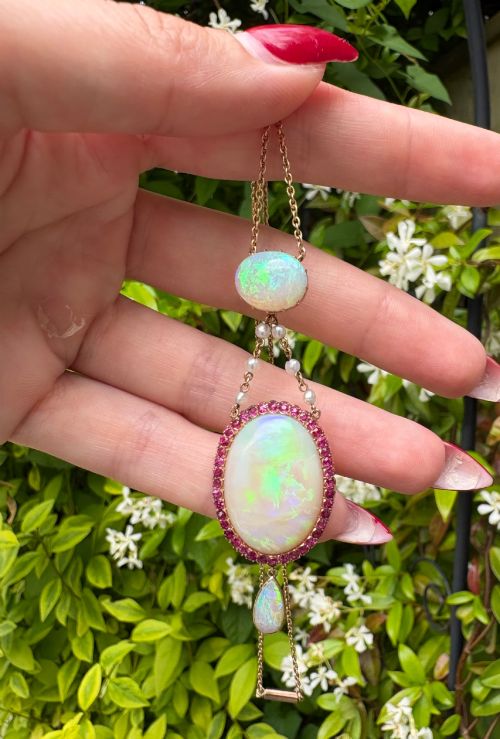
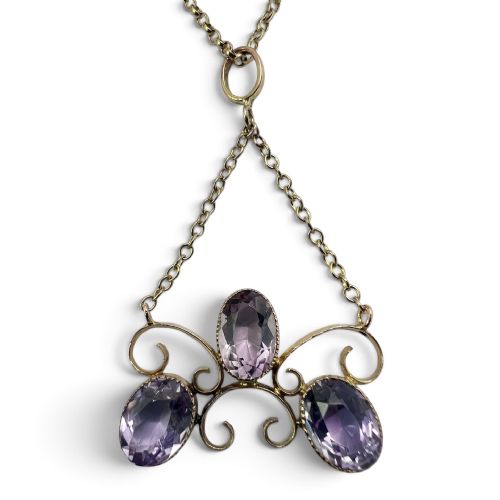
An antique gemstone drop pendant hangs a coloured stone from a central suspension point, often accompanied by seed pearls or smaller diamonds in a lavalier or festoon formation. These pieces span from the late nineteenth century through the Edwardian era and into the Art Deco period, capturing the shifting aesthetic preferences of those decades.
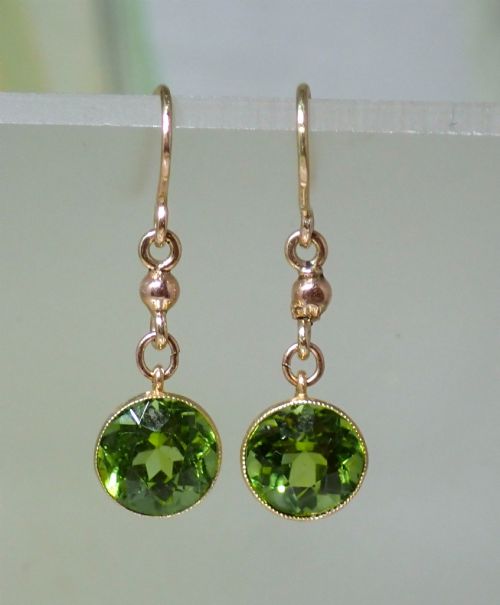
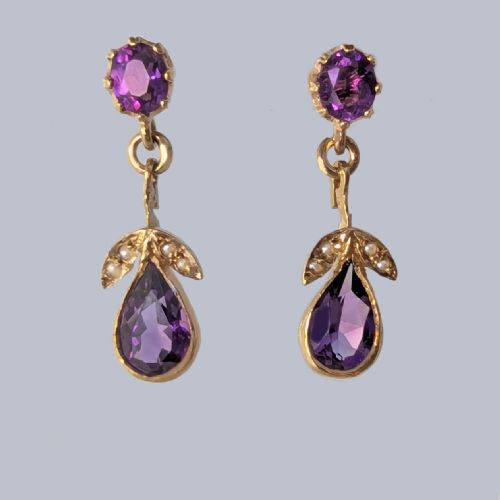
The most common examples on this page date from the Edwardian period and feature amethysts, aquamarines, or peridots mounted in nine-carat or fifteen-carat gold. They frequently incorporate delicate filigree work or swinging drop elements that catch the light with every movement.
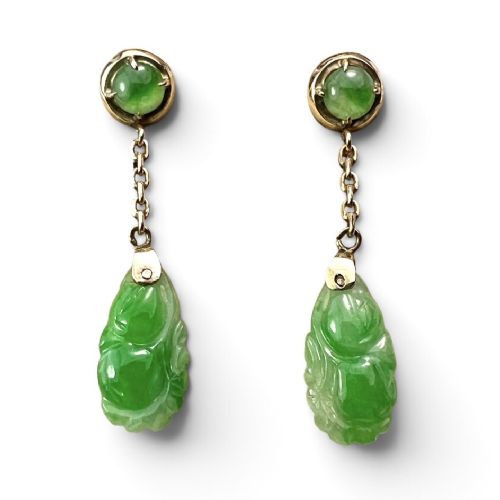
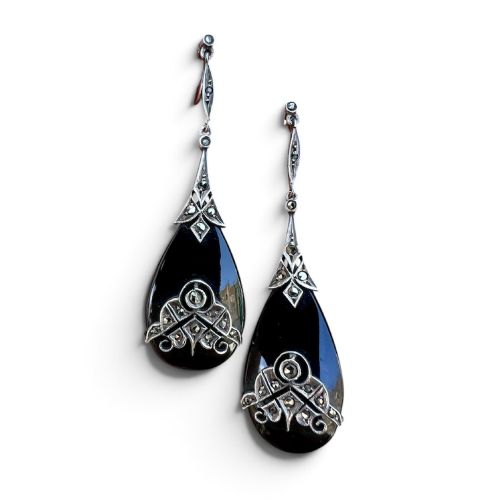
Victorian and Art Deco iterations also appear, bringing different stone cuts like cabochon sapphires, garnet fringes, or carved jade paired with silver or platinum settings. Each style reveals the distinct metalworking techniques and gemstone choices characteristic of its original decade.
Materials and construction methods
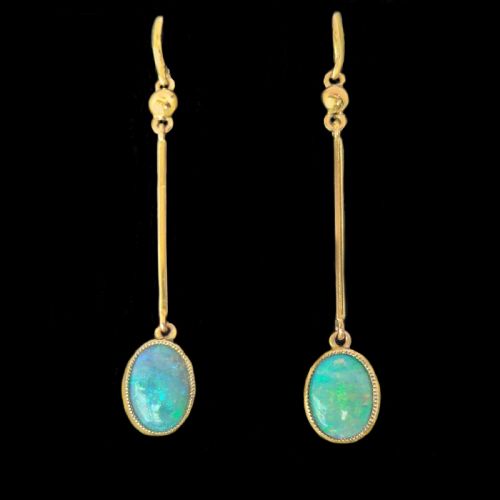
Craftsmen utilised yellow and rose gold in nine-carat and fifteen-carat purities, alongside silver and platinum, to form the delicate bezels, claws, and wirework supporting each drop stone. These metals were shaped by hand or stamped into intricate openwork frames that held central amethysts, aquamarines, and opals securely.
Seed pearls and small old-cut diamonds were often bead-set or threaded onto fine wire to accent the primary gemstone drops in lavalier and necklace designs. The structural components rely on traditional soldering and bezel-setting methods typical of early twentieth-century workshop production.
Tiny seed pearls were threaded onto silk or fine wire so meticulously that they still tremble slightly after a century.
Distinctions in craftsmanship and materials
Quality rests upon the natural clarity and saturated colour of the primary gemstone, alongside the integrity of the original metal setting. Superior pieces exhibit precise claw or bezel work that holds the stone securely without excess solder or visible distortion.
The sophistication of the accompanying decorative elements, such as perfectly matched seed pearls or finely articulated gold drop links, separates standard workshop output from exceptional examples of period jewellery.
S. Blanckensee & Son·Mary Thew
The Antique Gemstone Drop Pendant Glossary
- Lavalier
- A pendant featuring a suspended drop stone or ornament hanging below a main necklace chain or decorative centerpiece.
- Seed pearl
- A very small, naturally formed or cultured pearl utilised in clusters and borders throughout Victorian and Edwardian jewellery.
- Festoon
- A necklace design featuring draped chains of metal, pearls, or beads suspended in curves across the neckline.
- Cabochon
- A gemstone shaped and polished with a smooth, convex surface rather than faceted with flat planes.
- Old-cut diamond
- A vintage diamond cutting style characterised by a high crown, small table, and deep pavilion, designed to catch candlelight.
Antique Gemstone Drop Pendant: Frequently Asked Questions
What periods do these pendants represent?
The pieces span several decades from the late nineteenth century through the Edwardian era and into the Art Deco period. You will find distinct stylistic markers from each era guiding the metalwork and stone selection.
Victorian, Edwardian, and Art Deco examples each utilise different proportions and gemstone combinations. Examining the mountings and accompanying chain types helps clarify the exact period of origin.
How were drop pendants worn historically?
These pendants were typically suspended from delicate gold or silver chains to sit below the collarbone, often accenting high-collared Victorian and Edwardian garments. Their swinging drop design allowed the central gemstone to catch the light during movement.
Many designs incorporate secondary loops or detachable elements allowing the pendant to convert into a brooch. This versatility reflects the practical fashion requirements of the early twentieth century.
How do I care for an antique gemstone pendant?
Gentle maintenance preserves the delicate seed pearls and soft gold settings found in these antique pieces. Avoid harsh chemical cleaners or ultrasonic baths that might dislodge glued pearls or damage softer stones like opals and turquoise.
Store each pendant individually in a lined box to prevent scratching between the central gemstone and the surrounding chain links. Regular inspection of the bezel or claw settings by a professional ensures the stones remain secure.
How can I tell an Edwardian pendant apart from a Victorian one?
Edwardian pendants often showcase lighter, more intricate openwork platinum or yellow gold frames featuring aquamarines, peridots, and amethysts paired with seed pearls. The aesthetic prioritises airy lace-like garlands and delicate festoon drops.
Victorian pieces tend to employ heavier gold mountings, sometimes featuring foil-backed stones, garnet fringes, or denser cluster configurations. The overall visual weight and choice of gemstone saturation usually distinguish the two periods.