


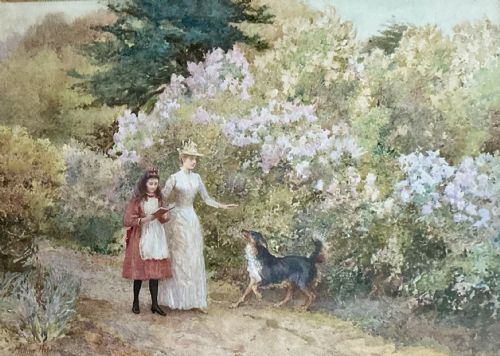


Antique Garden Watercolour
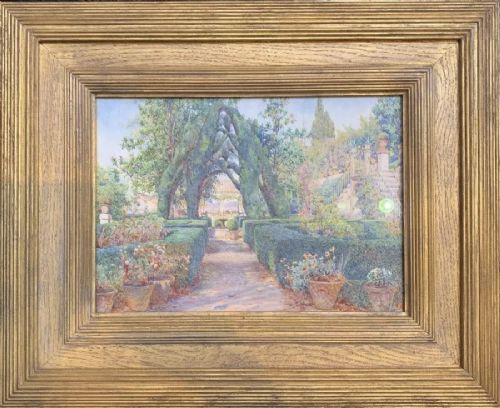
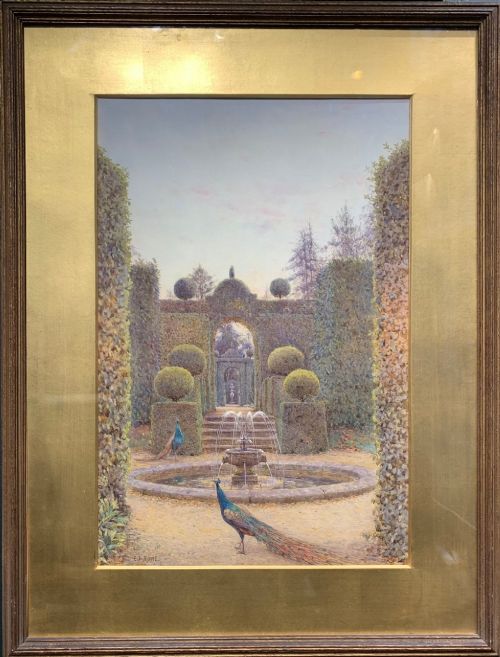
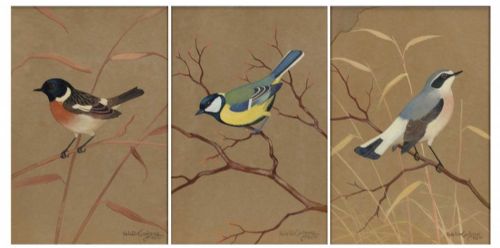
An antique garden watercolour captures the quiet charm of domestic horticulture and pastoral scenes through delicate washes on paper.
Antique Garden Watercolour
Works on paper range in scale from intimate studies to large framed gallery pieces, often preserved behind glass in original gilt wood frames. The stylistic approach shifts from nineteenth-century realism and topographical views towards British Impressionism and Edwardian pastoral scenes.
Materials and technique
Artists utilised watercolour pigment and watercolour paint applied to absorbent paper surfaces, often building luminous compositions through successive transparent washes. The technique requires precise brushwork to capture the fine details of foliage, blossoms, and architectural stonework without losing the fluid quality of the medium.
Protective framing typically involves glass mounted within wood or gilt wood frames, preserving the fugitive nature of early pigments from atmospheric degradation. Original mountings frequently incorporate gold leaf accents that complement the tonal palette of the paintings.
Materials recorded across the archive include paper, glass, wood, gold leaf, and traditional watercolour pigment.
Evaluating the standard
Superior examples display a confident handling of light and atmospheric depth, where transparent washes create believable luminosity within garden foliage and architectural elements. The draughtsmanship in defining botanical forms and structural compositions distinguishes master practitioners from competent amateurs.
The survival of vibrant pigment tones unblemished by fading or excessive exposure marks the upper tier of works, alongside the retention of period-appropriate framing materials. Provenance and exhibition history further elevate specific paintings, particularly when associated with recognised regional schools or dedicated botanical artists.
Ernest Arthur Rowe·Percy Lancaster·Ralston Gudgeon·Harry Wanless·Arthur Hopkins·Rowland Henry Hill·Theresa Stannard·Owen Bowen·G Villiers Stuart·Martinetti·Lilian Stannard·Arturo Orselli·David Woodlock·Arthur Claude Strachan·John Abernethy Lynas-Gray·Jane Utley·Lester Sutcliffe·Henry John Sylvester Stannard·Benjamin D Sigmund·Beatrice Parsons·Belisario Gioja·George Frederick Nicholls·Arthur H Buckland·Karl Feiertag·Minnie Smythe
The Antique Garden Watercolour Glossary
- Watercolour pigment
- Finely ground colouring agents mixed with a water-soluble binder, utilised to create translucent layers on paper.
- Gilt wood
- Timber frames finished with a thin layer of gold leaf or metallic gilding, commonly found on nineteenth and early twentieth-century artworks.
- Victorian Rural Genre
- A nineteenth-century artistic style focusing on domestic scenes, cottage life, and agricultural laborers within pastoral settings.
- Edwardian Pastoral
- An artistic movement from the early twentieth century emphasising idyllic rural landscapes, country houses, and cultivated gardens.
- Architectural Prints and Drawings
- Works focusing on buildings, ruins, and formal garden structures, combining technical precision with artistic atmosphere.
Antique Garden Watercolour: Frequently Asked Questions
How do I care for an antique watercolour?
Display works away from direct sunlight to prevent the watercolour pigments from fading over time. Maintain stable indoor humidity levels to protect both the fragile paper support and the historic frame.
Avoid hanging pieces in damp environments such as kitchens or unheated rooms. Professional framing using conservation-grade materials ensures long-term preservation.
What defines a cottage garden scene?
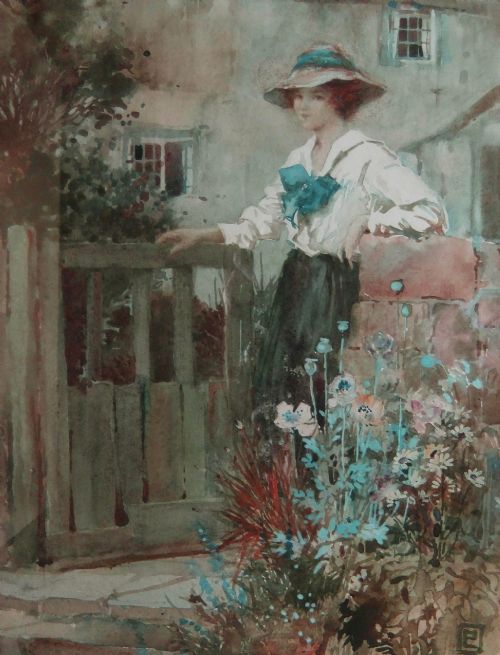
These compositions focus on informal planting styles, featuring herbaceous borders, climbing roses, and path edges filled with seasonal blooms. Architectural elements like thatched roofs and wooden gates often frame the floral displays.
Artists during the Victorian and Edwardian periods favored these subjects for their romantic association with traditional English country life.
Are these paintings signed by the artist?
Many examples feature signatures, monograms, or studio inscriptions placed discreetly in the corners of the composition. Some works include period documentation or exhibition labels on the reverse of the frame.
Unsigned pieces are frequently attributed to specific regional schools based on technique, subject matter, and paper watermarks.
How do I distinguish nineteenth-century works?
Nineteenth-century watercolours often employ tighter botanical detail and deeper tonal contrasts compared to the lighter palettes of the Edwardian era. Paper stocks from this period frequently display distinct manufacturing characteristics and heavier weight.
Stylistic conventions and clothing styles of any figures depicted provide reliable clues for dating the artwork.