



Moulded Framed Artwork
These moulded framed artwork pieces span centuries of fine painting and craftsmanship, offering enduring visual character for any interior wall.
Moulded Framed Artwork
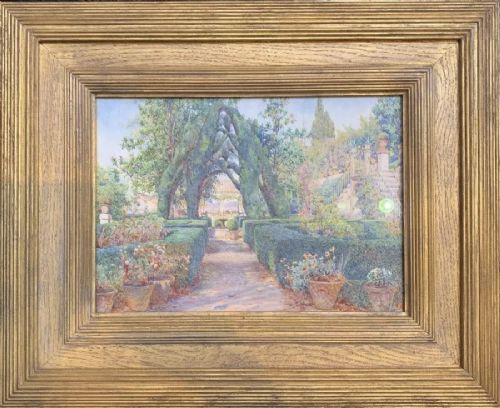
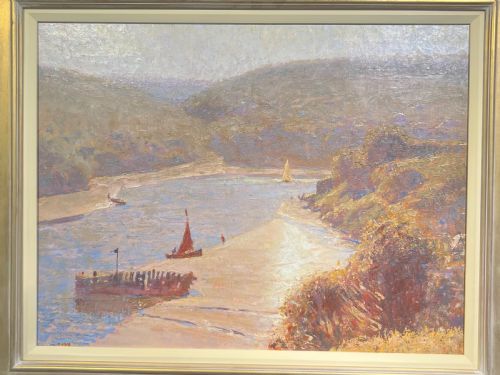
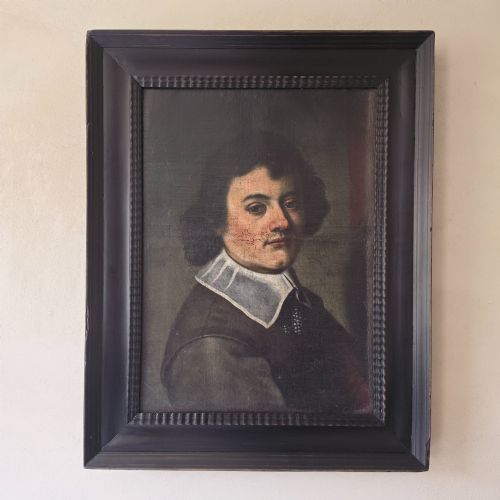
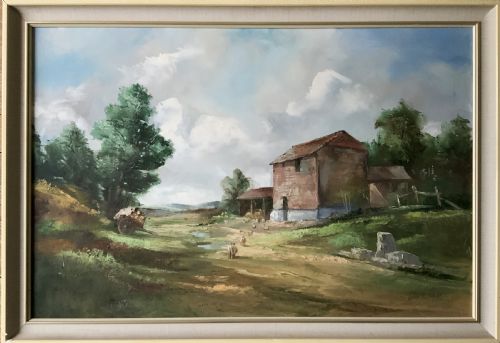
Moulded framed artwork encompasses a diverse range of paintings, watercolours, pastels, and enamel plaques enclosed within decorative timber surrounds. Buyers searching for moulded framed artwork encounter varied periods from the seventeenth century through to the mid-twentieth century.
The selections span distinct historical movements including British Impressionism, French Baroque, and mid-century British realism. Portraiture, landscape scenes, and floral garden compositions form the primary visual subjects available.
Examples originate from multiple eras such as the Edwardian period and the nineteen-sixties, each presenting distinct aesthetic qualities. Traditional oil paintings on canvas sit alongside delicate works on paper and board.
Materials and Construction
Makers utilised traditional mediums including oil on canvas, watercolour, pastel, and enamel applied to board or paper supports. Timber formed the structural foundation for both the stretched canvases and the surrounding decorative picture frames.
Framing techniques involved shaped wood mouldings designed to complement the specific artistic style of the enclosed painting. Protective glass frequently covered works on paper to prevent environmental degradation over time.
Current listings feature artworks spanning the seventeenth, eighteenth, nineteenth, and twentieth centuries, executed in oil, watercolour, and enamel.
Assessing Quality and Execution
Superior execution relies upon the artist's handling of light, colour, and composition within the painted medium. Finer pieces demonstrate confident brushwork and precise draughtsmanship, whether depicting a coastal landscape or a formal portrait.
The harmony between the artwork and its moulded timber frame dictates the visual cohesion of the piece. Period-appropriate framing enhances the historical integrity of the primary painting.
Ernest Arthur Rowe·Cecil Allan Mould·John Hobson Nicholson·Jack R Mould
The Moulded Framed Artwork Glossary
- Oil on Canvas
- Pigments suspended in a drying oil applied to a woven fabric stretched across a wooden frame. This medium allowed artists to achieve rich colour saturation and subtle tonal gradations.
- Enamel Plaque
- A smooth decorative surface created by fusing powdered glass to a metal base at high temperatures. Limoges produced notable examples of this glossy technique.
- Pastel
- A dry drawing medium composed of powdered pigment and a binder, typically worked on paper. It yields a velvety texture that requires glass protection.
- Baroque
- An ornate artistic style originating in the seventeenth century, characterised by dramatic movement and deep colour contrast. Mouldings from this era display elaborate carved ornamentation.
Moulded Framed Artwork: Frequently Asked Questions
How do I date a frame?
Examine the timber species, joinery methods at the corners, and the composition of the gesso or moulding layers. Older frames often employ hand-carved details rather than cast plaster ornamentation.
Secondary indicators include the type of fixings, backing boards, and historical nails used to secure the artwork within the rebate.
Can I hang oil paintings near sunlight?
Direct sunlight causes significant fading in pigments, varnishes, and paper supports over extended periods. Position paintings away from south-facing windows to preserve their original colour balance.
Environmental stability regarding humidity and temperature prevents warping in both the canvas support and the wooden frame.
What is mixed media art?
Mixed media artwork incorporates two or more distinct artistic materials within a single composition. Artists might combine watercolour with pastel or ink to create varied textural effects.
This approach expanded significantly during the twentieth century as creators experimented with unconventional surface combinations.
How should I clean antique frames?
Dust wooden mouldings gently with a soft, dry brush to prevent accumulation without disturbing fragile surfaces. Avoid liquid cleaners or chemical solvents which can strip original gilding or finishes.
Professional conservators should handle structural repairs or deep cleaning of historic gilt frames.