

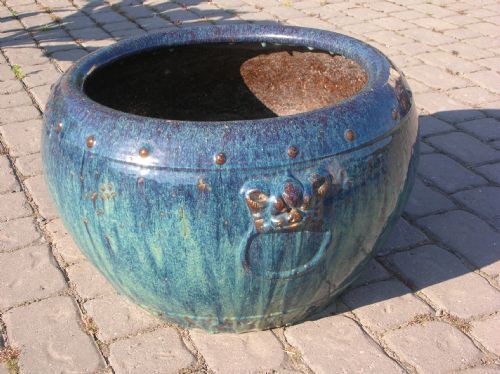
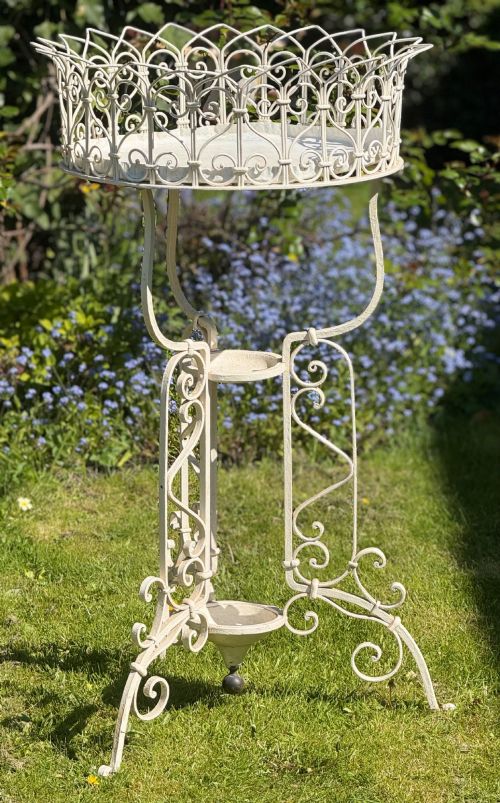


Antique Garden Jardiniere
An antique garden jardiniere brings sculptural plant housing to terraces and conservatories, offering durable iron, terracotta, and wirework vessels designed to showcase greenery.
Antique Garden Jardiniere
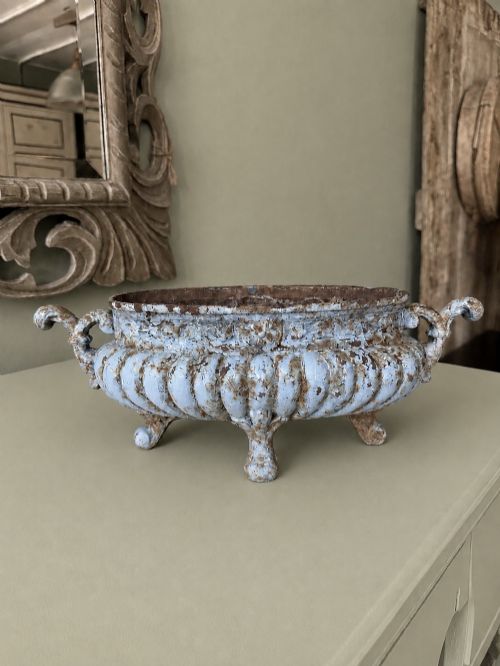
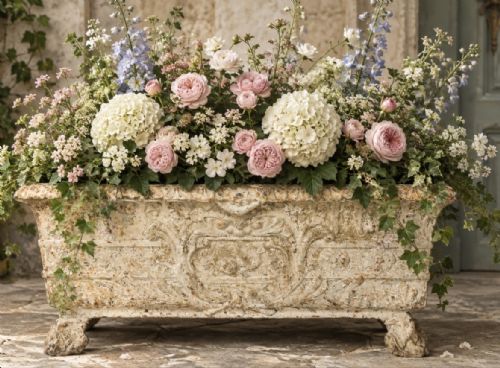
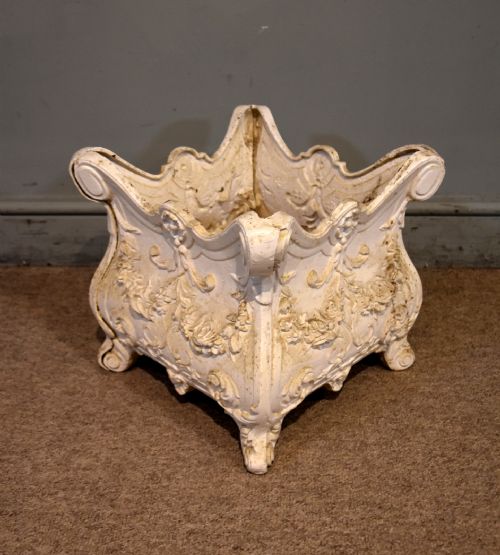
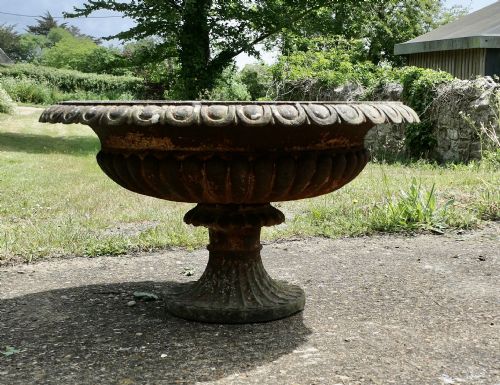
An antique garden jardiniere serves as a decorative vessel for housing plants, taking forms such as urns, baskets, and multi-tiered stands. The selection commonly includes nineteenth-century pieces from English and French origins, spanning compact vessels to large patio centerpieces.
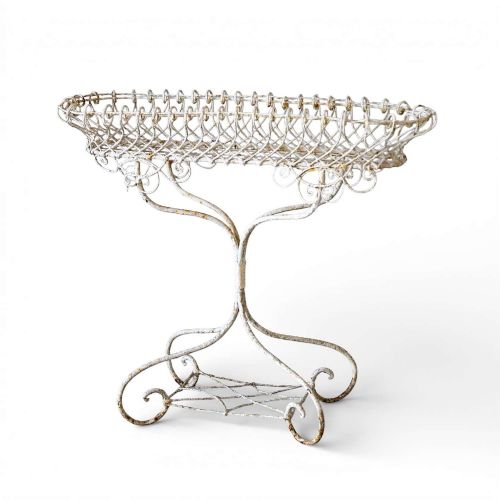
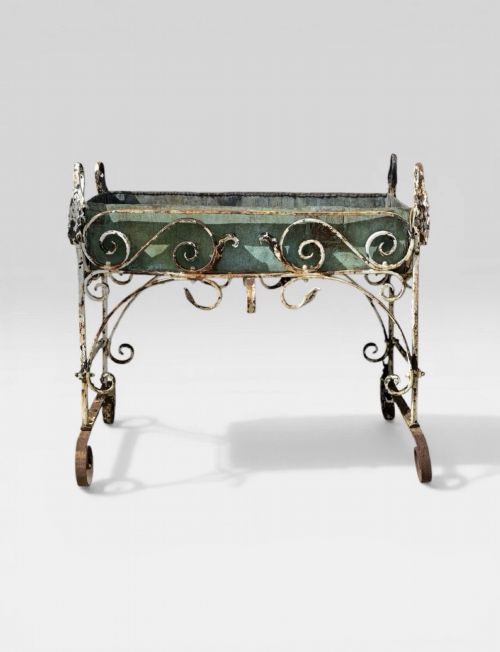
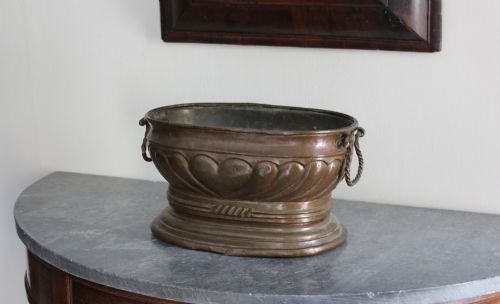
The category encompasses associated forms like plant stands, wine coolers, and wirework conservatory holders alongside traditional urns and jardiniere pots. Pieces frequently display specific regional characteristics, notably French scrollwork or English Gothic styling.
What varies in quality
The standard of a piece rests upon the crispness of its cast iron detail, the complexity of its wirework assembly, or the sculptural ambition of its form. Heavier gauges of metal and substantial lead or terracotta walls indicate sturdier construction intended for long-term outdoor exposure.
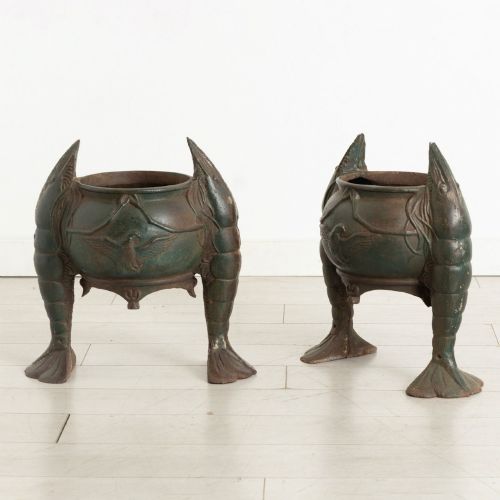
Design distinction separates ordinary utilitarian vessels from sculptural works, such as pieces featuring figural motifs like shrimp, specific Gothic ornamentation, or balanced Regency proportions. Original painted surfaces or patinated metal add to the integrity of the object.
Antique Garden Jardiniere Retail Price Guide 2026
Typical asking prices for garden jardiniere among the pieces listed under this phrase on Sellingantiques today, from the lower quarter to the upper quarter. They describe what is for sale here now, not the wider market.
Listings feature items from the eighteenth, nineteenth, and twentieth centuries, including Victorian, Edwardian, Regency, and Georgian periods.
Coalbrookdale
The Antique Garden Jardiniere Glossary
- Jardiniere
- A large ornamental pot or stand for holding plants or flowers. These vessels sit on floors or patio surfaces rather than hanging.
- Urn
- A vase-shaped vessel, often standing on a pedestal or base. Many garden examples feature cast iron or terracotta construction.
- Wirework
- Metalwork created from bent and joined iron wire. This technique produces lightweight yet sturdy tiered plant stands and baskets.
- Terracotta
- Fired unglazed clay of a brownish-red colour. It provides a porous material traditionally used for garden pots and urns.
- Orangery
- A protected structure built to house citrus trees and tender plants during cooler months. These spaces frequently accommodated large plant stands and moveable planters.
Antique Garden Jardiniere: Frequently Asked Questions
What plants fit an antique garden jardiniere?
These vessels accommodate potted greenery, small shrubs, and trailing plants suitable for patios and conservatories. The choice depends upon the depth and internal volume of the specific urn or basket.
Larger iron and terracotta urns support substantial root systems for statement plants. Wirework stands typically hold multiple smaller potted plants across tiered shelves.
Are these pieces suitable for outdoor use?
Many items are built from robust materials like cast iron, terracotta, and lead designed to withstand outdoor garden environments. These metals and fired clays endure weathering when placed on patios or lawns.
Some delicate wirework or indoor-origin pieces require sheltered placement within conservatories or orangeries to prevent excessive corrosion. Checking the specific material helps determine appropriate garden placement.
How do I identify a nineteenth-century piece?
Nineteenth-century examples display characteristic manufacturing methods, such as heavy sand-cast iron components or hand-soldered wirework construction. Stylistic markers include Victorian neoclassical motifs, Gothic revival details, and French scrollwork.
Examining the underside, fixing methods, and metal patination reveals clues regarding the manufacturing era. Archive comparisons with documented period designs further confirm authenticity.
What is the difference between a jardiniere and a plant stand?
A jardiniere functions primarily as the container holding the plant soil and roots. These take the form of bowls, urns, or low tubs.
A plant stand provides an elevated structure or framework designed to support one or more pots off the ground. Tiered stands often combine both functions by providing wire or iron frames with integrated basket holders.