


Antique Garden Feature
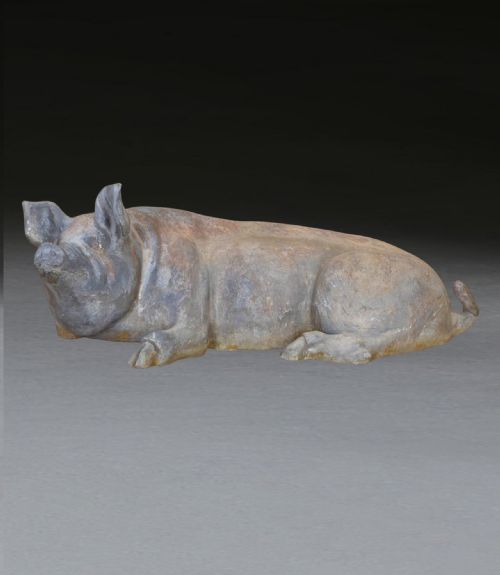
An antique garden feature brings tangible age and character to outdoor spaces through stone, metal and lead survivors from past centuries.
Antique Garden Feature
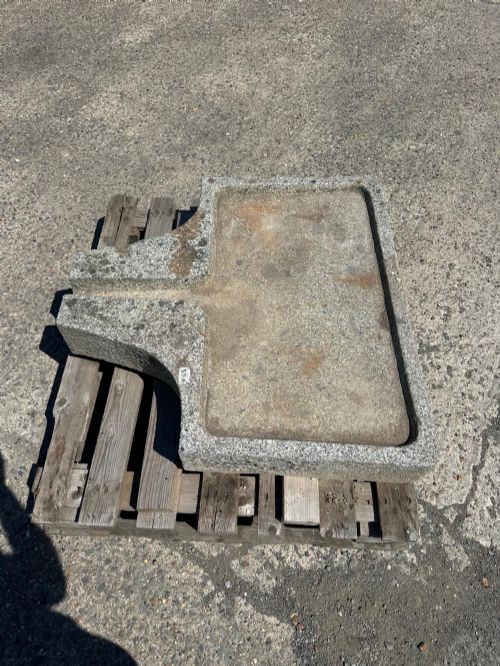
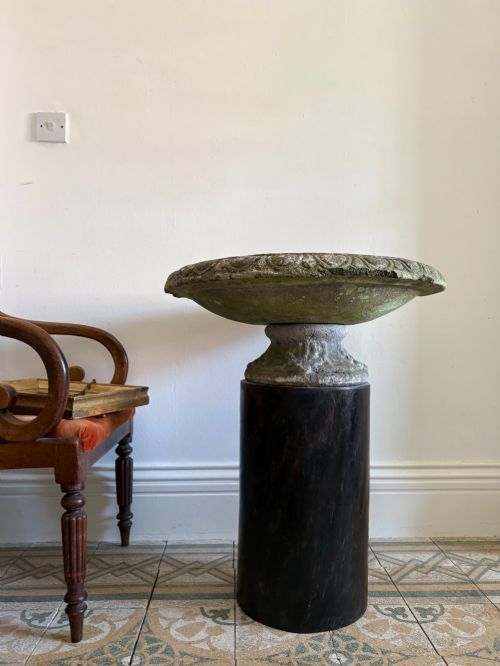
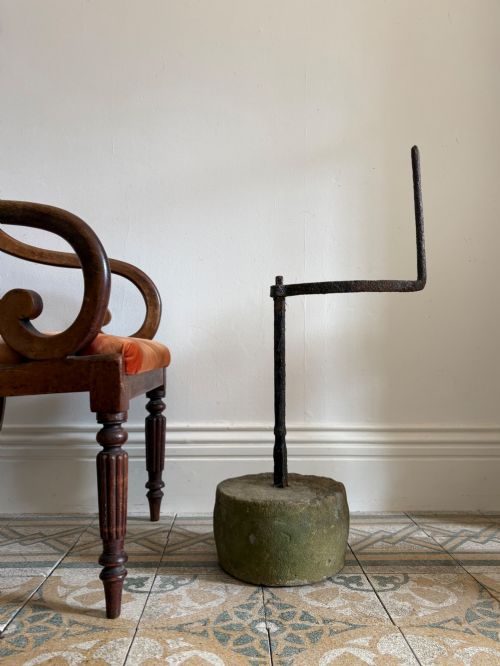
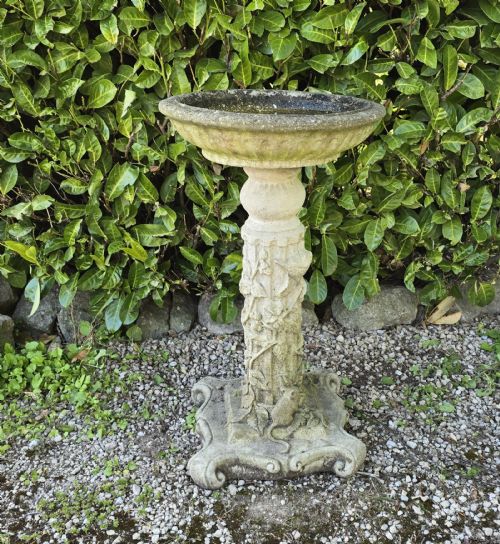
An antique garden feature encompasses architectural salvage, stone staddle stones, bird baths and metal ornaments intended for exterior placement. These items bridge utilitarian agricultural use and ornamental landscape design across centuries.
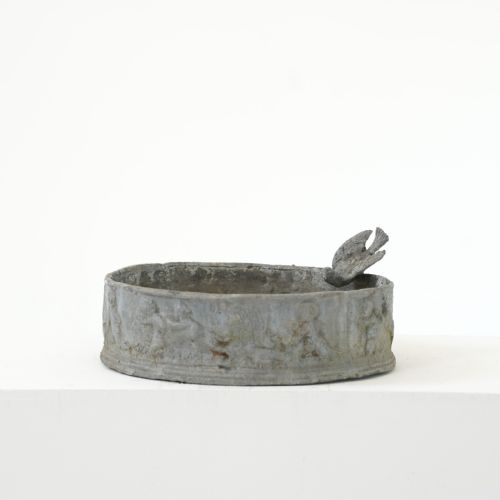
Buyers frequently encounter cast iron bird baths, lead planters, granite millstones and stone bird baths dating from the eighteenth century to the mid twentieth century. Pieces range from neoclassical cisterns and marble basins to rustic granite grinding stones and weathered staddle stones.
Origins span English country settings alongside continental and Asian workshops, incorporating materials shaped by weather and time. Each survivor serves to anchor planting schemes or provide focal points within traditional and rustic garden layouts.
Materials and construction methods
Makers utilised durable outdoor media including cast iron, lead, sandstone, Cornish granite, Purbeck stone and cast stone. Heavy metals were cast in moulds or wrought by hand into anchors, weather vanes, troughs and fountain heads.
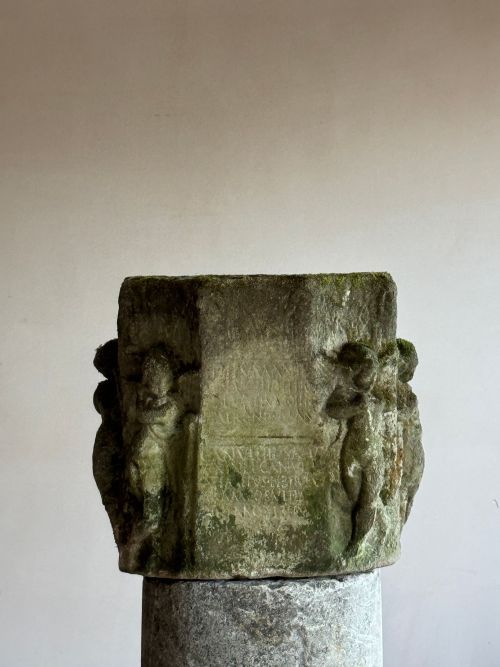
Stone pieces were hand carved from regional deposits such as granite and sandstone, while mills and agricultural items were shaped for heavy farm labour before finding second lives in gardens. Weathering over decades creates natural patinas on surfaces of stone, bronze and iron.
Listings feature durable outdoor media including lead, cast iron, sandstone, Cornish granite, Purbeck stone and cast stone across multiple centuries.
Judging quality in garden antiques
Quality rests upon the crispness of surviving detail in cast figures and carved stone, alongside the integrity of the original material. Hand carved specimens display tool marks and proportions that distinguish them from later industrial reproductions.
The degree and character of natural weathering directly affect visual appeal, where undisturbed patinas of moss and oxidation enhance the surface. Maker marks, dated inscriptions or documented foundry origins elevate specific examples above standard utility items.
Miller And Adie Edinburgh
The Antique Garden Feature Glossary
- Staddle stone
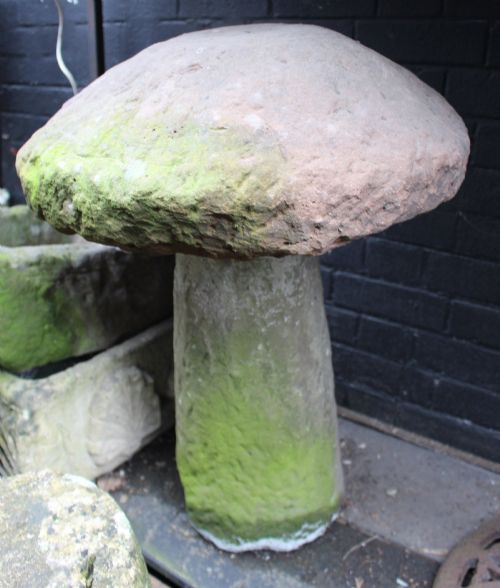
- A mushroom shaped stone support originally used to elevate granaries above damp ground and rodent access. These structural elements now function widely as garden ornaments.
- Cistern
- A large container for holding water, often cast in lead or carved from marble with decorative panels. Eighteenth century examples frequently display marine motifs or dates.
- Millstone
- A heavy circular stone used for grinding grain, shaped from granite, limestone or sandstone. They survive as circular focal points in garden paving or landscape designs.
- Putto
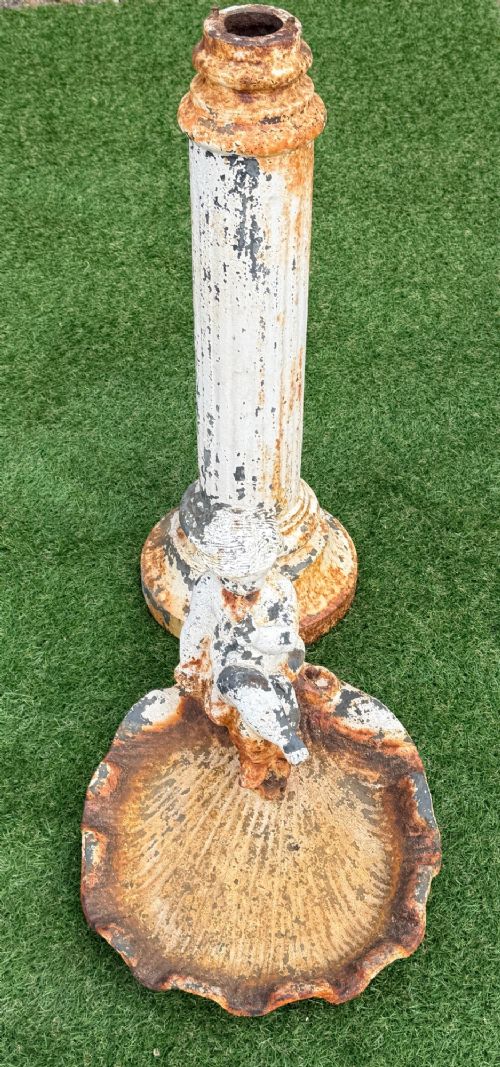
- A figure of a small chubby child depicted in sculpture, common in neoclassical garden statues and lead bird baths. These figures derive from classical architectural traditions.
Antique Garden Feature: Frequently Asked Questions
What is a staddle stone?
A staddle stone consists of a shaped stone base and a separate cap top, historically utilised to support timber granaries clear of the soil. In modern settings, they stand alone as sculptural garden ornaments.
Their distinctive mushroom profile comes from utilitarian agricultural engineering designed to prevent rats from climbing into stored grain.
How do I care for lead garden ornaments?
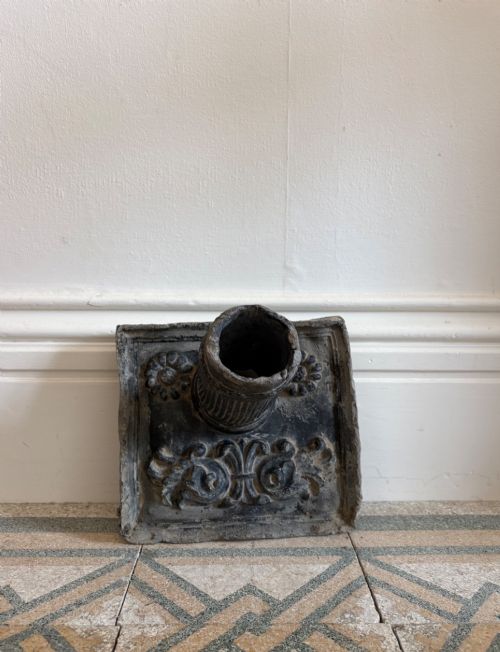
Lead ornaments require minimal intervention because the metal develops a stable protective grey oxidation layer over decades outdoors. Avoid harsh chemical cleaners or abrasive scrubbing that might strip this natural weathering.
Ensure basins and bird baths are cleared of debris during freezing weather to prevent ice expansion from cracking the metal structure.
Are millstones very heavy?
Granite and sandstone millstones weigh several hundred kilograms due to their dense composition and solid circular dimensions. Moving them demands specialist lifting equipment and careful ground preparation.
Their substantial weight keeps them stable on garden soil without requiring permanent foundations or mortar fixing.
How do I date an iron garden feature?
Dating relies upon manufacturing marks, assembly techniques such as hand wrought joinery versus machine casting, and stylistic indicators. Eighteenth and nineteenth century pieces often show hand forged ironwork or early foundry stamps.
Surface corrosion patterns and layers of historic paint provide further clues regarding the age and operational history of iron items.