


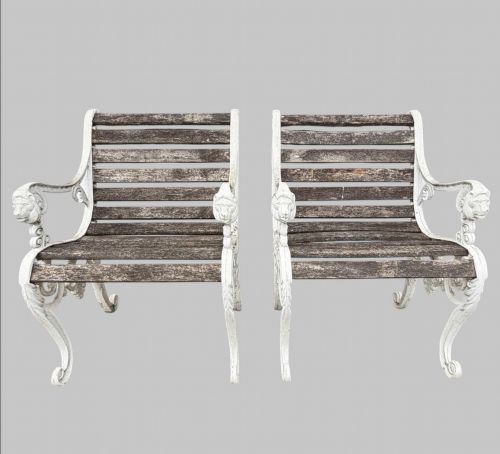


Antique Garden Armchair
An antique garden armchair offers enduring outdoor comfort, drawing collectors with its blend of robust metalwork, weathered timber and woven plant fibres.
Antique Garden Armchair
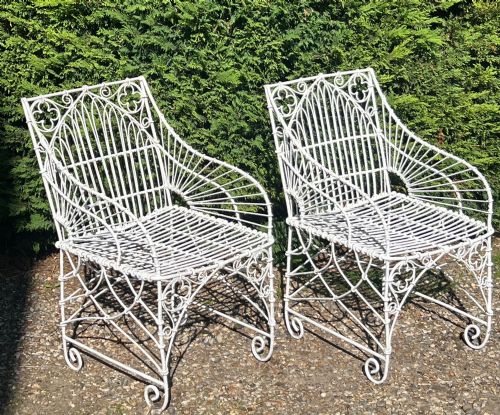
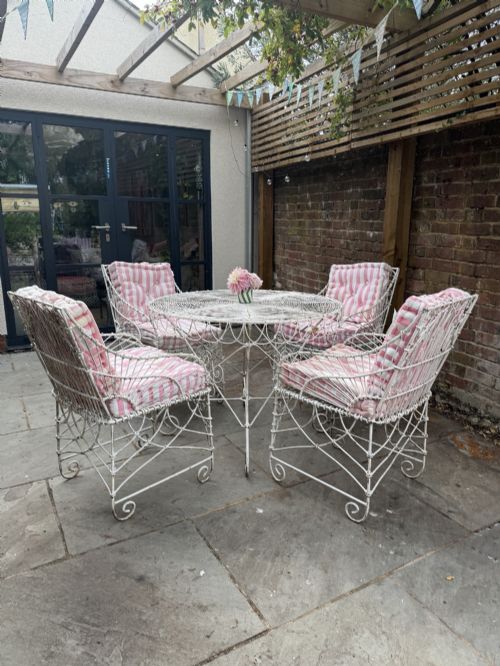
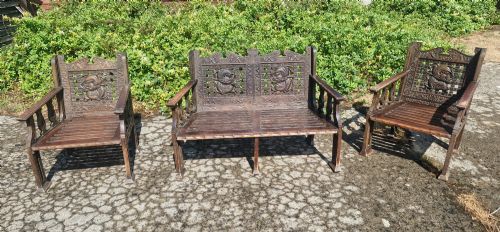
An antique garden armchair serves as a practical seat for outdoor relaxation, originating from periods spanning the nineteenth century through the interwar years and mid-century eras. The examples most frequently encountered combine sturdy frames with supportive armrests, appearing singly or in matched pairs alongside larger conservatory suites and dining sets.
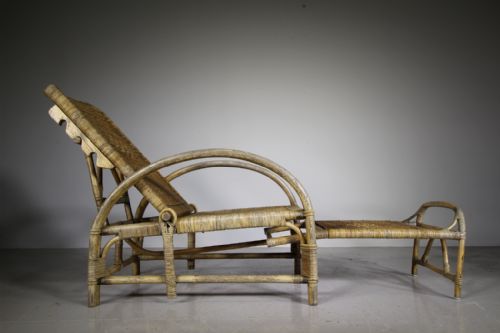
Makers and manufacturers produced these seats in various regional styles, ranging from domestic Edwardian teak designs to French wrought iron Riviera chairs and Anglo-Indian cane forms. Buyers find pieces shaped by specific historical requirements, such as folding steamer deck chairs for travel or heavy cast iron frames meant to stay fixed outdoors.
How they were made
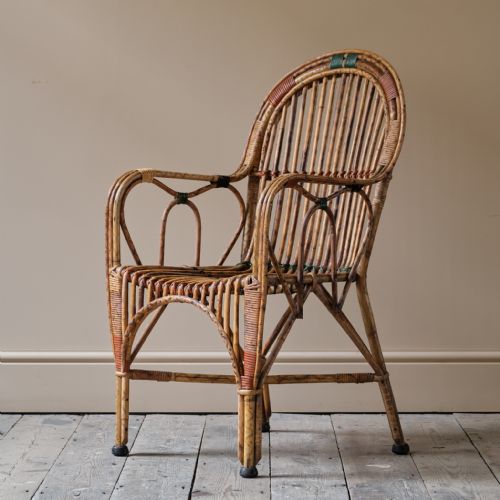
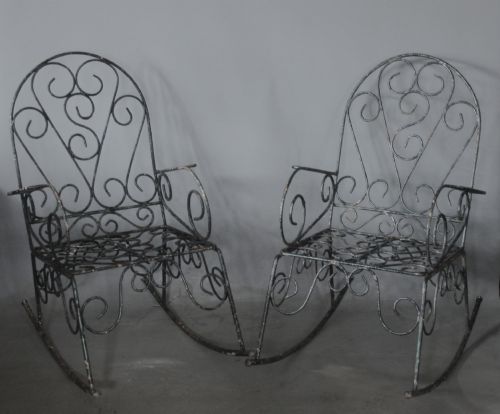
Makers constructed these chairs using resilient structural materials like cast iron, wrought iron, wirework and timber, frequently pairing them with flexible seating surfaces made from cane, rattan, wicker and bamboo. Blacksmiths hammered and bent iron bars into scrollwork and curved armrests, while carpenters joined timbers like teak and walnut to withstand outdoor exposure.
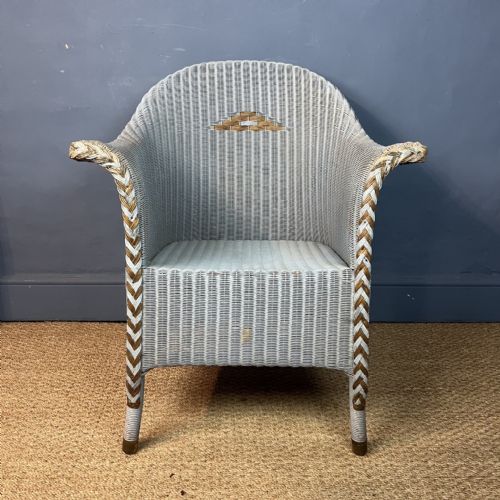
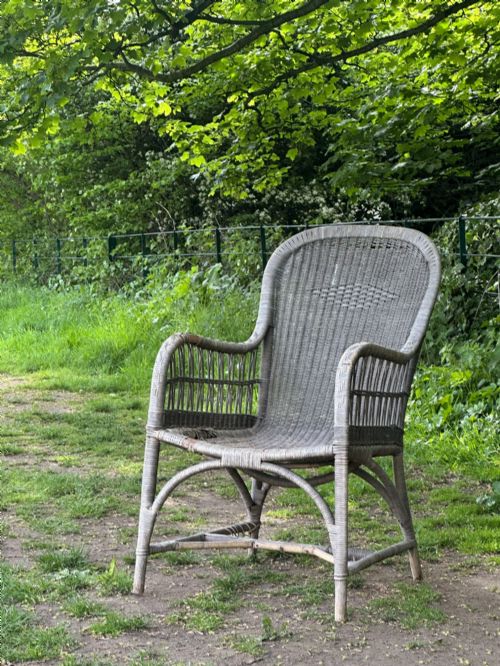
Weavers utilised natural plant fibres to create breathable seats and backs, wrapping frames with handwoven cane or rush. Foundries cast decorative elements such as lion masks and geometric patterns into metal components, ensuring both rigidity and distinct ornamentation.
Antique Garden Armchair Retail Price Guide 2026
Typical asking prices for garden armchair among the pieces listed under this phrase on Sellingantiques today, from the lower quarter to the upper quarter. They describe what is for sale here now, not the wider market.
One notable piece originates directly from HMS Lion, bringing naval history straight onto the lawn.
What varies in quality
The distinction between ordinary and exceptional pieces rests upon the integrity of the original construction and the survival of distinct decorative details. Superior examples exhibit refined hand-forged scrollwork, crisp casting marks, or sophisticated joinery that remains firm after decades of use.
The grade of the primary material dictates the longevity and character of the piece, as dense hardwoods and thick gauge iron maintain their structural coherence far better than lesser substitutes. Furthermore, attribution to known makers or documented workshop origins elevates the standing of an individual armchair.
Heals·Angraves of Leicester·Dryad of Leicester
The Antique Garden Armchair Glossary
- Cast iron
- An iron-carbon alloy poured into moulds to create rigid structural frames and ornamental motifs. This material provides substantial weight and durability for permanent outdoor placement.
- Wrought iron
- Iron heated and hammered by hand into functional shapes and decorative curves. It yields resilient frames that bend rather than snap under stress.
- Cane
- Strips peeled from the outer bark of rattan palms and used for weaving resilient seating panels. It offers a flexible, breathable surface suited for warm weather.
- Steamer deck chair
- A long folding chair featuring adjustable backrests and extended leg rests originally designed for shipboard travel. These pieces utilise hinged timber frames for easy storage.
- Wirework
- Metal strands bent and joined to form open-mesh seating and intricate scroll patterns. This technique produces lightweight yet sturdy garden furniture.
Antique Garden Armchair: Frequently Asked Questions
How do I care for an antique iron armchair?
Protect metal frames from prolonged moisture by storing them under cover during harsh winter months. Clean surfaces gently to preserve any surviving original painted finishes.
Avoid abrasive treatments that strip away aged patination. Applying a light protective wax or sealant helps maintain the condition of the metal over time.
Can I leave teak garden armchairs outside?
Teak naturally resists weathering due to its dense natural oils, allowing it to endure outdoor conditions year-round. Over time, the timber develops a silvery grey patina when exposed to sunlight and rain.
Regular cleaning removes debris from the grain. Many owners choose to store them during severe weather to preserve their structural tightness.
What is the difference between cane and wicker?
Cane uses the glossy outer skin of the rattan vine woven into flat or open mesh patterns. Wicker refers to the technique of weaving any pliable plant material, including reed, willow and bamboo.
Both materials provide lightweight flexibility for chair seats and backs. Proper maintenance keeps the natural fibres from drying out and splitting.
How do I identify an Edwardian garden chair?
Edwardian pieces frequently utilise solid teak frames or woven wicker construction reflecting domestic comfort from the early twentieth century. These designs often feature clean lines and ergonomic proportions suited for conservatory or lawn use.
Examining the construction methods and associated maker marks helps confirm the period. Comparing the style with documented examples from the same era provides further clarity.