





Antique Wicker Chair
These antique wicker chairs combine clever woven construction with enduring comfort, making them essential for relaxed seating.
Antique Wicker Chair
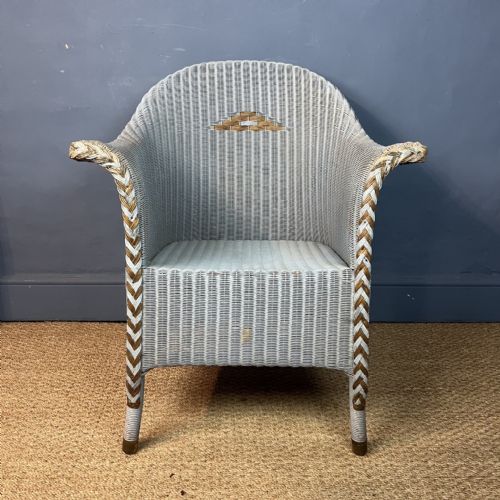
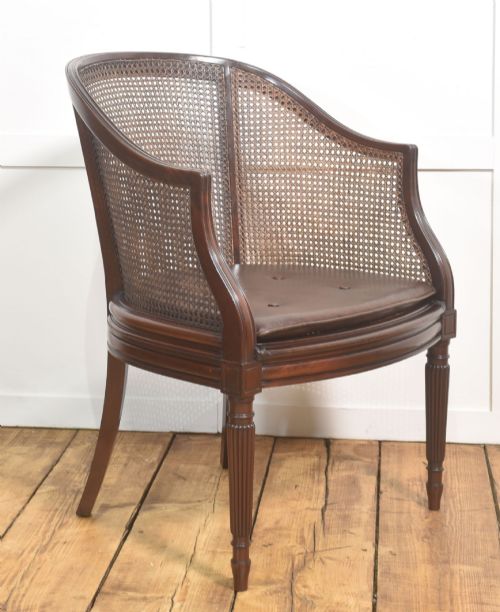
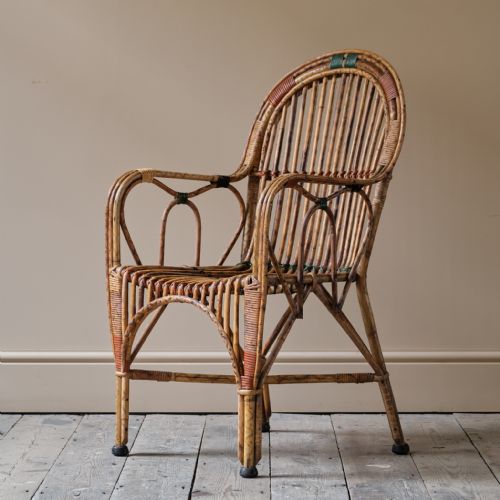
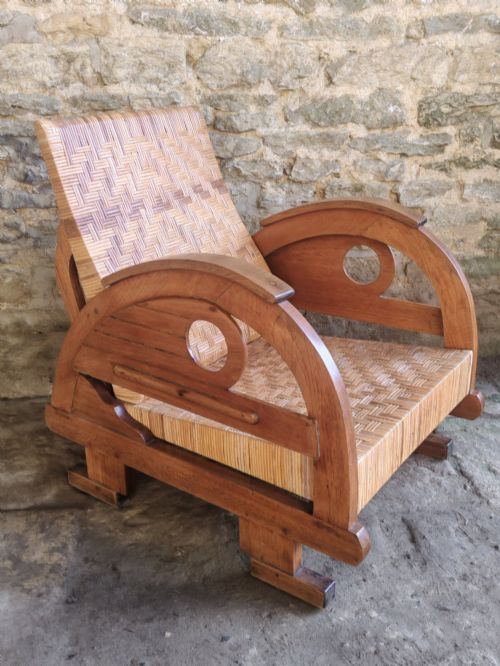
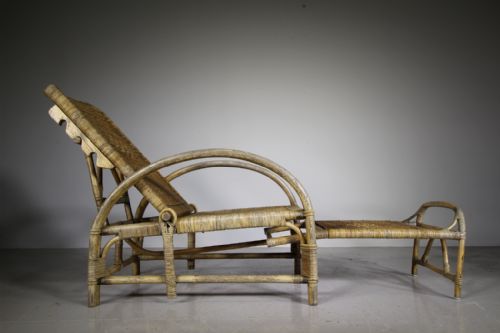
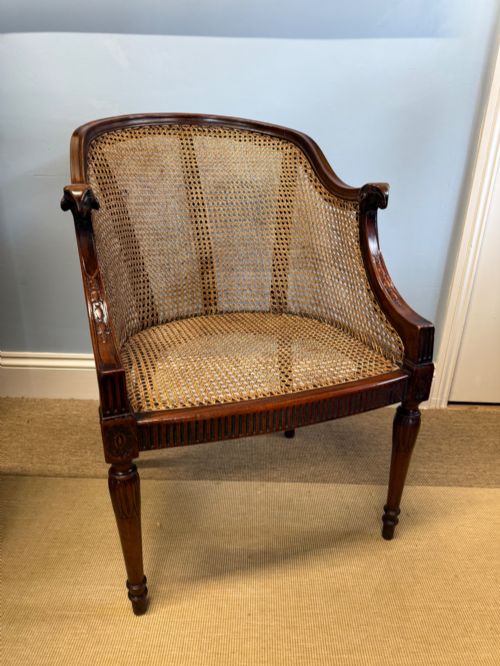
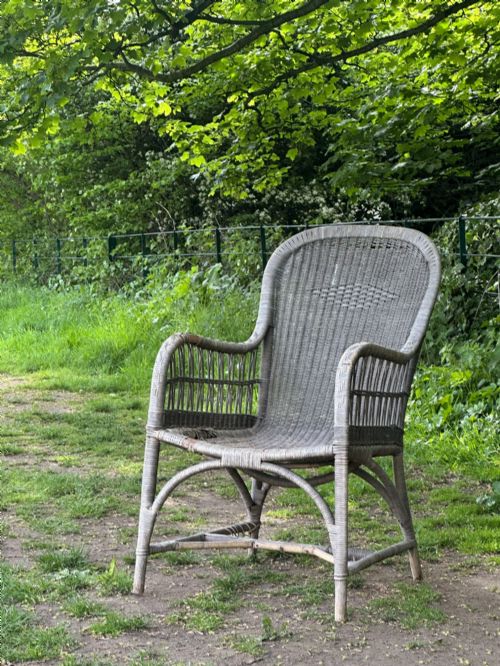
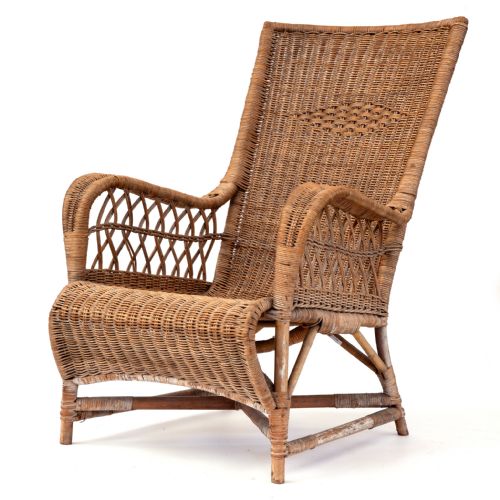
An antique wicker chair brings organic texture and relaxed seating to an interior, drawing on forms produced from the nineteenth century through the mid-twentieth century. When searching for an antique wicker chair, buyers encounter diverse object types including standard armchairs, rocking chairs, garden armchairs, and chaise longues.
The selection ranges from Edwardian and Arts and Crafts designs to Art Deco, mid-century rustic, and French provincial styles. Pieces originate from periods spanning the nineteenth century, 1900, 1910, 1920, 1930, and 1940.
Makers and workshops such as Dryad of Leicester, Angraves of Leicester, and Thonet appear alongside Anglo-Indian and Chinese pieces. Buyers are most likely to meet cane and rattan armchairs alongside wicker garden armchairs on this page.
How they were made
Maker workshops utilised natural plant materials including cane, rattan, bamboo, willow, and wicker, often pairing them with solid timber frames such as mahogany and oak, and occasionally incorporating leather elements.
The construction relies on handwoven techniques applied to flexible stems and fibres, shaping them around supportive wooden or bentwood frames. Makers such as Thonet employed steam-bent wood technology alongside woven panels, while Dryad utilised innovative handweaving methods on sturdy frameworks.
Antique Wicker Chair Retail Price Guide 2026
Typical asking prices for wicker chair among the pieces listed under this phrase on Sellingantiques today, from the lower quarter to the upper quarter. They describe what is for sale here now, not the wider market.
Object types documented in the archive and current listings include armchairs, rocking chairs, garden armchairs, and chaise longues.
What varies in quality
Quality in an antique wicker chair is determined by the tightness and regularity of the handweaving and the integrity of the structural frame. Finer examples display meticulous binding around joints and complex decorative patterns in the cane or rattan.
The origin and maker signature heavily influence stature, with documented pieces from notable workshops demonstrating superior craftsmanship in material selection and ergonomic contouring compared to anonymous utility pieces.
Dryad of Leicester·Angraves of Leicester·Thonet·Dryad & Co·Harry Peach
The Antique Wicker Chair Glossary
- Wicker
- A method of weaving natural materials into sturdy furniture forms. It describes the technique rather than a specific plant material.
- Cane
- Strips split from the outer bark of rattan palms. It creates smooth, resilient woven panels for seats and backs.
- Rattan
- A climbing palm with strong, pliable stems. It provides flexible core material for structural framing and weaving.
- Bergère
- An upholstered armchair with enclosed sides having cane or wicker panels. It originates from eighteenth-century French design traditions.
- Bentwood
- Wood rendered pliable by steam and bent into curved shapes. This technique defines notable nineteenth- and twentieth-century seating.
Antique Wicker Chair: Frequently Asked Questions
How do I date an antique wicker chair?
Dating relies on stylistic clues, construction methods, and maker marks found on the frame. Arts and Crafts and Edwardian pieces often display distinct joinery and simpler organic lines compared to later Art Deco examples.
Archival evidence from makers such as Dryad or Thonet helps narrow down production decades, alongside material combinations like mahogany frames paired with handwoven cane.
Where were wicker chairs used historically?
These chairs served multiple settings ranging from light parlours and sunrooms to covered verandas and gardens. Edwardian and Victorian households favoured them for informal indoor lounging and conservatory spaces.
Garden armchairs and reclining models were specifically built for outdoor leisure, whilst porter's chairs provided draught-free seating in grand entrance halls.
How do I care for antique wicker furniture?
Natural plant fibres require moderate humidity to prevent them from drying out and becoming brittle over time. Regular dusting with a soft brush helps keep the woven crevices clean.
Avoid placing these pieces in direct sunlight or next to intense heat sources, which can warp the timber frames and crack the rattan or cane.
What is the difference between cane and rattan?
Rattan is the solid vine material used to form the main structural skeleton of the chair. Cane is the thin outer skin stripped from the rattan vine and woven into mesh panels.
Both materials frequently appear together in single pieces, where rattan frames support intricate panels of woven cane.