





Antique Games Room Table
An antique games room table brings sociable parlour pastimes home through timber work and folding tops.
Antique Games Room Table
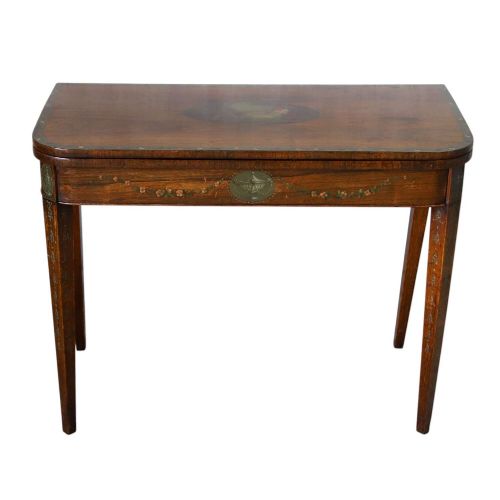
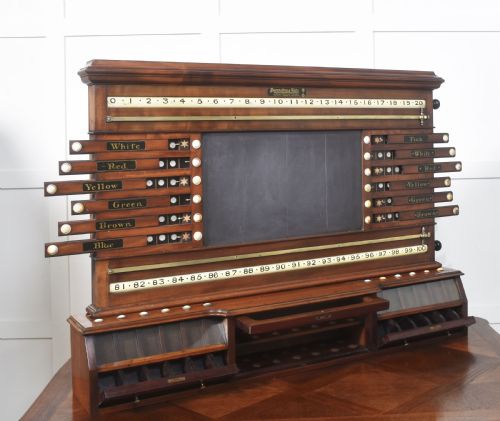
An antique games room table is a specialised piece designed for evening card games, billiards, and parlour pastimes. The examples found here span the nineteenth century, Regency, and Edwardian eras, taking the form of card tables, golf game tables, and score cabinets.
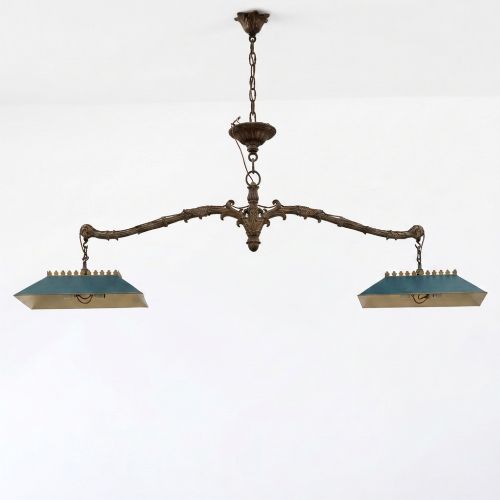
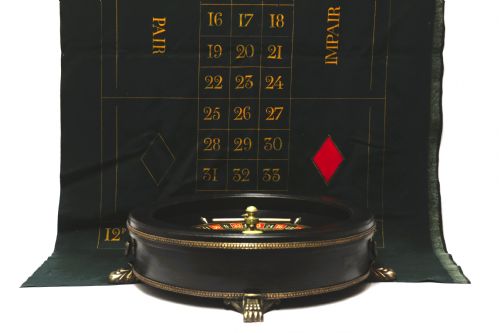
Most pieces seen on this page are mahogany or rosewood card tables built for domestic entertainment. Alongside these, buyers encounter specialist items like billiard lights and roulette wheels from the same periods.
How they were made
Cabinet makers utilised dense hardwoods such as mahogany and rosewood to build sturdy folding frames and stationary cabinets. Brass inlay, bronze mounts, and painted decoration were applied to enhance the surface appearance of the timber.
Internal components relied on traditional joinery to support pivoting leaves and specialised gaming surfaces lined in fabric. These constructions ensured the furniture could withstand frequent opening and closing during use.
Listings on this page span the nineteenth century, Regency, Victorian, and Edwardian eras, constructed from mahogany, rosewood, brass, and fabric.
What varies in quality
The distinction between ordinary and exceptional pieces lies in the choice of timber and the precision of the decorative inlay. Tables featuring finely figured grain and crisp brass work demonstrate a higher standard of workshop execution.
Originality of components, such as the fabric cloth and associated hardware, separates untouched examples from those with later alterations or replacement decoration.
The Antique Games Room Table Glossary
- Card table
- A small folding table designed specifically for playing cards, usually featuring a baize-lined interior surface. They remain central to nineteenth-century domestic furniture.
- Regency
- A British architectural and decorative style spanning the early nineteenth century, noted for classical restraint and rosewood finishes. Pieces from this period often incorporate brass inlay.
- Hepplewhite Revival
- A late nineteenth or early Edwardian style copying the lighter forms of eighteenth-century designer George Hepplewhite. It frequently employs mahogany with refined serpentine outlines.
- Baize
- A coarse woolen fabric used to line the playing surfaces of gaming tables. It provides a soft, durable texture for shuffling and dealing cards.
Antique Games Room Table: Frequently Asked Questions
How were antique card tables used?
These tables stood against a parlour wall when folded, serving as side furniture until an evening of cards began. Players swivelled or lifted the top leaf to reveal the felt-lined playing surface.
Once opened, secret compartments or wells beneath the top held counters, cards, and small stakes. The sturdy timber frame supported the energetic handling typical of nineteenth-century gaming sessions.
What woods were used for games tables?
Cabinet makers relied primarily on mahogany and rosewood for their strength and rich dark grain. These durable timbers endured the constant movement of folding leaves and swivel mechanisms.
Satinwood and walnut also appeared on specific revival or cabinet pieces, offering lighter contrasting tones. Brass inlays and bronze mounts provided metallic accents against these polished wooden surfaces.
How do I identify a Regency games table?
Regency tables display characteristic early nineteenth-century proportions with dark rosewood veneers and geometric brass stringing. Their pedestals often feature sabre legs terminating in brass paw feet and castors.
By contrast, later Edwardian revival pieces show lighter mahogany construction and more delicate decorative painting. Comparing the timber weight and inlay style clarifies the manufacturing era.
Can I use an antique card table daily?
These pieces function well for everyday domestic use provided the folding mechanism is handled with care. The solid hardwood frames remain as stable today as they were in the nineteenth century.
Protecting the original fabric lining and polished timber top from moisture preserves the surface. Gentle polishing keeps the rosewood and mahogany in sound condition for modern living.