


Antique Game Mount
An antique game mount brings the rich heritage of nineteenth-century gaming and natural history into the home through finely crafted tables, boxes, and taxidermy.
Antique Game Mount
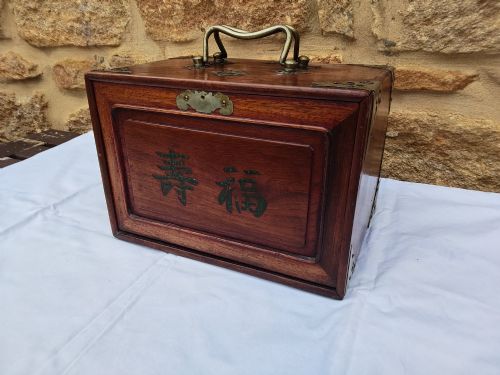
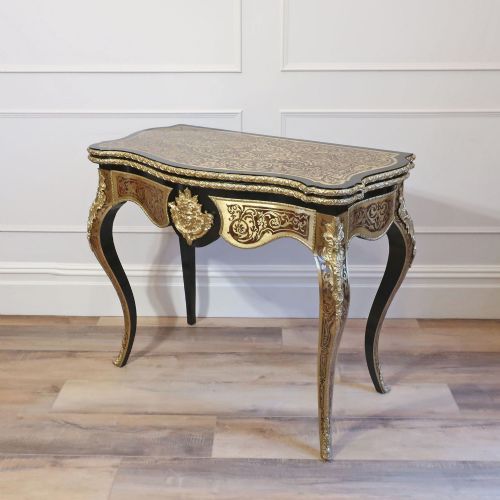
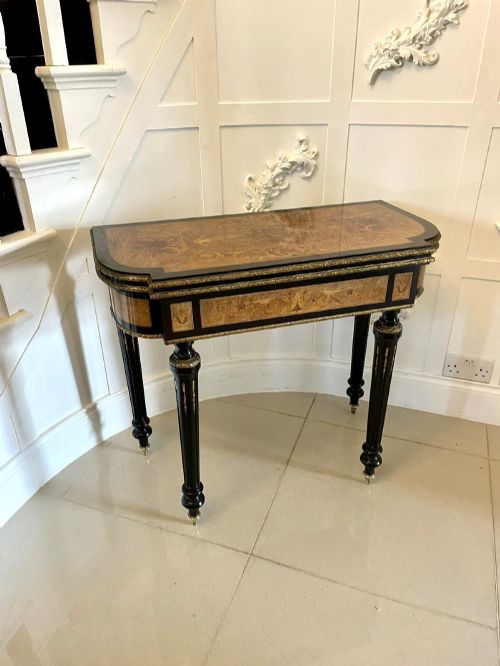
An antique game mount encompasses a diverse selection of nineteenth-century furnishings and accessories designed for leisure, including fold-over card tables, games compendiums, and taxidermy trophies. These items reflect the social habits of Victorian and Edwardian drawing rooms, where card playing and entertaining guests formed a central part of daily life.
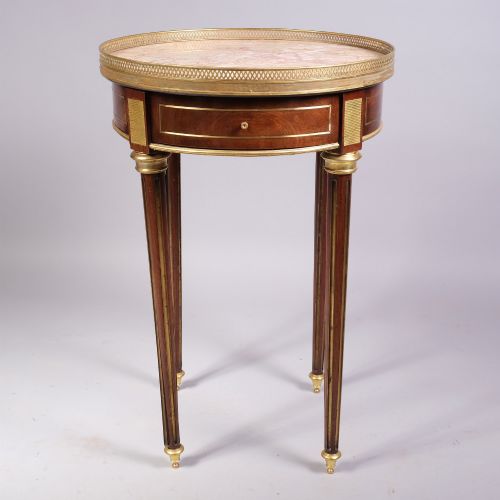
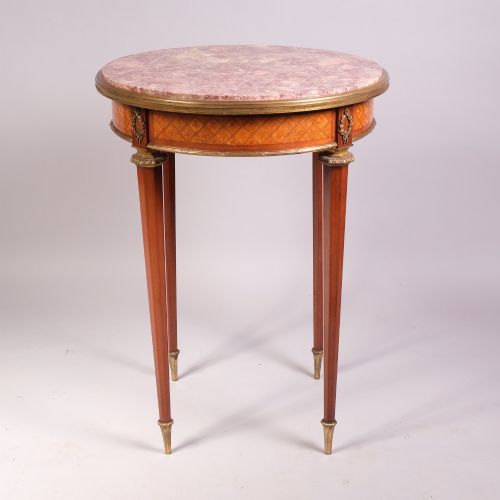
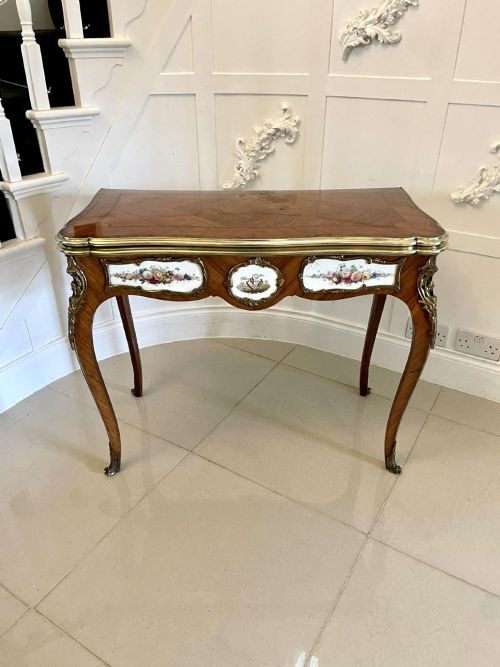
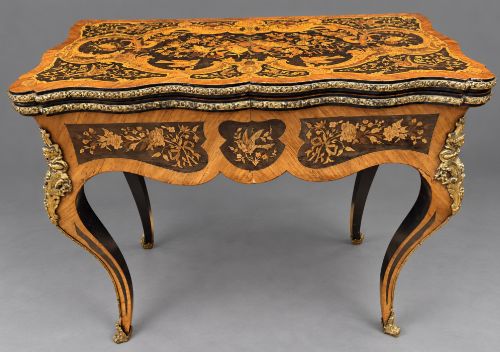
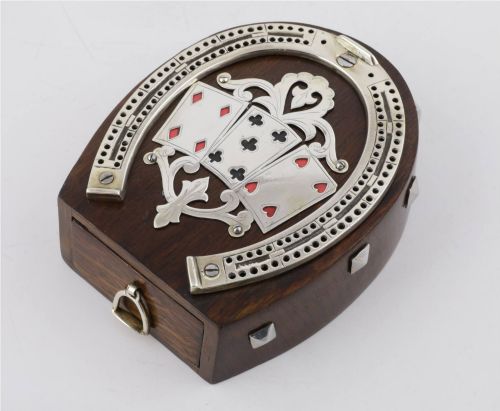
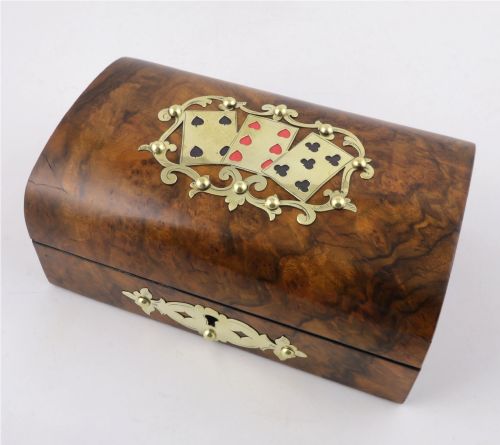
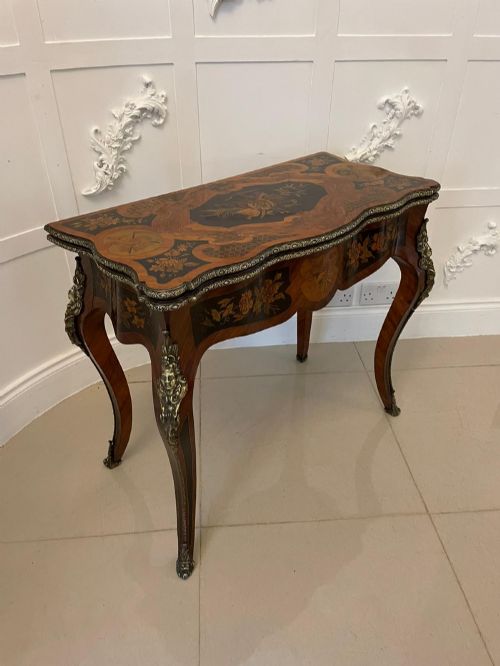
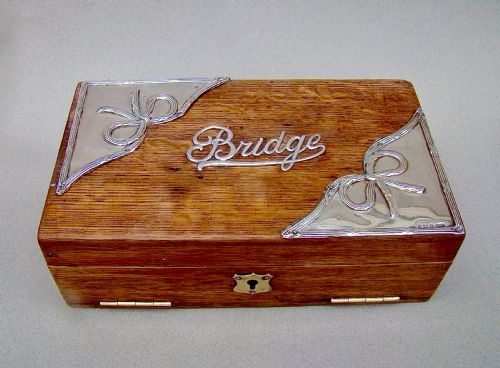
The objects listed under this description range from French marquetry console tables and oak cribbage boxes to African antelope head mounts by notable taxidermists. Buyers will frequently encounter French tables featuring brass inlay and ormolu mounts alongside sturdy British oak and walnut games boxes.
Materials and Construction
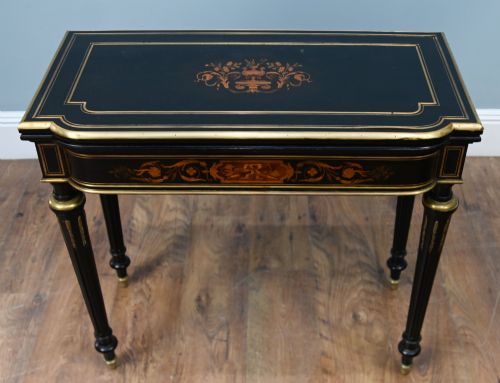
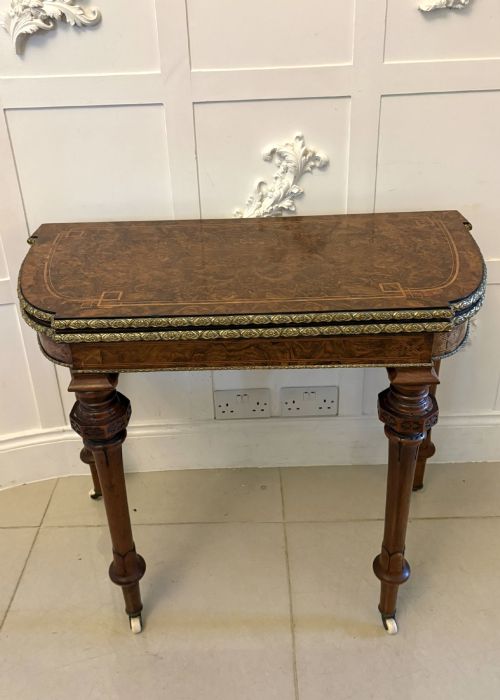
Cabinet makers utilised a rich palette of timbers including burr walnut, mahogany, rosewood, and kingwood, often laid in intricate marquetry or parquetry patterns. Surfaces were frequently enhanced with cast ormolu mounts, brass stringing, and ebonised detailing.
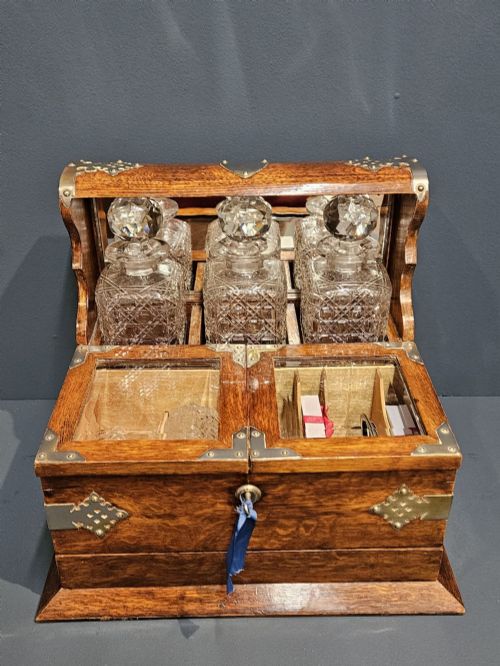
Taxidermy specimens were prepared using preserved hides and horns mounted on carved wooden shields, representing big game species from expeditions. Games boxes and tantalus cabinets combined solid oak or blonde oak structures with silver mounts and fitted interior compartments.
Antique Game Mount Retail Price Guide 2026
Typical asking prices for game mount among the pieces listed under this phrase on Sellingantiques today, from the lower quarter to the upper quarter. They describe what is for sale here now, not the wider market.
Listings feature eighteenth-century game hook racks alongside nineteenth-century taxidermy heads by Edward Gerrard and Sons.
Judging Quality and Execution
Quality rests upon the crispness of the timber marquetry, the precision of the brass and ormolu mounts, and the structural integrity of folding mechanisms on tables. Pieces attributed to prominent cabinet makers display superior joinery and more ambitious veneer work.
In taxidermy mounts, excellence is determined by the lifelike preservation of the animal, the symmetry of the horns, and the quality of the original mounting shield. Finer boxes feature complete internal fittings such as undamaged playing cards, cribbage boards, and original glassware.
Antoine Lampre·G T Morant·François Linke·Epstein and Co·Edward Gerrard and Sons·Joseph-Emmanuel Zwiener·Edwards and Roberts·Levi and Salaman
The Antique Game Mount Glossary
- Ormolu
- Gilded bronze ornamentation applied to furniture mounts. This decorative technique adds metallic lustre to the angles and aprons of French and English tables.
- Marquetry
- Decorative veneer patterns formed by fitting together small pieces of coloured wood. Craftsmen use this technique to create floral and geometric designs across table tops.
- Compendium
- A fitted box containing multiple games and accessories. These portable sets often include cards, dice, and cribbage boards within a single timber case.
- Parquetry
- Geometric wood inlay resembling mosaic work. It creates repeating patterns across the surfaces of French revival tables.
- Bouillotte
- A small card table designed for a specific French game of chance. They typically feature a raised rim and circular top.
Antique Game Mount: Frequently Asked Questions
What is a game mount?
An antique game mount covers nineteenth-century furnishings and artefacts associated with social games, pastimes, and sporting trophies. The category unites card tables with taxidermy heads and fitted games boxes.
Buyers searching this term often discover a mix of French parlor tables and British wooden compendiums alongside nineteenth-century animal mounts.
How were games tables used?
These folding tables served as multi-purpose furniture for drawing rooms, remaining closed against a wall as console tables until needed for evening card games. Their hinged tops opened to reveal baize-lined playing surfaces.
Wealthy households utilised them for whist, cribbage, and bouillotte during formal gatherings and domestic entertainment.
How do I date an antique table?
Dating relies upon stylistic markers such as the presence of French revival influences, specific wood selections like burr walnut or kingwood, and construction methods. Mid-nineteenth-century examples often feature elaborate ormolu mounts.
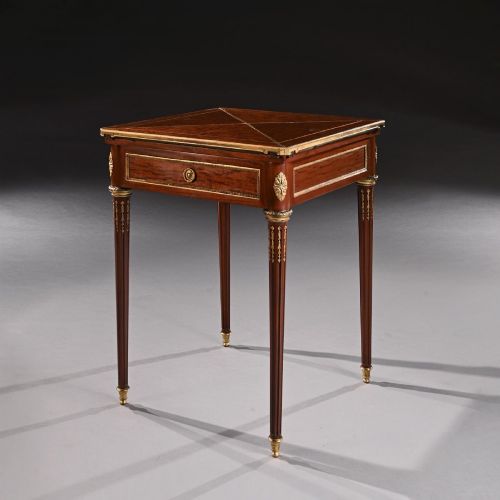
Later Victorian and Edwardian pieces shift toward simplified lines, ebonised finishes, or envelope folding mechanisms favored by makers like Maple and Co.
Where should I place a taxidermy mount?
Taxidermy trophies require stable wall fixings capable of supporting the weight of the wooden shield and animal head. They suit studies, libraries, or hallways with controlled humidity.
Keeping them away from direct sunlight preserves the natural colour of the horns and the condition of the hide.