




Antique Gallery Wall Art
Antique gallery wall art brings character and history to large interiors through framed prints, oils, and mirrors.
Antique Gallery Wall Art
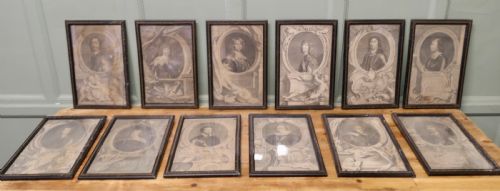
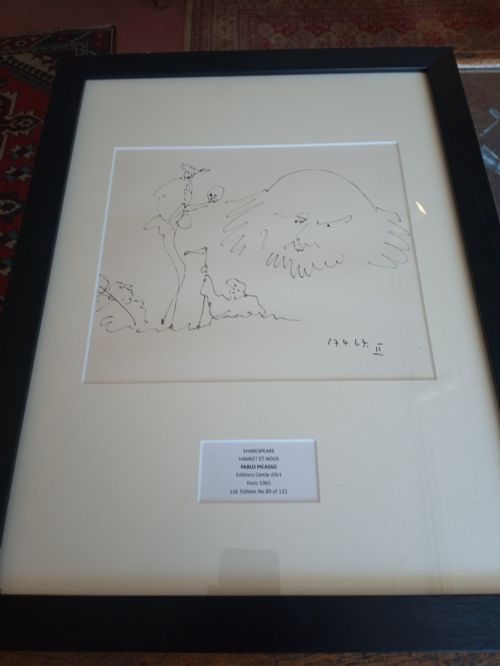
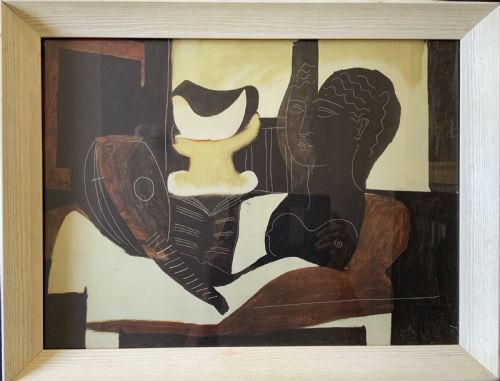
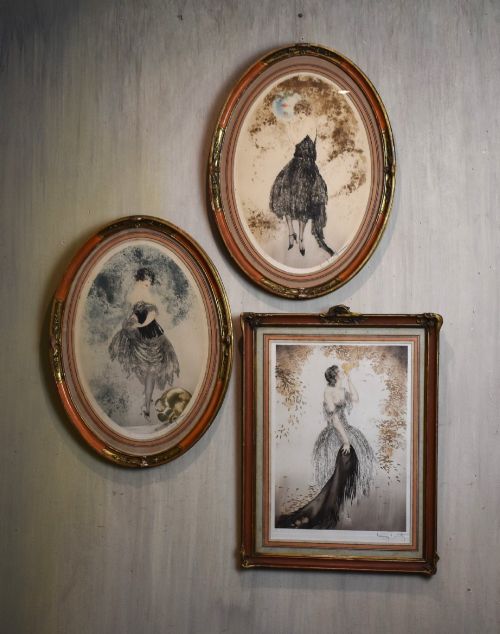
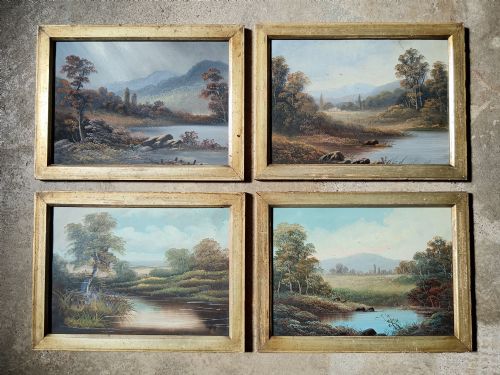
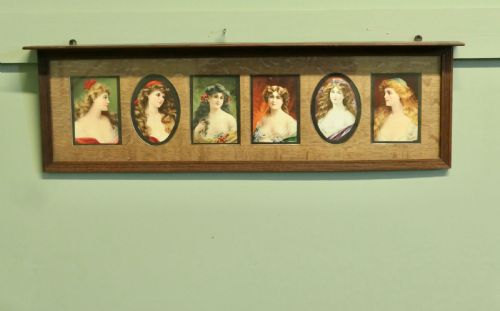
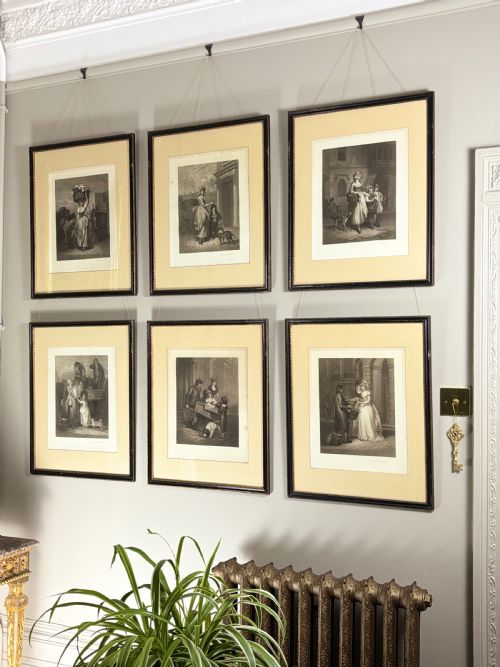
When searching for antique gallery wall art, collectors encounter grouped arrangements of framed works designed to cover substantial vertical surfaces. These groupings often comprise matched sets of engravings, watercolours, or oil paintings originating from the eighteenth and nineteenth centuries.
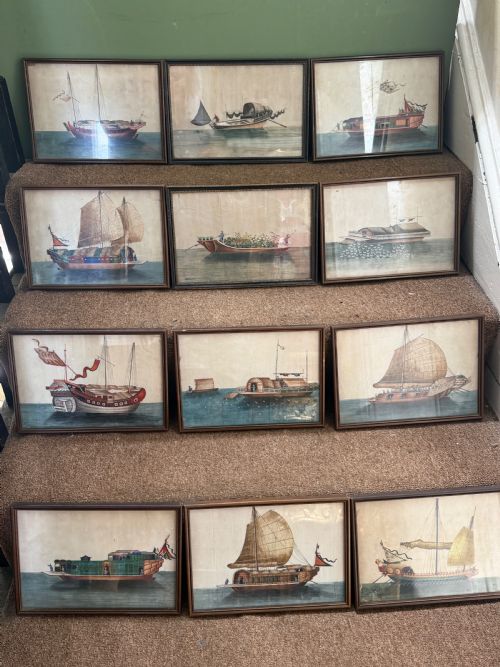
The selections on this page heavily feature framed botanical studies, sporting art, and decorative prints. Buyers frequently find matching series, such as sets of twelve Chinese Export gouache paintings or botanical engravings by notable naturalists.
Beyond works on paper and canvas, the category extends to framed wall mirrors and painted display shelves. Pieces from the Arts and Crafts movement, particularly works associated with the Rowley Gallery, provide alternative textural elements for interior displays.
Materials and construction methods
Artworks within this category utilise traditional media including oil on canvas, gouache, pencil, and watercolour applied to paper. Printmakers employed copperplate engraving, mezzotint, and etching techniques, frequently finishing impressions with hand-tinting in watercolour.
Frames rely upon traditional joinery and materials such as wood, gilt wood, and glass for protection. Specialised workshops also incorporated marquetry, silver-gilt, and painted finishes, as seen in period display pieces and mirrors.
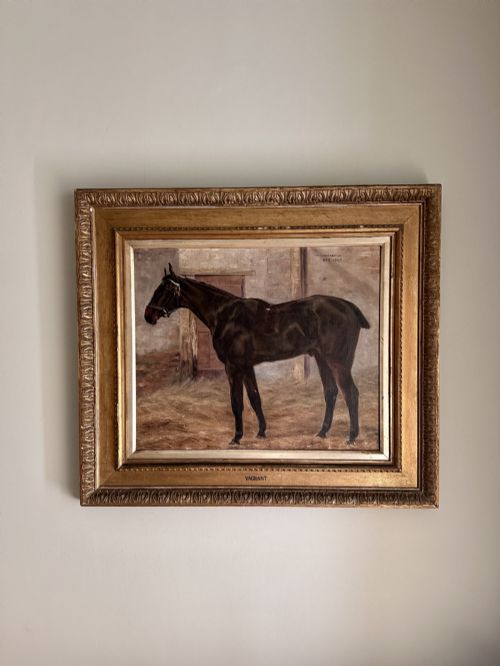
Historical racehorses and botanical insects share wall space here with eighteenth-century royalty and cocksure Vanity Fair caricatures.
Factors influencing quality
Quality rests upon the preservation of the medium and the crispness of the impression or brushwork. Original colouring, contemporary framing, and documented provenance elevate certain sets above standard decorative examples.
Completeness dictates the standing of multi-part groupings. Sets that retain their full complement of prints or paintings, unseparated over centuries, command greater interest from serious collectors.
Jacobus Howbraken·Fred Fitzpatrick·Louis Icart·Thomas G Appleton·Edward Stodart·Simon François Ravenet·Rowley Gallery·Pancrace Bessa·John Curtis·Edward Lear
The Antique Gallery Wall Art Glossary
- Mezzotint
- A printmaking process where the copper plate is roughened to achieve rich tonal gradations. This technique allows for subtle shifts in light and dark.
- Gouache
- An opaque water-based paint that provides solid, matte colour coverage. It frequently appears alongside watercolour in botanical and landscape studies.
- Engraving
- A method of incising a design into a metal plate with a sharp tool to hold ink. The resulting impressions display precise, clean lines.
- Marquetry
- The art of applying pieces of veneer to a structure to form decorative patterns. This technique appears on specialised frame surrounds and wall mirrors.
- Chinese Export
- Goods produced in China specifically for Western markets during the eighteenth and nineteenth centuries. These works often combine traditional Asian subjects with European framing formats.
Antique Gallery Wall Art: Frequently Asked Questions
How should I arrange a set of antique prints?
Symmetrical grids work well for matching botanical or ornithological series of equal size. Maintaining consistent spacing between frames creates a cohesive focal point on a large wall.
Alternatively, a salon hang mixes various sizes and media, such as oils and engravings, around a central anchor piece. Keep horizontal centres aligned to maintain visual balance across the display.
Are these works supplied ready to hang?
Most pieces arrive within period or later custom frames fitted with glass and hanging cord. Review individual listings to confirm the condition of the mount and backing.
Certain fragile watercolours or works on paper benefit from UV-protective glazing during reframing to prevent fading from sunlight exposure.
How do I care for antique works on paper?
Keep framed pieces away from direct sunlight and damp environments to protect the paper substrate and water-soluble pigments. Stable indoor temperatures prevent warping of both the art and the wooden frames.
Dust wooden frames gently with a dry cloth and avoid applying chemical cleaners directly to glass or gilt surfaces.
What defines a matched set in gallery art?
A matched set originates from the same publication, artist's studio, or commission, sharing uniform dimensions and paper stock. Surviving together as a group over generations, they maintain identical aesthetic qualities.
Partial sets lack their original companion pieces, which affects their historical completeness compared to full editions.