

Period Female Portrait Art
When you search for period female portrait art, you find historical depictions of women captured in oils, pastels, and watercolours across several centuries.
Period Female Portrait Art
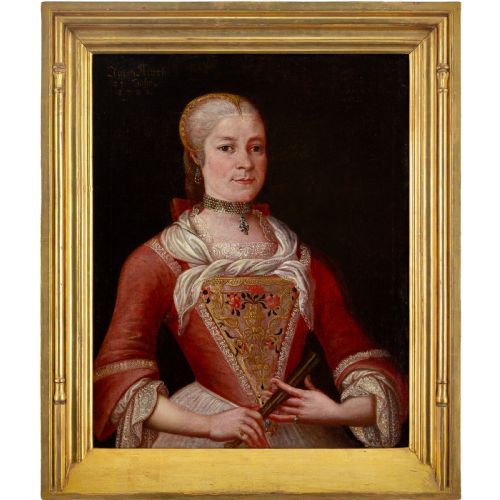
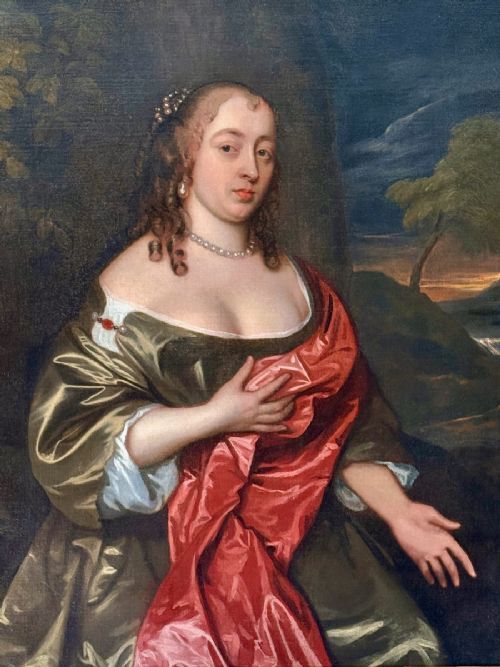
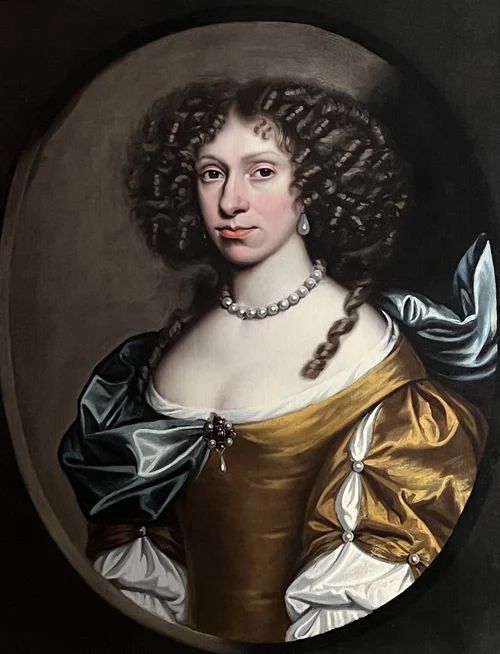
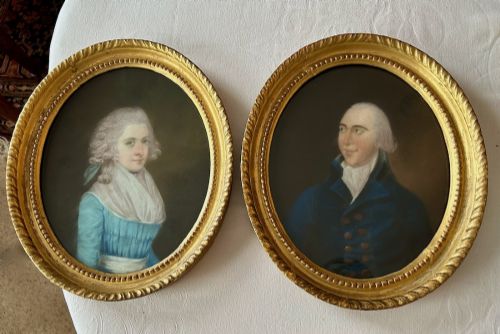
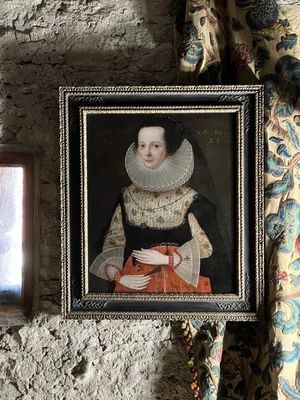
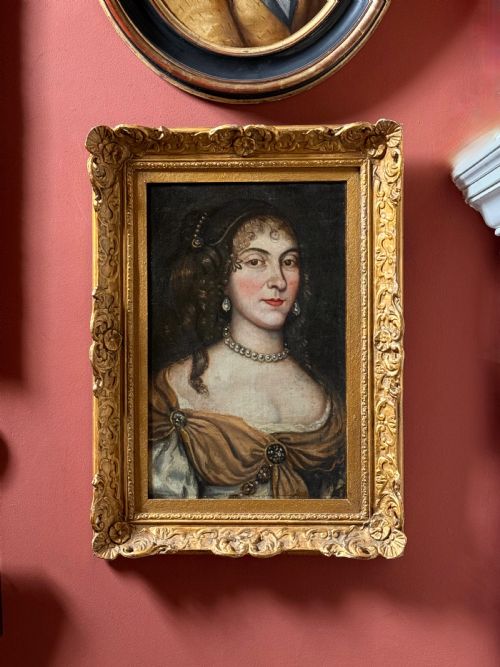
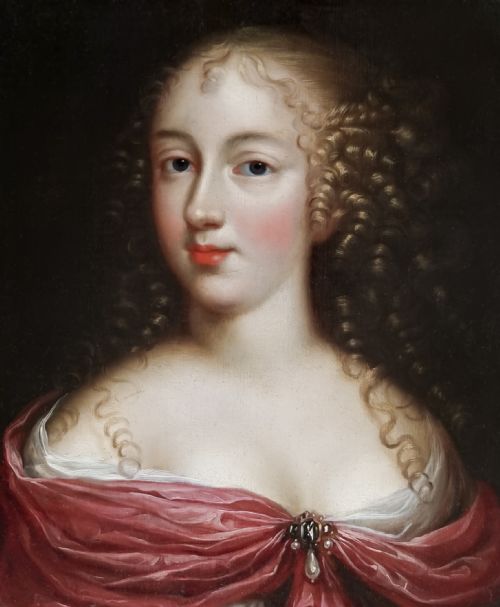
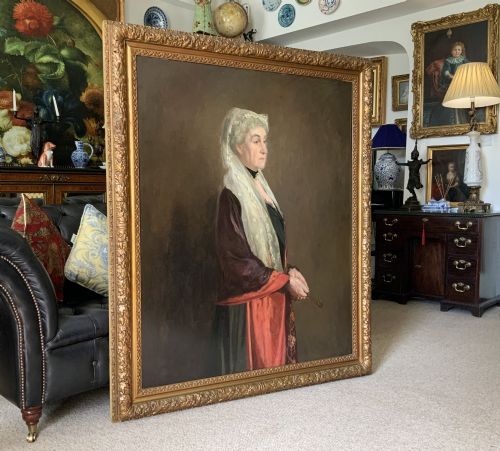
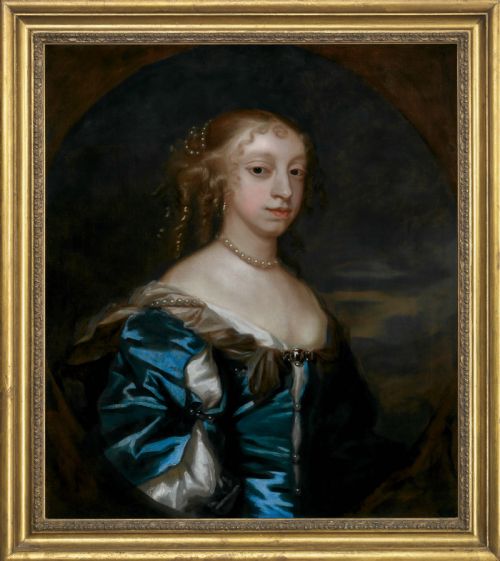
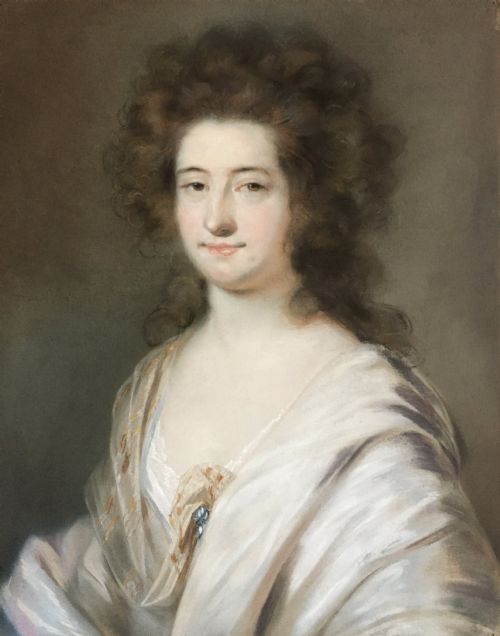
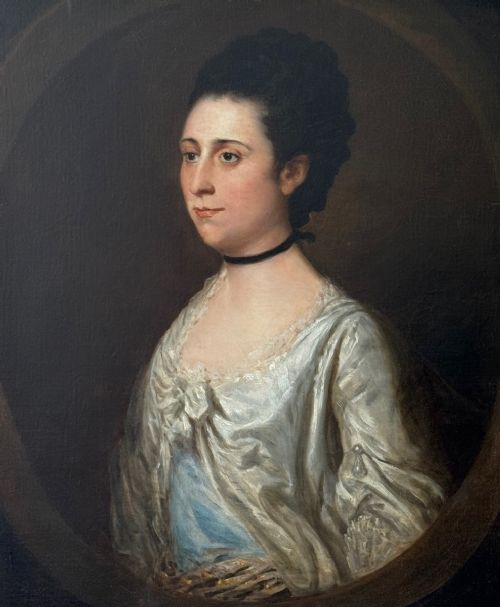
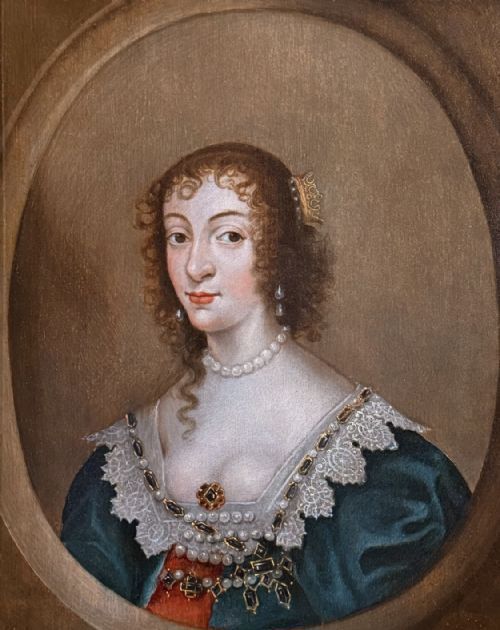
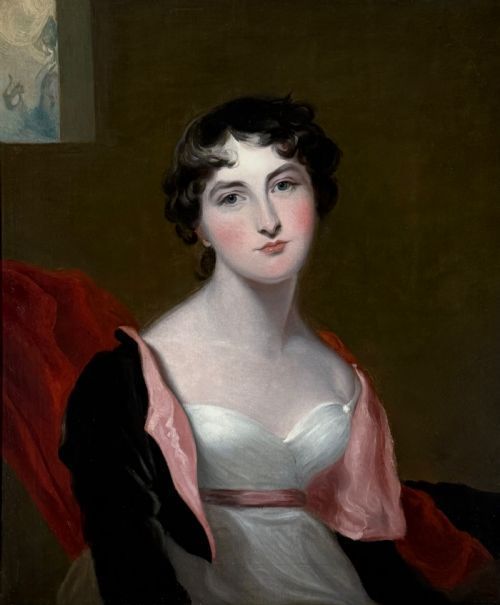
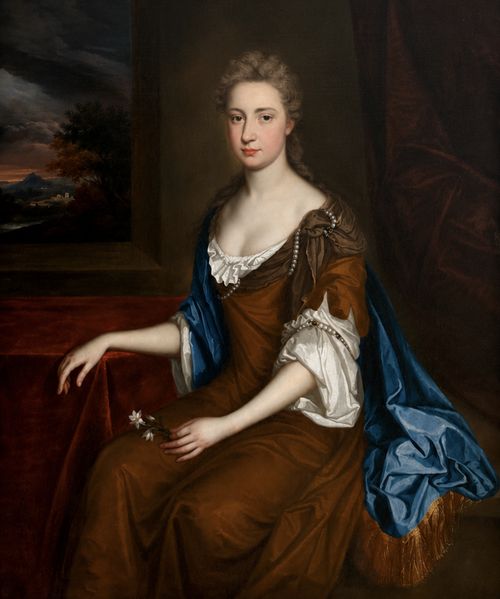
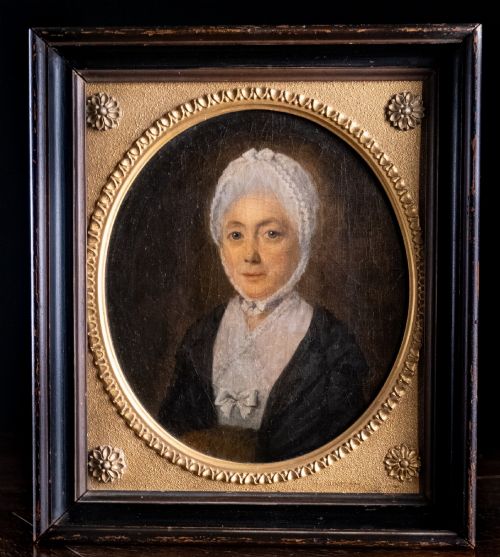
Period female portrait art encompasses historical depictions of women created from the seventeenth century through to the early twentieth century. These works capture subjects ranging from aristocratic noblewomen to Victorian society figures, rendered in oil on canvas, oil on panel, pastel, and watercolour. Buyers exploring this category encounter pieces reflecting distinct eras such as the Jacobean period, the Georgian era, and the Victorian age.
The selections available include both grand oil paintings in ornate giltwood frames and intimate works on paper or panel. Many pieces document specific sitters, identified through historical records or inscriptions, while others represent anonymous subjects depicted in the costume of their day. The predominant forms on this page are oil paintings and pastel portraits created by regional schools, studio circles, and named artists.
Materials and techniques of production
The creation of these works relies heavily on traditional painting mediums, principally oil paint applied to stretched canvas or wooden panels. Artists layered pigments to achieve depth in garments and complex hairstyles, frequently utilising gold leaf on associated frames. Pastels and watercolours on paper also appear, often protected beneath glass and framed in wood or gilt materials.
Framing forms an integral part of the physical object, with many works retaining period surrounds such as Hogarth frames or elaborately carved giltwood structures. The physical construction combines prepared supports, ground layers, and hand-mixed pigments characteristic of historical studio practices.
The collection includes works on paper, canvas, and wood panels spanning the seventeenth to the early twentieth century.
Distinctions in quality and execution
The provenance and attribution to a known hand, studio, or recognised school also influence the standing of a piece. Works associated directly with documented artists or painted by prominent regional schools exhibit a higher degree of artistic refinement in composition and psychological presence.
John Hayls·David Scougall·Pierre Mignard·Thomas Beach·Sir Thomas Lawrence·Jeremiah Davison·Cornelius Johnson·Henry Pickering·Nicolaes Maes·George Romney·H. Bayly·John Robert Dicksee·Pierre Gobert·Emma Kendrick
The Period Female Portrait Art Glossary
- Oil on Canvas
- Pigments suspended in a drying oil applied to a woven fabric support. This was the primary medium for major portraits from the seventeenth century onward.
- Pastel
- A medium consisting of powdered pigment and a binder rolled into sticks, used dry on paper. It produces velvety textures and delicate colour transitions.
- Giltwood
- Wood carved and coated with a thin layer of gold leaf or metallic powder. This material is standard for ornate period frames designed to complement formal paintings.
- ,Oil on Panel
- A painting executed on a flat wooden board rather than canvas. This substrate is frequently encountered in earlier works from the seventeenth century.
- Portrait Miniature
- A small, highly detailed painting designed for intimate viewing. These works are often executed in watercolour or gouache on paper or vellum.
Period Female Portrait Art: Frequently Asked Questions
What periods do these portraits cover?
The works span from the seventeenth century through the Georgian and Regency eras into the Victorian and Edwardian periods. Each era brings distinct styles of dress and painting techniques.
Earlier pieces often feature elaborate seventeenth-century costume and panel supports, while later Victorian works show softer watercolours and different framing styles.
How were these portraits originally displayed?
Wealthy patrons hung large oil paintings in panelled rooms, country houses, and formal galleries to display lineage and status. Smaller pastels and watercolours were kept in private drawing rooms or intimate domestic spaces.
Original giltwood and Hogarth frames were selected to project status and complement interior decoration schemes of the era.
How do I identify the sitter?
Some pieces bear contemporary inscriptions, family crests, or handwritten labels on the reverse detailing the subject's name and dates. Historical research into costume, heraldry, and artist records often aids identification.
Many sitters remain anonymous, recorded only by their social rank or the fashion of their clothing, such as a noblewoman or a young society lady.
How should I care for antique portraits?
Keep works away from direct sunlight, high humidity, and rapid temperature changes to protect canvas, panel, and paper supports. Avoid hanging pieces above active heat sources that might dry out the wood or paint.
Glazed works like pastels and watercolours require stable environments behind glass, while oil paintings benefit from periodic dusting with a soft, dry brush.