

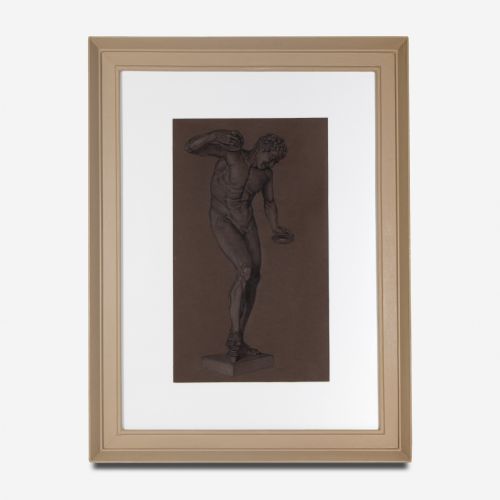


19th Century Pencil Drawing
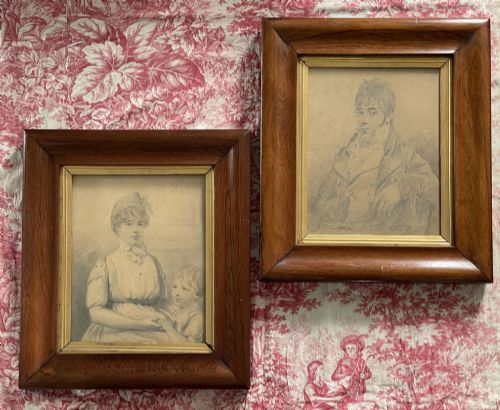
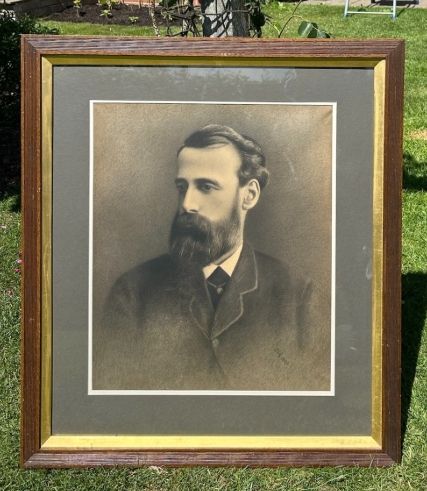
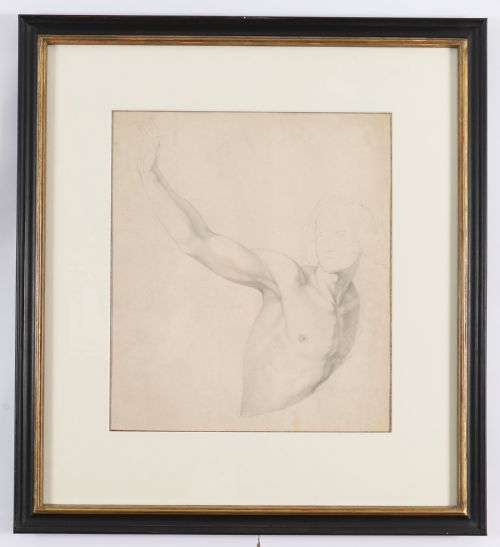
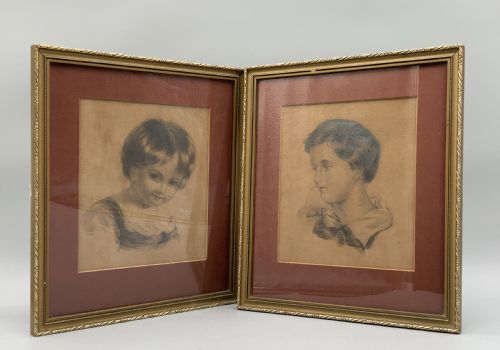
A 19th century pencil drawing captures the intimate immediacy of the era through detailed graphite marks on paper.
19th Century Pencil Drawing
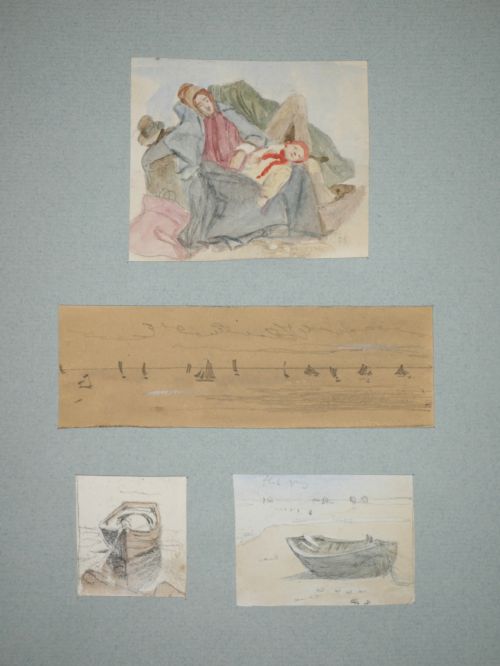
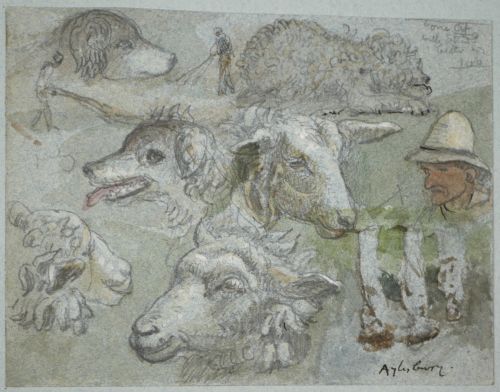
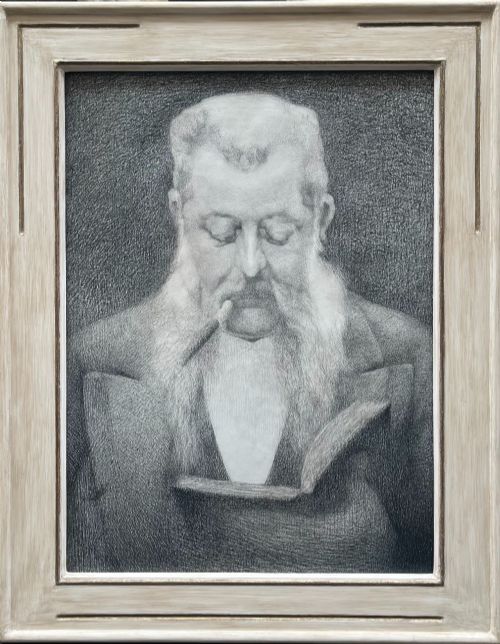
A 19th century pencil drawing encompasses original works on paper ranging from intimate portraits and figure studies to architectural renderings and expansive landscapes. These pieces record the visual observations of artists working across the Victorian, Regency, and Georgian periods, capturing subjects from local domestic scenes to continental views.
Buyers encounter works attributed to named artists alongside sketchbooks and anonymous student studies executed in schools from the academic to the symbolist tradition. The selection includes standalone framed artworks as well as series and sets produced during movements such as the 19th century Irish genre art tradition.
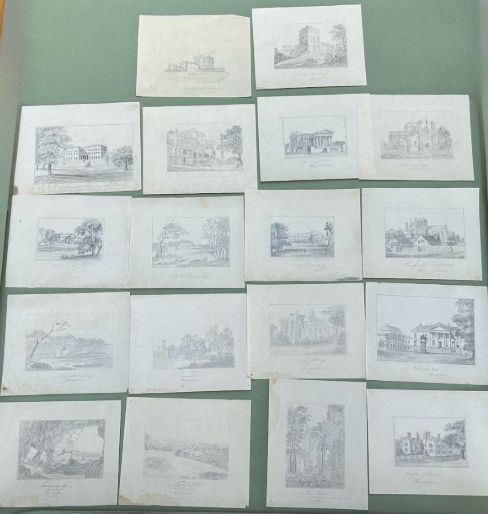
The subjects span human figures, equestrian studies, and architectural landmarks such as castles, abbeys, and colleges. Many sheets bear inscriptions, monograms, or dates that anchor them to specific decades between 1800 and 1900.
How They Were Made
Artists created these works on paper utilising graphite, charcoal, and occasionally ink, wash, or watercolour highlights to add depth to the composition. Supports vary from standard drawing paper to embossed paper and cardstock, sometimes mounted within period frames featuring glass.
Techniques range from precise academic realism and architectural study to rapid compositional sketching and grisaille shading. Works were frequently heightened with white chalk or bodycolour to create tonal contrast against the grey of the pencil marks.
Listings feature portraits, architectural studies, and landscapes created with graphite, charcoal, and ink on paper.
What Varies in Quality
The strength of a piece rests upon the confidence of the line and the precision of the draughtsmanship, distinguishing practiced academic observation from tentative amateur execution. Details such as the rendering of hands in a portrait or the perspective in an architectural study reveal the skill of the hand behind the work.
Condition and presentation also define the tier of a work, particularly the survival of the original paper surface without excessive foxing or fading, alongside the integration of contemporary framing, provenance records, and artist signatures or authentic monograms.
James Smetham·Robert Richard Scanlan·Sir Francis Leggatt Chantrey·THEOBALD CHARTRAIN·Sir William Charles Ross·William Moore·George Balmer·Lieutenant Colonel Robert Batty·RICHARD BEAVIS·Keeley Halswelle RI·Sir George Hayter
The 19th Century Pencil Drawing Glossary
- Graphite
- A form of crystalline carbon used as the primary marking medium in pencil drawings, offering variable tones from soft greys to deep blacks.
- Grisaille
- A painting or drawing executed entirely in shades of grey or neutral monochrome, often used to simulate sculpture or prepare for a larger canvas.
- Wash
- A thin, transparent layer of diluted watercolour or ink applied with a brush to add tonal depth or shadow to a linear pencil drawing.
- Attribution
- The formal assignment of a work to a particular artist or school based on stylistic evidence, signatures, or historical documentation.
- Monogram
- A motif made by overlapping or combining two or more letters to form a recognizable cipher used by the artist instead of a full signature.
19th Century Pencil Drawing: Frequently Asked Questions
What is a 19th century pencil drawing?
These works are original works on paper executed in graphite, charcoal, or pencil during the 1800s. They record the preliminary thoughts, portraits, and landscapes of artists from the period.
Created as finished studies or sketchbook pages, they offer a direct window into the visual culture of the Victorian and Regency eras.
How were these drawings used originally?
Artists produced these drawings as preparatory studies for larger paintings, as records during foreign travel, or as finished portraits commissioned by patrons. Sketchbooks served as visual diaries for recording architecture, landscapes, and figures.
Many sheets remained bound in albums or mounted in portfolios before being framed by later collectors.
How do I care for a pencil drawing?
These works require protection from direct sunlight and excessive humidity to prevent the paper from yellowing and the graphite from degrading. Framing behind UV-resistant glass ensures the delicate medium remains stable.
Keeping the works away from heat sources preserves both the paper support and any added watercolour highlights.
How are periods told apart in drawings?
Stylistic cues, clothing fashions, and architectural details help date these works alongside any inscribed dates or artist signatures. Regency pieces often reflect Neoclassical restraint, while later Victorian works lean towards academic realism or symbolist themes.
The type of paper and framing materials also provide physical clues to the decade of creation.