


Victorian Profile Portrait Painting
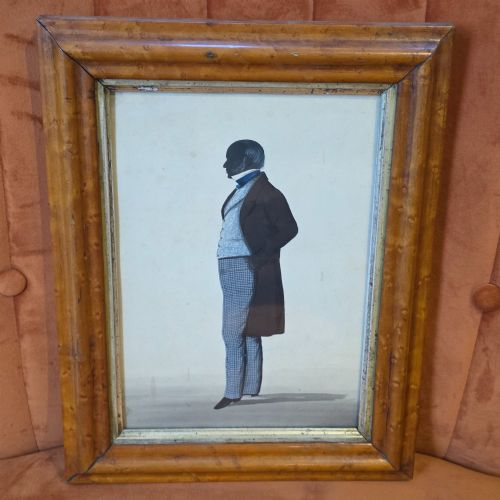
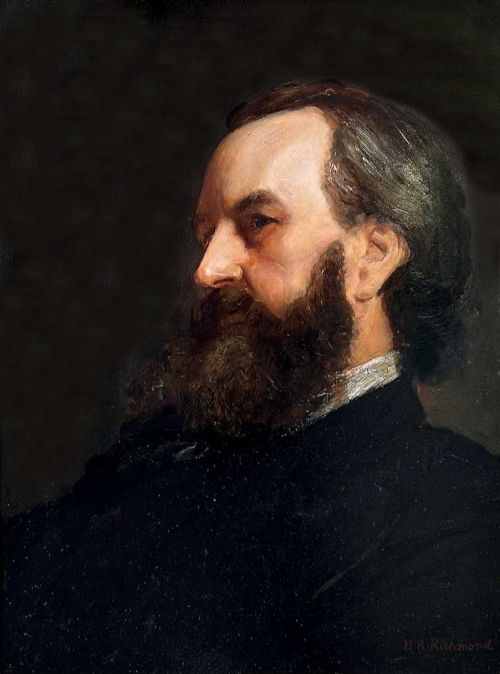
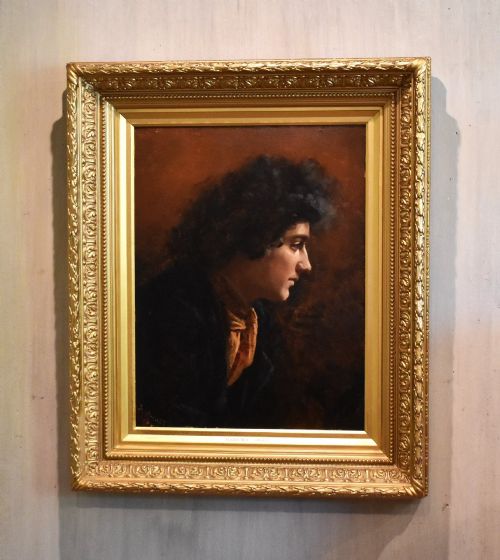
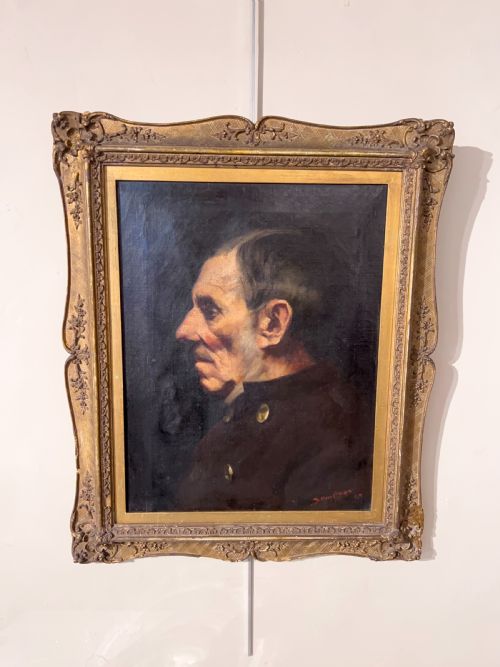
These victorian profile portrait painting examples capture subjects in silhouette, watercolour, pencil, and oil, offering an intimate glimpse into nineteenth-century likenesses.
Victorian Profile Portrait Painting
A victorian profile portrait painting represents a specific category of nineteenth-century artwork focusing on the side profile of sitters. These pieces appear in formats ranging from hand-cut silhouettes on paper to detailed watercolour miniatures and oil on canvas.
The selection on this page spans the 19th century, including specific dated works from the 1850s, 1870s, 1880s, and 1890s, alongside early 20th-century examples. Buyers encounter both individual likenesses of gentlemen and ladies and family groupings.
Originating from British, English, Continental, and academic schools, these works demonstrate the diverse artistic output of the period. Framed artwork and deep gilt frames frequently accompany these portraits, preserving their original presentation.
How they were made
Artists utilised paper, card, and canvas as the primary grounds for these works, applying oil paint, watercolour, ink, and pencil to capture the subject. Hand-cut silhouettes required precise paper manipulation to define the profile.
Gesso and wood feature prominently in the construction of the frames housing these portraits, particularly within deep gilt examples. Miniature watercolours often incorporated protective glass and ebonised surrounds to enhance the visual depth.
Represented formats include framed artworks, portrait miniatures, individual oil paintings, and sets of pencil studies.
What varies in quality
Framing contributes significantly to the overall presentation, with deep Victorian gilt frames and period ebonised surrounds providing different aesthetic contexts. The preservation of the original paper, card, or canvas surface maintains the integrity of the work.
William Blake Richmond·Florence Small·Bertram Priestman·Alfred Darbyshire
The Victorian Profile Portrait Painting Glossary
- Silhouette portrait
- A likeness depicted as a solid shape, usually black on a light background, often hand-cut from paper. This traditional form focuses entirely on the outline of the sitter's profile.
- Portrait miniature
- A small-scale painting executed with fine detail, frequently created in watercolour on paper or card. These intimate works often include protective glass and specialised framing.
- Gesso
- A plaster-like material applied to wood before gilding or painting, commonly utilised in ornate nineteenth-century frame construction. It provides a smooth surface for subsequent decorative finishes.
- British School
- A term applied to artworks created by artists working within Britain, reflecting shared regional traditions and academic training during the nineteenth century.
Victorian Profile Portrait Painting: Frequently Asked Questions
How do I care for watercolour portraits?
Watercolour works require protection from direct sunlight to prevent the pigments and paper ground from fading over time. Maintaining stable indoor humidity levels also protects the paper and prevents warping within the frame.
Display these pieces away from damp areas and ensure the glass remains sealed to guard against dust and moisture accumulation.
What is a profile portrait?
A profile portrait depicts the subject from the side rather than facing forward, capturing the distinct contours of the nose, brow, and chin. This format gained immense popularity during the nineteenth century for both painted miniatures and cut paper silhouettes.
The side view emphasises the clean silhouette of the sitter, offering a clear and recognizable likeness achieved through economy of line or brushwork.
Are these portraits signed by artists?
Certain works feature signatures or attributions to named painters and silhouettists from the period, while others originate from broader regional schools. Unsigned pieces remain common, reflecting the widespread domestic production of portraiture during the Victorian era.
Documentation on the reverse or exhibition records occasionally provide further context regarding the creator and the date of execution.
How were these pieces framed originally?
Nineteenth-century portraits typically utilised deep gilt frames, ebonised wood surrounds, or simple timber mouldings designed to complement the interior aesthetics of the period. Gilt finishes and applied gesso details were common on oil paintings and larger watercolours.
Miniatures frequently employed smaller protective cases or specialised frames with integrated glass to safeguard the delicate paint and paper surfaces.