
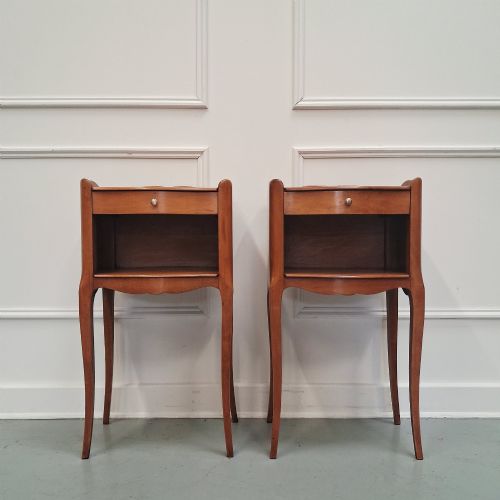
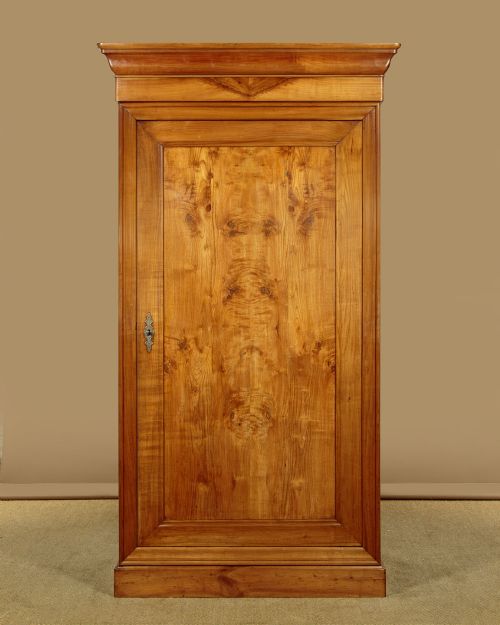
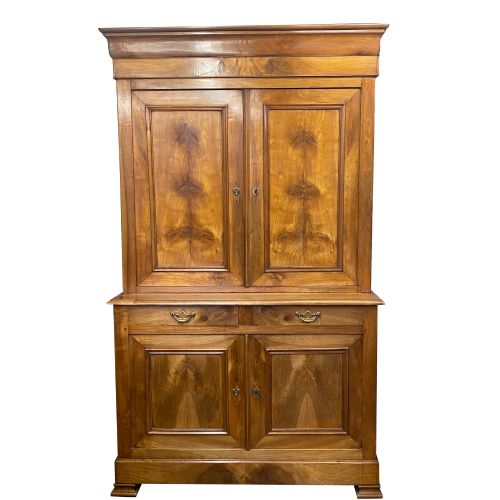
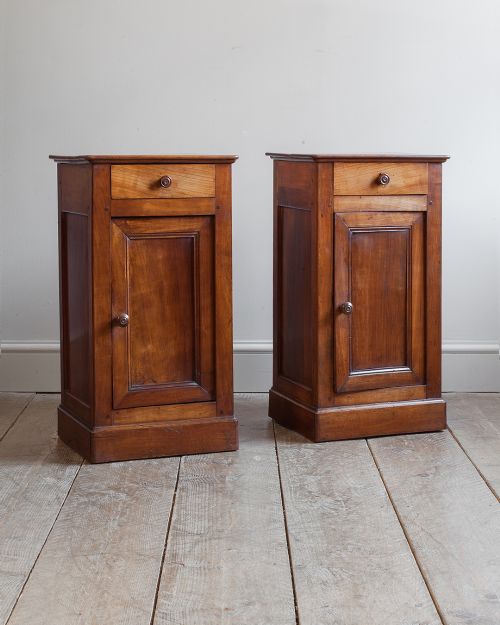


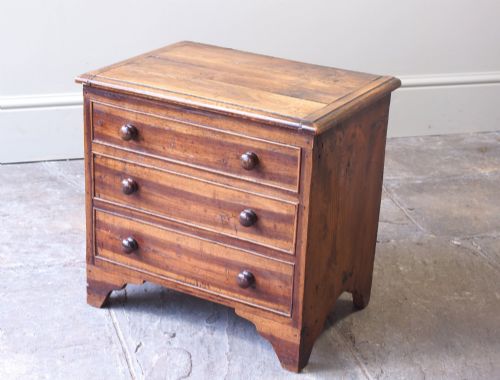
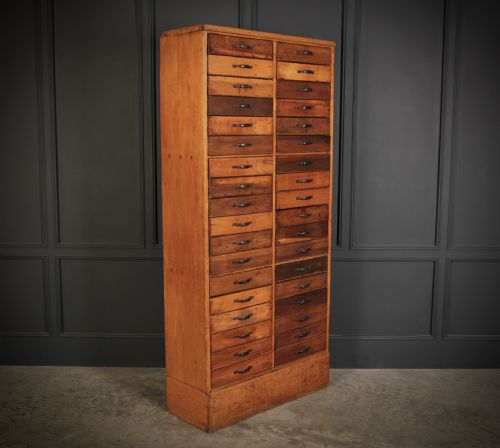
Antique Fruitwood Cabinet
An antique fruitwood cabinet brings warmth and tactile grain to a room, offering practical storage through timber chosen for its rich colour.
Antique Fruitwood Cabinet
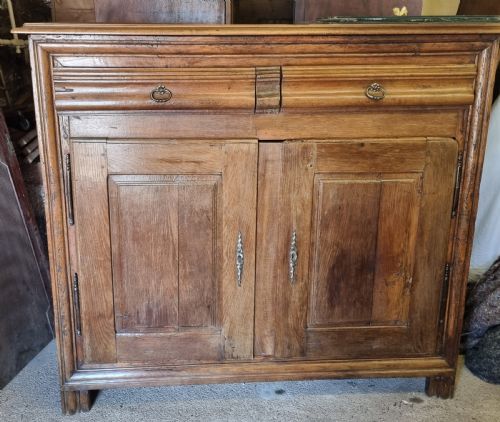
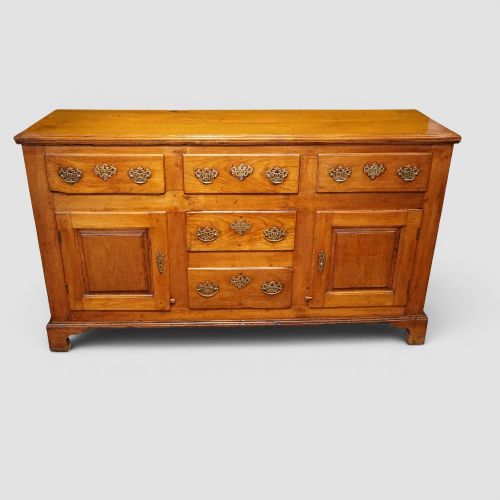
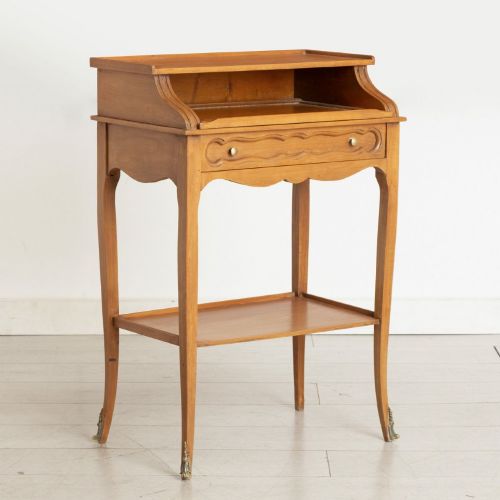
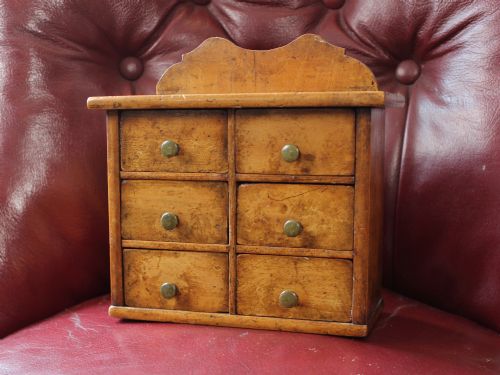
When searching for an antique fruitwood cabinet, buyers encounter a diverse selection of regional European and British pieces spanning multiple centuries. The selection ranges from robust housekeeper cupboards and dressers to intimate bedside tables and commodes, reflecting domestic needs of the past.
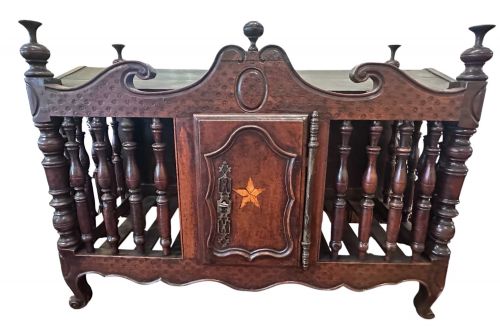
French provincial pieces dominate the selection, often rendered in cherrywood, pear or general fruitwood alongside oak and walnut. These provincial forms emphasise utility and honest construction over excessive ornamentation, displaying the natural figure of the timber.
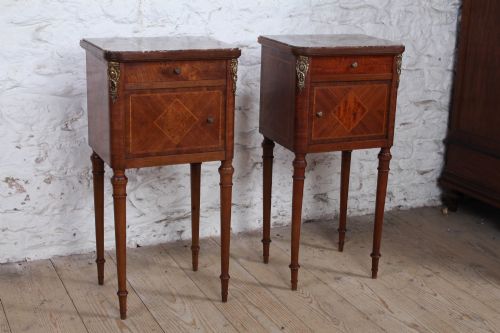
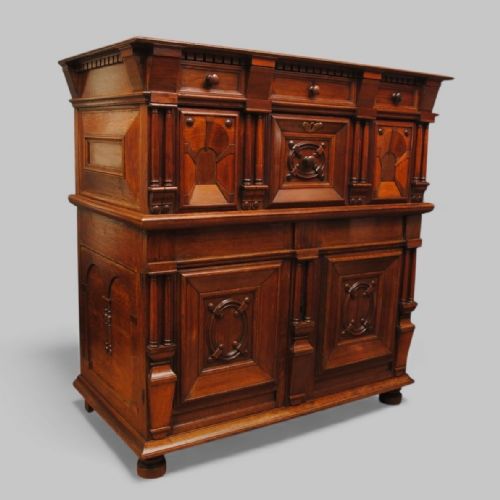
Earlier examples from the seventeenth century showcase intricate marquetry and parquetry alongside fruitwood decoration, while later nineteenth-century pieces lean towards refined commodes and bedside cupboards with marble tops.
Materials and construction methods
Cabinet makers utilised dense fruitwoods such as cherry, pear and plum, frequently combining them with oak for structural carcases and walnut for contrasting decoration. These timbers were selected for their fine grain, which allowed for smooth surfaces and precise marquetry details.
Secondary materials including brass hardware, iron hinges, glass panels and marble tops appear across various forms, providing functional durability and contrasting textures. Surface decoration often involved fine inlay, parquetry and burr veneer applied over solid timber frames.
Listings feature pieces spanning the seventeenth century through to the 1930s, constructed in fruitwood, oak, walnut, cherrywood and mahogany.
Assessing quality in fruitwood cabinetry
Quality rests upon the selection of the timber and the subtlety of its figuring, where rich natural patina and well-matched grain elevate a piece. Superior examples display thoughtful integration of secondary woods like oak or walnut, paired with harmonious proportions.
The precision of joinery, from dovetailed drawers to finely executed marquetry and parquetry, distinguishes standard utility pieces from exceptional workshop output. Original mounts in brass or ormolu and intact marble tops further separate the finest specimens.
Millet
The Antique Fruitwood Cabinet Glossary
- Fruitwood
- Timber derived from fruit-bearing trees such as cherry, pear, apple and plum, known for its fine grain and warm tone. It was widely employed in provincial and high-style cabinet making.
- Marquetry
- The art of applying pieces of veneer to a structure to form decorative patterns and pictures. Craftsmen used various contrasting woods, including fruitwood and walnut, to create detailed motifs.
- Commode
- A low chest of drawers or cabinet originating in France during the seventeenth century. These pieces frequently feature marble tops and decorative mounts.
- Parquetry
- Geometric mosaic woodwork used for flooring or cabinet surfaces. The technique involves arranging small blocks or veneers of fruitwood and other timbers in repeating patterns.
- Dresser Base
- A low sideboard or storage unit equipped with drawers and cupboards. These practical items formed the backbone of rural and provincial kitchens.
Antique Fruitwood Cabinet: Frequently Asked Questions
What is an antique fruitwood cabinet?
An antique fruitwood cabinet is a storage piece constructed primarily from dense, fine-grained timbers like cherry, pear or plum. These pieces range from provincial French bedside tables to English Georgian dressers and corner cupboards.
Cabinet makers valued fruitwood for its smooth texture and warm reddish-brown hue, which deepens into a rich patina over centuries of use and exposure to light.
How do I care for fruitwood furniture?
Fruitwood responds best to stable indoor humidity and protection from direct sunlight, which can bleach the warm natural tones of cherry and pear timber. Regular dusting with a soft, dry cloth preserves the finish.
Applying a traditional beeswax polish periodically helps nourish the wood and maintain the soft sheen characteristic of well-kept antique surfaces.
Where were these cabinets made?
The pieces originate primarily from regional workshops across France, Britain, Germany and the Netherlands. French provincial cabinet makers produced a high proportion of the surviving fruitwood commodes and bedside tables.
English and German makers frequently incorporated fruitwood as inlay or veneer alongside oak, walnut and snakewood on geometric chests and display cabinets.
How do I distinguish regional styles?
French provincial furniture often displays softer, organic curves and lighter fruitwood construction, particularly in styles associated with Louis Philippe or regional country workshops. English pieces from the Georgian period lean towards structured utility and architectural mouldings.
German and Dutch examples from earlier centuries frequently utilise fruitwood within complex marquetry panels and contrasting walnut or oak frameworks.