



Antique Fruit Dish
An antique fruit dish brings the weight of porcelain, silver, and crystal to a table, holding summer produce with formal grace.
Antique Fruit Dish
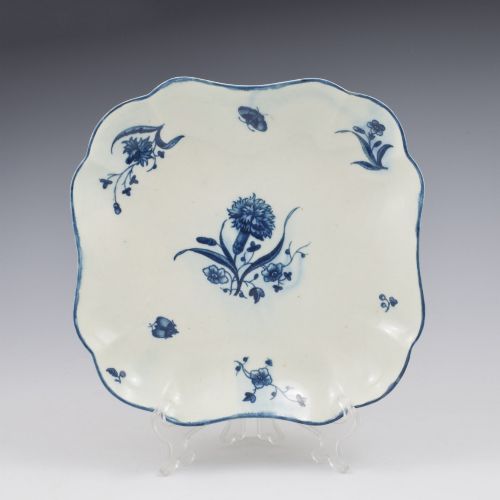
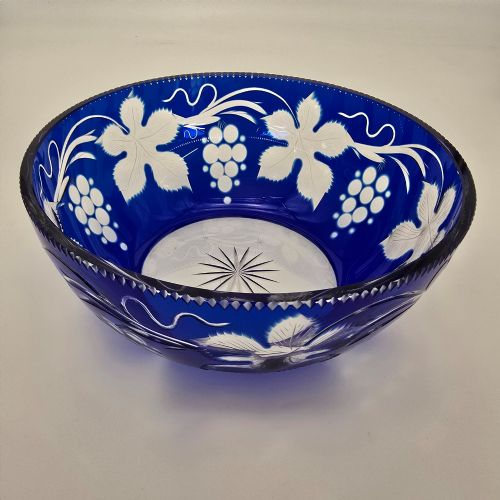
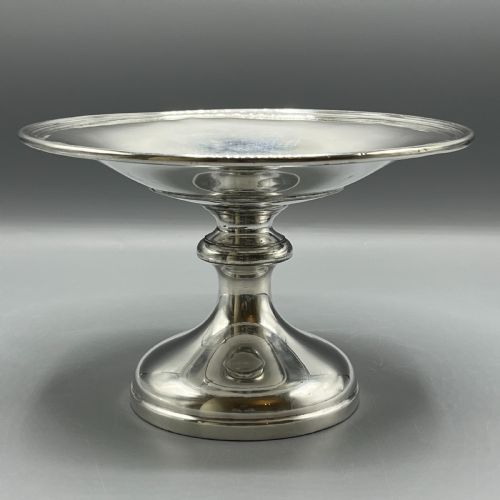
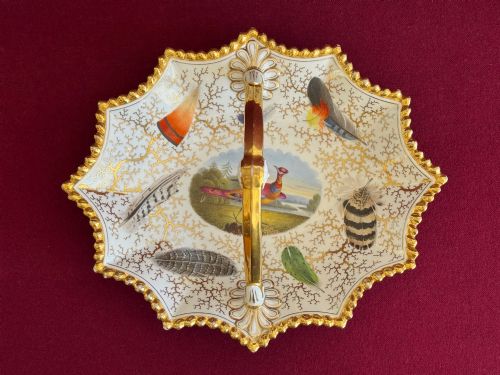
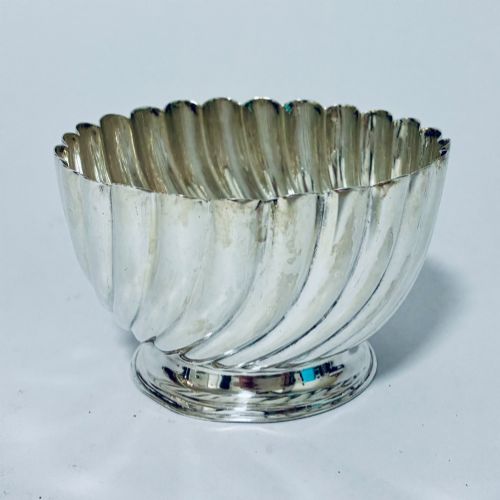
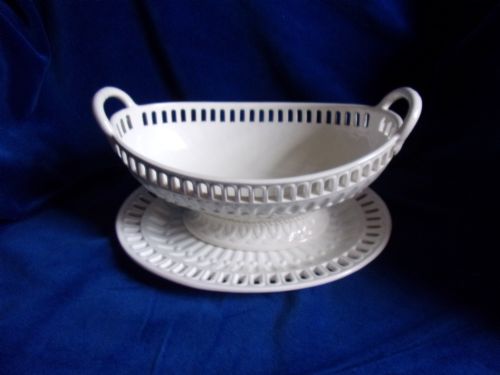
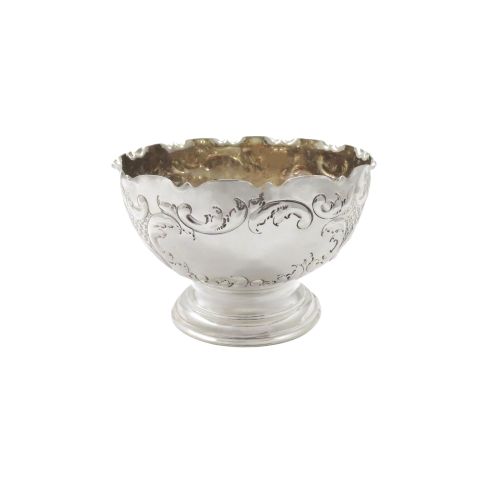
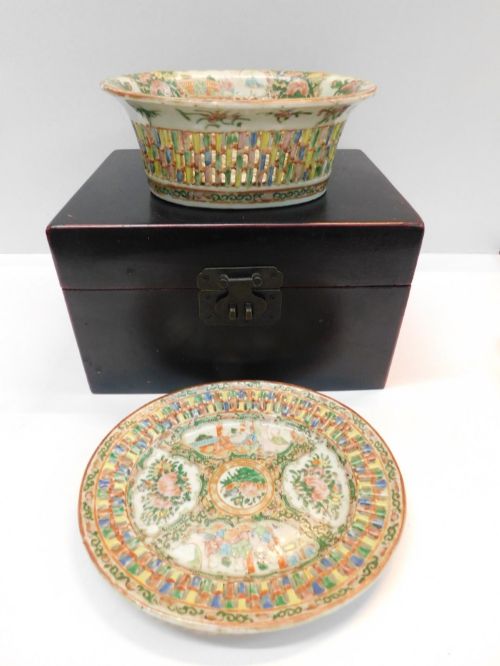
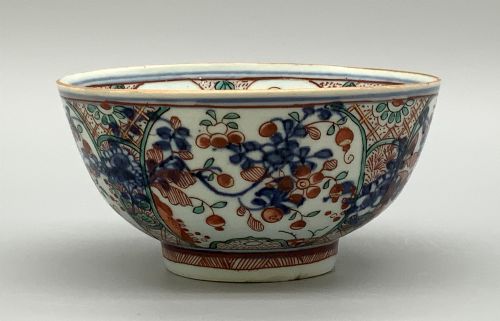
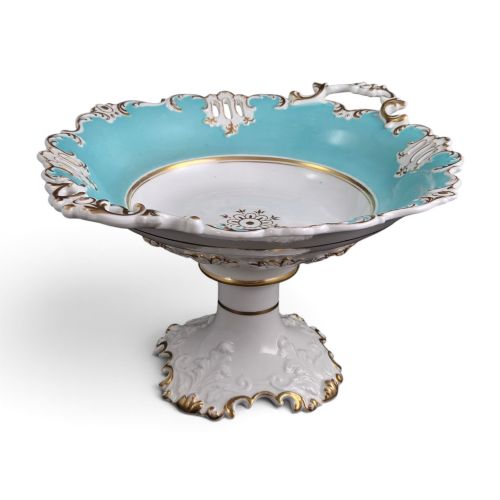
An antique fruit dish spans forms from simple earthenware bowls and creamware baskets to elaborate pedestal tazzas, cabinet plates, and heavy silver centrepieces. Makers shaped these vessels for dining rooms across the eighteenth, nineteenth, and twentieth centuries, employing porcelain, bone china, crystal, and sterling silver.
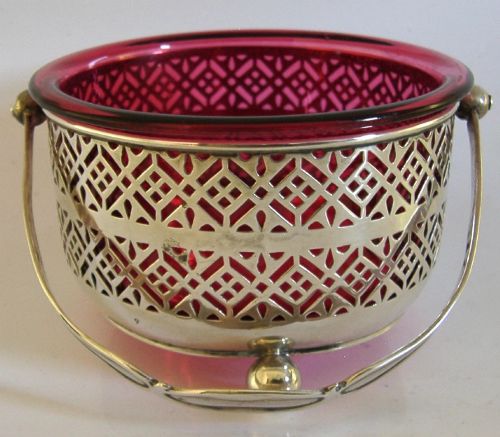
Ceramic examples often arrive decorated with hand-painted fruit, floral borders, and pierced lattice work, while metal versions utilise openwork wire and cast bronze mounts. The selection ranges from Regency porcelain baskets and Victorian silver footed bowls to Edwardian cranberry glass and Art Deco oak centrepieces.
Buyers meet pieces originating from English factories like Worcester and Wedgwood alongside continental porcelain, Chinese export wares, and twentieth-century silver. Each vessel served a specific function at the dining table, elevating the presentation of fresh produce during formal meals.
How they were made
Ceramic dishes rely on shaped porcelain, bone china, or creamware, often finished with hand-painted botanical or fruit motifs, gilding, and reticulated pierced edges. Potters cast or threw the clay bodies before firing, applying enamel colours and gold leaf in subsequent kiln stages.
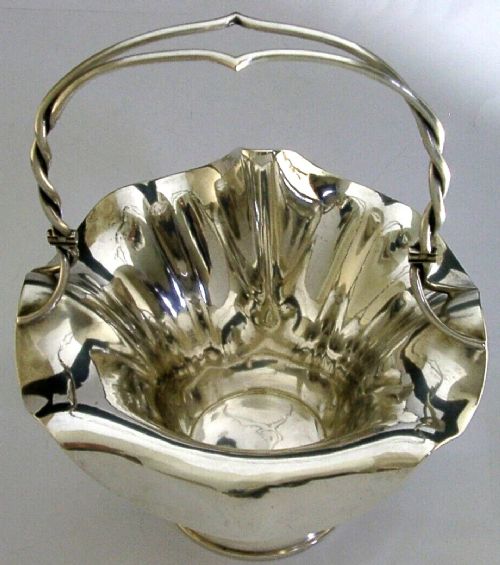
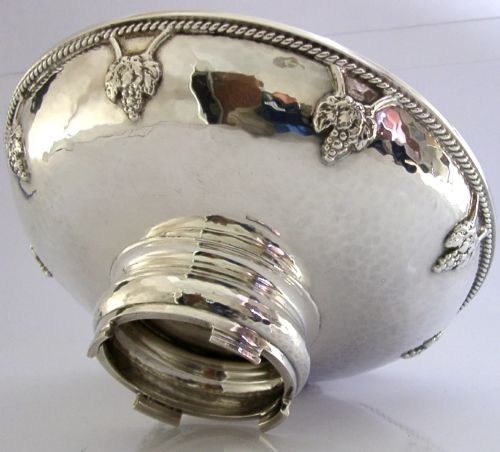
Metal vessels combine sterling silver, silver plate, gilt bronze, and pewter, shaped through hammering, casting, and piercing. Silversmiths constructed swing handles, applied cast scrolling borders, and mounted crystal or glass inserts into pierced frames.
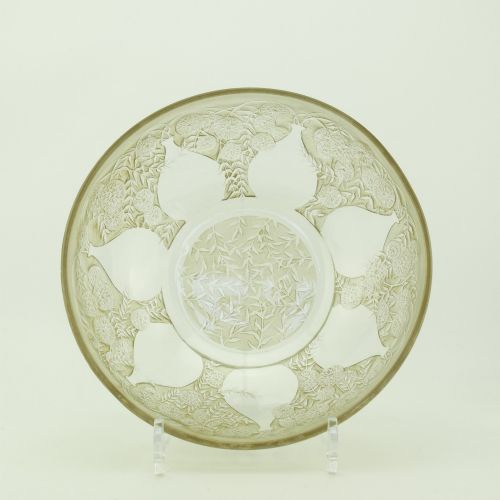
Glass and crystal bowls utilise moulding and cutting techniques, sometimes paired with gilt bronze mounts featuring figures or naturalistic foliage. Wooden centrepieces employ carved oak with detailed vine and fruit motifs.
Antique Fruit Dish Retail Price Guide 2026
Typical asking prices for fruit dish among the pieces listed under this phrase on Sellingantiques today, from the lower quarter to the upper quarter. They describe what is for sale here now, not the wider market.
Listings feature ceramics spanning porcelain, bone china, earthenware, and creamware alongside sterling silver, silver plate, gilt bronze, pewter, and oak.
What varies in quality
Quality rests on the crispness of form, the fidelity of hand-painted decoration, and the substance of the material. Fine porcelain displays translucent bodies and precise brushwork by named artists, whereas standard domestic wares show simpler transfer prints and thicker potting.
In silver and bronze, superior pieces demonstrate heavy gauge metal, sharp cast detailing in handles and mounts, and balanced proportions. Lighter silver-plated or pressed glass items lack the sculptural depth found in solid silver centrepieces and hand-cut crystal.
The integration of materials also defines the tier, such as a well-fitted champlevé enamel mount on bronze or finely pierced silver wirework that holds its shape under weight.
Flight Barr and Barr·H and R Daniel·Royal Worcester·Goldsmiths and Silversmiths Company·Liberty and Co Tudric·George W Scott and Sons Ltd
The Antique Fruit Dish Glossary
- Tazza
- A shallow bowl or plate mounted upon a stem and foot, designed for serving fruit or sweetmeats at table. These pieces often feature pierced borders or painted interiors.
- Reticulated
- Describes ceramic or metalwork featuring an open network of interwoven bands or pierced geometric patterns. This technique lightens heavy bodies and allows air circulation around produce.
- Comport
- A high-footed vessel used for displaying fruit or sweet courses during formal dining. The form lifts the contents above the table surface for better visibility.
- Champlevé
- An enamelling technique where troughs are dug into a metal surface and filled with vitreous enamel before firing. It creates vibrant colour zones across bronze and brass mounts.
- Creamware
- A refined earthenware developed in England during the eighteenth century, characterised by a pale cream-coloured lead glaze. Wedgwood and other potteries utilised it for utilitarian and decorative baskets.
Antique Fruit Dish: Frequently Asked Questions
How were antique fruit dishes used?
These vessels sat at the centre of dining tables during dessert courses, holding fresh or preserved fruits for guests to select. Tazzas and footed bowls lifted the produce to create height and visual variety among table garnishes.
Wealthy households used matching sets of cabinet plates and centrepieces to display seasonal harvests. Smaller dishes served individual portions or delicate soft fruits like strawberries.
Can I use these dishes for serving food?
Most ceramic, silver, and glass pieces remain structurally sound for holding dry or fresh produce today. Historic porcelain and old silver require gentle hand washing rather than immersion in modern dishwashers to protect glazes and patination.
Enamelled, gilt, or very delicate antique surfaces benefit from careful handling and soft cloths. Avoid exposing antique earthenware or silver plate to prolonged acidic foods that might stain the glaze or metal.
How do I date an antique fruit dish?
Examination of the base often reveals factory marks, pattern numbers, or stamped silver hallmarks that record the exact year and assay office. Stylistic clues such as Regency shapes, Victorian aesthetic movement motifs, or Art Deco geometric lines also point to specific decades.
Material composition provides further evidence, as early creamwares differ visibly from later bone china or twentieth-century pewter and plastics. Comparing potting techniques and glaze characteristics helps narrow the period of manufacture.