

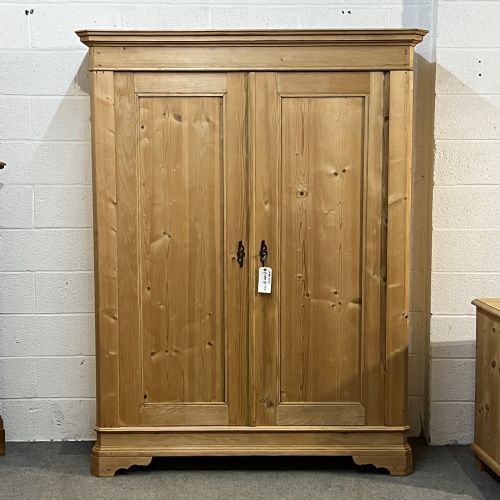
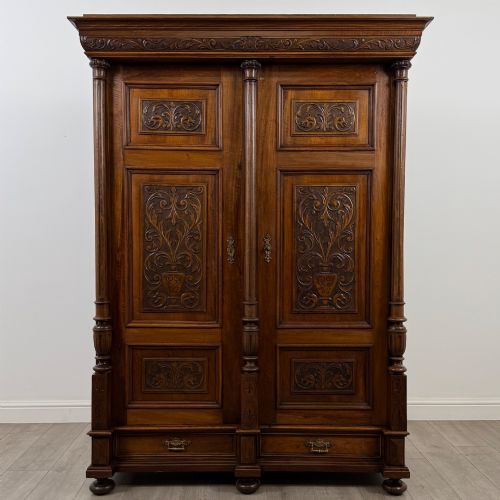
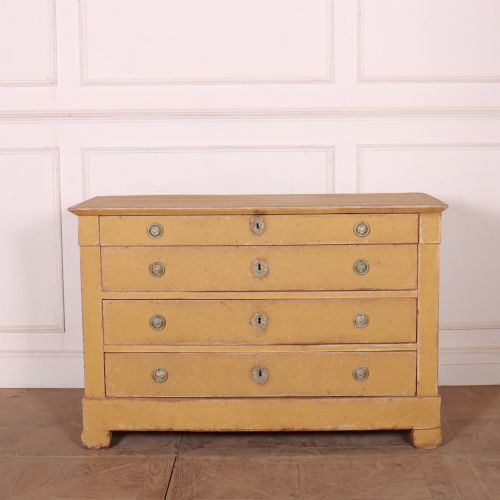
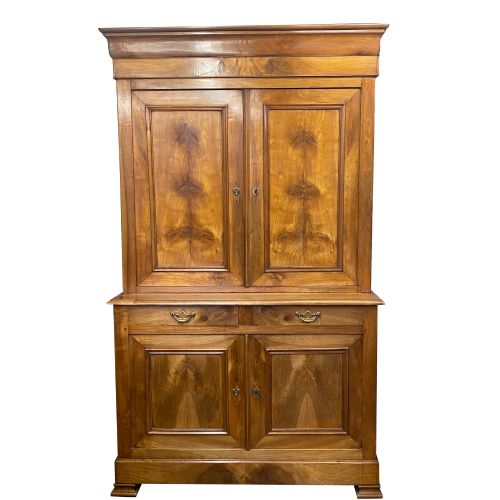
Antique French Wooden Storage
These antique french wooden storage pieces bring provincial utility and centuries of timber craftsmanship straight into modern rooms.
Antique French Wooden Storage
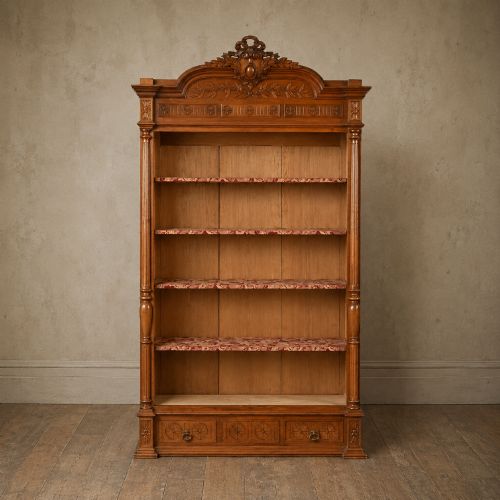
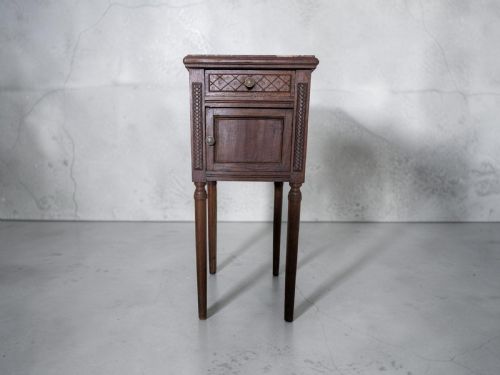
When buyers search for antique french wooden storage, they look for functional period furniture originating from regional workshops and city ateliers across France. The selection spans robust centuries-old coffers, towering armoires, and marble-topped commodes designed to hold household goods with distinct continental style.
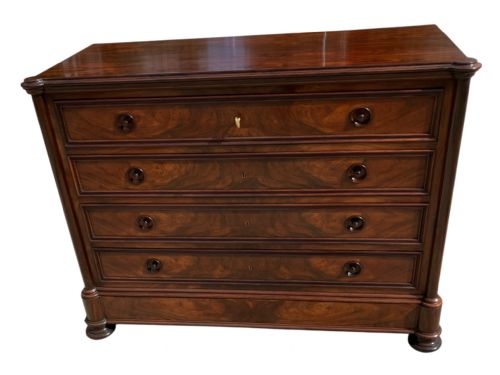
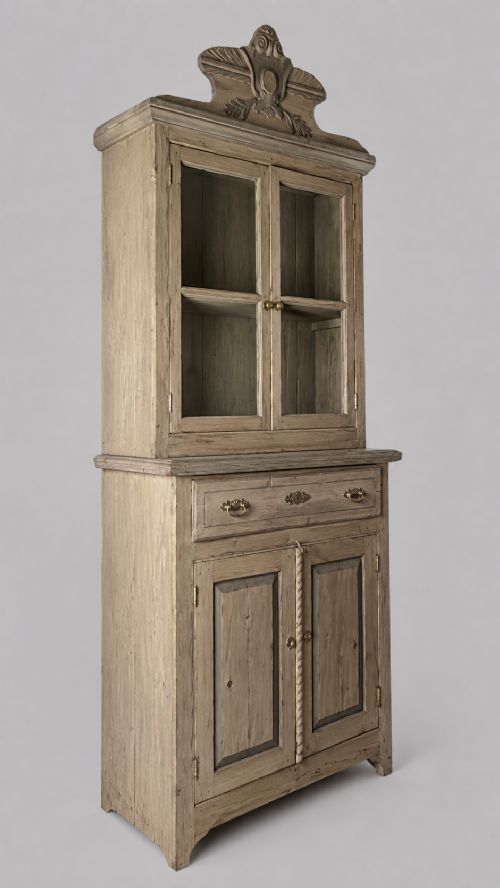
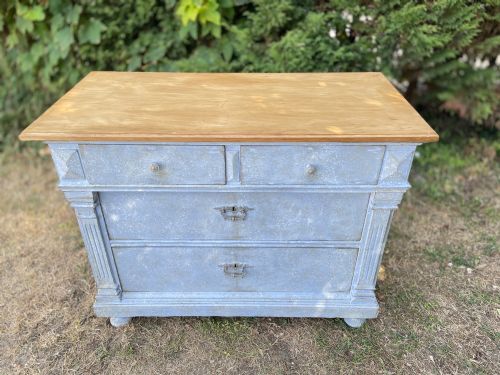
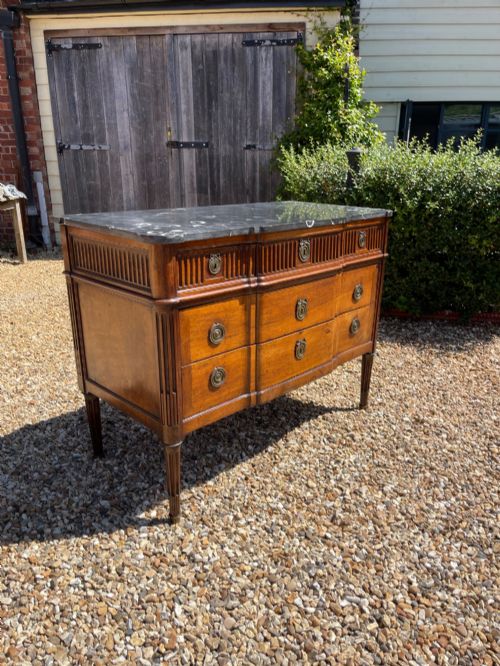
The version most commonly met on this page is the 19th-century oak or walnut commode, alongside provincial pine jam cupboards and fruitwood chests of drawers. These utilitarian forms reflect regional domestic needs, combining deep storage capacities with the carved panels and serpentine shaping characteristic of French provincial design.
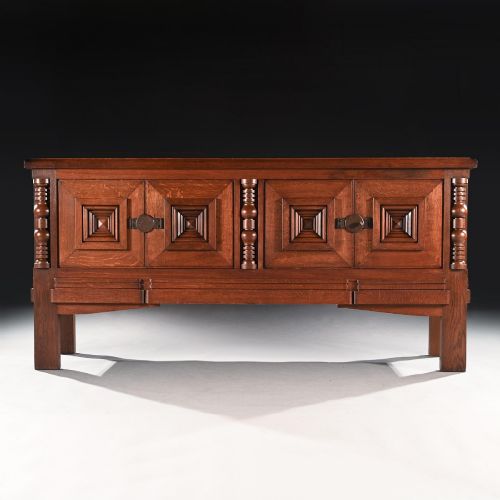
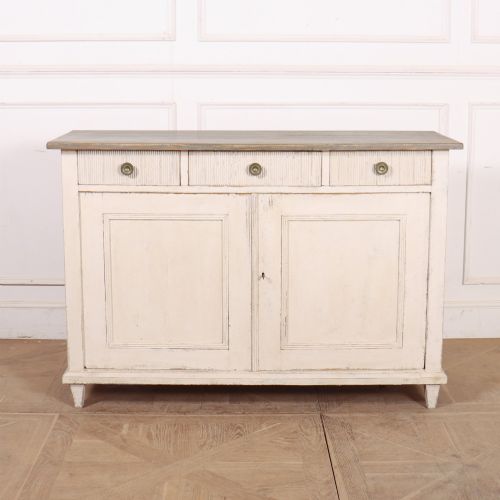
Heavier architectural pieces such as housekeeper's cupboards, sideboards, and oak armoires also appear frequently from the 18th and 19th centuries. Buyers select these items to anchor living spaces and bedrooms with substantial timber presence and period character.
Materials and Construction
The makers of these storage items utilised dense native timbers including oak, walnut, cherrywood, chestnut, and pine, frequently selecting solid boards for structural integrity. Parquetry inlays, burr ash veneers, and painted finishes alter the surface appearance while the internal carcass relies on traditional joinery.
Fittings and decorative accents incorporate contrasting materials such as polished marble tops, cast brass handles, and iron hardware. Specialised mechanisms also emerge in later pieces, including tambour fronts for filing cabinets and fitted compartments for specific domestic uses.
A rustic mountain cupboard designed for alpine farmhouses shares space here with a Parisian tea caddy.
Factors of Distinction
The calibre of a piece depends heavily on the choice of timber and the sophistication of its surface treatment, from simple painted pine to figured burr walnut and intricate parquetry inlay. Regional execution plays a role, distinguishing rustic provincial work from refined Parisian cabinetmaking.
Proportion and structural retention separate standard items from superior examples. Pieces that maintain original marble tops, unblemished brass hardware, and clean interior drawer linings demonstrate greater integrity from their period of origin.
Edwards and Roberts·Tahan of Paris·Galle
The Antique French Wooden Storage Glossary
- Commode
- A low chest of drawers or cabinet. These frequently feature serpentine fronts and marble tops.
- Coffer
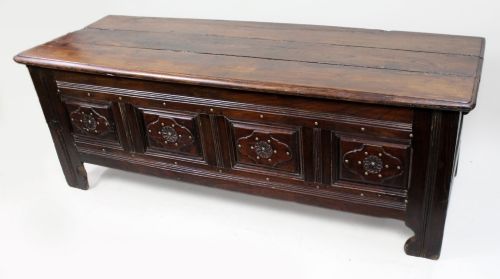
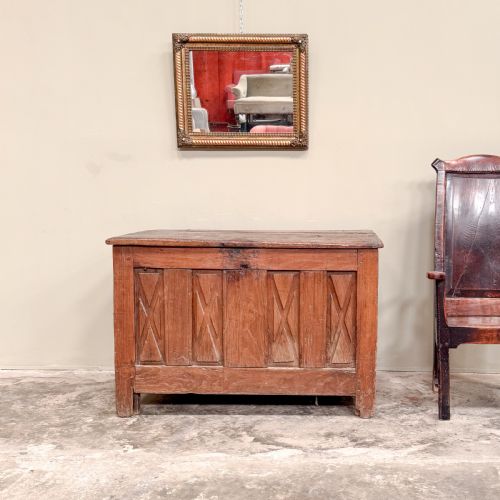
- A heavy wooden chest used primarily for storage. Early examples date back to the 17th and 18th centuries in solid oak or chestnut.
- Armoire
- A large freestanding wardrobe with doors. Provincial versions often display heavy oak paneling and carved cornices.
- Confiturier
- A small French jam cupboard designed for food preservation. They typically offer compact vertical storage with a single door and drawer.
- Tambour
- A flexible sliding door made from narrow wooden slats glued to a canvas backing. This mechanism appears on late 19th-century and early 20th-century filing cabinets.
- Parquetry
- Geometric wood inlay work arranged in patterns. It creates decorative mosaic surfaces on commodes and tabletops.
Antique French Wooden Storage: Frequently Asked Questions
What rooms suit antique French wooden storage?
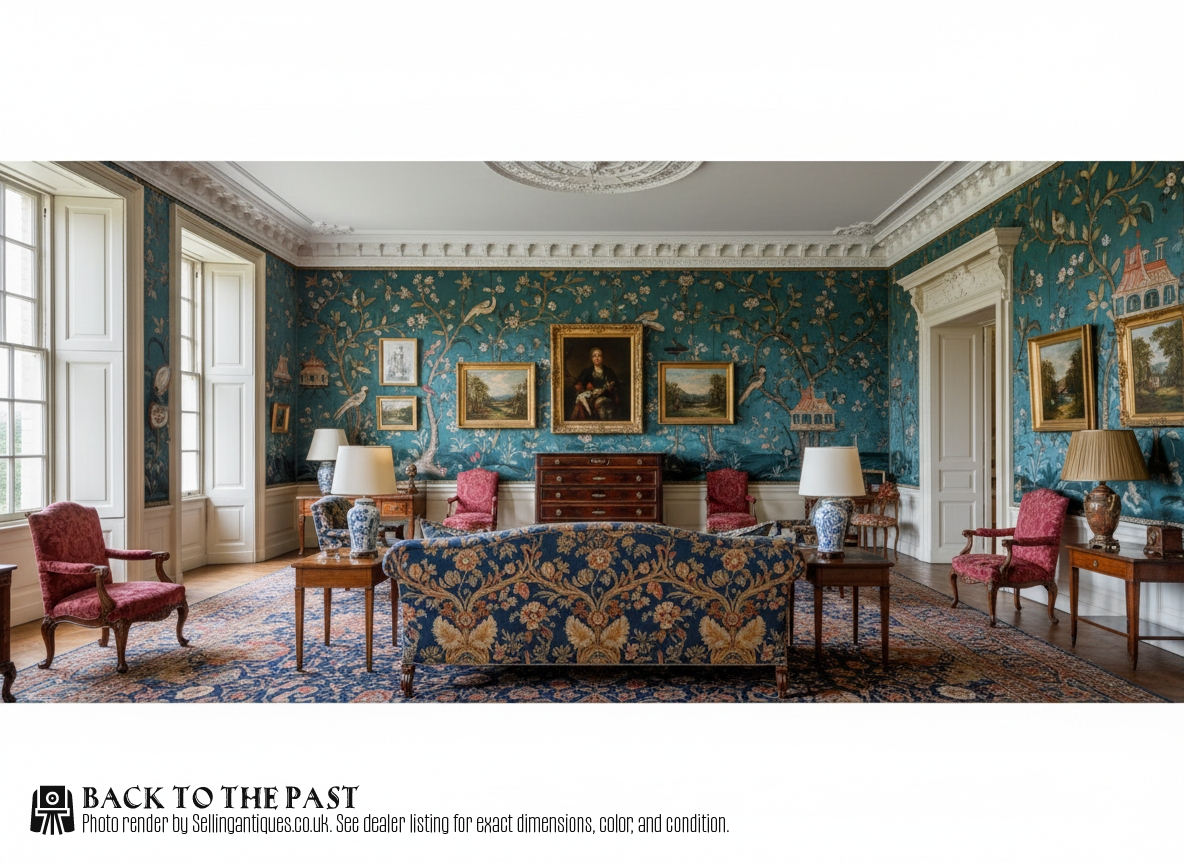
These storage items fit easily into bedrooms, hallways, and living spaces where practical organisation meets period character. Commodes and bedside cabinets serve well for smaller items, while armoires and cupboards provide substantial wardrobe space.
Selecting the right scale ensures the timber complements existing room layouts without overwhelming the floor plan. Lower sideboards and buffets also function effectively in dining areas for tableware and linen.
How do I care for antique wood?
Maintain timber surfaces by dusting with a soft, dry cloth and avoiding direct sunlight or excessive heat fluctuations. Natural waxes help nourish older walnut, oak, and cherrywood without building up heavy chemical residue.
Marble tops require simple wiping with a damp cloth and mild soap to prevent staining from liquids. Keeping humidity stable prevents the solid wood panels from warping over time.
How can I tell 18th-century pieces apart from later ones?
Earlier 18th-century items display hand-cut joinery, pegged joints, and heavier regional patination reflecting provincial workshop tools. Woods like chestnut and local oak predominate in these rustic country pieces.
Nineteenth-century examples often introduce machine-sawn elements, factory-cast brass hardware, and exotic veneers like burr walnut or mahogany. Styling also shifts toward specific revival periods such as Louis Philippe or Art Nouveau.
What is a confiturier used for?
A confiturier originally served as a specialised jam cupboard in French households. Its compact footprint provided secure storage for preserves and dry goods in the kitchen or dining room.
Today, buyers utilise these narrow cupboards as bedside tables or bathroom cabinets where floor space is limited. Their single door and drawer combination offers versatile small-scale organisation.
Are marble tops original to these commodes?
Many commodes and side cabinets feature fitted marble tops selected for durability and cool preparation surfaces. These slabs range from white Carrara to grey and coloured marble variants depending on the region and period.
When examining a piece, check that the marble sits flush within the wooden frame and matches the structural age of the base. Integrated bevelling or moulding often mirrors the contour of the wooden commode beneath.