
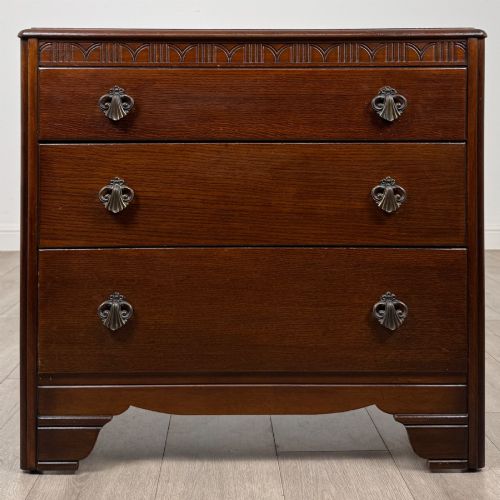
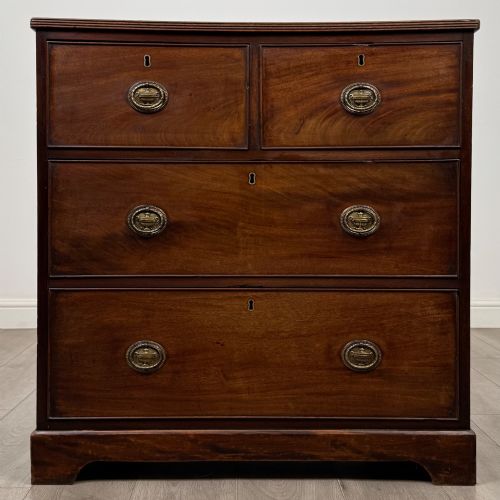
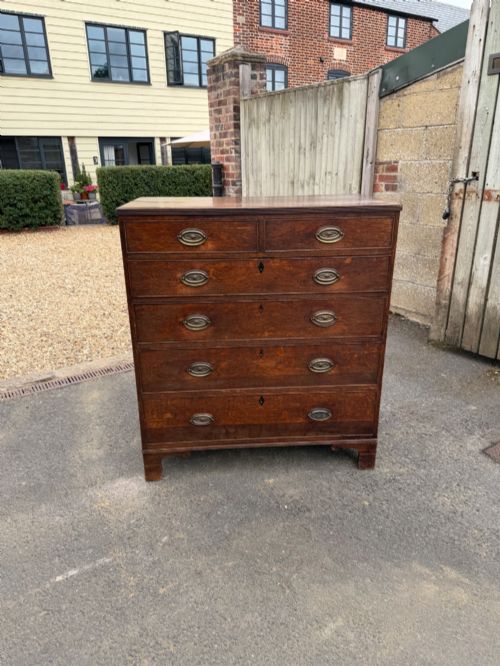
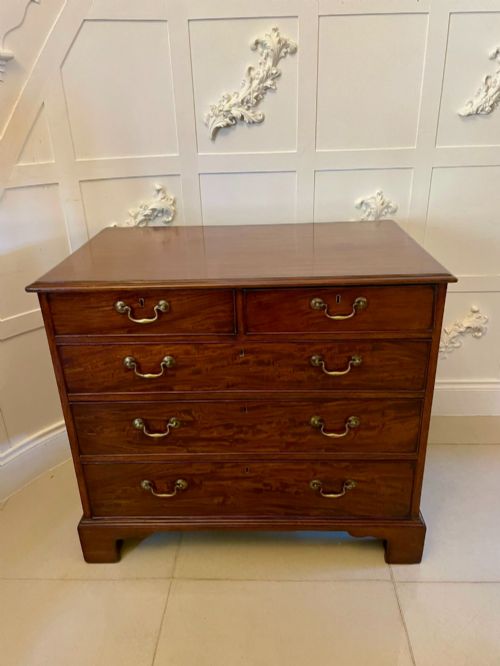
Dark Brown Wooden Commode
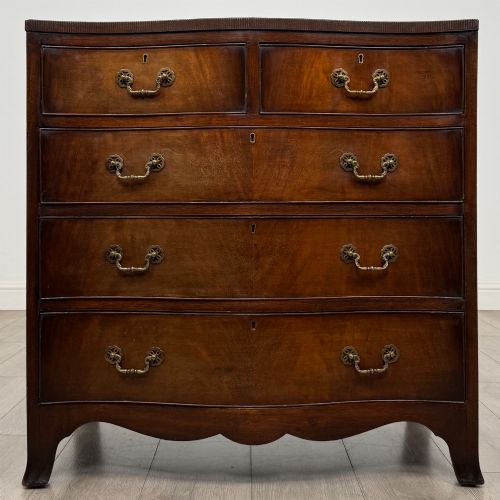
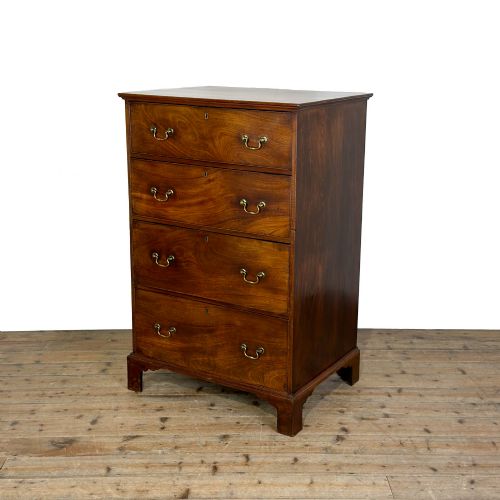
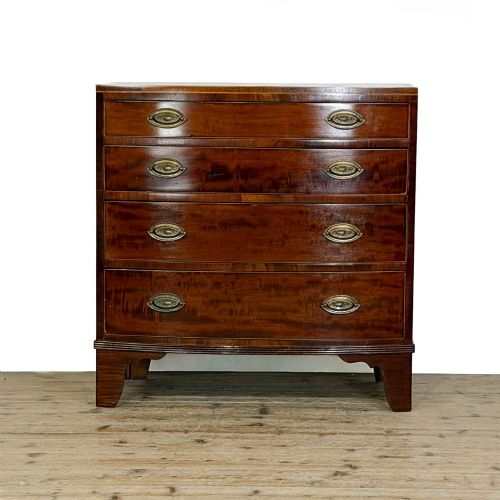
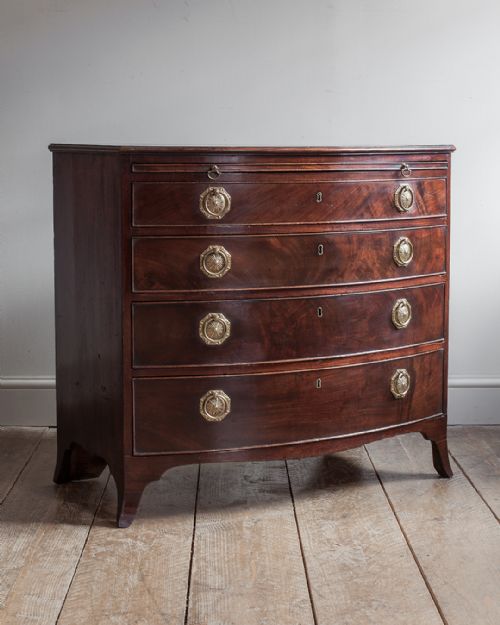
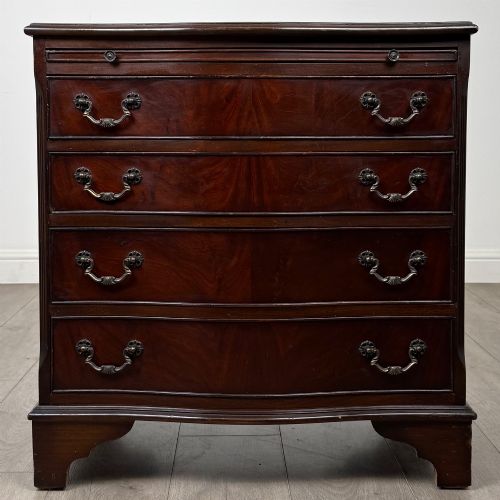
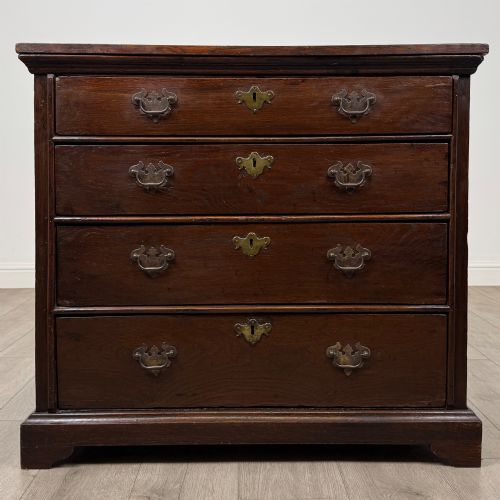
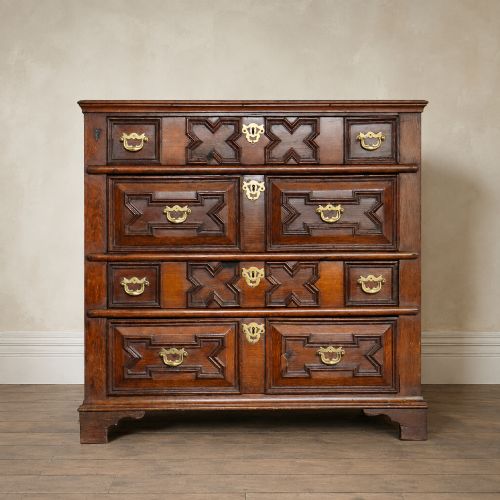
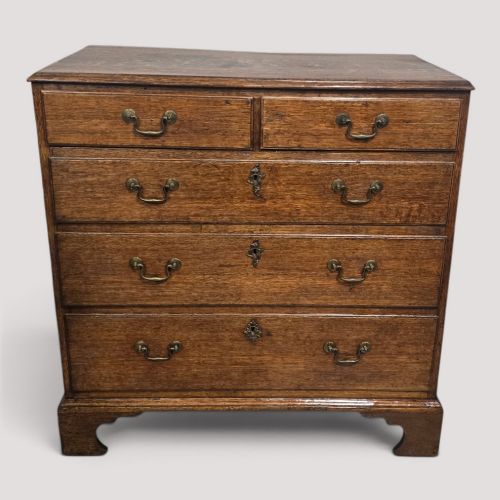
A dark brown wooden commode provides substantial storage with the deep warmth of period timber.
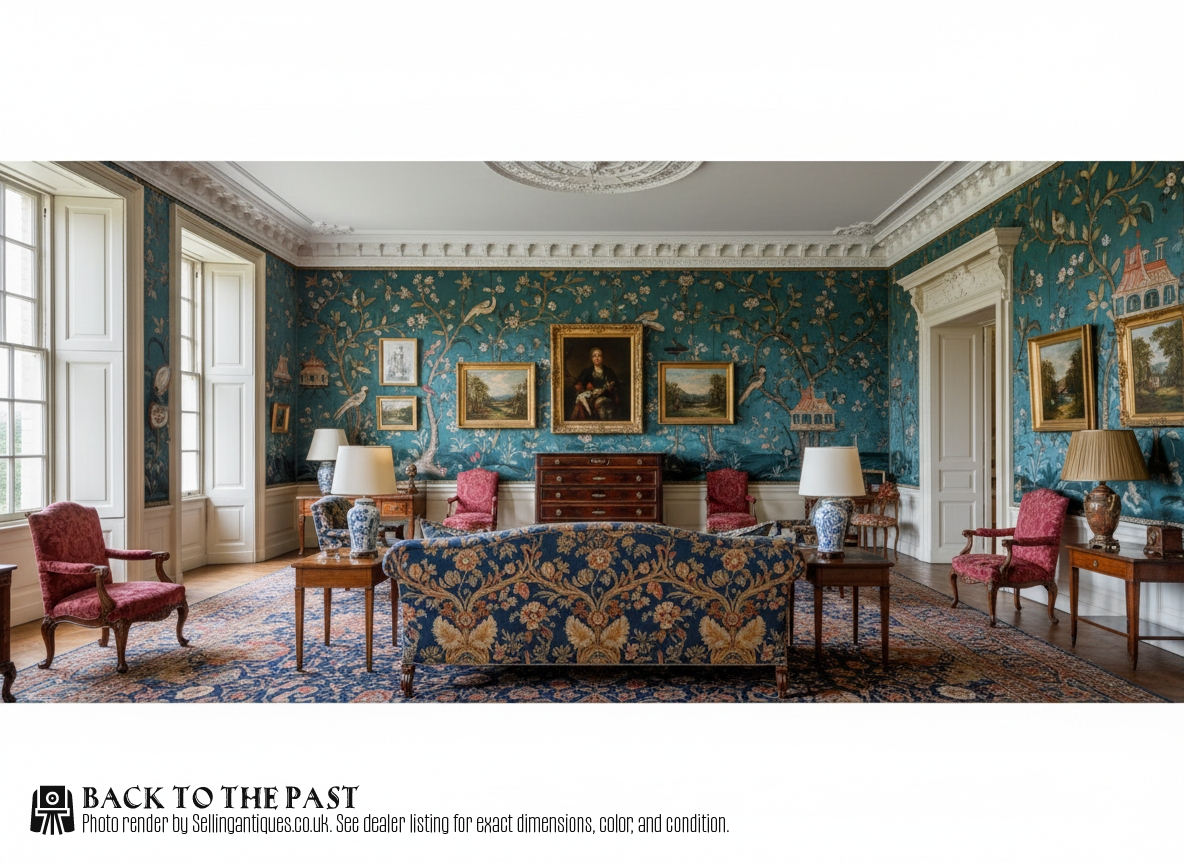
Dark Brown Wooden Commode
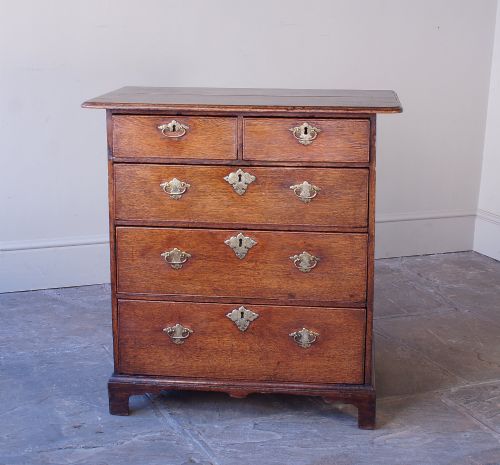
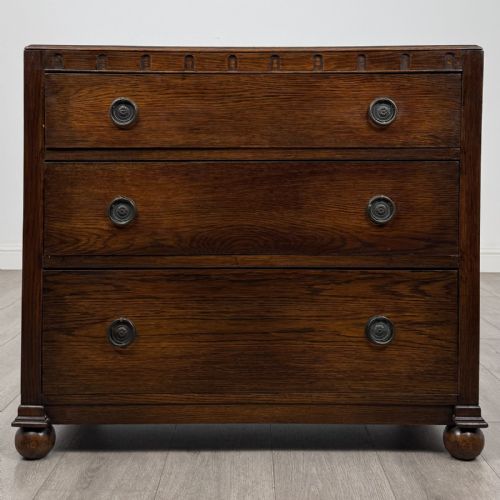
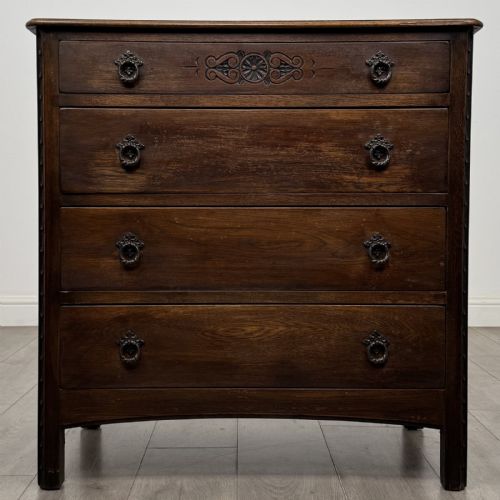
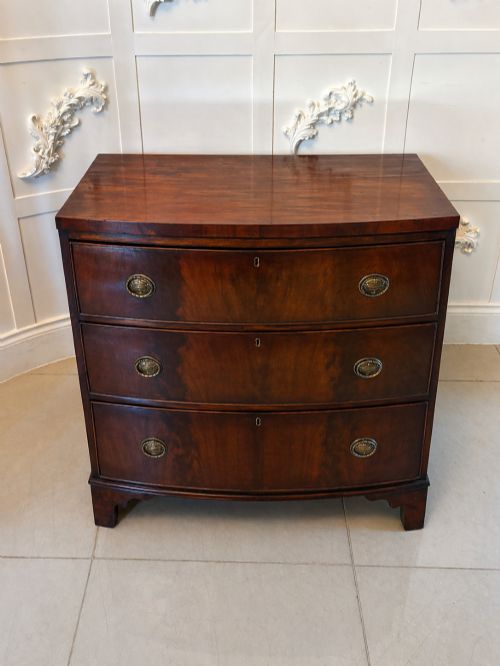
A dark brown wooden commode generally takes the form of a chest of drawers or a close stool, originating from periods spanning the seventeenth century through to the twentieth century. Buyers encounter robust oak examples from the Georgian and earlier eras alongside more refined mahogany pieces shaped with bow fronts or serpentine lines.
The selection includes specific variants such as batchelors chests with brushing slides, side cabinets, and bedside tables. Oak and mahogany dominate the material record, reflecting the timber choices of eighteenth and nineteenth-century cabinet makers.
Materials and construction
Craftsmen built these pieces primarily using solid oak, mahogany, walnut, and yew, often applying flame mahogany veneers to accent drawer fronts. Brass handles and escutcheons punctuate the dark timber surfaces, secured alongside hand-cut dovetail joints in the drawer construction.
Early pieces utilise geometric mouldings and heavy planking, while later nineteenth-century examples employ curved serpentine and bow fronts. Surface finishes rely on traditional polishing methods that bring out the deep grain of the wood over centuries.
Materials documented across these furniture pieces include solid oak, walnut, yew wood, and flame mahogany veneer accented with brass.
Judging quality
Quality rests upon the selection of timber, such as figured flame mahogany or dense yew wood, paired with the precision of the drawer joinery. Pieces with crisp geometric mouldings or well-preserved patination stand above standard utilitarian storage items.
Proportion and intact original brass hardware separate finer specimens from later revivals. The integrity of the timber movement and the crispness of the carving dictate the standing of each chest or commode.
The Dark Brown Wooden Commode Glossary
- Commode
- A movable piece of furniture containing drawers or compartments, historically including close stools or bedside chests.
- Bow front
- A convex curved cabinet or drawer front popular in Regency and Victorian cabinet making.
- Serpentine
- A furniture front curving inward centrally and outward at the ends in a gentle wave shape.
- Brushing slide
- A pull-out shelf fitted above the top drawer of a chest, used historically for folding clothes or writing.
- Patina
- The deep surface sheen and mellowing developed by wood over years of handling and exposure.
Dark Brown Wooden Commode: Frequently Asked Questions
What is a wooden commode?
A wooden commode functions primarily as a chest of drawers or a specialised enclosed seat designed for practical household use. These items combine storage utility with the rich tones of period timbers like oak and mahogany.
Historically, the term also covered close stools disguised as small bedside chests or cabinets. Today, buyers select them to anchor bedroom or living space interiors with traditional craftsmanship.
How do I date an oak chest?
Dating relies on examining the construction methods, such as hand-cut dovetails, timber choice, and hardware styles. Early seventeenth and eighteenth-century examples often feature heavy oak framing and geometric mouldings.
Later Victorian and Edwardian pieces shift toward smoother mahogany veneers and machine-assisted joinery. Comparing the secondary timbers inside the drawers also helps confirm the period of manufacture.
Where should I place a commode?
These pieces suit bedrooms, hallways, or living rooms where deep drawer space is required. Their flat tops provide a surface for lamps, mirrors, or decorative objects.
Smaller bedside chests and close stools fit easily into compact corners while maintaining period character. Positioning them away from direct heat sources protects the antique wood and veneer.
How do I care for mahogany?
Maintenance involves dusting with a soft, dry cloth and avoiding harsh chemical polishes. Keeping the timber away from direct sunlight prevents the rich dark brown colour from fading.
Applying occasional traditional wax feeds the wood and preserves its natural sheen. Maintaining stable room humidity stops the timber from splitting or warping over time.