


Antique French Wooden Bench
An antique french wooden bench brings rustic warmth or formal elegance to a room, spanning simple elm forms to giltwood settees.
Antique French Wooden Bench
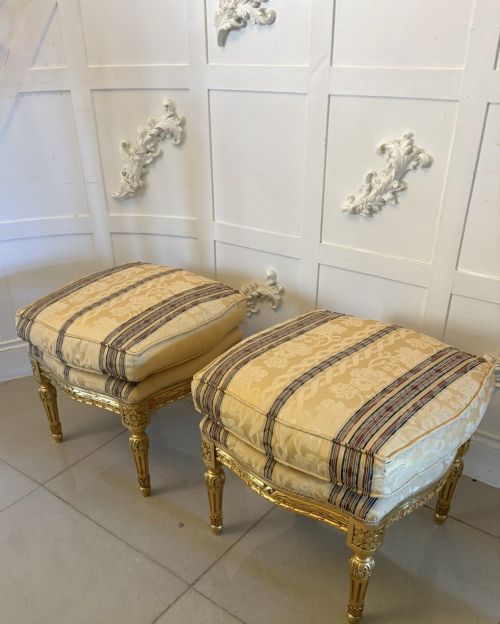
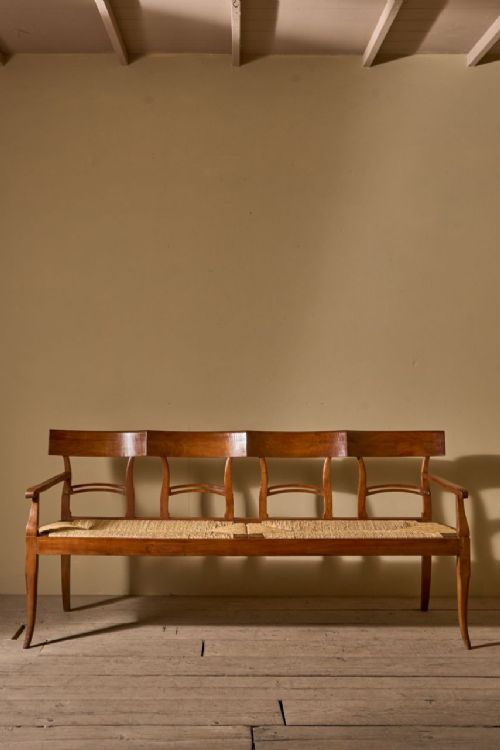
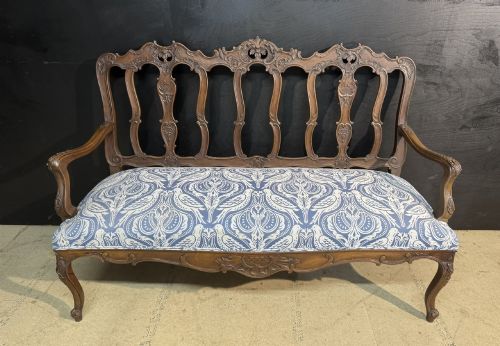
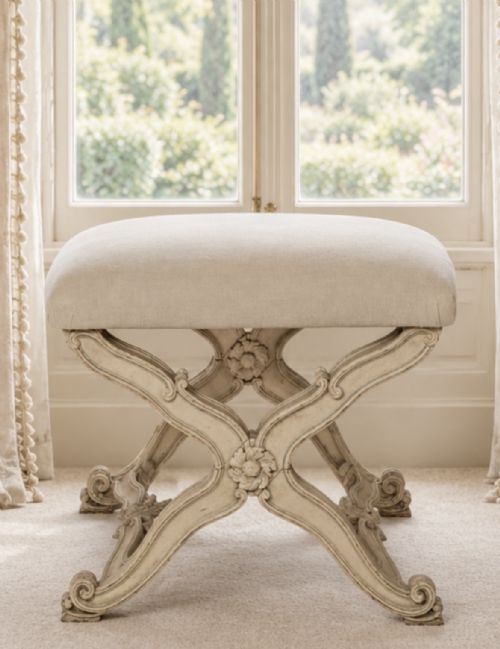
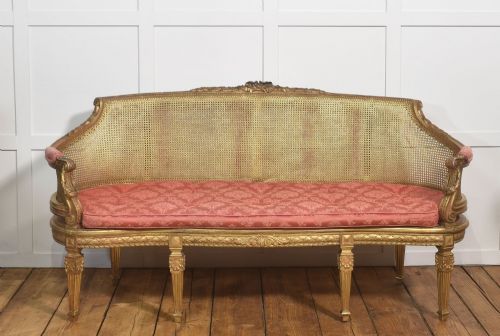
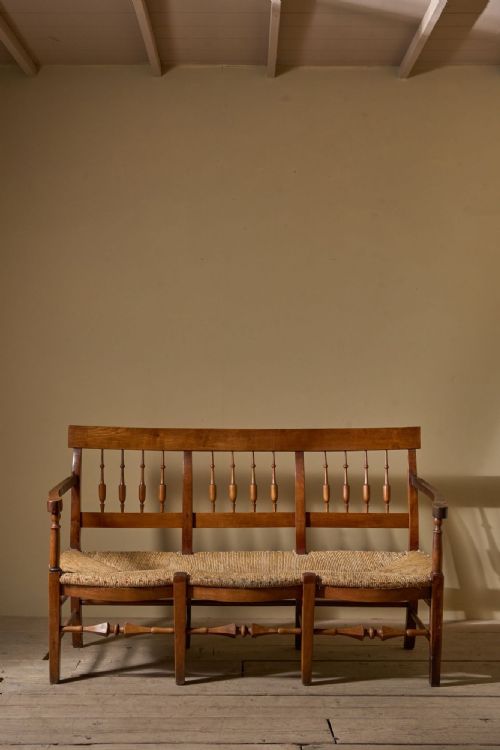
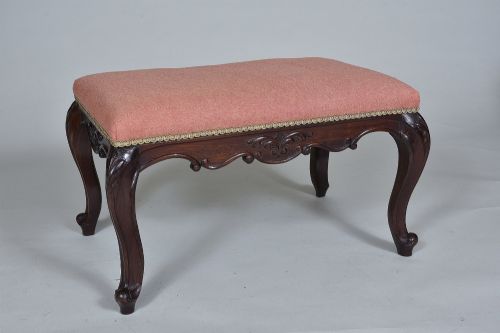
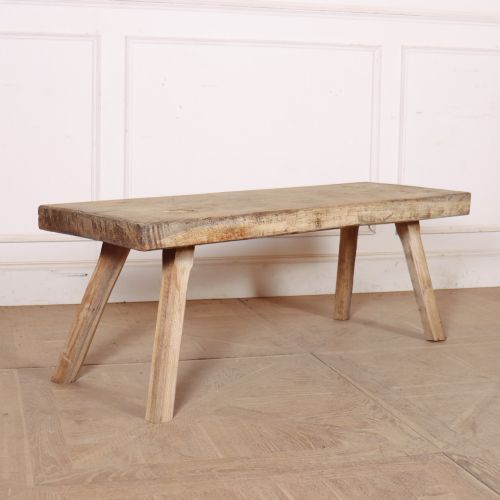
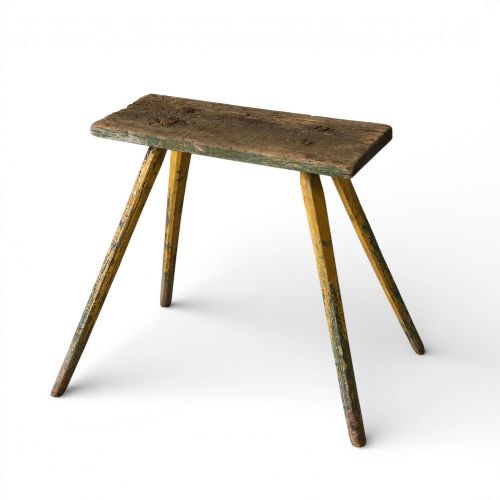
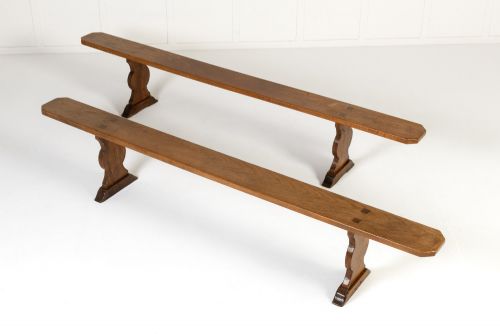
An antique french wooden bench encompasses seating designed for halls, gardens, and principal rooms across several centuries. Buyers searching for an antique french wooden bench encounter everything from rustic fruitwood and cherrywood forms to formal Louis XV and Louis XVI style caned and giltwood settees.
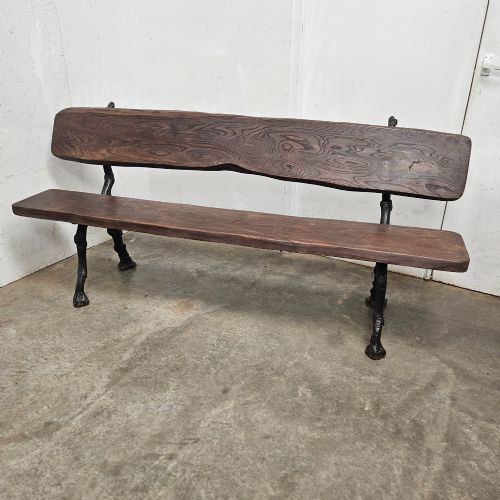
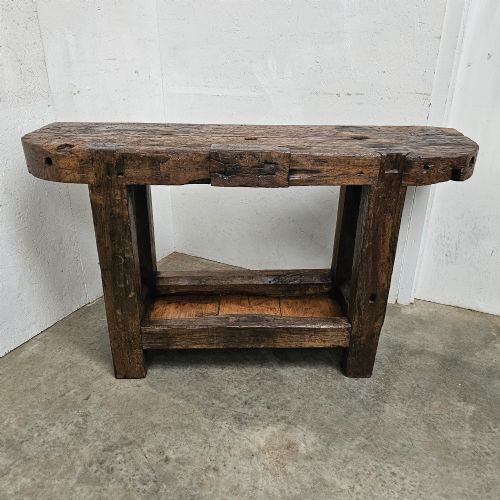
The selection ranges from primitive elm workbenches and country pine seating to walnut and mahogany window seats. Pieces date principally from the nineteenth century, alongside eighteenth-century oak settles and early twentieth-century painted items.
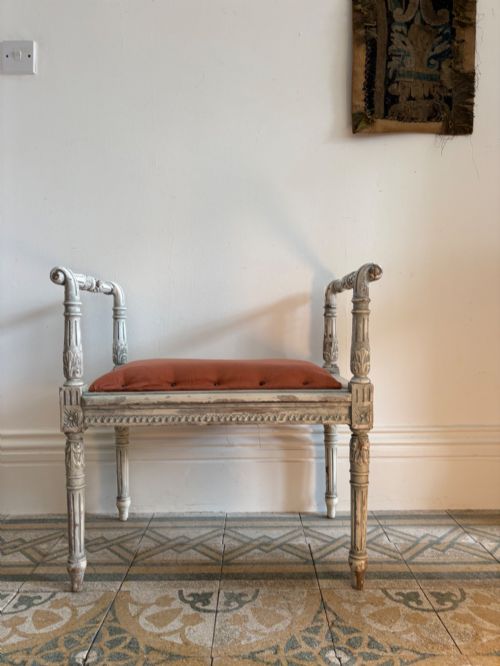
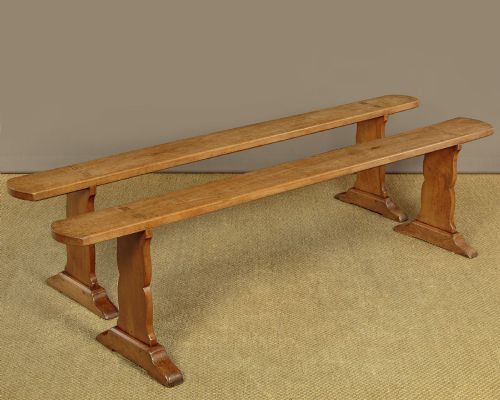
Most examples reflect provincial and chateau origins, utilising timber frames designed for domestic utility or refined reception spaces. Formats extend from long dining benches and hall benches to small milking stools, window seats, and double or triple back settees.
What Varies in Quality
Quality rests upon the integrity of the timber and the sophistication of the carving, distinguishing simple utilitarian items from salon pieces. Refined proportion and the survival of original surface finishes, such as early paint or giltwood, elevate a piece above standard examples.
The harmony of original design details, including fluted legs, carved walnut frames, or integrated rush and cane seating, determines the distinction between standard provincial work and high-status revival furniture.
Listings feature periods spanning the eighteenth, nineteenth, and early twentieth centuries, alongside materials including pine, giltwood, and cane.
The Antique French Wooden Bench Glossary
- Giltwood
- Wood carved and coated with gold leaf or a gold-coloured preparation. This treatment appears frequently on formal French revival window seats and settees.
- Bergere
- An enclosed upholstered armchair or settee with wooden frames and panelled cane work sides. These pieces often feature exposed wooden structural elements.
- Settle
- A wooden bench with high back panels, solid arms, and often a box seat for storage. Eighteenth-century examples provide robust vernacular seating.
- Faux Bois
- An artistic imitation of wood grain applied to other materials, seen on garden benches. This technique creates deceptive rustic iron furniture.
Antique French Wooden Bench: Frequently Asked Questions
Where should I place a wooden bench?
These benches suit hallways, bedrooms, and living spaces depending on their scale and formality. Longer cherrywood or oak variants anchor dining tables or spacious entryways.
Smaller painted stools and window seats fit neatly at the foot of a bed or beneath tall windows. Utilitarian pieces like workbenches also function as console tables in kitchens or studies.
How do I care for antique wood?
Maintain timber surfaces by keeping them away from direct heat sources and sudden humidity changes. Regular dusting with a dry cloth preserves the dry or polished finish.
Avoid chemical polishes that can degrade original paint or wax. Treat cane and rush seating gently to prevent the natural fibres from drying and splitting.
What is the difference between provincial and revival styles?
Provincial pieces reflect the practical needs of country life through simpler construction in elm, pine, or fruitwood. They prioritise utility, utilising straightforward lines and local timbers.
Revival styles look back to courtly periods like Louis XV and Louis XVI, incorporating carved walnut, giltwood, and fluted legs. These formal designs were created for decorative urban interiors rather than rustic use.
How do I identify the period of a bench?
Examine the timber species, tool marks, and construction methods to gauge the age of the piece. Eighteenth-century examples often feature heavy oak frames and pegged joints, whilst nineteenth-century pieces showcase diverse regional woods like cherry and walnut.
Stylistic cues such as Régence or Empire motifs point towards nineteenth-century interpretations of earlier courtly aesthetics. Paint layers and wear patterns also help establish the chronological context.