



Antique French Watercolour Painting
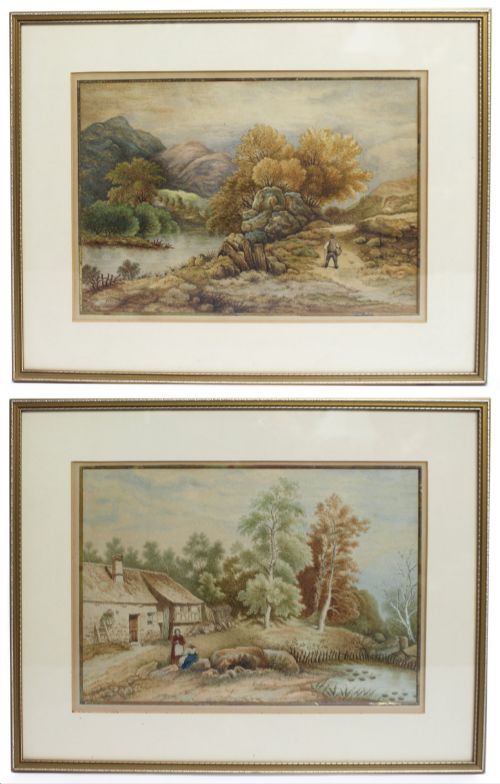
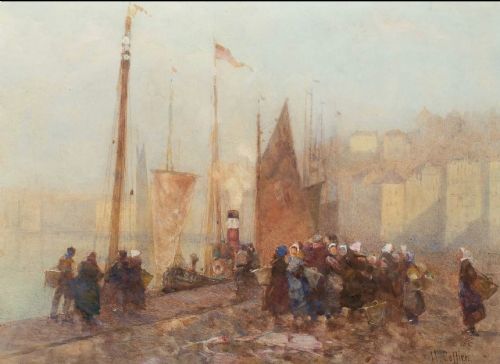
When you search for an antique french watercolour painting, you are seeking works executed on paper that capture coastal scenes, street views, and intimate portraits from centuries past.
Antique French Watercolour Painting
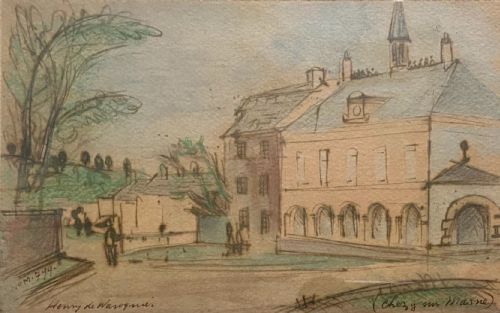
An antique french watercolour painting encompasses framed artworks on paper depicting landscapes, townscapes, coastal views, and figural compositions.
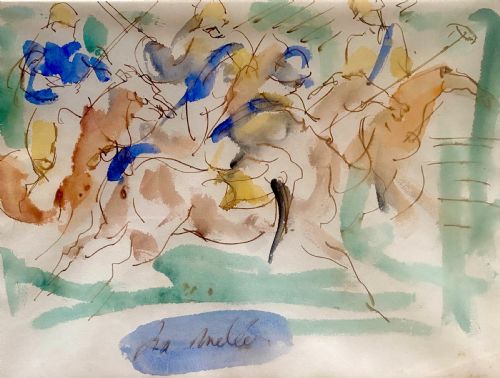
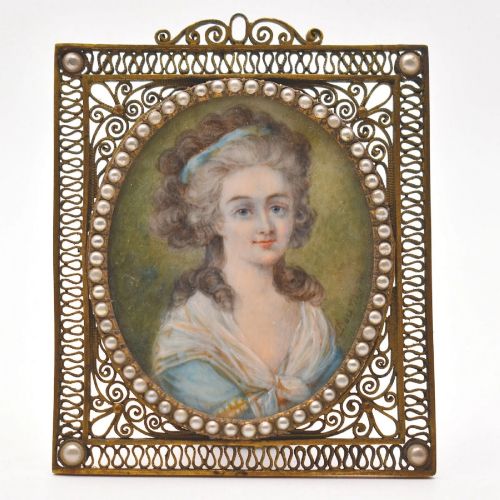
The selections span from the eighteenth century through to the mid twentieth century, featuring genres such as portrait miniatures, coastal scenes of Normandy, and bustling market squares.
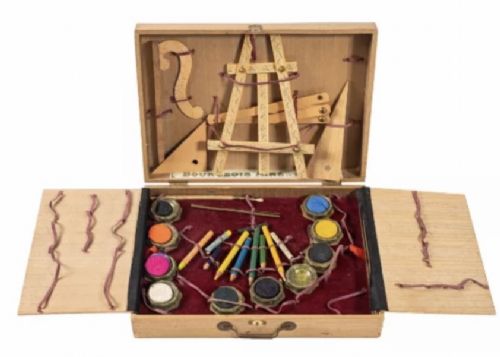
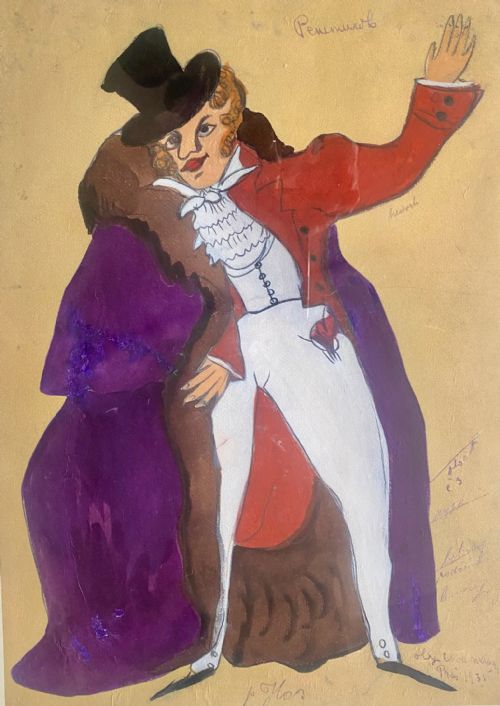
Buyers will encounter single framed sheets, paired watercolours, gouache studies, and occasionally associated artist boxes in beechwood.
How they were made
Artists applied watercolour paint, ink, and occasionally gouache or pastel onto paper sheets, sometimes utilising seed pearls and gilt metal or gilt wood frames.
Many works were protected beneath glass within wooden frames, whilst some nineteenth-century examples incorporated detailed pewter frames in the aesthetic movement style.
Framing materials include gilt wood, gilt metal, and aesthetic movement pewter, alongside related beechwood artist paintboxes.
What varies in quality
The calibre of a piece rests upon the sureness of the brushwork, the preservation of the pigment's vibrancy on paper, and the nuance captured in portraiture or landscape depth.
Original period framing, such as gilt wood or period metal surrounds, enhances the historical integrity of the artwork.
Th. Thibault·Hector Caffieri·Albert Ludovici Jnr·Gaston Cornil·Paul Delvaux·Charles Bellay·William Lee Hankey·Henri Joseph Harpinies·Joseph W. Milliken·Noel Harry Leaver·Eugene Boudin·Maurice Asselin·Leon Girardet·Yves Brayer·Paul-Louis Barruel·Charles Eyres Simmons·Lamorna Birch·Elisabeth Vigee Le Brun·Keeley Halswelle·Thomas Colman Dibdin·Mary Evelina Kindon·George Bryant Campion·Arthur Kemp Tebby·Constantin Guys
The Antique French Watercolour Painting Glossary
- Watercolour
- A paint consisting of pigment suspended in a water-soluble binder, applied to paper to create translucent washes of colour. It forms the primary medium for these historical works.
- Gouache
- An opaque watercolour paint containing a white pigment to create density, frequently combined with standard watercolour in nineteenth-century French maritime and landscape studies.
- Portrait Miniature
- A small, highly detailed painting on paper, vellum, or ivory, often housed in a gilt frame and sometimes embellished with seed pearls.
- Aesthetic Movement
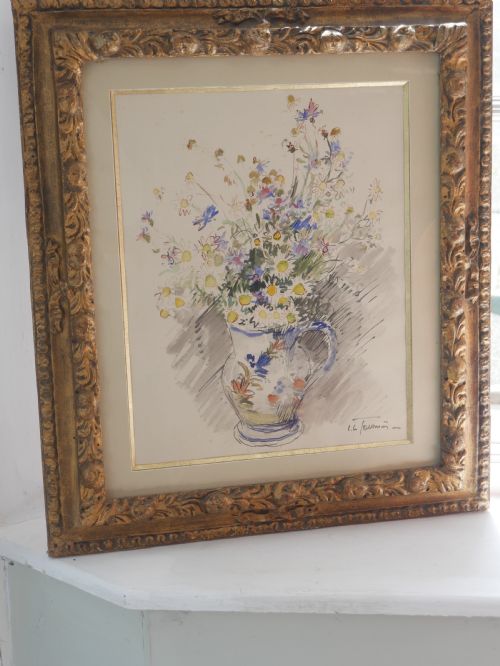
- A late nineteenth-century design style emphasising visual beauty over narrative, seen here in decorative pewter frames housing floral watercolours.
- Gilt Wood
- Wood treated with gold leaf or gold paint to create a lustrous metallic finish on picture frames.
Antique French Watercolour Painting: Frequently Asked Questions
How should I hang an antique watercolour?
Keep watercolours away from direct sunlight to prevent the pigments on paper from fading over time.
Ensure rooms maintain stable humidity levels to protect both the paper and the wooden or gilt frames.
What subjects are common in these paintings?
Common subjects include French landscapes, coastal scenes in Normandy, bustling market towns, and detailed portrait miniatures.
Artists also recorded historical military scenes and tranquil architectural studies.
How do I date an antique painting?
Dating relies upon artist signatures, period framing styles, costume details in figures, and documentation recorded on the reverse of the paper.
Materials such as specific nineteenth-century gilt frames or pewter mounts also provide chronological markers.
Are these works signed by the artists?
Many pieces feature artist signatures, studio stamps, or period inscriptions either on the face of the watercolour or on the backing.
Unsigned works are attributed through style, subject matter, and comparison with documented pieces from the same period.