
Antique French Wall Glass
An antique french wall glass brings reflective depth and carved detail to a room, drawing the eye with gilt surfaces and period forms.
Antique French Wall Glass
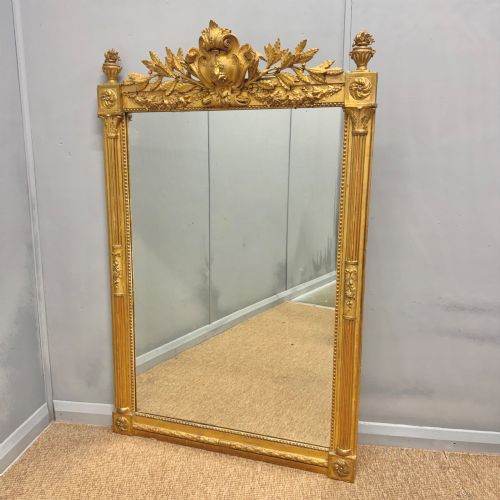
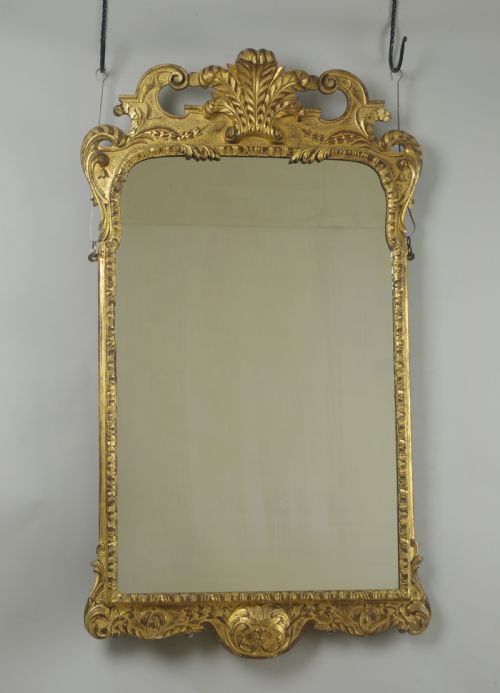
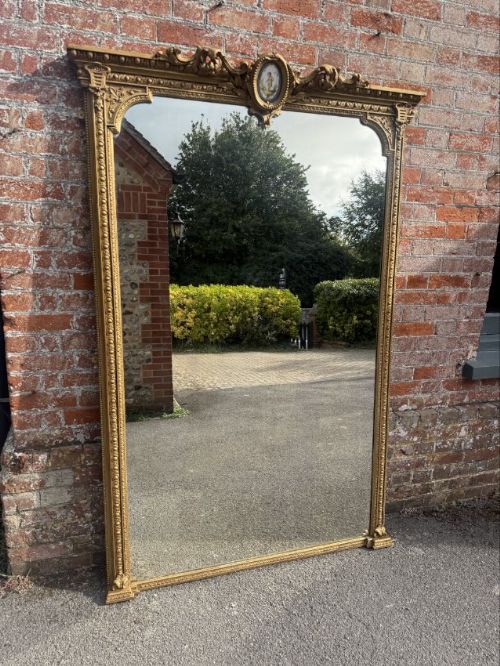
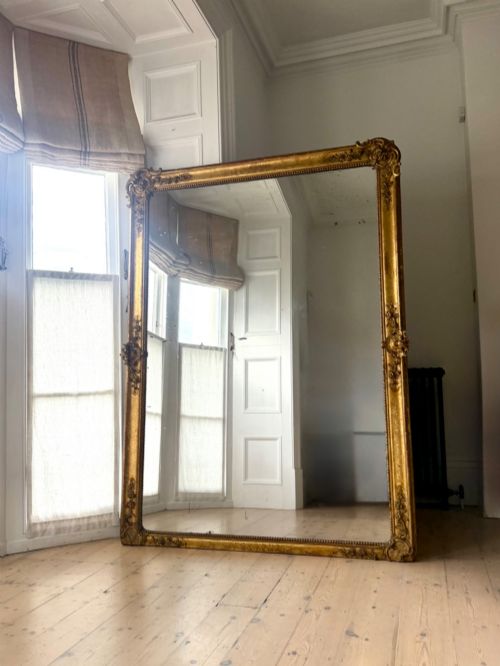
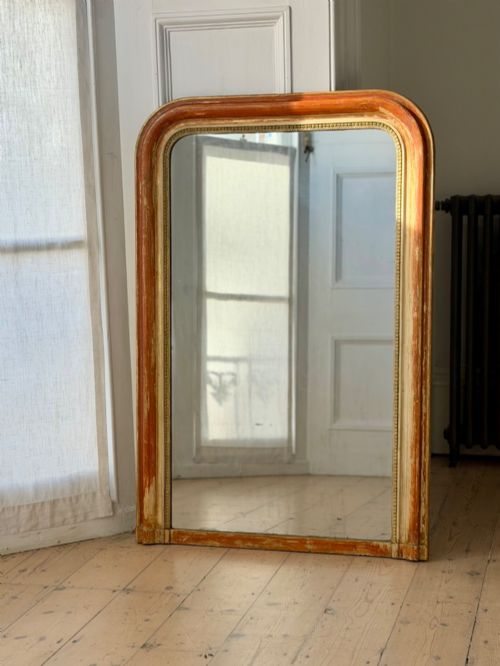
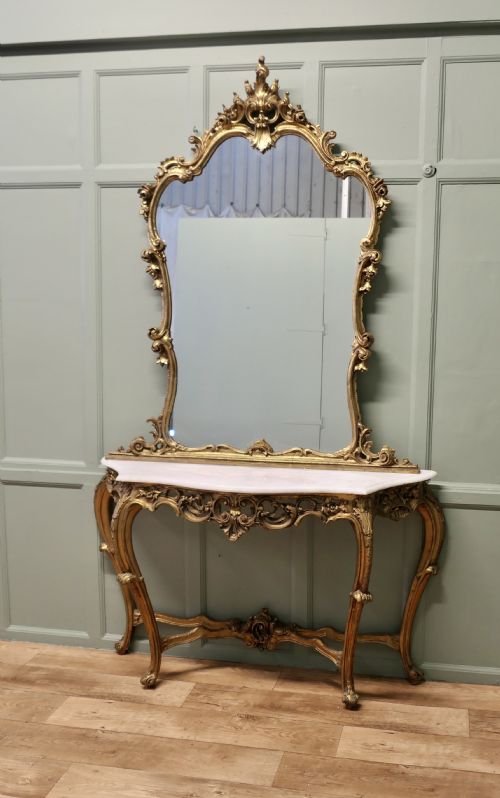
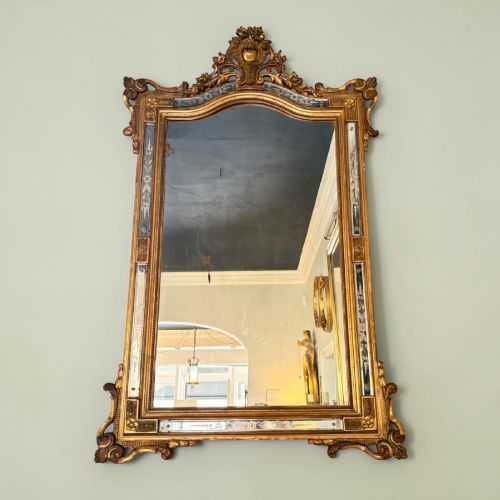
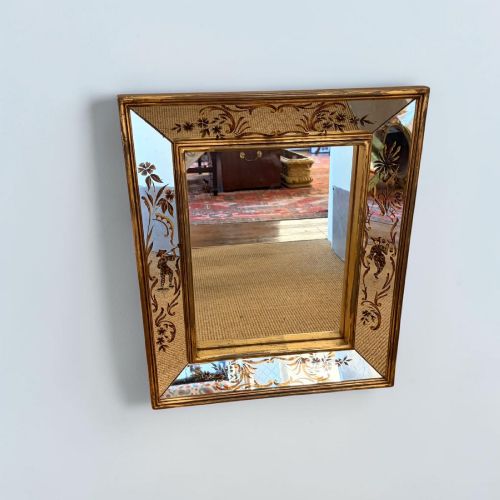
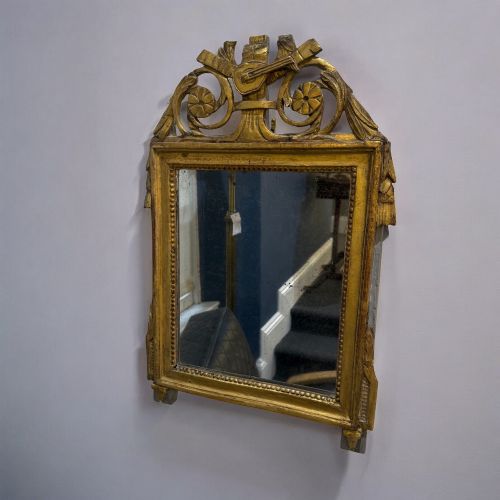
When you search for antique french wall glass, you encounter wall mirrors, pier mirrors, trumeau mirrors, and overmantel mirrors designed to catch and amplify light in domestic interiors. These pieces originate predominantly from the eighteenth and nineteenth centuries, spanning styles from French Rococo Revival and Neoclassical to Napoleon III and Louis XV aesthetics.
The selection on this page centres heavily on carved wooden frames finished with gesso and gold leaf, alongside painted wooden structures and gilt bronze mounts. Alongside standard wall mirrors, the listings include related decorative objects such as wall lights, sconces, and console tables that complement the primary looking glasses.
How they were made
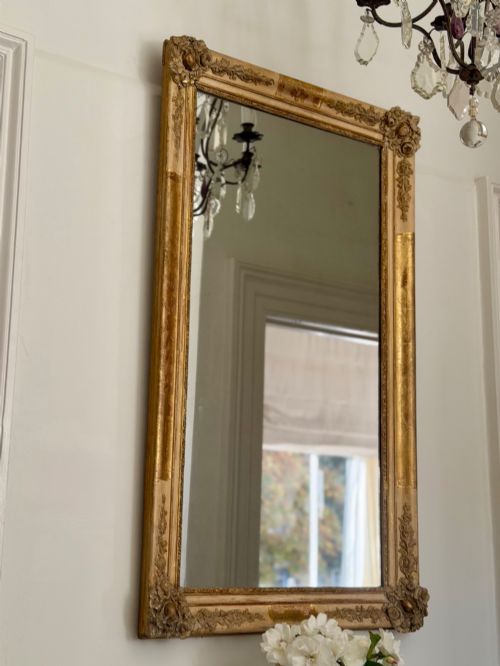
Frames rely on carved wood, composition ornament, and gesso layers built up to receive gold leaf, paint, or gilding. Carvings often incorporate floral motifs, mythological subjects, and scrolling foliage typical of nineteenth-century workshops.
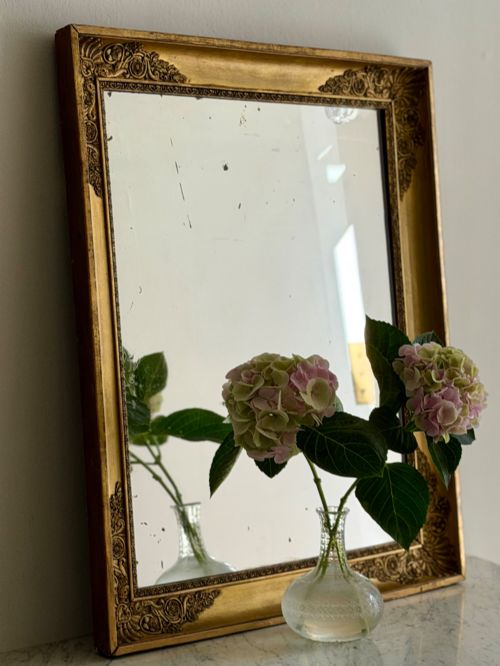
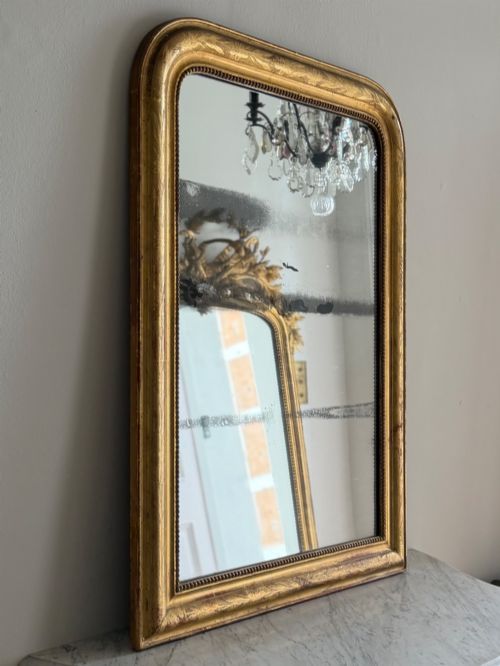
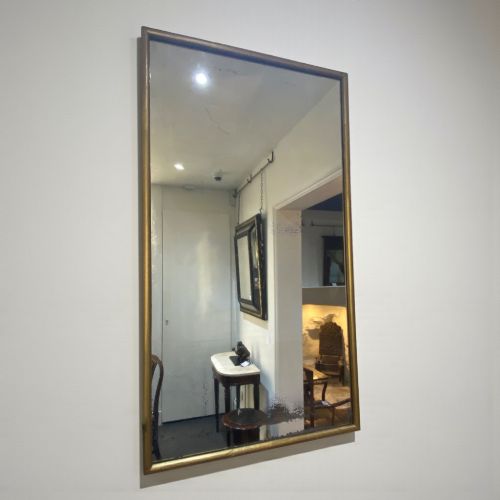
Mirror plates include mercury glass and original bevelled glass, frequently exhibiting foxing and ageing characteristic of eighteenth and nineteenth-century production methods. Gilt bronze and brass feature in metal frames, sconces, and wall lights paired with cut crystal elements.
Listings feature eighteenth and nineteenth-century periods, utilising materials such as mercury glass, giltwood, gesso, and gold leaf.
What varies in quality
The standard of carving dictates the visual strength of the frame, moving from simple ribbed mouldings to deeply undercut floral and mythological reliefs. Crisp detail in the gesso work and the preservation of the original gold leaf separate standard decorative pieces from finer examples.
The condition and authenticity of the mirror plate itself play a significant role, with original mercury glass and natural foxing offering greater historic integrity. Frame construction, including the joinery of the wood and the weight of the bronze mounts, determines structural endurance.
Maison Baguès
The Antique French Wall Glass Glossary
- Pier mirror
- A tall looking glass specifically proportioned to hang on the wall space between two windows. These tall mirrors often sat above matching console tables.
- Trumeau mirror
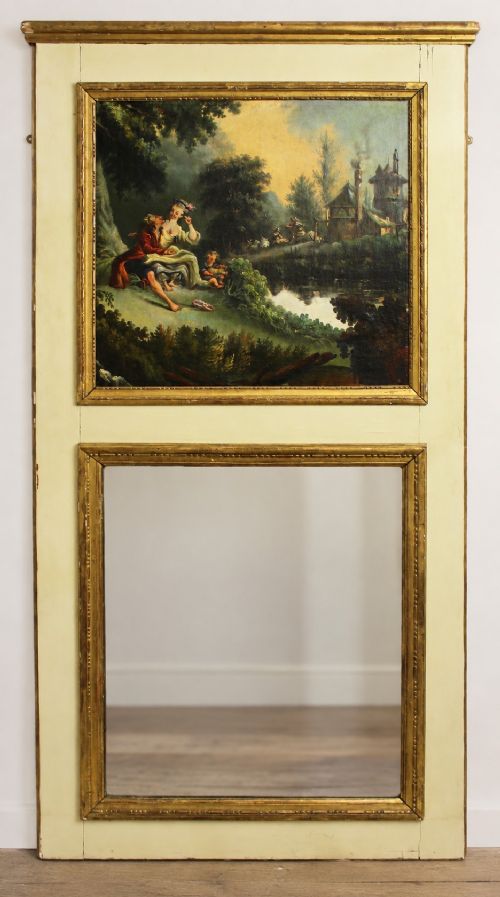
- An architectural wall glass incorporating an oil painting or decorative panel within the upper section of the wooden frame. They frequently hung above mantelpieces in French chateaux.
- Mercury glass
- A type of mirror plate created by pouring a silvering amalgam of tin and mercury between two sheets of glass or onto the rear surface. Over time, this chemical process develops characteristic dark spots known as foxing.
- Gesso
- A plaster mixture applied to wooden frames as a smooth base for subsequent gilding or painting. High-quality gesso allows for sharp, detailed relief moulding.
- Overmantel mirror
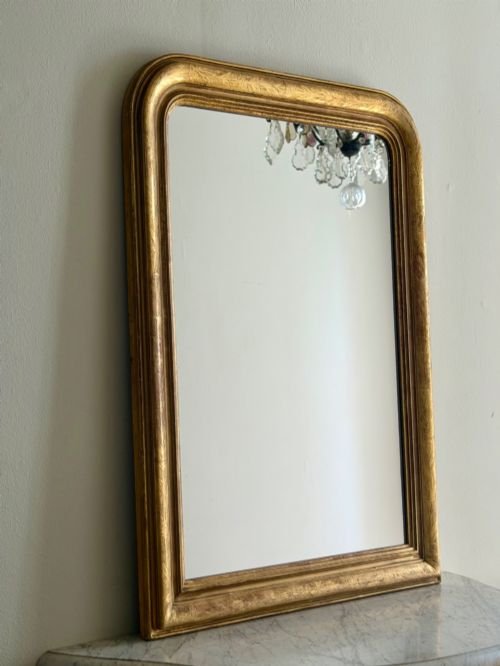
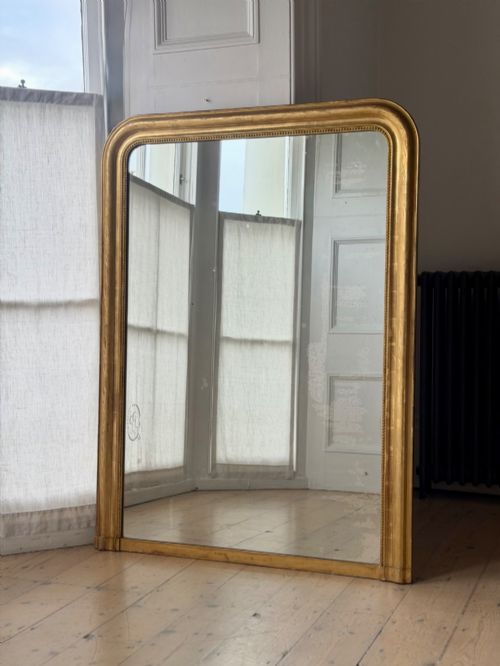
- A wide looking glass designed to be positioned directly above a fireplace mantel. These pieces often feature arched tops and substantial proportions.
Antique French Wall Glass: Frequently Asked Questions
What is a trumeau mirror?
A trumeau mirror combines a looking glass with an integrated decorative panel or pastoral oil painting set into the upper portion of the wooden frame. These architectural pieces were designed to harmonise with the decorative scheme of a specific room.
They commonly hung between windows or above fireplaces in nineteenth-century interiors, serving both a reflective and a pictorial function.
How do I identify mercury glass?
Mercury glass plates display a distinctive mottled appearance, often with dark speckles and uneven reflectivity caused by the breakdown of the backing over decades. This ageing process creates a softer, deeper reflection than modern silvered glass.
Many eighteenth and nineteenth-century pieces retain this original glass, which collectors value for its historic authenticity and visual character.
Where should I hang an overmantel mirror?
An overmantel mirror is traditionally scaled to sit securely on the wall directly above a fireplace mantelpiece. The width of the frame generally corresponds to the opening or shelf of the fireplace below.
Securing these heavy carved wood and gesso frames requires robust wall fixings due to their substantial weight.
What distinguishes Napoleon III style?
Napoleon III pieces reflect the eclectic tastes of the Second French Empire during the mid-nineteenth century, drawing inspiration from earlier Louis XIV, XV, and XVI periods. These items utilise rich gilding, heavy gesso ornamentation, and classical motifs.
Mirrors from this era often combine dark painted finishes with gold leaf highlights to create a dramatic decorative presence.