
Antique French Seat Pair
An antique french seat pair brings balanced symmetry and historic character to a room, offering matched seating shaped by centuries of European craftsmanship.
Antique French Seat Pair
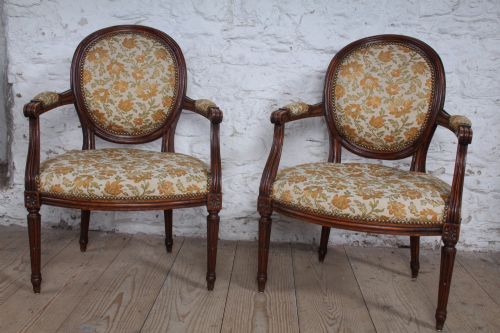
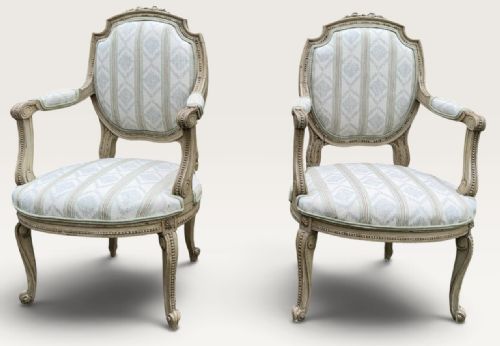
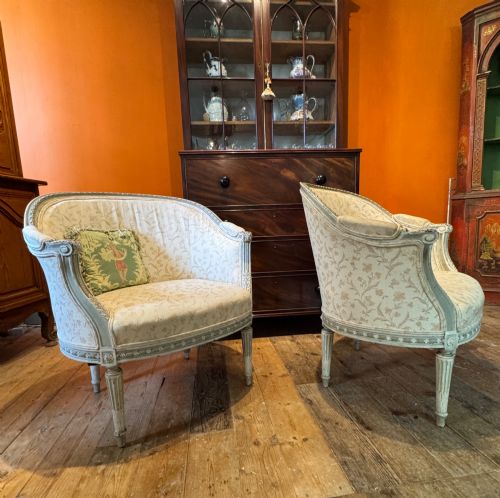
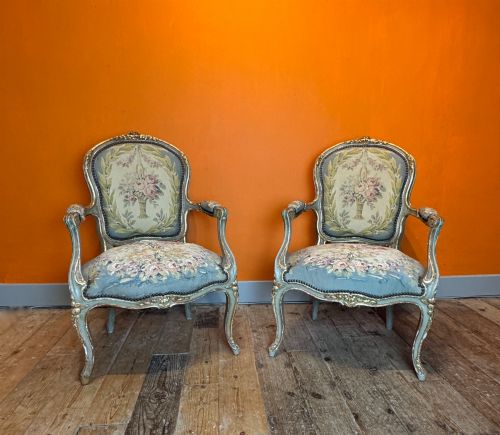
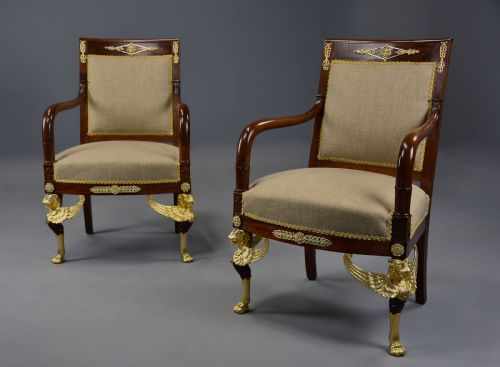
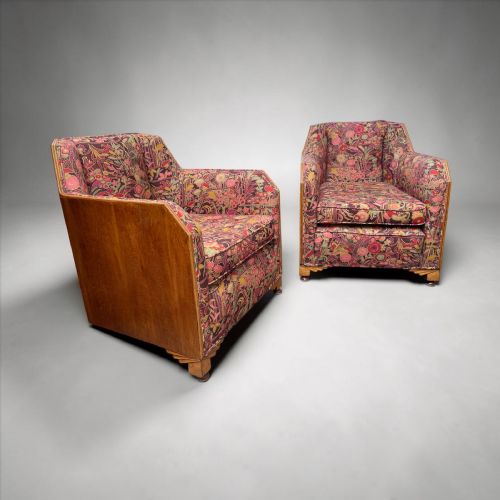
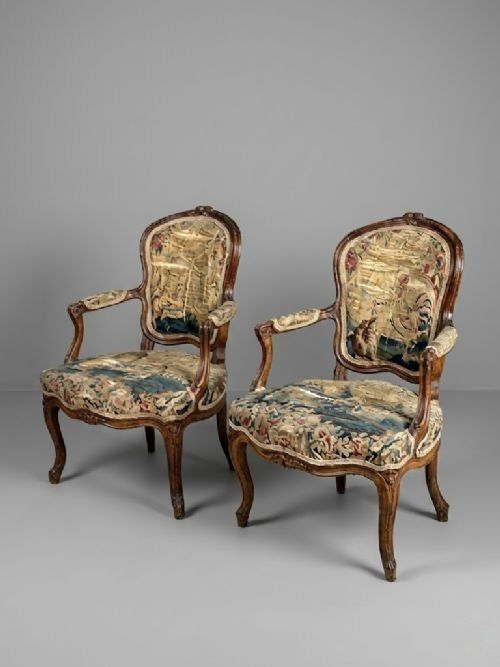
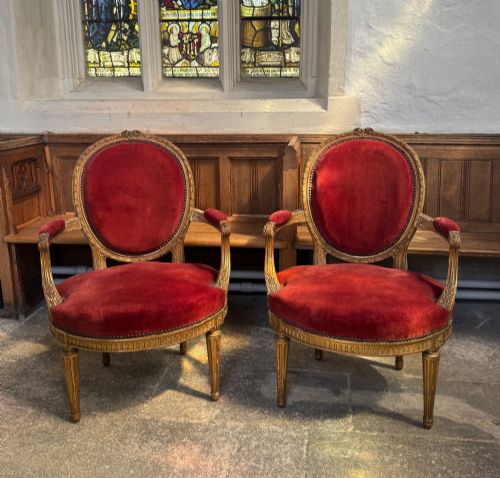
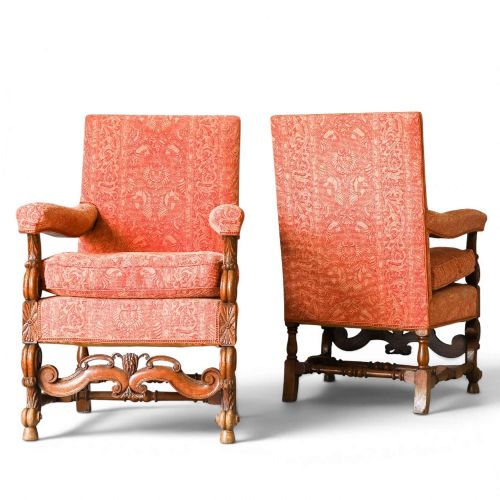
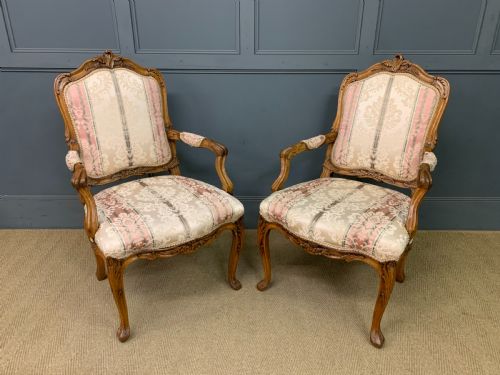
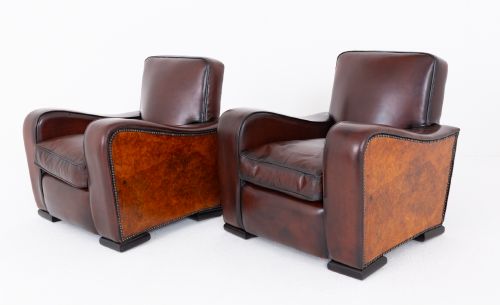
An antique french seat pair consists of matched twin seating forms originating from France, spanning centuries of evolving design from the elaborate forms of the eighteenth century through to the clean lines of the Art Deco era. When you search for an antique french seat pair, you encounter diverse domestic furnishings including armchairs, tub chairs, window seats, benches, and footstools designed to function as a unified decorative composition in a salon, hall, or drawing room.
The nineteenth century yields the highest volume of examples on this page, dominated by revival styles that look back to the reigns of Louis XV and Louis XVI alongside Empire and Renaissance influences. These nineteenth-century pieces appropriate the carved frames, cabriole legs, and ornate gilding of earlier epochs, translated through the craftsmanship of later Victorian and Belle Epoque workshops.
Materials and construction methods
Makers constructed these frames from native and imported timbers, relying predominantly on walnut, oak, mahogany, and beech, while high-status examples utilised giltwood and ebonised finishes. Craftsmen carved floral motifs, scrolls, and structural supports directly into the solid wood before applying painted, parcel-gilt, or polished surfaces.
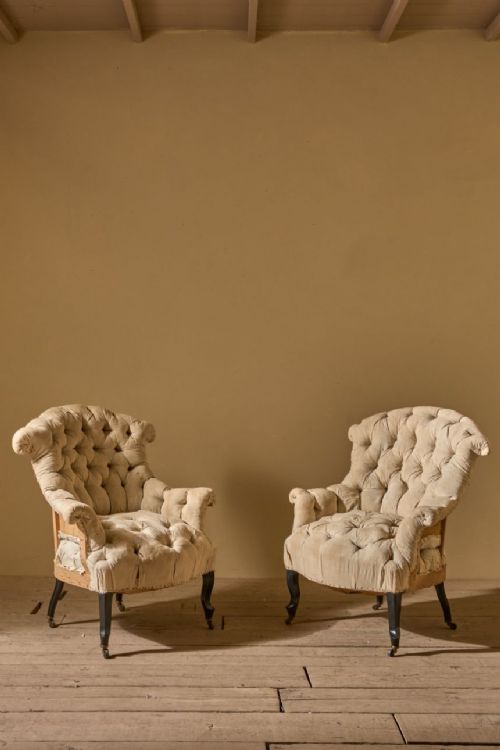
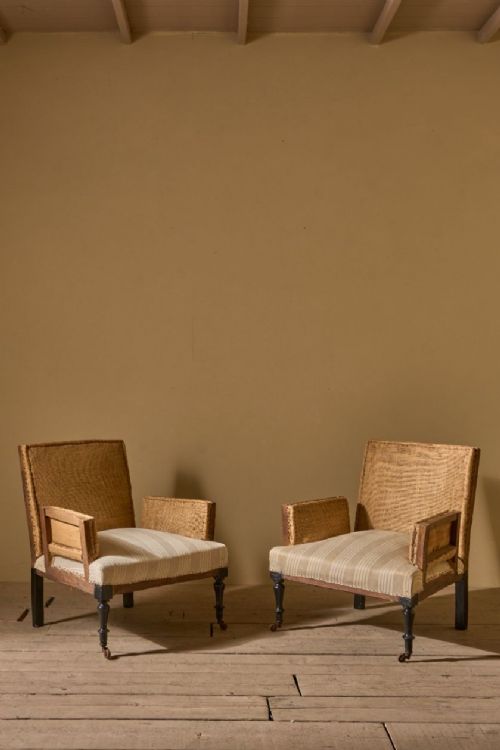
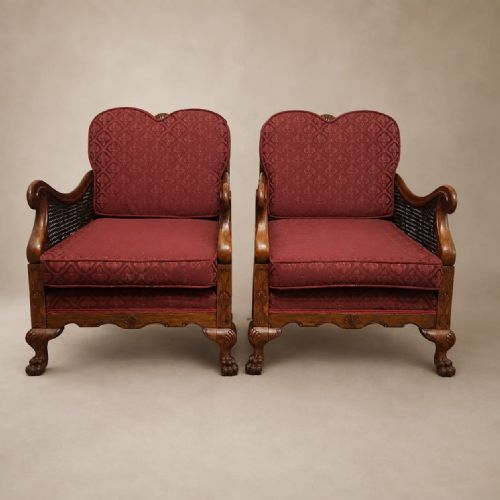
Upholstery formed an integral part of the manufacturing process, employing traditional materials such as horsehair, hessian, and webbing beneath outer coverings of tapestry, linen, leather, fabric, and split cane. Artisans secured these textiles using individual tacks and decorative brass studding, often incorporating button-back techniques for comfort and visual texture.
Among the formal gilded thrones and elegant fauteuils sit surprisingly resilient bamboo side chairs, proving that even nineteenth-century makers enjoyed a touch of botanical whimsy.
Evaluating quality and execution
Quality rests primarily in the crispness and depth of the timber carving, where hand-carved floral and rocaille details show fluid precision compared to mechanically shaped or shallow mouldings. The integrity of the underlying joinery determines longevity, with tight mortise and tenon joints separating superior frames from those weakened by movement over time.
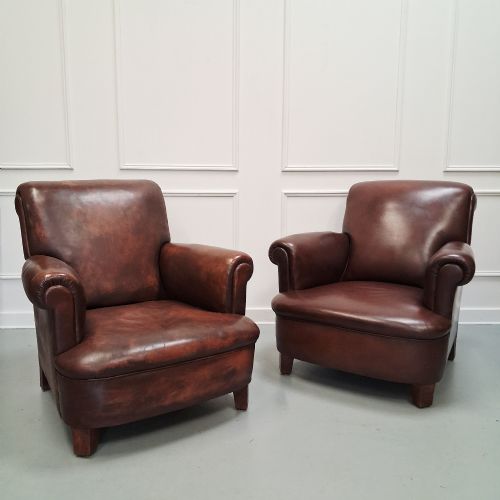
The choice and application of materials further distinguish the tiers of production, from finely figured walnut veneers and genuine giltwood to simpler painted beech and bamboo. Retaining original surfaces, such as early painted decoration or period upholstery like antique needlepoint and supple leather, elevates the historical integrity of a pair.
The Antique French Seat Pair Glossary
- Fauteuil
- An open-arm armchair with upholstered back and armrests, characterised by exposed wooden framing around the perimeter. This form originated in France during the seventeenth century and remained popular through subsequent revival periods.
- Bergere
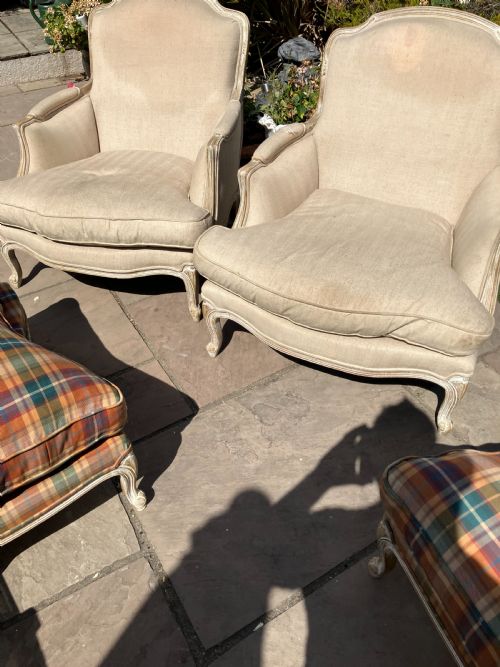
- A closed armchair featuring upholstered sides filled with cane or fabric panels, offering a deeper and more enclosed seat. They frequently incorporate loose cushion pads for added comfort.
- Giltwood
- Wood that has been coated with a thin layer of gold leaf over a prepared gesso ground. This luxurious finish appears frequently on formal eighteenth-century and revival salon seating.
- Splits cane
- Woven rattan material used to create light, flexible panels for chair backs and seats. It requires skilled hand-weaving around the wooden frame openings.
- Aubusson
- A traditional style of tapestry woven in the French town of the same name, often used for historic chair and sofa upholstery. These decorative textile covers depict floral or pastoral scenes.
Antique French Seat Pair: Frequently Asked Questions
How do I use an antique french seat pair in a modern interior?
These matched pairs work effectively when positioned opposite each other across a coffee table or flanking a fireplace to create a balanced seating arrangement. Their distinct historical silhouettes provide a strong focal point that contrasts well against minimalist contemporary architecture.
Mixing these classic forms with modern textiles or neutral walls allows the carved wood and original patination to stand out without overwhelming the space. They function equally well in bedrooms as dressing chairs or in hallways as statement seating.
What is the difference between Louis XV and Louis XVI styles?
Louis XV furniture is defined by asymmetrical curves, organic rococo motifs, and flowing cabriole legs that avoid straight lines. The overall aesthetic feels fluid, decorative, and expressive of mid-eighteenth-century court taste.
In contrast, the Louis XVI style reflects a neoclassical shift towards straight lines, geometric symmetry, and classical architectural details like fluted columns and tapered legs. This later period prioritises restraint, order, and classical antiquity.
Are these chairs comfortable for daily use?
Many of these pieces were engineered for formal drawing rooms rather than lounging, meaning seat depths and back angles vary significantly by style. Club chairs and deep bergere seats offer generous proportions suited for relaxed sitting, whereas upright salon chairs provide firmer support.
Evaluating the internal webbing and padding helps determine the current sitting experience. Professional reupholstery can restore supportive tension while preserving the historic exterior fabric.
How can I tell if the paint finish is original?
Original painted surfaces show natural wear patterns, craquelure, and microscopic accumulation of dirt and age within the recesses of the carved details. These signs develop organically through decades of handling and environmental exposure.
Later repainting often appears uniform, flat, or lacks the subtle tonal variations found beneath layers of historic wax and patina. Examining the edges where paint meets exposed wood reveals underlying preparation layers characteristic of period application.