

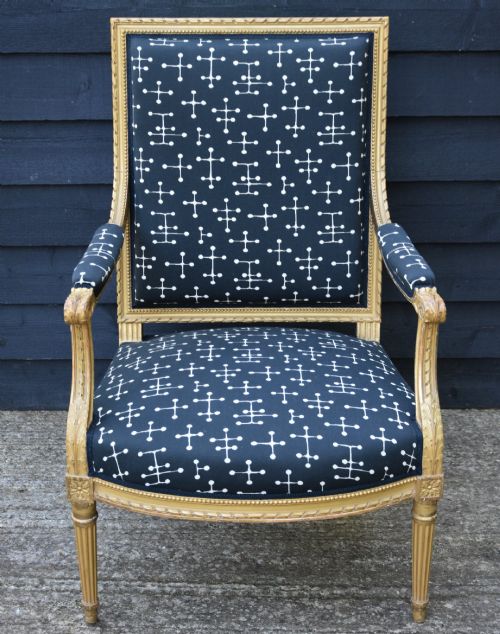
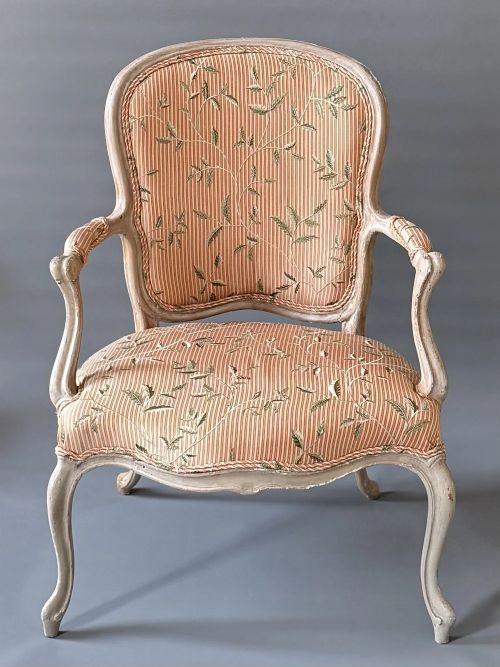
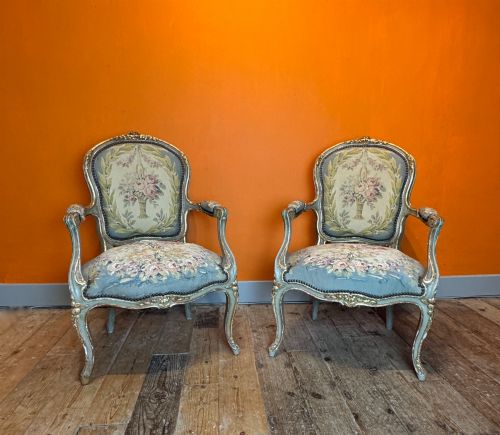
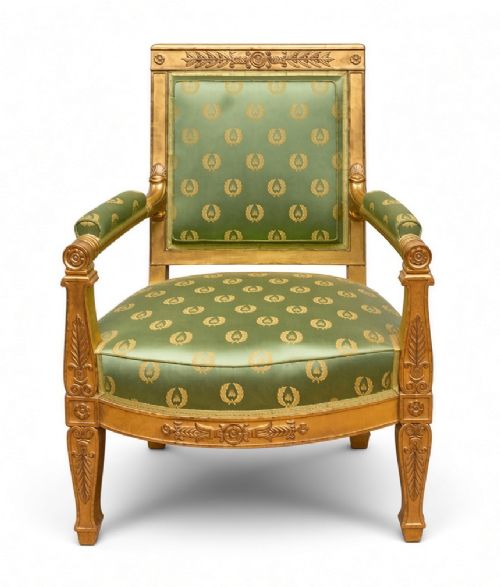
Antique French Salon Chairs
These antique french salon chairs bring distinct character and formal seating history into a room.
Antique French Salon Chairs
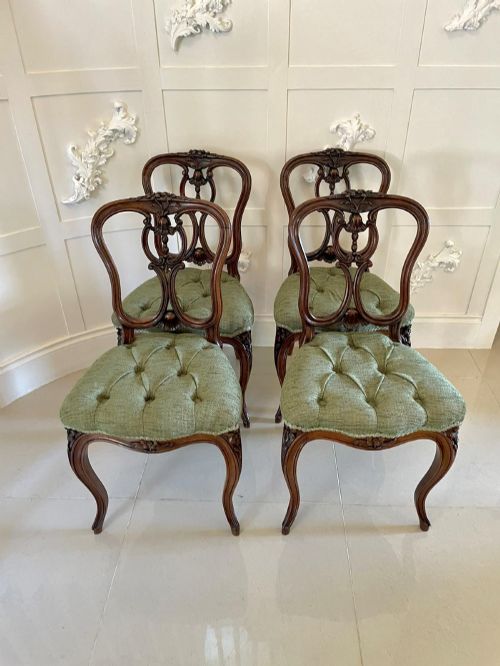
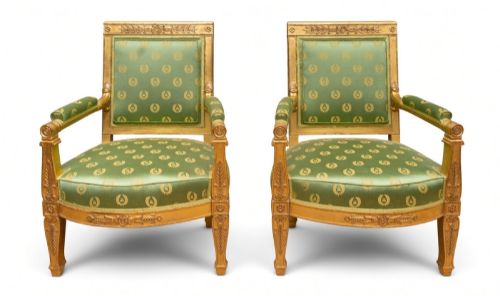
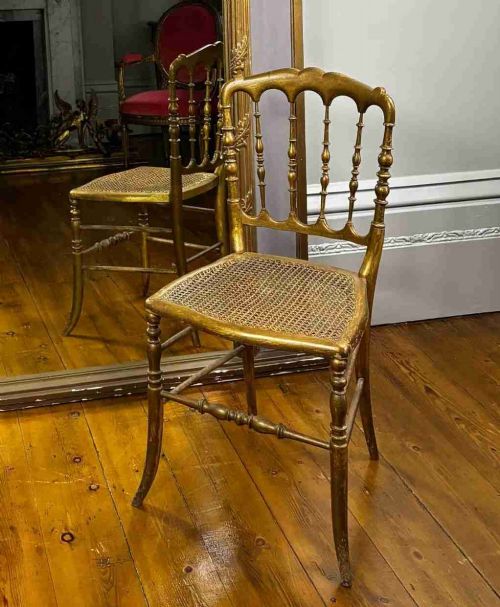
When you search for antique french salon chairs, you encounter seating designed for formal reception rooms and drawing rooms, ranging from open armchairs to smaller side chairs.
The pieces you meet most often on this page belong to the nineteenth century, including specific dates like eighteen eighty and eighteen sixty, alongside eighteenth century examples.
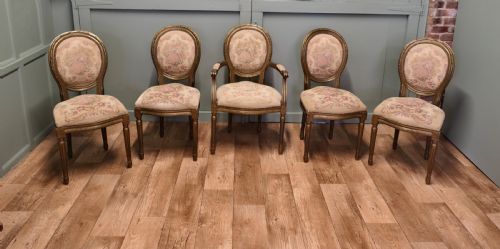
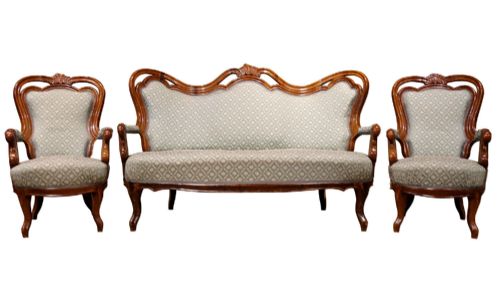
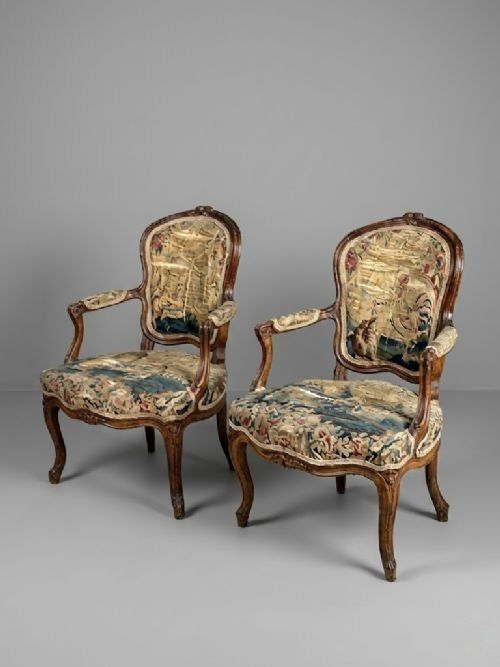
Makers and craftsmen produced these forms in sets and pairs, encompassing armchairs, fauteuils, bergères, and dining or side chairs suited for domestic entertaining.
Materials and Construction
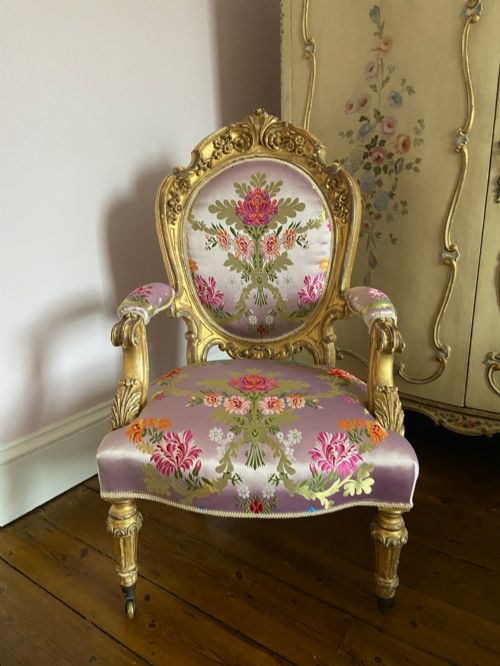
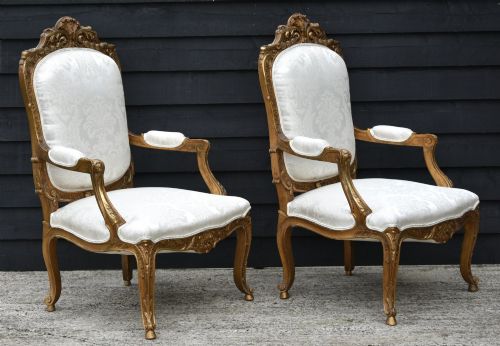
Frames rely on hardwoods such as walnut, beech, mahogany, and oak, often shaped with carved decoration or finished with paint and giltwood.
Upholstery incorporates traditional textiles, fabric, wool, silk, tapestry, and cane, secured with brass detailing where appropriate.
Retail Price Guide 2026
Typical UK retail prices for french salon chairs, calculated from the Sellingantiques database of over a million retail prices indexed since 2003. This retail price guide relies exclusively on Sellingantiques data; no external sources or auction records are used, so the figures do not describe the wider market.
Many salon chairs survived in pairs because eighteenth century drawing room etiquette demanded symmetrical seating arrangements around the hearth.
Quality Variations
The refinement of hand carving on the wooden frames separates standard production from superior examples, particularly in the depth and crispness of the floral or architectural motifs.
The integrity of the original materials, from the selection of solid walnut or giltwood to the preservation of period textiles like Aubusson covers and tapestry, dictates the standing of each piece.
The Antique French Salon Chairs Glossary
- Fauteuil
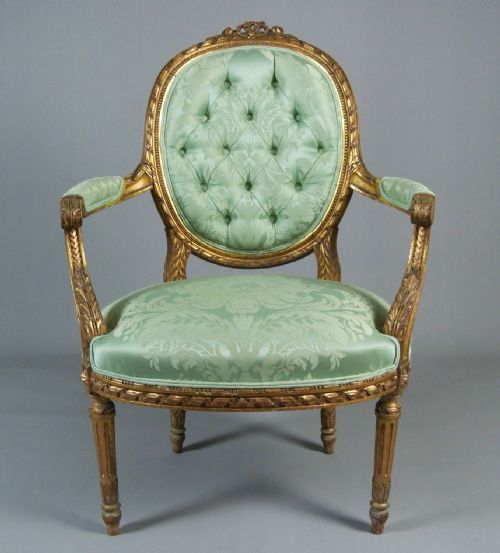
- An open-armed upholstered armchair with exposed wooden sides originating in France. These pieces typically feature carved frames and padded armrests.
- Bergère
- An enclosed armchair with upholstered sides and a loose seat cushion. This form provides a deeper and more enclosed seat than standard open armchairs.
- Giltwood
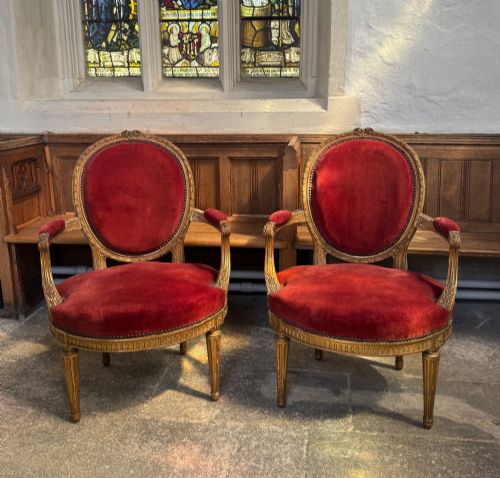
- Timber treated with a thin layer of gold leaf or gilt finish. This technique illuminates the carved details of formal seating.
- Aubusson
- A style of tapestry woven in France, frequently utilised for period upholstery. These covers display intricate floral or pictorial designs.
- Louis XVI Style
- A neoclassical design aesthetic characterised by straight tapered legs and geometric symmetry. This style emerged during the eighteenth century and saw frequent revival periods.
Frequently Asked Questions
How do I identify Louis XV style chairs?
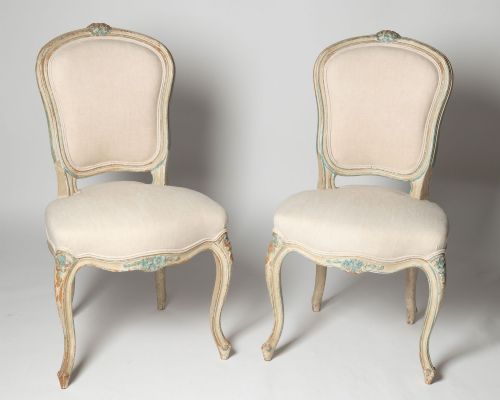
Louis XV style pieces display characteristic curves, cabriole legs, and asymmetrical floral carving. The overall outline avoids straight lines in favour of flowing organic contours.
Such seating often utilises giltwood or walnut frames paired with decorative textile upholstery.
Where were salon chairs placed historically?
These seats belonged in the formal reception rooms of French chateaux and townhouses. They accommodated guests during musical recitals, card games, and social gatherings.
Arrangements typically included matched pairs or larger suites featuring matching sofas.
How do I care for antique giltwood frames?
Giltwood requires careful dusting with a soft, dry cloth to protect the delicate gold leaf finish. Moisture and harsh cleaning agents damage the historic surface.
Keeping the chairs away from direct sunlight and steady heat sources preserves both the wood and the fabric.
Can these chairs be used in modern rooms?
These pieces function effectively as occasional seating in living rooms, bedrooms, or studies. Their varied wood tones and traditional upholstery add historical contrast to contemporary interiors.
Pairs and single armchairs adapt easily to corners or dressing areas.