



Antique French Planter Box
An antique french planter box brings botanical elegance indoors and out, combining robust metal or timber frames with refined decorative details.
Antique French Planter Box
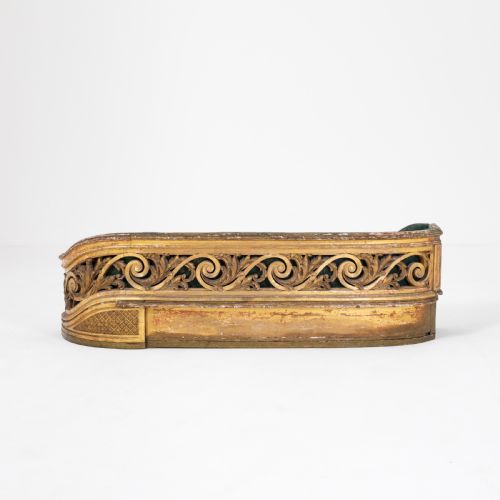
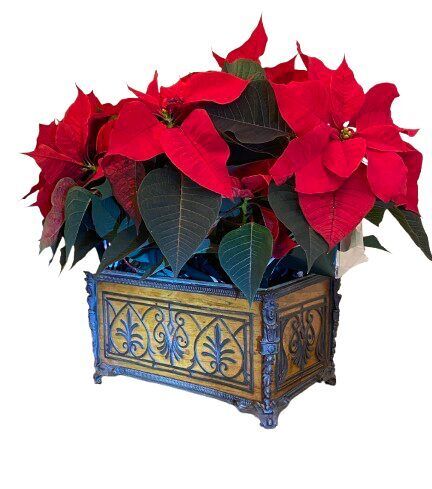
An antique french planter box encompasses jardinieres, window troughs, and plant stands designed to hold greenery and florals with distinct period character. Pieces span from the eighteenth century through the Victorian era up to nineteen thirty, showing diverse regional designs and domestic applications.
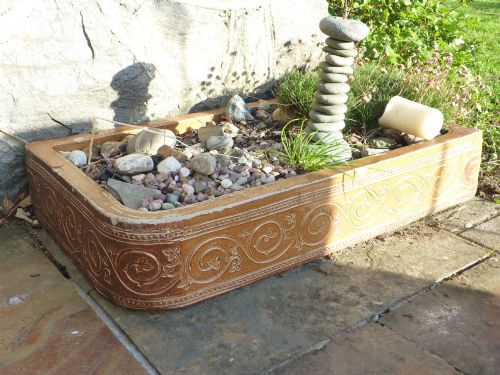
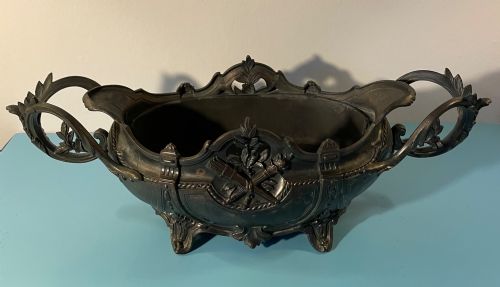
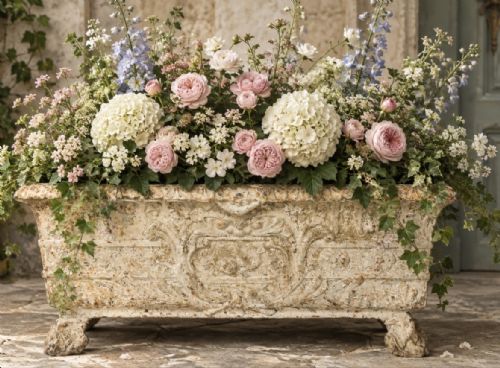
Most examples found here take the form of jardinieres or garden planters, often rendered in cast iron, bronze, or rich timber veneers. These vessels served both practical horticultural functions in chateaux and ornamental roles in nineteenth century reception rooms.
Makers utilised various stylistic vocabularies, ranging from French Empire and Restauration to Victorian Rococo Revival and Art Nouveau. Buyers encounter everything from heavy cast iron garden vessels to delicate burr walnut and gilt bronze indoor stands.
Materials and construction
Metals form a substantial pillar of construction, utilising cast iron, wrought iron, bronze, and gilt bronze for durable structural frames and decorative mounts. Salt glazed stoneware and ceramic elements also appear, providing robust linings or bodies for horticultural use.
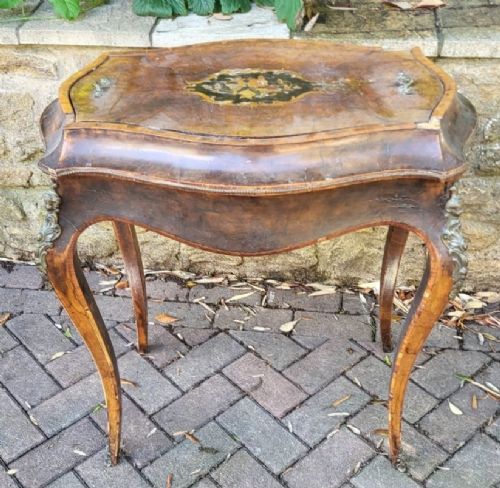
Timber versions rely on burr walnut, olive wood, satin walnut, and carved giltwood, showcasing sophisticated cabinetmaking techniques. Marquetry inlay and ebonised finishes often complement the cast bronze mounts attached to these wooden bodies.
The selection includes forms spanning jardinieres, window troughs, and fireside accessories.
Judging quality and craftsmanship
The refinement of the casting and carving separates superior vessels from simpler utilitarian items, particularly in the crispness of bronze mounts and cast iron foliage. Superior examples display intricate detailing on lion supports or floral motifs that remain sharp and well-defined.
Material selection dictates the grade of the piece, with figured burr walnut and fire-gilded bronze representing higher standards than plain pine or basic iron. The integrity of internal linings and the precision of joinery further distinguish workshop execution.
Guichard Carriès
The Antique French Planter Box Glossary
- Jardiniere
- An ornamental pot or stand for holding plants or flowers. These vessels often feature decorative metal mounts and fitted liners for interior display.
- Gilt Bronze
- Bronze that has been coated with a layer of gold or gold amalgam to impart a rich, lustrous finish. This technique highlights decorative mounts on nineteenth century wooden planters.
- Salt-Glazed Stoneware
- Pottery fired at high temperatures with salt introduced into the kiln to produce a vitreous, glossy coating. This material offers exceptional durability for garden planters and window troughs.
- Burr Walnut
- Timber taken from a walnut tree growth featuring swirling, knotted grain patterns prized for decorative veneer work. Cabinetmakers utilised this timber on high-end Victorian and nineteenth century pieces.
Antique French Planter Box: Frequently Asked Questions
What is a jardiniere?
A jardiniere is an ornamental container designed specifically to hold plants or floral arrangements within a home or conservatory. The term derives from the French word for gardener.
These pieces typically sit on tables or floor stands and often incorporate waterproof metal liners to protect the surrounding furniture from moisture.
How were these planters used?
Historic households utilised these vessels to bring living plants into interior drawing rooms, dining spaces, and grand hallways. They allowed owners to display exotic ferns and flowering plants during winter months.
Heavier cast iron versions functioned outdoors in gardens and courtyards, while timber and porcelain pieces remained strictly indoors.
Can I plant directly inside them?
Most antique wooden and gilt bronze planters require a secondary inner pot or liner to contain soil and water safely. Direct planting risks rotting timber and corroding delicate internal metal surfaces.
Cast iron and salt-glazed stoneware vessels tolerate direct planting much better, provided they feature adequate drainage holes.
How do I date these pieces?
Dating relies on identifying stylistic markers, construction methods, and material preferences associated with specific periods like the Victorian era or Napoleon III reign. Cast iron technology and timber veneer styles changed significantly between the eighteenth and early twentieth centuries.
Examining fixings, patination, and secondary woods helps narrow down the decade of manufacture.