




Antique French Pitchers
Antique French pitchers bring sculptural form and traditional craft into a room, spanning earthenware jugs, gilt bronze ewers and enamelware vessels from the eighteenth century onwards.
Antique French Pitchers
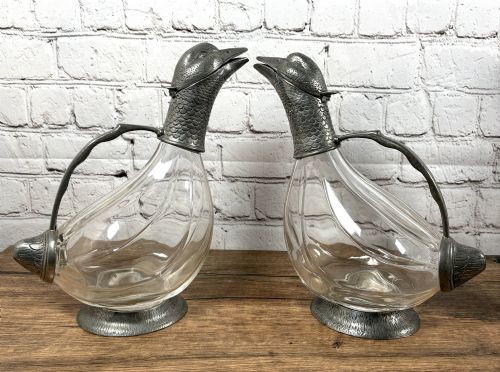
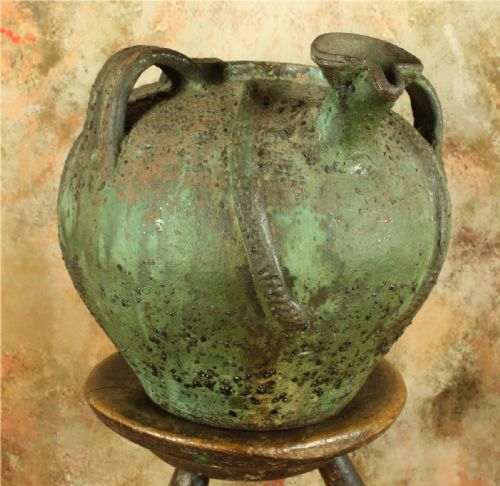
When you search for antique french pitchers, you encounter a varied selection of functional and decorative vessels rooted in continental domestic and decorative traditions. These pieces encompass utilitarian olive and oil jars from the eighteenth century alongside ornamental ewers fashioned for nineteenth-century interiors.
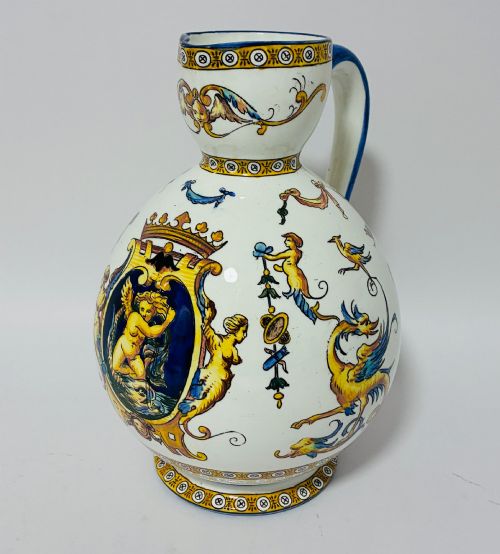
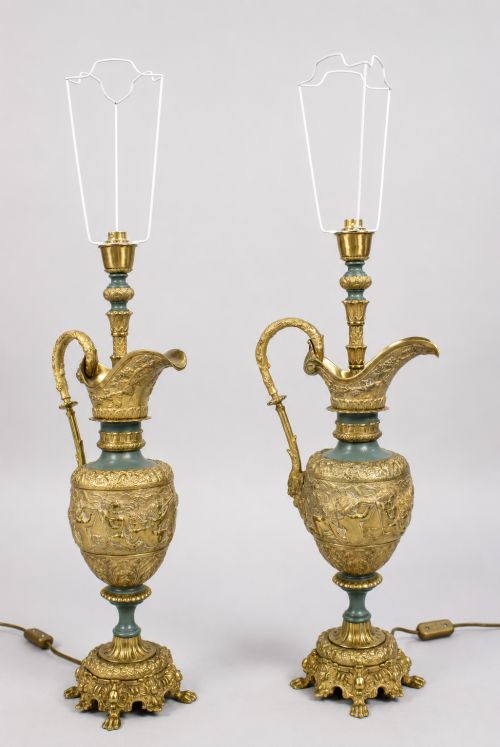
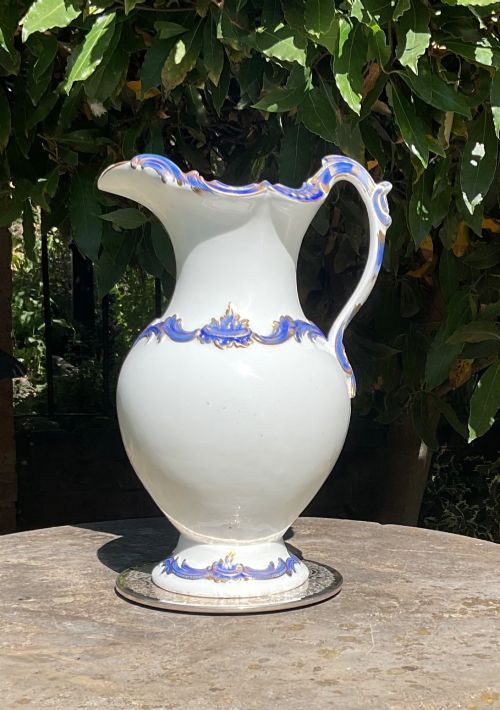
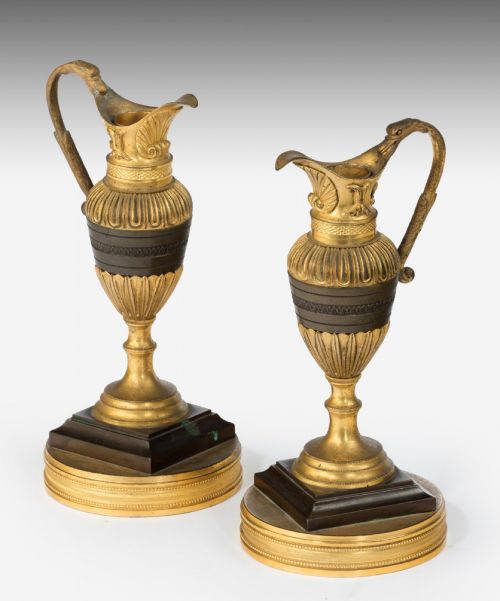
Makers and regional potteries such as Gien, Choisy-le-Roi and Sarreguemines appear amongst nineteenth-century earthenware and faience. Alongside these, bronze and ormolu table lamps converted from decorative ewers demonstrate how period vessels found new utility in later decades.
How they were made
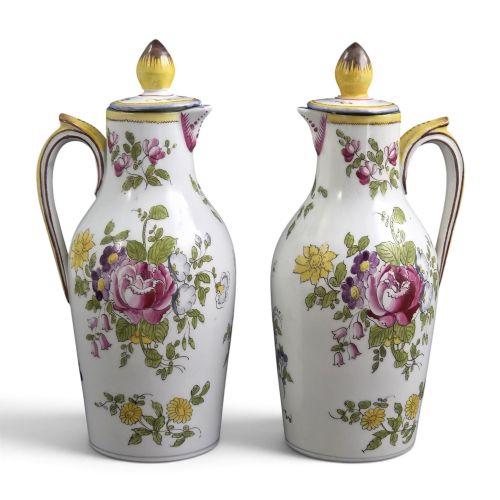
Potters and artisans utilised earthenware, porcelain, faience and glass, shaping clay by hand or on the wheel before applying glazes, polychrome decoration or hand-painted botanical and mythological motifs. Tin-glazed earthenware provided a smooth white surface suitable for colourful painted scenes, whilst porcelain allowed for finer, more delicate miniature and table service forms.
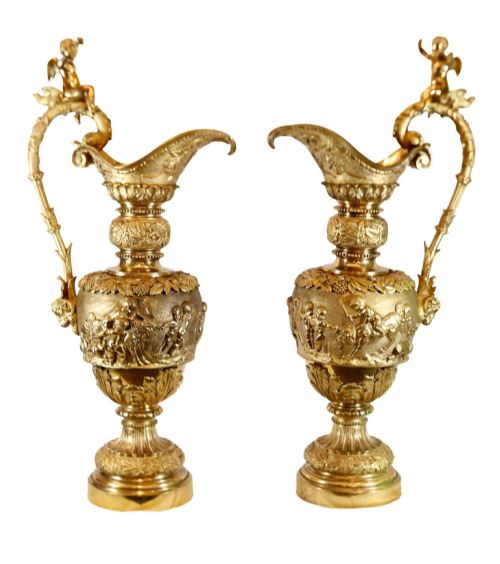
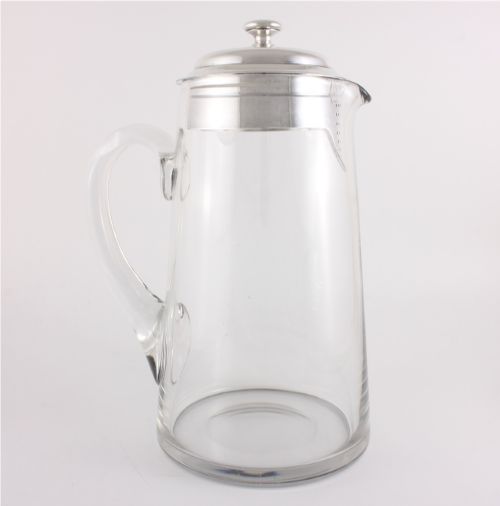
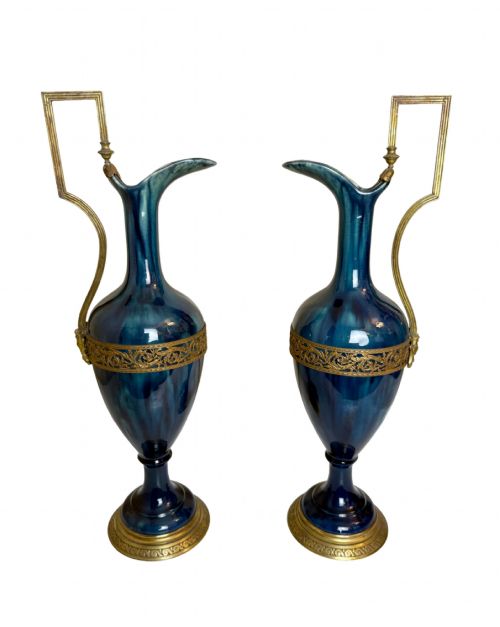
Metalworking played an equally vital role in creating elaborate ewers and pitchers from bronze, gilt metal, copper, silver plate and brass. Craftsmen cast these metals using traditional foundry methods, frequently combining ormolu mounts with glass bodies or mounting sculptural cherubs and classical figures to the handles and spouts.
Antique French Pitchers Retail Price Guide 2026
Typical asking prices for french pitchers among the pieces listed under this phrase on Sellingantiques today, from the lower quarter to the upper quarter. They describe what is for sale here now, not the wider market.
Listings feature periods spanning from the eighteenth century through the nineteenth century up to mid-century.
What varies in quality
The calibre of a piece rests primarily on the crispness of its casting, the dexterity of its hand-painting and the integrity of its materials. Fine porcelain water jugs and faience display precise brushwork in mythological or floral scenes, whereas simpler earthenware pots rely entirely on their organic form and aged patina.
Bronze and gilt metal ewers achieve distinction through the depth of their chasing and the harmonious integration of mounts with glass or ceramic bodies. Superior examples exhibit balanced proportions, refined surface finishing and well-preserved original gilding or silver plating.
Gien Faience·Choisy-le-Roi·Sarreguemines·Christofle·Susse Freres
The Antique French Pitchers Glossary
- Ewer
- A large jug with a wide spout and a looped handle, traditionally used for holding water or wine.
- Faience
- Tin-glazed earthenware produced in France, typically featuring colourful painted ornamentation over an opaque white glaze.
- Ormolu
- Gilt bronze ornamentation applied to furniture, clocks and decorative vessels, highly fashionable in nineteenth-century French interiors.
- Latticinio
- A type of glasswork incorporating fine white or coloured glass threads within clear glass, seen in nineteenth-century French decanters.
- Gien
- A renowned French earthenware manufacturer known for producing decorative faience water pitchers and tableware during the nineteenth century.
Antique French Pitchers: Frequently Asked Questions
How were antique french pitchers used?
Many of these vessels served practical roles in domestic life, functioning as water jugs, wine decanters, ale jugs or oil pots in French households. Others were made purely for display as ornamental ewers, urns or decorative tableware.
Over time, certain metal and bronze ewers were adapted into table lamps, shifting from decorative sideboard objects to functional lighting while retaining their original sculptural silhouettes.
How do I date an antique french pitcher?
Dating relies on observing the combination of materials, manufacturing marks, decorative styles and stylistic influences such as Neoclassical, Rococo Revival or Art Nouveau. Eighteenth-century pieces often display heavier earthenware construction and rustic forms like olive oil jugs.
Nineteenth-century examples frequently incorporate refined porcelain, stamped pottery marks from makers like Gien, or elaborate gilt bronze mounts. Mid-nineteenth-century items often favour classical ewer shapes, while later decades introduce copper and glass techniques.
How do I display antique french pitchers at home?
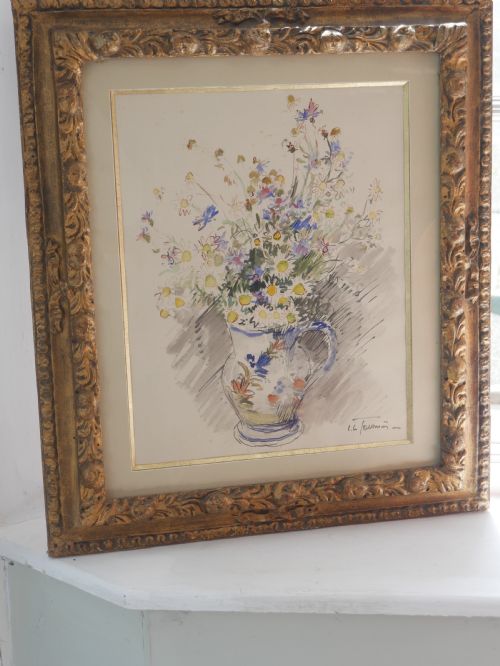
These pieces suit placement on sideboards, open shelving or mantelpieces where their sculptural forms and glazed or metallic surfaces catch the light. Larger faience and porcelain water jugs work well as standalone focal points or paired with dried botanical arrangements.
Smaller miniature ewers and glass decanters can be grouped on trays or within cabinets alongside complementary tableware. Converted ewer lamps provide both ambient lighting and period character on desks or side tables.