
Antique French Oil Portrait
When you examine an antique french oil portrait, you encounter centuries of sitter studies, from stern judges to elegant ladies.
Antique French Oil Portrait
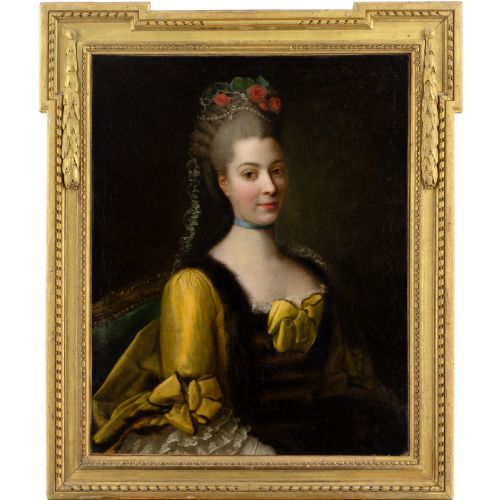
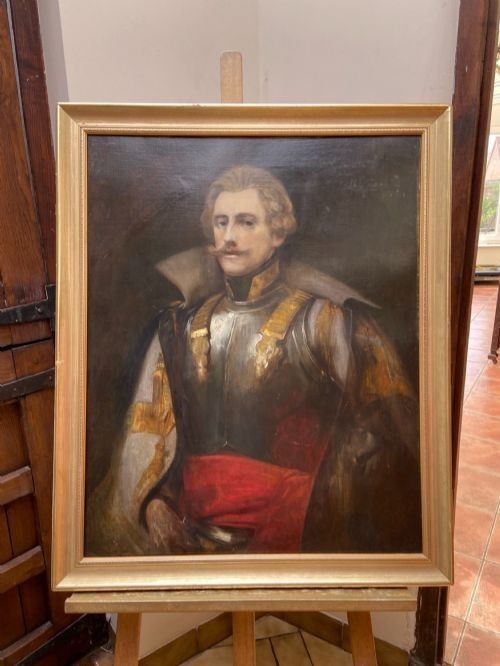
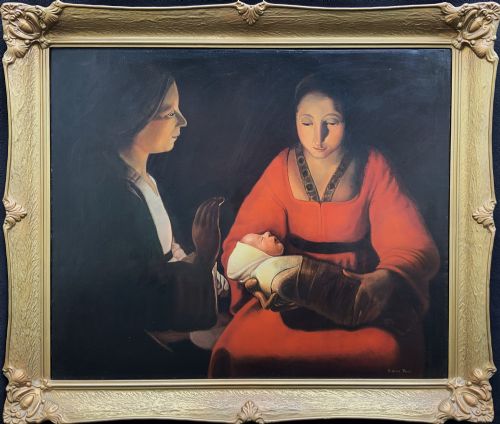
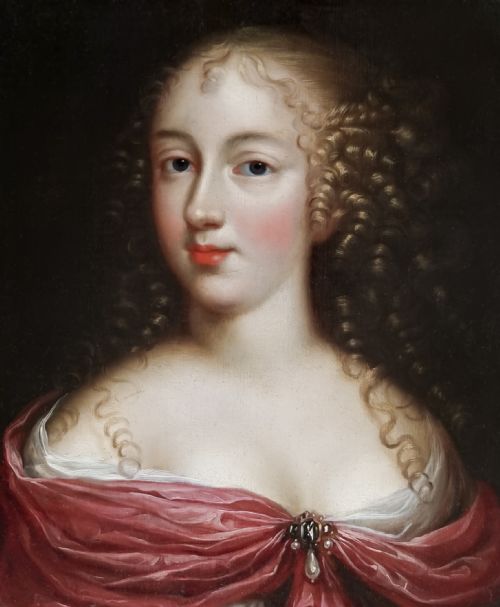
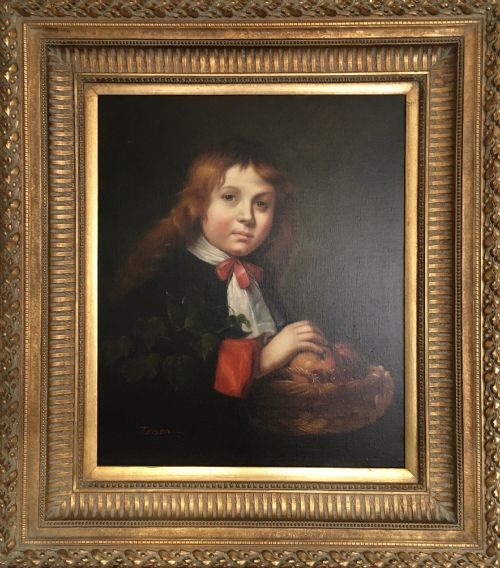
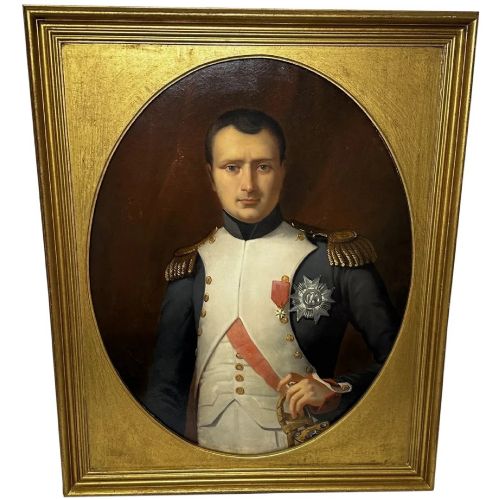
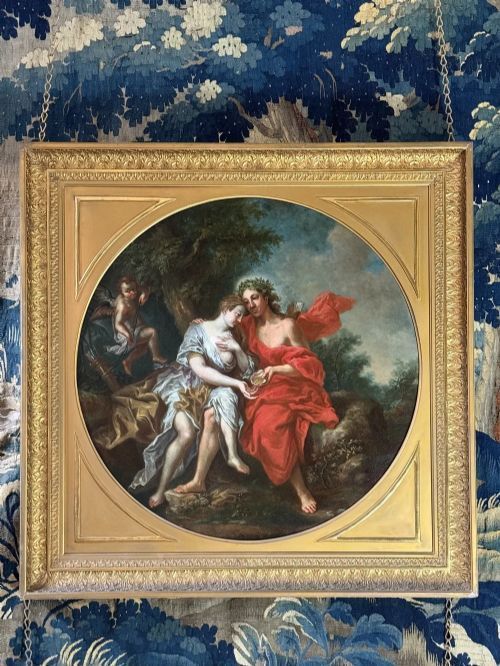
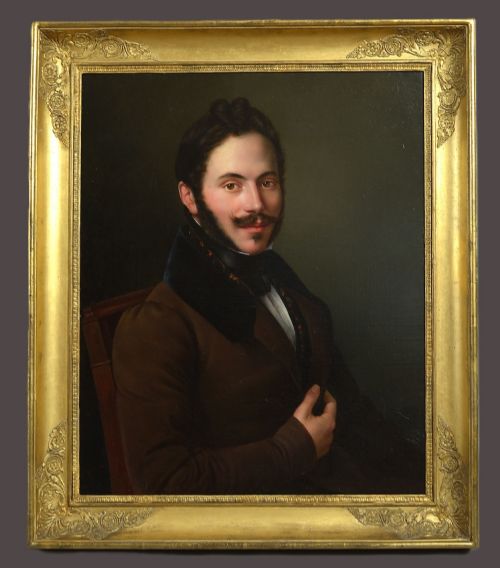
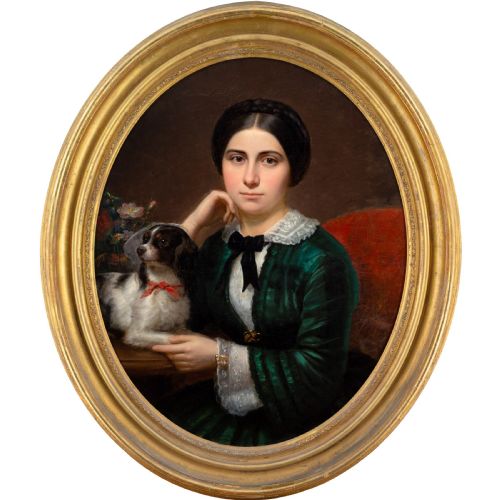
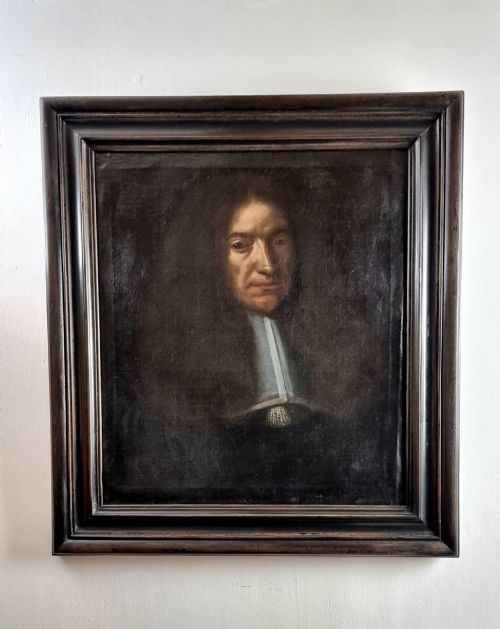
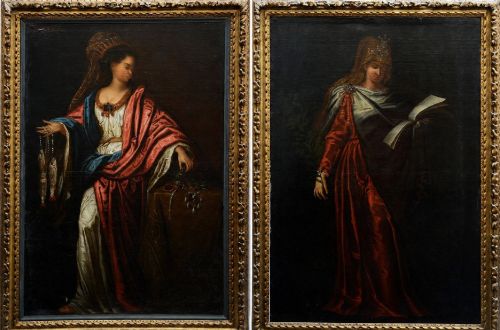
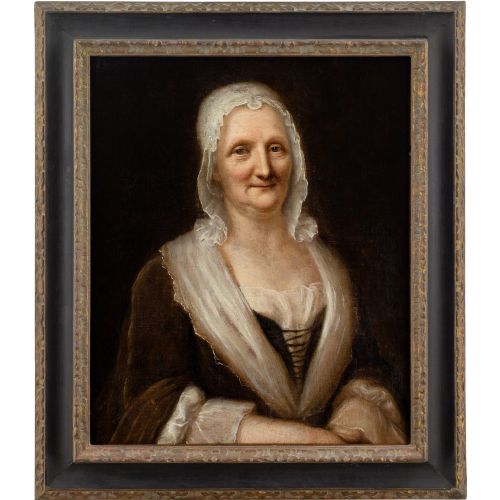
An antique french oil portrait captures the likeness of historical sitters, ranging from seventeenth-century nobility to nineteenth-century military officers and children. These works emerge from named masters, regional schools, and anonymous studio hands working across canvas, panel, and copper.
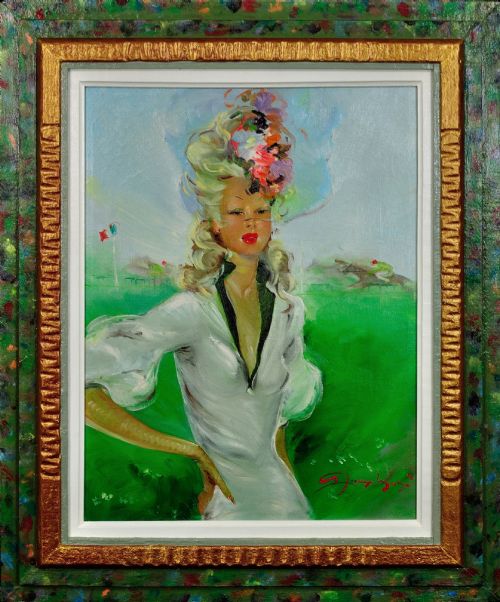
The selections span distinct eras, featuring seventeenth-century court figures, eighteenth-century aristocrats, and academic or impressionist-adjacent canvases from the nineteenth and early twentieth centuries. Buyers encounter framed wall art, devotional panels, and companion pairs that document shifting fashions and social ranks.
How They Were Made
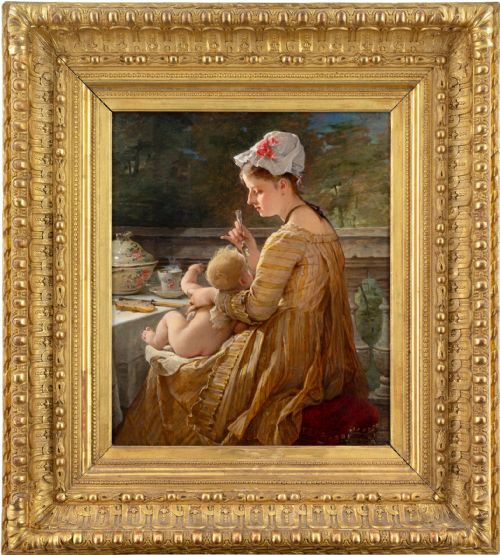
Painters applied oil pigments to woven canvas stretched over wooden frames, sturdy wood panels, or copper plates, often sealing the ground before building up flesh tones and drapery. Surviving works frequently retain their period frames constructed from carved wood, gesso, and giltwood.
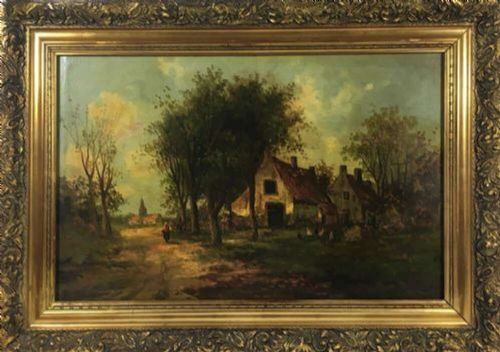
Makers utilised rich oil paints mixed from mineral and organic pigments to achieve depth in garments, armour, and lace collars. Brushwork shifts from the tight, blended passages of academic portraiture to looser, expressive applications found in later landscape and genre crossover pieces.
Listings feature portraits executed on oil on canvas, wood panel, and copper, dated from the seventeenth century to the mid-twentieth century.
What Varies In Quality
The skill of the hand dictates the success of a portrait, separating competent studio productions from works by fully realised masters who captured psychological depth and anatomical precision. Handling of light across skin, fabrics, and metal insignia reveals the painter's training and confidence.
The integrity of the original support and the survival of the early surface layers dictate condition longevity, while the presence of a period matching giltwood frame enhances historical context. Works bearing documented attributions to academy exhibitors carry distinct archival weight compared to anonymous provincial school outputs.
Pierre Mignard·Charles-Antoine Coypel·Edouard Pingret·Joseph Vivien·Henri and Charles Beaubrun·Achille-Fould·Alfred Arthur Brunel de Neuville·Jean-Baptiste Greuze·Charles Zacharie Landelle·Edouard Julien·Raymond Moritz·Ferdinand Victor Leon Roybet·Edgard Maxence·Gaetan Dumas·Georges Goursat
The Antique French Oil Portrait Glossary
- Giltwood
- Wood carved and coated with gold leaf or gold paint. This finish frequently appears on nineteenth-century frames housing formal canvases.
- Oil on panel
- Pigment bound in drying oil applied directly to a flat wooden board. This support method predates widespread canvas usage and maintains rigidity.
- Barbizon school
- A nineteenth-century French artistic movement focused on naturalistic landscape and rural genre scenes. Painters associated with this group occasionally integrated portrait elements into pastoral settings.
- Academic style
- Art produced under the influence of official European academies emphasising traditional techniques and historical themes. Portraits executed in this manner display polished surfaces and formal compositions.
- Copper plate
- A thin sheet of metal utilised as a rigid painting support. Artists favoured this smooth surface for small-scale detailed compositions.
Antique French Oil Portrait: Frequently Asked Questions
How do I identify the sitter?
Sitters are occasionally identified by contemporary inscriptions on the reverse of the canvas, family provenance, or accompanying archival letters. Heraldic shields, military medals, and specific clerical vestments also provide clues to their identity.
Many historical portraits remain anonymous because records failed to survive down the centuries. Researching the artist or the period costume often narrows down the social circle of the individual portrayed.
What periods do these portraits cover?
The available inventory spans from the seventeenth century through the early twentieth century, capturing distinct historical shifts in portraiture conventions. Early examples reflect baroque formality, while later pieces embrace romanticism and academic realism.
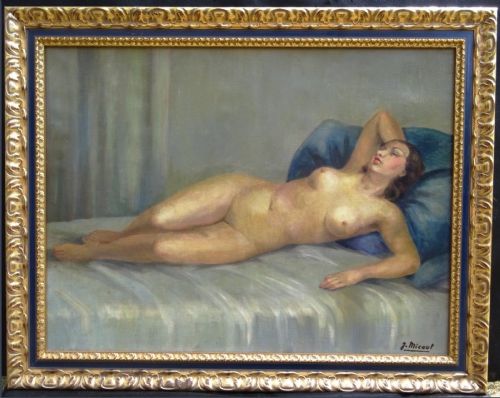
Mid-nineteenth-century works introduce bourgeois subjects and looser brushwork alongside traditional aristocratic commissions. Twentieth-century holdings touch upon symbolist and modernist directions.
Are original frames included?
Many listings feature period giltwood or gesso frames that match the age of the canvas. These surrounds often exhibit hand-carved ornamentation typical of nineteenth-century workshops.
Frames are documented in the title and description where present. Buyers should verify whether a specific wall art piece retains its original housing.
How should I care for an oil portrait?
Display paintings away from direct sunlight and fluctuating humidity to protect the oil pigments and wooden supports. Gentle dusting with a soft, dry brush is sufficient for routine maintenance.
Avoid using liquid cleaners on the canvas surface or the giltwood frame. Professional conservators should handle any structural repairs or deep cleaning.