
Antique French Miniature
When you search for an antique french miniature, you step into a world of small-scale horology, delicate paintings, and diminutive furniture spanning several centuries.
Antique French Miniature
An antique french miniature encompasses a diverse range of objects created in reduced scale, from intricate carriage clocks and pocket-sized portrait paintings to apprentice furniture samples and grand tour bronze models. These items reflect the domestic tastes and decorative arts of the eighteenth and nineteenth centuries.
The objects frequently mirror full-scale counterparts in their design and construction, utilising styles such as Rococo Revival, Neoclassical, and French Empire. Buyers encounter everything from functional timepieces housed in brass cases to hand-carved wooden cabinets and delicate porcelain scent bottles.
Originating across various periods including the 18th century, Victorian era, and early 20th century, these pieces demonstrate the historical capability of artisans to condense complex design into compact formats. The selection spans utilitarian travel items as well as purely decorative cabinet pieces.
Materials and construction methods
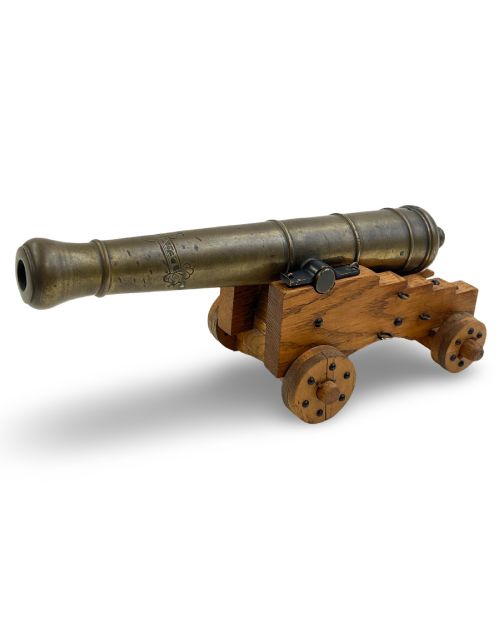
Makers utilised a combination of metals, woods, and minerals, casting bronze and brass for clock cases and architectural models, while employing rosewood, oak, and mahogany for miniature furniture and chests.
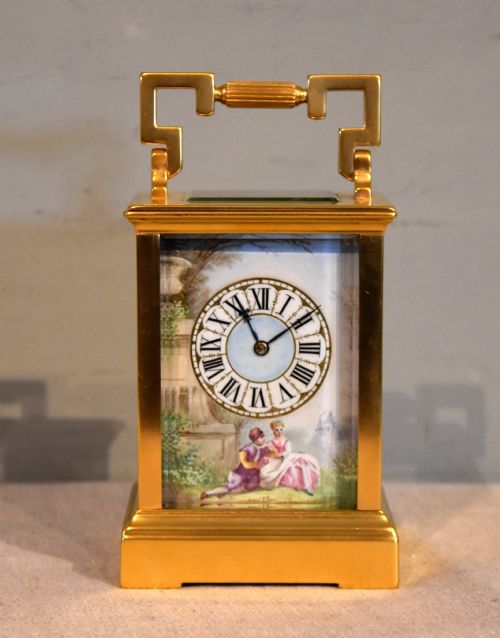
Decorative surfaces frequently incorporated enamel work, hand-painted porcelain plaques, and gilt highlights applied to bronze or ormolu mounts to achieve rich visual depth on a small scale.
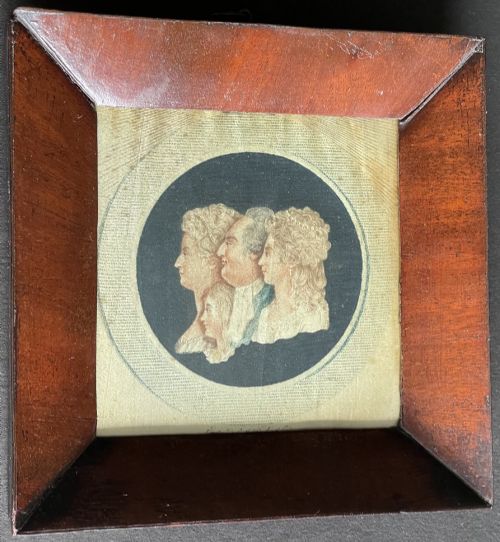
Specialised techniques such as silk printing, gouache painting, and detailed hand-carving allowed craftsmen to execute fine portraits and figures with notable precision.
Listings feature items spanning the 18th, 19th, and early 20th centuries, utilising materials like bronze, enamel, porcelain, and various hardwoods.
Factors that define the grade of the piece
The standard of execution in miniature work relies heavily on the crispness of the casting in metal pieces and the precision of joinery in wooden furniture samples, where reduced dimensions leave no room for error.
Painted works and enamel faces demonstrate varying degrees of draftsmanship, with superior examples exhibiting refined brushwork, clear signatures, and well-preserved pigments free from heavy restoration.
The integration of working mechanisms, such as eight-day clock movements or functional alarms, alongside the original finishing materials like fire gilding, elevates the standing of an item within its category.
Jean Antoine Houdon·Jean-Baptiste van Loo·H. Chiparus·Paul Lelong·Seugnot
The Antique French Miniature Glossary
- Chatelaine
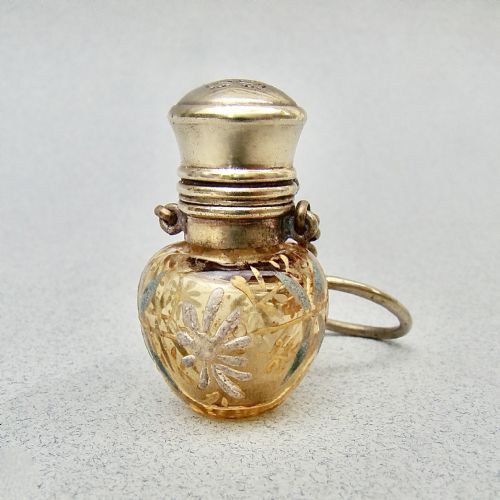
- A decorative belt hook worn with suspended fittings such as scent bottles or watch keys. These ornamental appendages were popular accessories in the Victorian period.
- Ormolu
- Gilt bronze produced by applying a finely ground high-carat gold-mercury amalgam to a bronze object. The technique creates a rich golden finish characteristic of French decorative arts.
- Apprentice piece
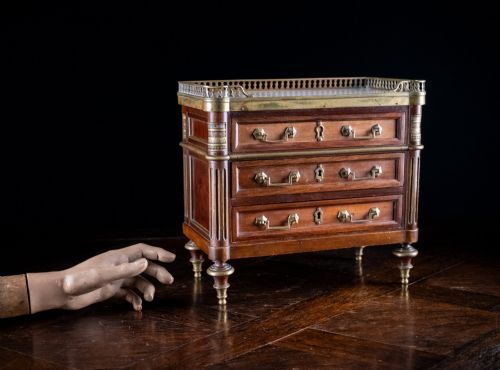
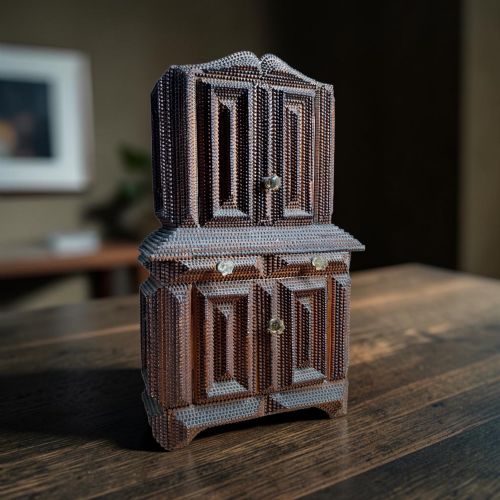
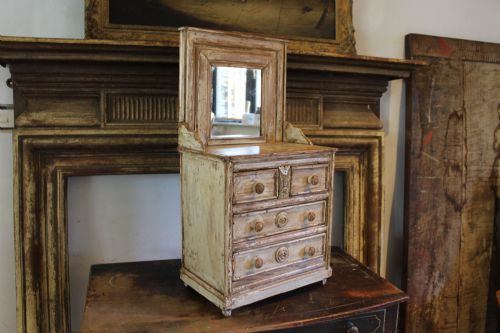
- A scaled-down item created by a trainee craftsman to demonstrate mastery of specific woodworking or metalworking techniques. These often mirror full-sized commodes or bureaus.
- Grand tour
- A cultural journey undertaken by wealthy young Europeans to study classical antiquities. Small bronze reductions of famous monuments served as popular souvenirs.
Antique French Miniature: Frequently Asked Questions
What is a French miniature clock?
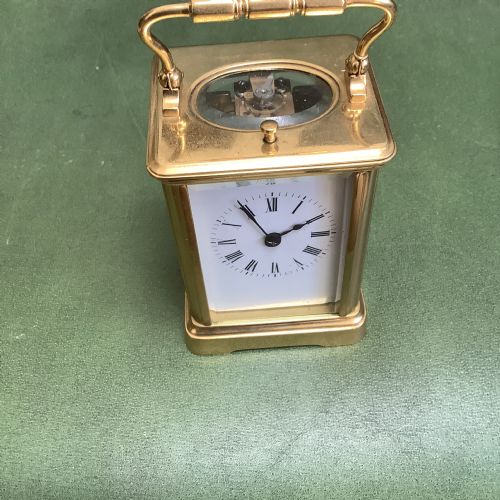
A French miniature clock is a small-scale timekeeping device, often house in a brass or gilt case with glass panels, designed for travel or bedside use during the nineteenth century. These pieces frequently feature intricate enamel work or engraved decoration.
Many examples include eight-day movements and functional alarms, combining mechanical utility with decorative elegance suited for tabletop display.
How do you display miniature furniture?
Miniature furniture and apprentice pieces are typically displayed on tabletops, within glass-fronted vitrines, or on dedicated cabinets where their detailed construction can be observed up close. Because of their scale, they require stable surfaces away from direct sunlight.
Grouping complementary items, such as small bronze models or wooden chests, creates a focused display that highlights the craftsmanship of the period.
Are portrait miniatures hand painted?
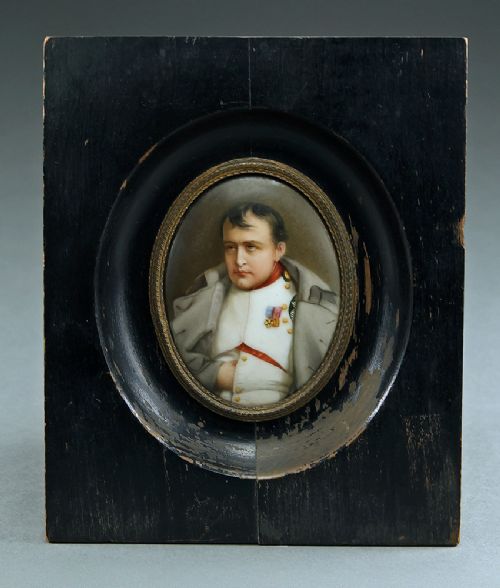
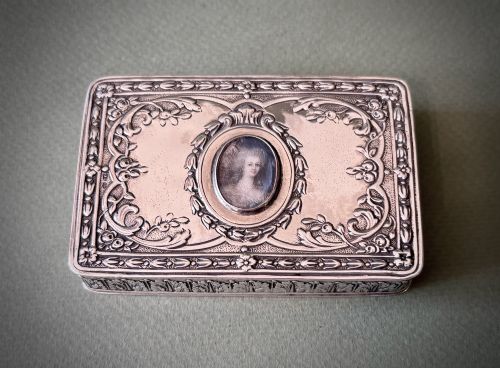
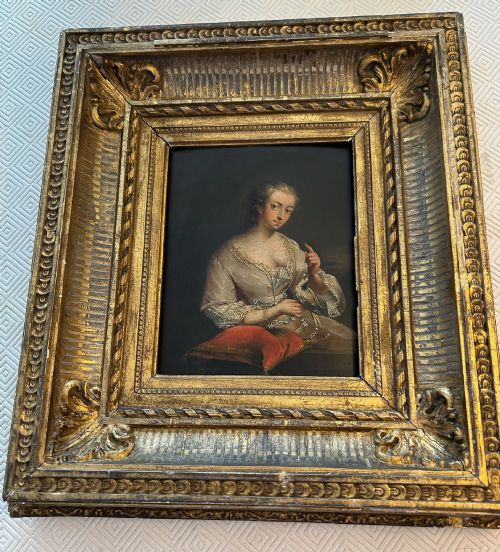
Portrait miniatures from the eighteenth and nineteenth centuries are typically hand painted using media such as oil on panel, gouache, or watercolour. Artists achieved remarkable detail on small ivory, paper, or porcelain surfaces.
Signatures from period artists occasionally appear on the works or within the framing, helping to identify the origin and hand behind the painting.
What are Grand Tour bronzes?
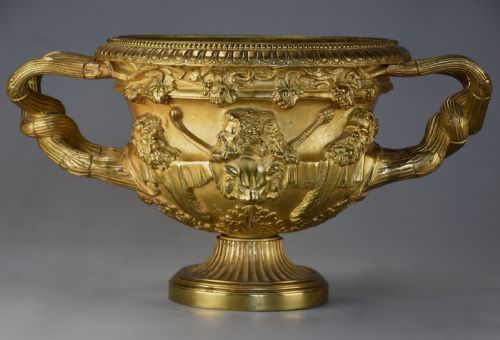
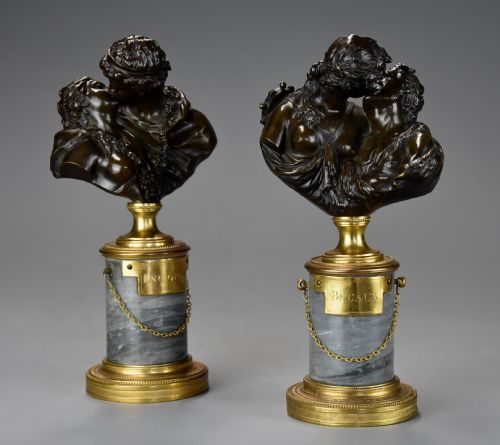
Grand Tour bronzes are small-scale metal models of famous classical buildings, columns, and vases collected by travellers exploring European historical sites during the nineteenth century. These reductions were cast to capture the architectural details of antiquity.
Common subjects include well-known monuments like the Arc de Triomphe and antique vases, valued for their patination and sculptural accuracy.