



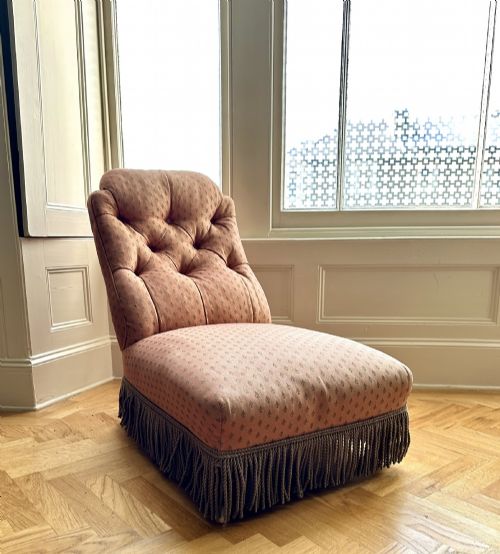


Antique French Low Seat
An antique french low seat offers compact proportions and ornate nineteenth-century woodwork, bringing distinct continental charm and low-slung comfort into a modern room.
Antique French Low Seat
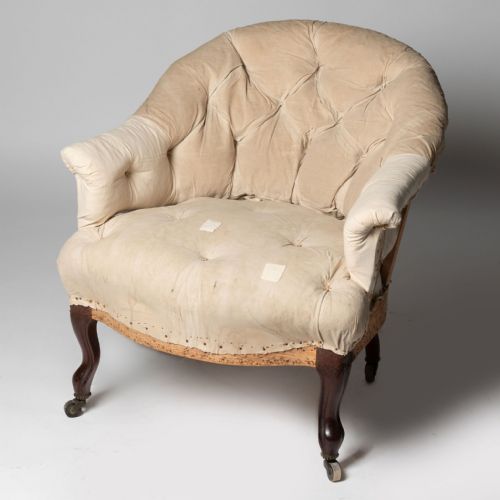
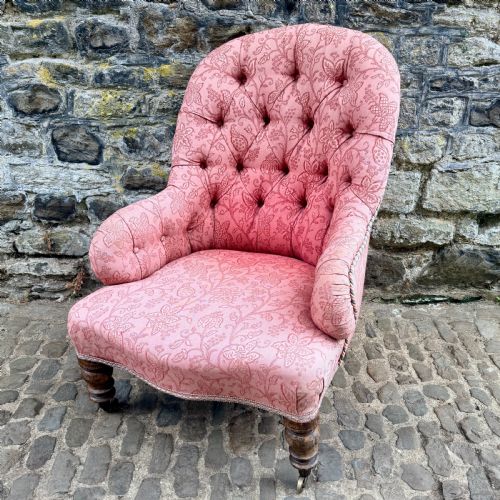
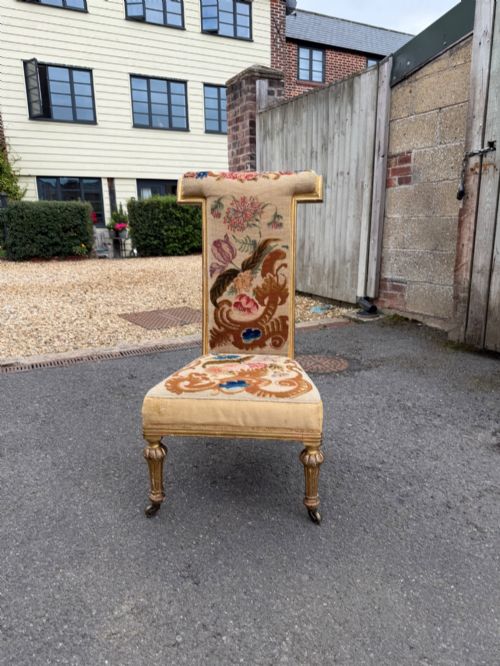
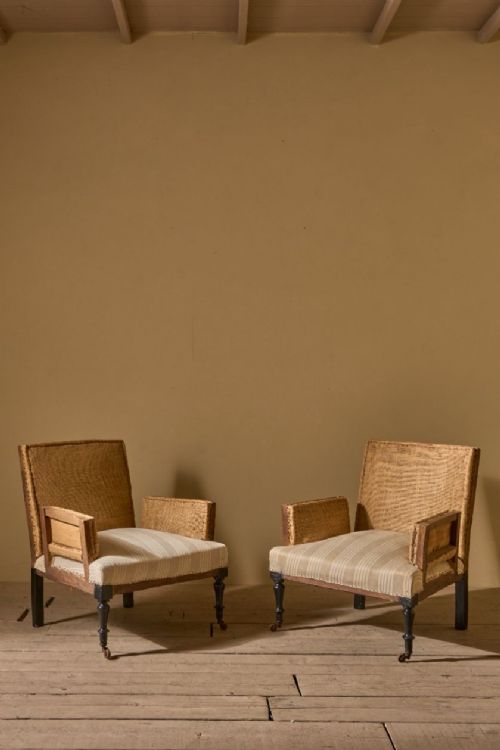
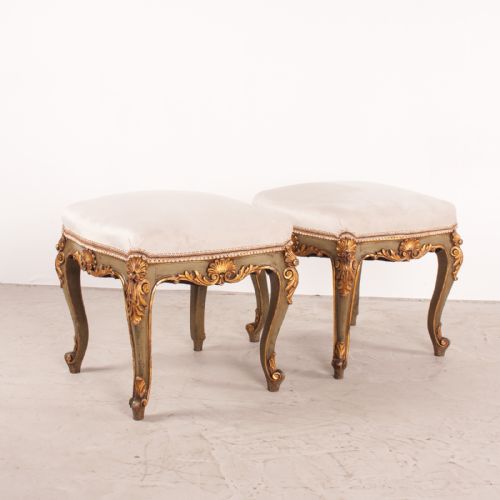
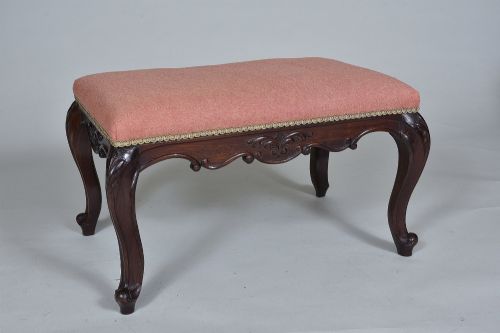
When you search for an antique french low seat, you encounter a specialised variety of nineteenth-century seating designed with reduced height for dressing rooms, bedrooms, and low tables. These pieces span compact slipper chairs, low stools, nursing chairs, and petite armchairs intended for relaxed lounging rather than formal dining.
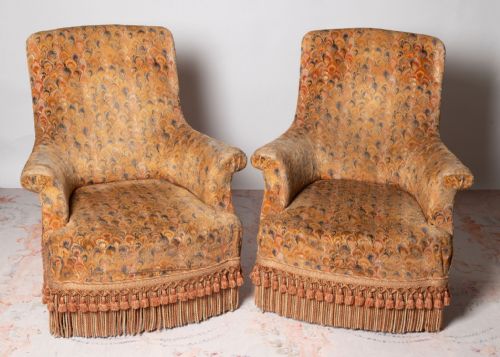
The versions most frequently met on this page date from the nineteenth century, including Napoleon III and Victorian periods. They typically appear in forms such as low-slung armchairs, window seats, and upholstered stools featuring carved wooden frames.
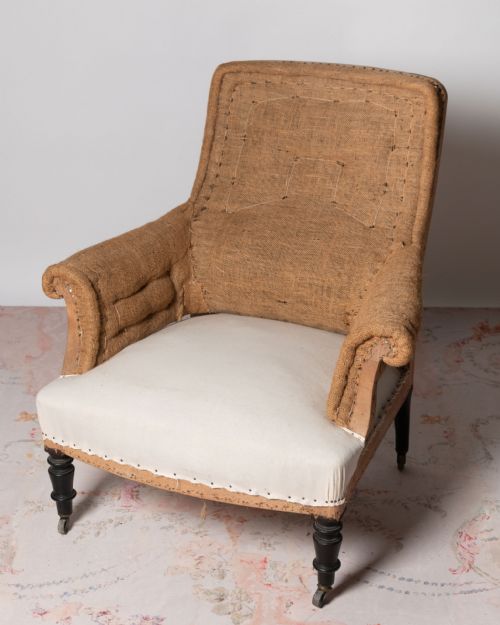
Originating primarily from French workshops and continental makers, these low seats combine practical comfort with decorative woodwork. They often arrive ready for new fabric or retain period velvet, timber, and giltwood surfaces.
Materials and construction
Frames are constructed from sturdy timbers such as walnut, mahogany, and general hardwood, often shaped with carved details or finished with giltwood and ebonising. Woodworkers employed traditional joinery to build stable low frames capable of supporting everyday use while accommodating intricate scrollwork and cabriole legs.
Upholstery forms a central part of their construction, utilising traditional padding methods beneath outer layers of fabric, velvet, and textile. Many pieces incorporate fringe trim or open frames specifically prepared for custom re-covering.
Antique French Low Seat Retail Price Guide 2026
Typical asking prices for french low seat among the pieces listed under this phrase on Sellingantiques today, from the lower quarter to the upper quarter. They describe what is for sale here now, not the wider market.
Quality and craftsmanship
The distinction between standard and superior pieces rests in the crispness and depth of the wood carving. Finer examples display deeply sculpted giltwood or parcel gilt details executed by skilled hands, whereas simpler items feature plain turned or lightly shaped legs.
Structural integrity and the quality of the underlying timber define the upper tier of these seats. Solid walnut and dense mahogany frames maintain their rigidity over generations, while secondary woods and heavy alterations sit lower down the scale.
Gillows·Lamb of Manchester
The Antique French Low Seat Glossary
- Napoleon III
- A nineteenth-century French design period known for eclectic revivals, ebonised finishes, and lavish giltwood ornamentation. It produced many of the low armchairs and stools found in this category.
- Giltwood
- Timber coated with a thin layer of gold leaf or metallic gilt paint to create a luminous decorative surface. This finish is frequently observed on nineteenth-century French salon furniture.
- Slipper chair
- A low-set upholstered bedroom chair originally designed for ladies to sit while putting on shoes or garments. Its short legs and padded seat define the classic profile.
- Cabriole leg
- A furniture leg featuring a double curve modelled on the hind leg of an animal, swelling outward at the knee and tapering inward at the foot. This form appears commonly on Victorian and continental stools.
- Bergere chair
- An enclosed wooden armchair with upholstered back and sides, often featuring exposed wooden frames. Miniature versions provide compact seating with refined continental styling.
Antique French Low Seat: Frequently Asked Questions
What is an antique french low seat used for?
These low seats were originally placed in bedrooms, dressing rooms, and parlours for personal grooming and relaxed conversation. Their reduced height made them ideal for sitting near low tables or by the fireplace.
Today, they function well as accent chairs in living rooms, elegant window seats, or decorative footstools at the end of a bed.
How do I identify a nineteenth-century piece?
Look for traditional construction methods, such as hand-cut joinery, dense timber frames like walnut or mahogany, and period upholstery techniques. Stylistic cues like Napoleon III ornamentation and carved giltwood also point directly to the nineteenth century.
Examining the underside and finish often reveals the age and origin of the woodwork without relying solely on modern labels.
Can these chairs be easily reupholstered?
Many of these seats are sold specifically for upholstery, making them straightforward projects for professional restorers. The traditional drop-in or webbed frames accept new fabrics and padding quite readily.
Choosing appropriate textiles allows you to match contemporary interiors while preserving the historical wooden frame underneath.
Where should I place a low seat at home?
A low seat fits comfortably in corners that require accent seating without blocking views or natural light. They work particularly well beneath low windows, beside dressing tables, or paired with a coffee table.
Their compact scale means they add character to smaller rooms where standard armchairs would overwhelm the space.