

Antique French Landscape Art
These antique french landscape art works capture rural scenes, riversides and châteaux across centuries of French painting and craftsmanship.
Antique French Landscape Art
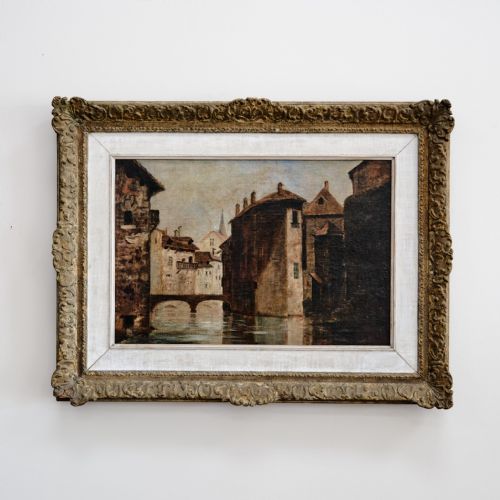
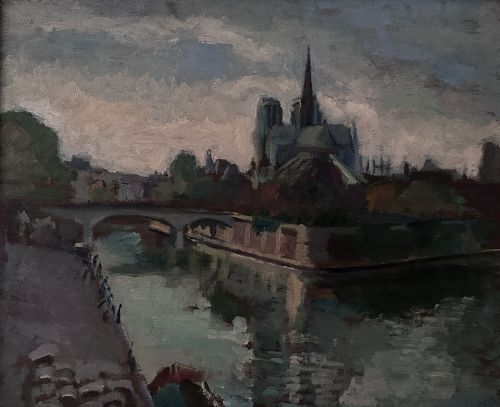
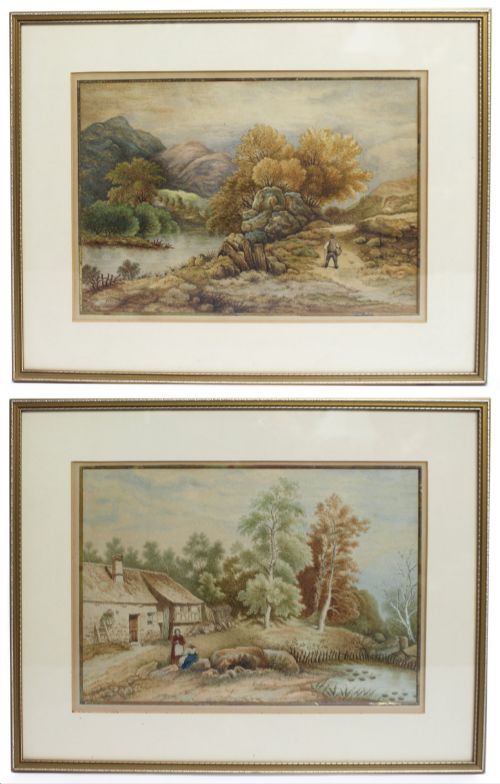
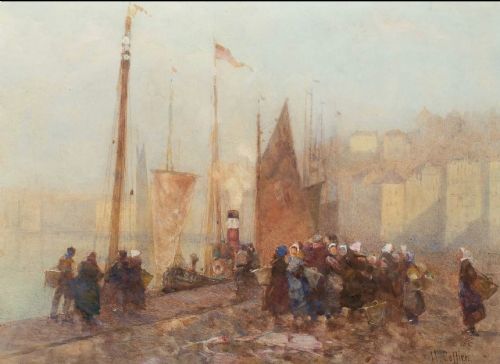
When you search for antique french landscape art, you enter a rich tradition spanning canvas paintings, watercolours, engravings and cameo glass vessels. These pieces depict the forests, rivers and rural villages of France through the eyes of various artistic movements.
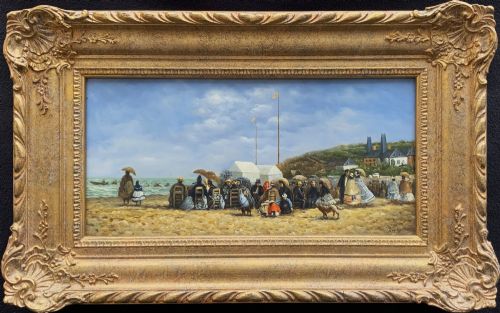
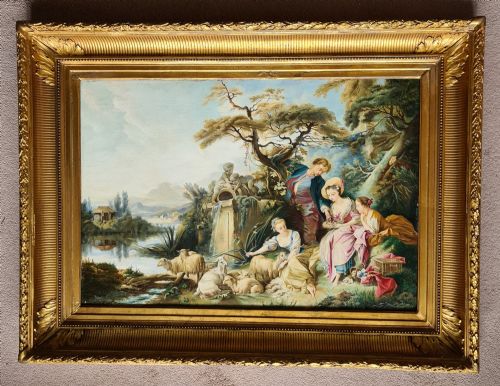
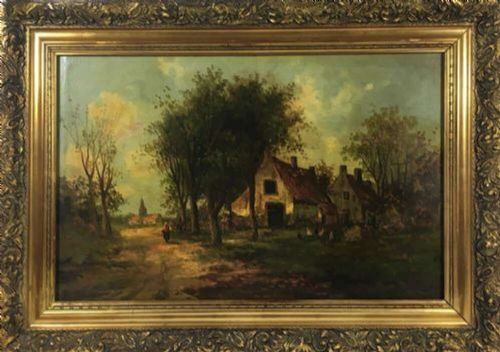
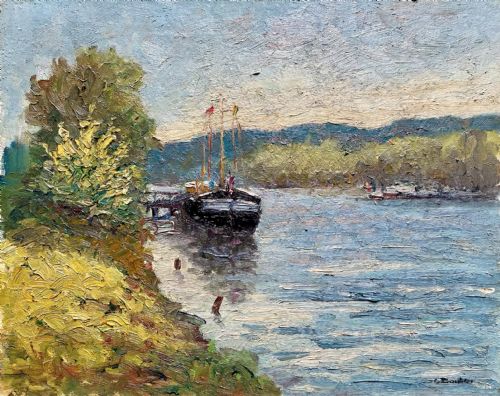
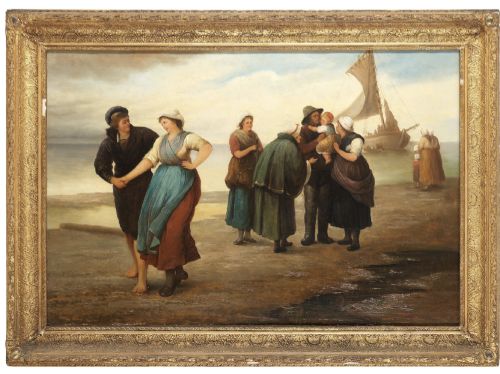
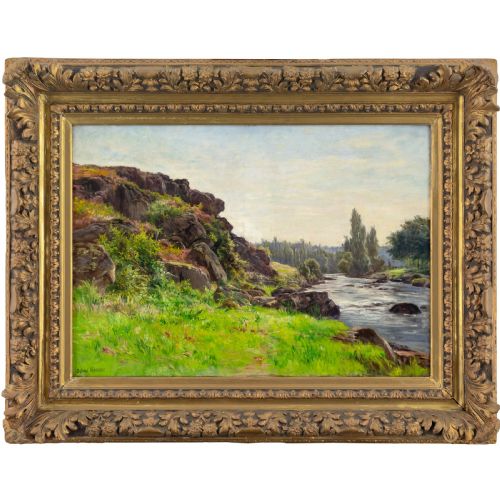
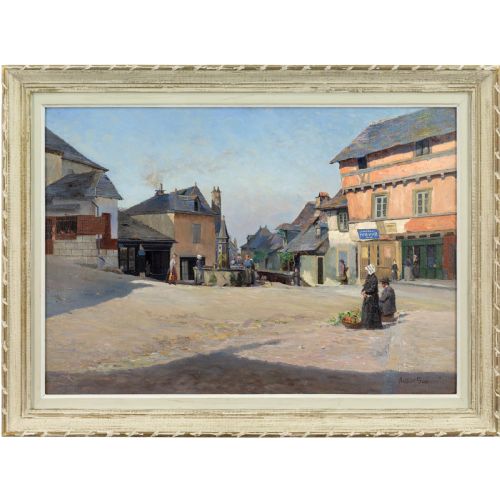
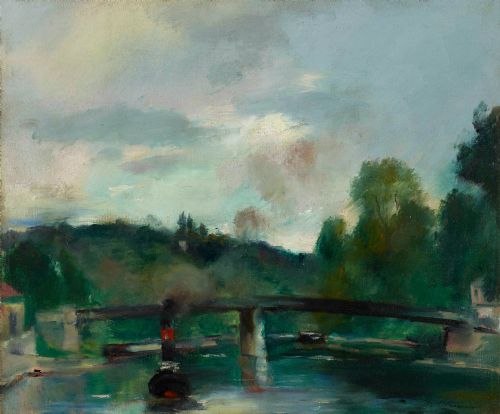
The works you encounter most frequently on this page are nineteenth and early twentieth century oil paintings on canvas. They range from Barbizon school farmyard scenes to impressionist river views and post-impressionist countryside studies.
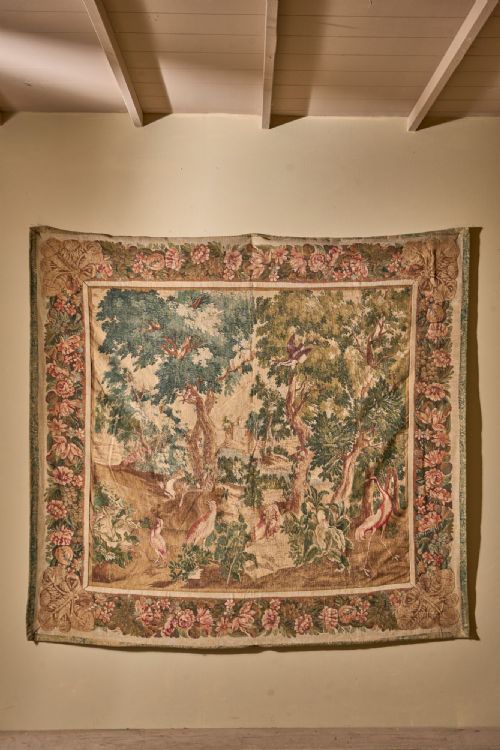
Alongside flat art, the category encompasses woven verdure tapestries and sculptural cameo glass vases bearing natural motifs. Each medium offers a distinct interpretation of the French countryside, from the moody depths of seventeenth century tapestries to sunlit early twentieth century canvases.
Materials and methods of creation
Painters relied primarily on oil paint applied to canvas or wood panels, sometimes employing watercolour and gouache on paper for lighter atmospheric effects. These pigments were handled with varying brushwork, from the tight academic realism of earlier centuries to the loose, expressive strokes of the impressionists.
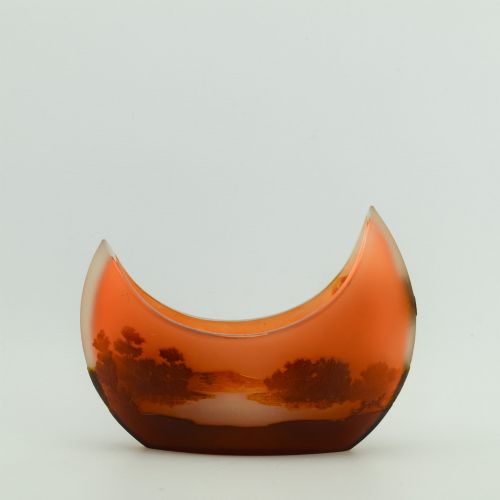
Glassmakers utilised layered cameo glass techniques, acid-etching or carving multiple coloured strata to reveal detailed landscape silhouettes around vases and vessels. Meanwhile, weavers constructed large verdure wall tapestries using wool and silk threads to depict lush, foliated outdoor scenery.
Frames formed an integral part of the finished piece, often constructed from carved wood with gesso ornamentation. Many works retain their original frames, which complement the artistic style and period of the central artwork.
Several artists packed up their easels to paint the exact road to Pourville where Monet once walked.
Distinctions in quality and execution
The refinement of brushwork and the artist's command of light and atmosphere separate the finest paintings from routine decorative works. Master painters captured natural depth and shifting weather with subtle colour transitions, whereas lesser pieces rely on formulaic foliage and heavy, flat application.
In cameo glass, quality rests on the precision of the acid-cutting and the deliberate contrast of colour layers to create genuine perspective. Highly regarded glass pieces display crisp definition in trees and horizons without losing the organic fluidity of the glass.
Provenance and documentation heavily influence the standing of a piece, particularly when a work bears a clear signature, exhibition history or attribution to an established school. Original framing and the intact condition of the canvas or woven textile further elevate the integrity of the object.
Gabriel Mathieu·Arthur Gue·Hector Caffieri·Galle·Henri Ottmann·Charles Euphraisie Kuasseg·Rene Levrel·Paul Desire Trouillebert·Daum Freres·Honore Cavaroc·Charles Clair·Henri Jaques Delpy·Gaston Cornil·Raymond Moritz
The Antique French Landscape Art Glossary
- Barbizon School
- A nineteenth century movement of French painters who turned away from academic convention to paint directly from nature in the forest of Fontainebleau. Their focus on earthy tones and realistic rural scenery laid the groundwork for impressionism.
- Cameo Glass
- An art glass technique involving the overlay of two or more distinct layers of coloured glass, which are then etched or carved away to create contrasting raised designs. Galle and Daum Freres mastered this method for landscape vessels.
- Verdure Tapestry
- A woven wall hanging featuring a predominant theme of lush foliage, trees, plants and often birds or distant chateaux. These textiles were typically produced in centres such as Aubusson during the seventeenth and eighteenth centuries.
- Impressionism
- A radical late nineteenth century painting style characterised by relatively small, thin yet visible brush strokes and an emphasis on accurate depiction of light in its changing qualities. Artists sought to capture transient moments outdoors.
- Engraving
- A printmaking process where an artist cuts lines into a metal plate to hold ink, producing a detailed image on paper. Eighteenth century engravings frequently reproduced famous classical paintings for wider appreciation.
Antique French Landscape Art: Frequently Asked Questions
What subjects appear in these landscapes?
The works depict a wide variety of rural and urban settings across France, including quiet riversides, dense woodland scenes, farmyards and coastal cliffs. Many pieces also feature historic châteaux, rural workers and pastoral gardens.
Artists frequently focused on specific regions like Normandy or the environs of Paris, capturing changing seasons from spring orchards to gathering winter fuel. This geographic and seasonal diversity reflects the broad scope of French landscape traditions.
How do I care for antique oil paintings?
Display oil paintings away from direct sunlight and fluctuating heat sources to prevent canvas warping and pigment degradation. Keep the room at a stable temperature and humidity level.
Dust the surface gently with a soft, dry brush, avoiding water or chemical cleaners on the paint or gesso frame. Professional conservation should be left to specialists if the canvas requires cleaning or structural repair.
How do I identify a Barbizon school painting?
Barbizon works typically display earthy palettes, focusing on sombre greens, browns and muted blues that emphasise the raw textures of forests and fields. The brushwork is often textured and grounded in observation of unidealised rural life.
These paintings generally date from the mid-nineteenth century and avoid the brighter, prismatic palette of later impressionism. They often feature artists who worked in or around the Fontainebleau region.
Where were verdure tapestries displayed?
Large verdure tapestries hung in the principal rooms of grand houses and châteaux to insulate stone walls and introduce vibrant natural imagery indoors. Their deep green foliage and woodland scenes brought the outside world into formal halls.
Today, these woven panels require careful wall mounting that distributes weight evenly across the textile lining. They serve as dramatic focal points in spacious rooms with controlled ambient light.