


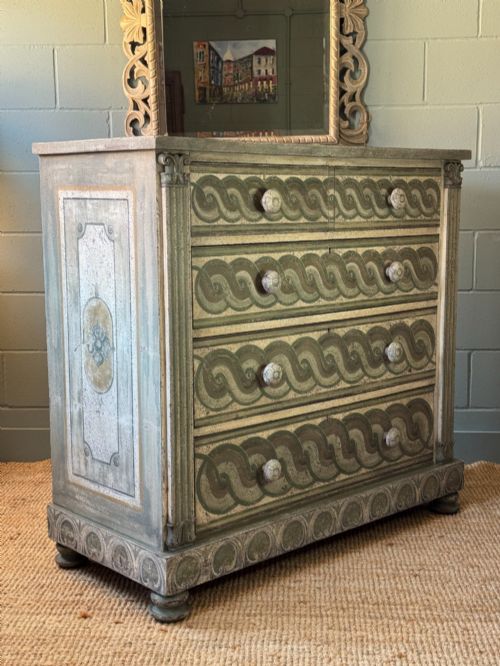


Antique French Grey Dresser
An antique french grey dresser brings continental character and useful storage to a room, ranging from simple country pieces to grand marble-topped commodes.
Antique French Grey Dresser
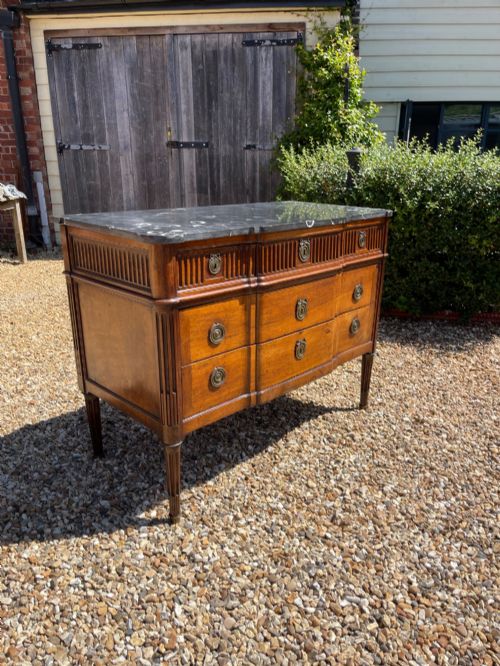
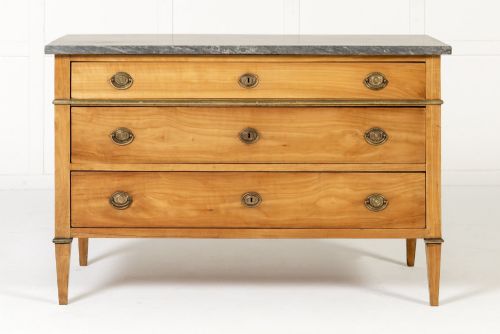
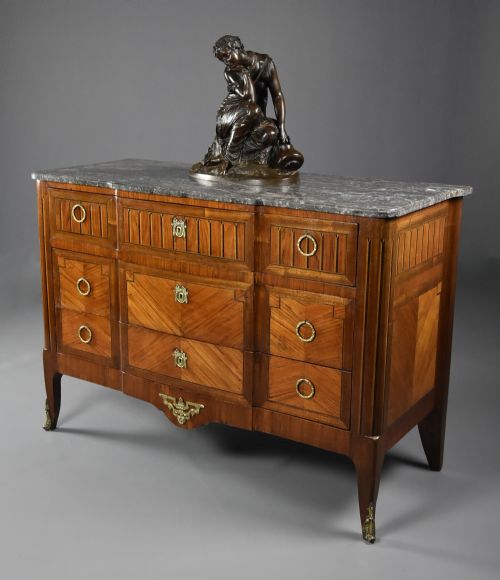
When searching for an antique french grey dresser, buyers encounter a variety of storage furniture including commodes, chests of drawers, sideboards, and glazed cupboards. These pieces predominantly date from the 18th and 19th centuries, reflecting eras such as Louis XV, Louis XVI, and the Louis Philippe period.
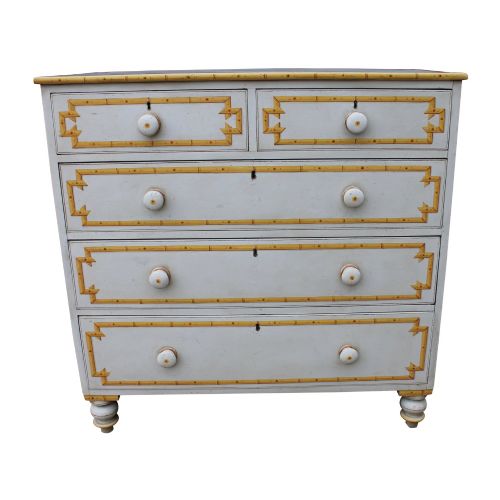
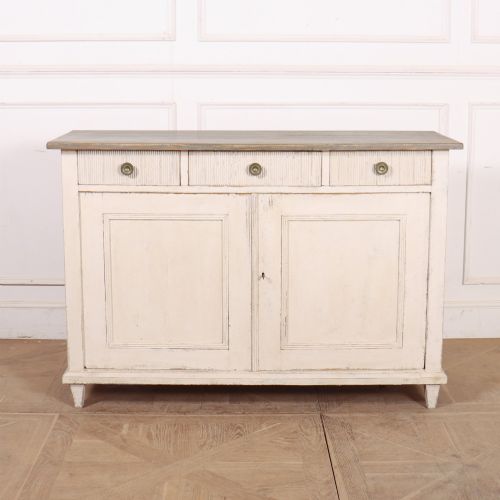
Many of these storage items feature applied paint finishes or decorative treatments that align with the search phrase. Alongside traditional wooden surfaces, several examples incorporate fitted marble tops in shades of grey.
How they were made
Cabinetmakers constructed these pieces using solid hardwoods such as oak, walnut, cherrywood, and mahogany, often combining them with pine for internal framing and drawer linings. Joinery techniques relied on traditional hand-cut joints to ensure structural stability over centuries.
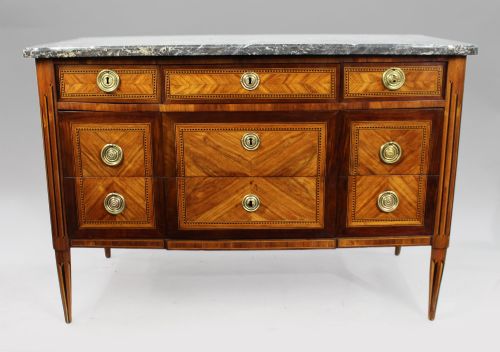
Surface decoration involved skilled carving, parquetry inlay, and layered paint applications. Many formal commodes incorporate fitted marble slabs, secured to the timber carcase to provide durable and decorative upper surfaces.
Some 19th-century makers painted pine to mimic exotic hardwoods, offering grand style on a modest budget.
What varies in quality
The distinction between tiers of quality rests on the selection of primary timbers and the precision of the cabinetwork. Finer examples display meticulous parquetry, harmonious proportions, and integrated carving rather than applied ornamentation.
The integrity of the surface finish and the retention of original hardware, such as brass pulls and escutcheons, influence the character of each piece. Gradations in quality also appear in the thickness and figuring of the marble tops fitted to these commodes.
Edwards and Roberts
The Antique French Grey Dresser Glossary
- Commode
- A low cabinet or chest of drawers, particularly French forms dating from the 18th and 19th centuries. These pieces frequently feature decorative wood veneers or painted finishes paired with marble tops.
- Parquetry
- Geometric wood inlay work arranged in patterns across the surface of a drawer front or top. This technique showcases the varied grain of timbers like tulipwood and walnut.
- Louis XVI
- A neoclassical style characterised by straight lines, symmetry, and restrained classical ornamentation. Pieces from this period often exhibit balanced proportions and subtle carving.
- Glazed Cupboard
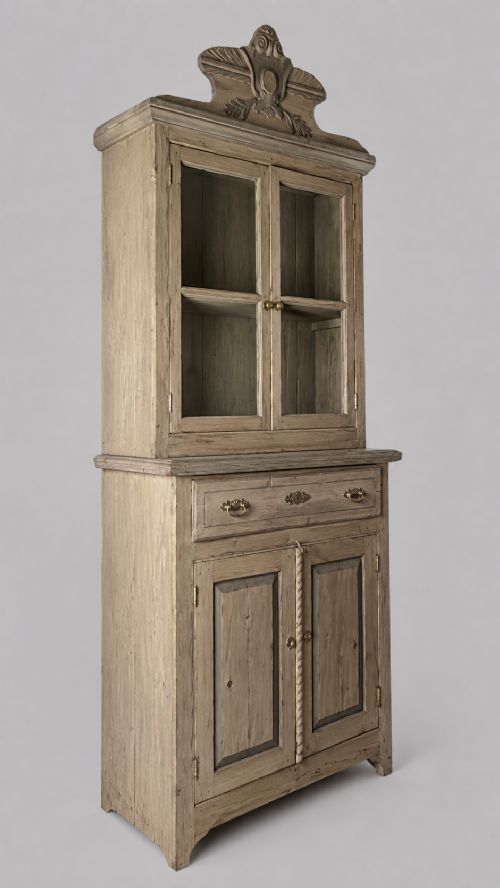
- A display cabinet featuring glass-fronted upper doors used for storing and exhibiting household objects. These items combine timber carcases with glazed framing.
- Biedermeier
- A Central European style emphasising utility, clean lines, and polished wood grains without excessive ornamentation. Furniture from this tradition often highlights the natural figure of flame mahogany.
Antique French Grey Dresser: Frequently Asked Questions
What is an antique french grey dresser?
An antique french grey dresser encompasses traditional continental storage furniture, primarily comprising commodes, chests of drawers, and sideboards from the 18th and 19th centuries. These items are defined by French regional or revival styles, often featuring painted finishes or grey marble tops.
Buyers searching for this term typically find a mix of formal mahogany and walnut pieces alongside provincial cherrywood and painted items. Each piece offers period storage capacity combined with distinct continental proportions.
How do I style a commode in a modern home?
Continental commodes function effectively as hallway sideboards, bedroom storage, or living room accent pieces. Their flat timber or marble tops provide a sturdy surface for lamps, mirrors, or decorative objects.
Pairing a painted or wood-finished commode with contemporary surroundings highlights its historical texture. The deep drawers accommodate clothing, linens, or household items while maintaining a compact footprint.
How do I identify a Louis XVI style piece?
Louis XVI style furniture is distinguished by straight, tapering legs, rectangular forms, and restrained classical details. This aesthetic contrasts with the curving, asymmetrical lines of the earlier Louis XV period.
Pieces from this tradition frequently incorporate symmetrical parquetry, formal brass mounts, and inset marble tops. The overall visual effect prioritises architectural balance and geometric harmony.
What woods were commonly used?
Cabinetmakers utilised a range of domestic and imported timbers depending on the region and period. Walnut, cherrywood, mahogany, and oak served as primary structural and decorative woods for chests and commodes.
Secondary timbers such as pine frequently appear in internal drawer construction and carcase backs. Inlaid pieces also incorporate exotic veneers like tulipwood to create contrasting geometric patterns.